
How Small Cafes Can Compete with Big Chains Using Smart QR Menus
Discover how independent cafes can rival major chains through smart QR menus. Learn to reduce costs, improve service speed, and boost customer loyalty with digital solutions.
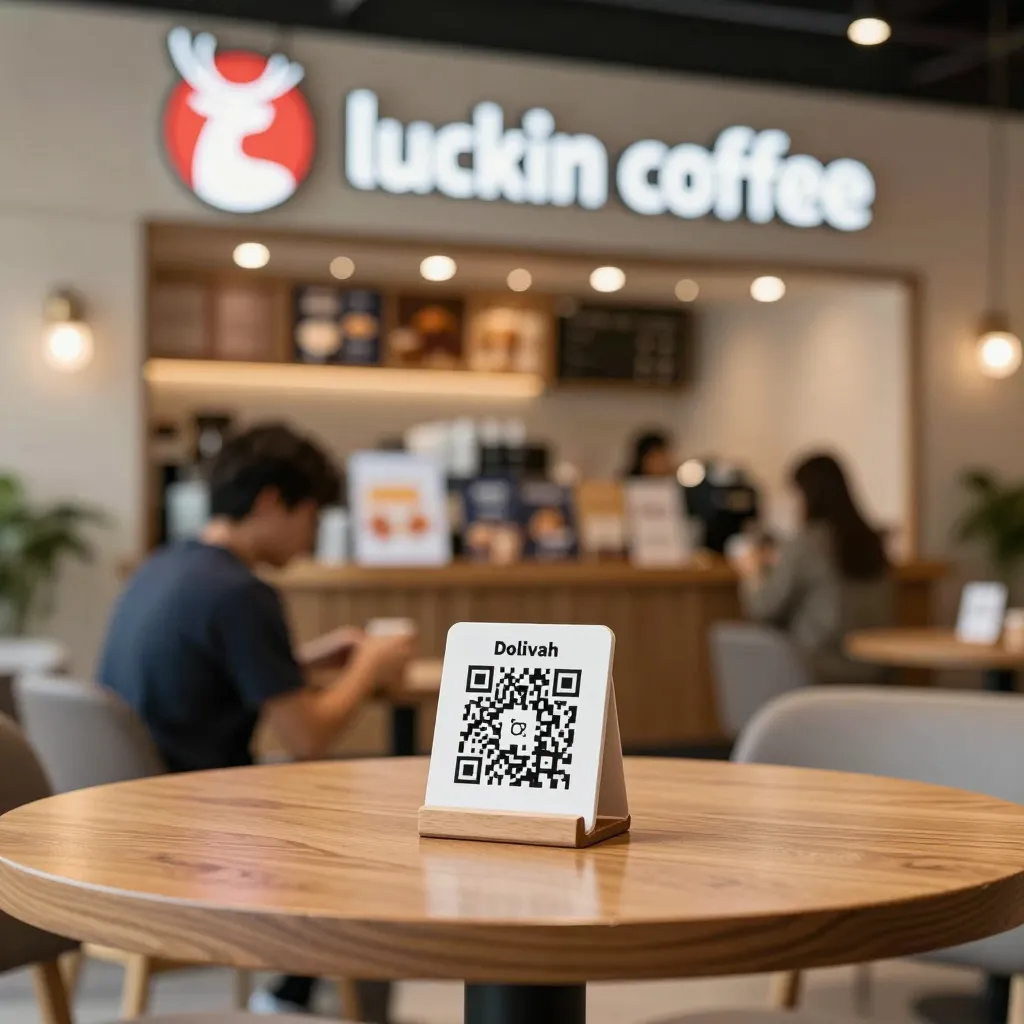
Leveling the Playing Field: The Challenge for Independent Cafes
Independent coffee shops and small cafes face a unique set of challenges in a market dominated by large chains. Major competitors like Starbucks or Dunkin often have millions in marketing budgets and standardized operations that small business owners cannot easily replicate. However, the digital transformation of the restaurant industry has introduced tools that allow small businesses to compete on efficiency and customer experience. One of the most impactful tools available today is the smart QR menu.
Traditional printed menus are costly to maintain and slow to update. When a cafe owner wants to add a seasonal latte or remove an item due to supplier issues, they must reprint hundreds of pages. This waste not only hurts the environment but also eats into thin margins. By shifting to a digital format, small cafes can reclaim control over their operations and present a professional image that rivals big brands.
According to recent industry reports, over 60% of consumers now prefer digital menus on their smartphones. This shift in consumer behavior means that adopting a smart QR menu is no longer a luxury; it is a necessity for survival. For a small cafe, this technology acts as a force multiplier, allowing them to compete with giants by offering a streamlined, modern experience that customers increasingly expect.
Reducing Operational Costs with Digital Menus
The most immediate benefit of switching to a smart QR menu is the reduction in operational overhead. Printed menus are a significant recurring expense. A standard A3 laminated menu costs between $5 and $10 per unit. For a cafe serving 100 customers daily, that translates to roughly $500 to $1,000 spent annually on menu replacements alone, not counting the initial design costs.
With a digital system, the cost per customer drops to near zero. You only pay a subscription fee or a one-time setup cost. This financial shift allows cafe owners to redirect funds into other critical areas like staff training, better coffee beans, or marketing campaigns. Additionally, digital menus eliminate the physical clutter in the dining area. Tables can be used more efficiently, and staff spend less time taking manual orders from printed lists.
Consider the scenario of a cafe that wants to update its pricing structure. With printed menus, this requires a full reprint cycle, often resulting in a significant amount of waste. If the price of milk increases, the cafe might be stuck with outdated prices for weeks. A smart QR menu allows for instant updates. This agility ensures that the cafe always reflects accurate pricing, protecting revenue and maintaining trust with the customer base.
Enhancing Customer Experience and Order Accuracy
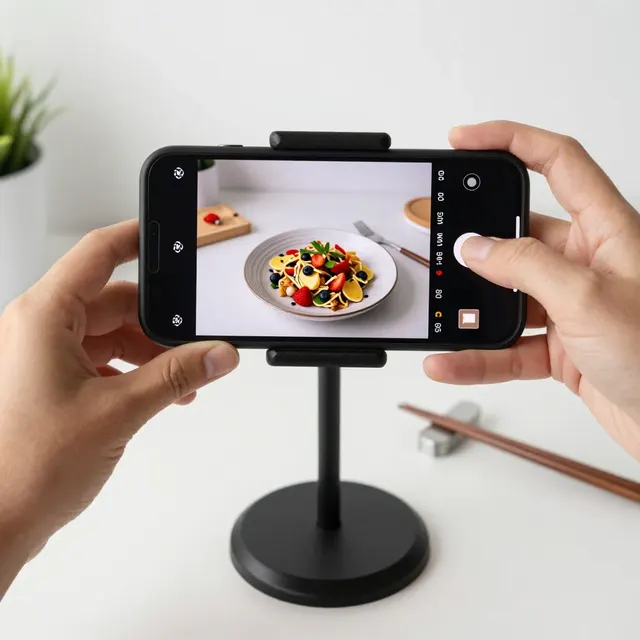
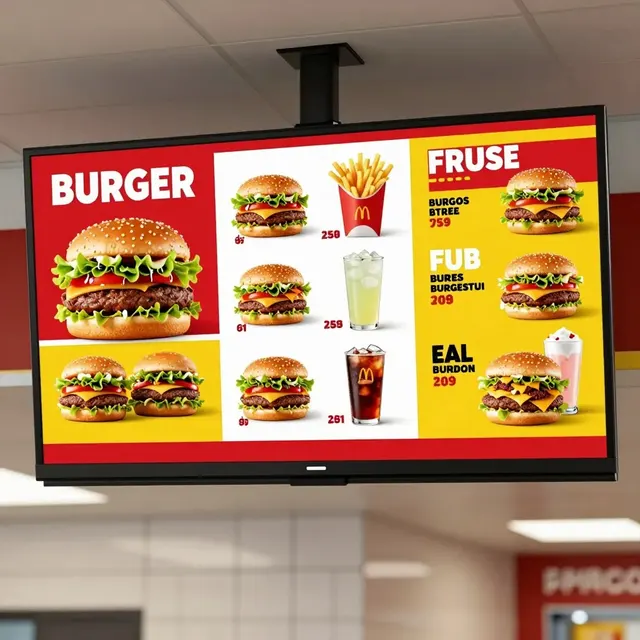
Customer experience is the primary battleground where small cafes must differentiate themselves from chains. Chains often suffer from impersonal service, but small cafes can leverage technology to enhance the personal touch. A smart QR menu allows customers to browse the full menu at their own pace. They can view high-quality images of dishes, read detailed descriptions, and see allergen information clearly.
Order accuracy is another major advantage. In a traditional setup, a waiter might mishear an order or forget an add-on like oat milk or extra shot of espresso. With a digital menu, the customer places the order directly from the screen. The order is sent straight to the kitchen, reducing errors and speeding up service times. Studies suggest that digital ordering can reduce wait times by up to 20%, which is crucial in the fast-paced coffee environment.
Furthermore, smart QR menus can integrate with loyalty programs. When a customer scans the code, they can be prompted to join a rewards program. This digital interaction builds a direct line of communication between the cafe and the customer. Unlike chains that rely on massive data centers, small cafes can use these insights to understand their local clientele better. They can see which items are popular and tailor their offerings accordingly.
Dynamic Pricing and Menu Updates in Real-Time
Big chains often struggle with menu consistency because they rely on centralized systems that can be slow to change. Small cafes, however, have the advantage of agility. Using a smart QR menu, you can update your offerings in real-time. If you run out of a specific ingredient, you can mark it as unavailable instantly. If you want to promote a specific item during a slow afternoon, you can move it to the top of the list.
This capability is particularly useful for cafes that source locally. Seasonal produce changes frequently. A smart menu allows you to highlight fresh strawberries in spring or pumpkins in autumn without reprinting anything. You can also run promotions dynamically. For example, if you have a slow Tuesday, you can automatically offer a 10% discount on pastries displayed on the menu to drive traffic.
Another practical application is inventory management. If you are running low on a specific syrup, you can temporarily remove it from the digital menu before it runs out completely. This prevents kitchen waste and ensures customer satisfaction. It creates a seamless operation where the menu always matches the kitchen's capacity, a level of control that is difficult to achieve with static printed materials.
Building Brand Loyalty Through Digital Engagement
Customer loyalty is the lifeblood of a small cafe. Big chains build loyalty through rewards points and consistency, but small cafes build it through community and connection. A smart QR menu serves as a digital storefront that can be updated with blog posts, announcements, or community events. This keeps the brand top-of-mind even when customers are not in the shop.
You can use the menu interface to gather feedback. After a customer places an order, a simple pop-up can ask them to rate their experience. This feedback loop is invaluable for continuous improvement. If multiple customers complain about the temperature of a drink, you can adjust your preparation process immediately. This responsiveness shows customers that you value their opinion, fostering a deeper sense of loyalty.
Additionally, you can segment your audience. If you notice that certain items are popular with young professionals but not with families, you can adjust the layout or descriptions to appeal to different groups. This data-driven approach to menu management helps you understand your customers better than a chain ever could, which relies on broad market trends rather than local insights.
Conclusion
In conclusion, small cafes do not need to compete with big chains on scale; they need to compete on experience and efficiency. Smart QR menus provide the tools to achieve both. By reducing costs, improving order accuracy, and enabling real-time updates, independent cafes can operate more profitably and responsively. The technology bridges the gap between the personal touch of a local business and the modern expectations of a digital-first consumer.
Adopting a smart QR menu is a strategic move that positions a small cafe for long-term growth. It transforms the menu from a static piece of paper into a dynamic marketing tool. For any cafe owner looking to modernize their business, this is the first step towards a more sustainable and competitive future. Embrace the digital shift today and watch your small business thrive against the odds.

Related Posts

Ready to create your digital menu?
Create your QR menu in minutes and reach your customers in any language.