
Wedding Venues: How QR Code Menus Transform Event Catering
Discover how wedding venues leverage QR code menus to streamline catering, reduce waste, and ensure transparent, accessible dining experiences for every guest.
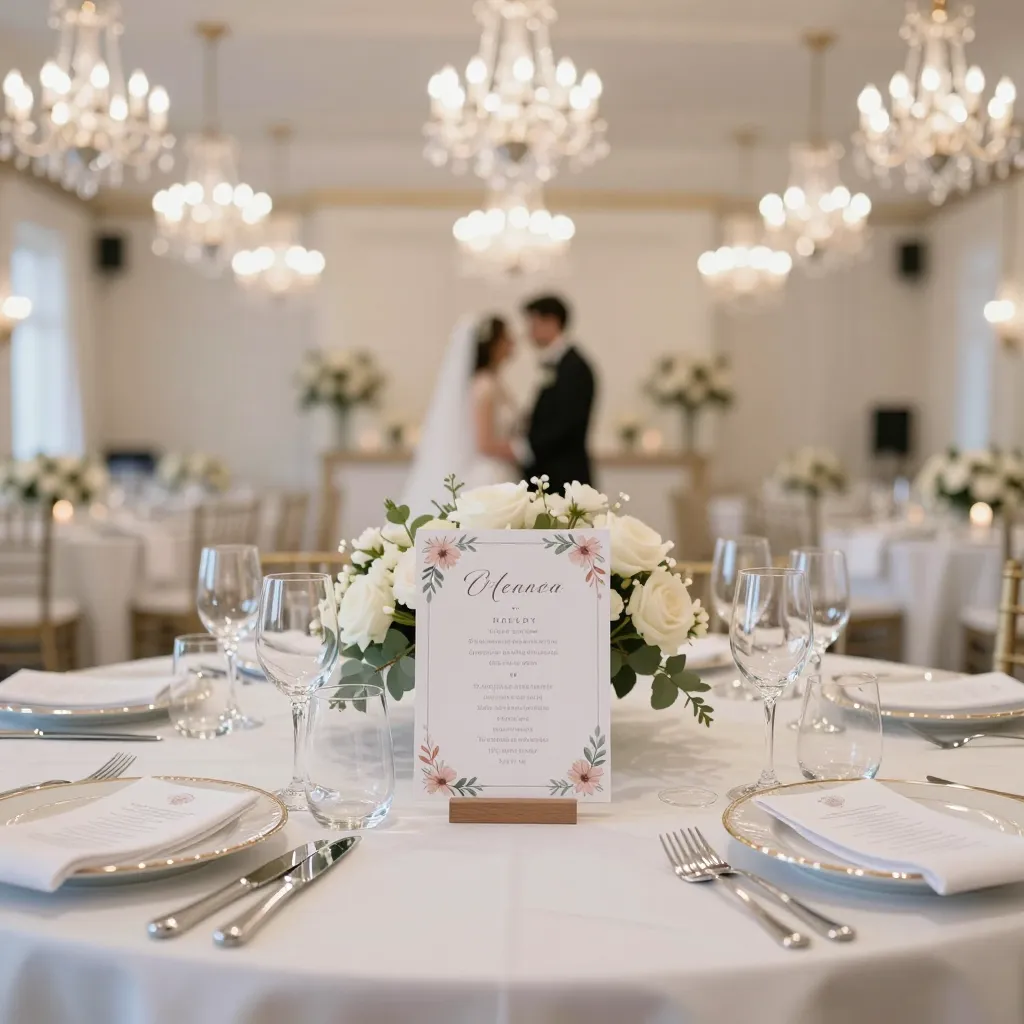
The Evolution of Wedding Catering: From Printed to Digital
Wedding catering has traditionally relied on heavy stacks of printed menus. These physical copies often end up as waste after the event, contributing significantly to landfill mass. With an average wedding serving over 150 guests, the paper consumption can easily reach 2,000 to 3,000 sheets per event. This is where digital transformation steps in, offering a sustainable alternative that aligns with modern eco-conscious values. Wedding venues are increasingly adopting digital QR code menus not just as a convenience, but as a strategic move to enhance the guest experience while minimizing environmental impact.
The shift is driven by a need for efficiency and accuracy. Printed menus printed days before an event are static; they cannot reflect last-minute dietary changes or ingredient updates. In contrast, a digital menu hosted on a platform like upQR allows venue managers to update content in real-time. If a guest informs the catering team of a severe allergy, the kitchen can flag the item digitally, and the menu can be instantly updated to reflect accurate allergen information. This level of transparency ensures that every guest knows exactly what they are ordering, fostering a sense of safety and trust that is crucial for large-scale events.
Enhancing Accessibility and Universal Dining Experiences
One of the most profound benefits of QR code menus for weddings is universal access. A significant portion of the population has dietary restrictions, allergies, or language barriers that can make dining at a wedding stressful. Traditional menus often lack detailed ingredient lists, forcing guests to rely on verbal confirmation from servers, which can lead to mistakes. Digital menus solve this by providing comprehensive details at a glance.
For example, a guest who is gluten-free can instantly filter the menu to see only safe options, without feeling singled out or needing to ask a server repeatedly. Similarly, for international guests who may not speak the local language, a well-designed digital menu can include translations or clear icons indicating dietary tags like 'Vegan', 'Halal', or 'Dairy-Free'. This inclusivity ensures that no guest feels excluded from the celebration. According to industry studies, 60% of consumers prefer brands that demonstrate social responsibility, and providing an accessible dining experience is a key part of that modern social contract. By using a platform that supports multi-language interfaces and detailed allergen databases, wedding venues demonstrate their commitment to every guest, regardless of their background or needs.

Operational Efficiency and Real-Time Inventory Management
Wedding venues often face the challenge of managing complex catering orders with limited kitchen capacity. Printed menus do not communicate inventory levels to the kitchen, leading to over-ordering of ingredients or, conversely, running out of popular dishes. Digital menus bridge this gap by integrating directly with the venue's point-of-sale (POS) and inventory systems. When a guest scans a QR code, the order is transmitted instantly to the kitchen display system, reducing the lag time between order and preparation.
This real-time data flow also aids in portion control and waste reduction. If the kitchen has a surplus of a specific vegetable, the digital menu can highlight dishes featuring that ingredient, encouraging guests to order them. Conversely, if an item is out of stock, it can be greyed out immediately, preventing orders that would lead to waste. For venues hosting multiple events simultaneously, this efficiency is paramount. It allows staff to focus on service rather than managing paperwork, ensuring a smoother flow during the reception. The ability to track order velocity also helps the catering team adjust preparation schedules dynamically, ensuring food is served hot and fresh.

The Power of Transparency: Fighting Food Fraud and Hidden Costs
Transparency is a cornerstone of modern dining, and wedding venues are uniquely positioned to showcase this value. Guests are increasingly wary of food fraud, such as mislabeled ingredients or deceptive practices. A digital menu hosted on a platform like upQR can provide deep dives into sourcing. A guest can click on a steak dish and see exactly where the beef was raised, what feed it was given, and whether it is grass-fed or grain-finished. This level of honesty builds immense trust between the venue and the guests.
Furthermore, digital menus eliminate the hidden costs often associated with printed materials. Printing, laminating, and storing physical menus incurs a direct financial cost that adds up over time. For a venue hosting 20 weddings a month, switching to a digital system can save thousands of dollars annually in printing and disposal costs. These savings can be reinvested into better ingredients or staff training. Additionally, digital menus prevent the embarrassment of serving a dish that does not match the description due to a printing error. Every image and description is controlled by the venue, ensuring that the food served matches exactly what is advertised, upholding the principle of honest and accurate information.
Collecting Data to Personalize the Guest Journey
Beyond the immediate event, digital menus offer valuable post-event insights. When guests scan a QR code, venues can collect data on popular dishes, peak ordering times, and common dietary requests. This data is invaluable for refining future menus and optimizing inventory. For instance, if data shows that 40% of guests at a recent wedding opted for a plant-based appetizer, the venue can adjust future catering plans to include more diverse vegetarian options.
This data-driven approach also helps in personalization. Venues can use the information gathered to send personalized thank-you notes or invitations to future events based on specific preferences noted during the booking process. For example, if a couple frequently requests seafood options, the venue can ensure their catering package highlights fresh catch selections. The ability to analyze trends allows venues to stay ahead of culinary trends, ensuring their offerings remain relevant and appealing. This continuous improvement loop, fueled by digital data, ensures that the venue evolves with its guests' needs, providing a superior experience every time.
Implementing the Digital Menu Strategy
Transitioning to a digital menu system does not require a complete overhaul of existing operations. It begins with selecting a robust platform that offers customization, security, and ease of use. Features to look for include the ability to upload high-resolution photos of dishes, integrate allergen databases, and support multiple languages. The platform should also be mobile-responsive, ensuring that guests can view the menu clearly on any smartphone, regardless of the screen size.
Training staff is the next critical step. Servers should be comfortable explaining how the digital menu works and be able to assist guests who are hesitant to scan a code. The goal is to make the transition seamless, not confusing. Venues should also consider adding a feedback form to the digital menu, allowing guests to rate dishes or suggest improvements. This not only engages guests but also provides the venue with direct feedback to enhance their offerings. By adopting these strategies, wedding venues can lead the industry in sustainability, accessibility, and operational excellence, setting a new standard for event catering.
Related Posts
Ready to create your digital menu?
Create your QR menu in minutes and reach your customers in any language.