How to Choose the Right QR Menu Platform
Discover the essential criteria for selecting a digital QR menu system that boosts sales, streamlines operations, and enhances the customer dining experience.
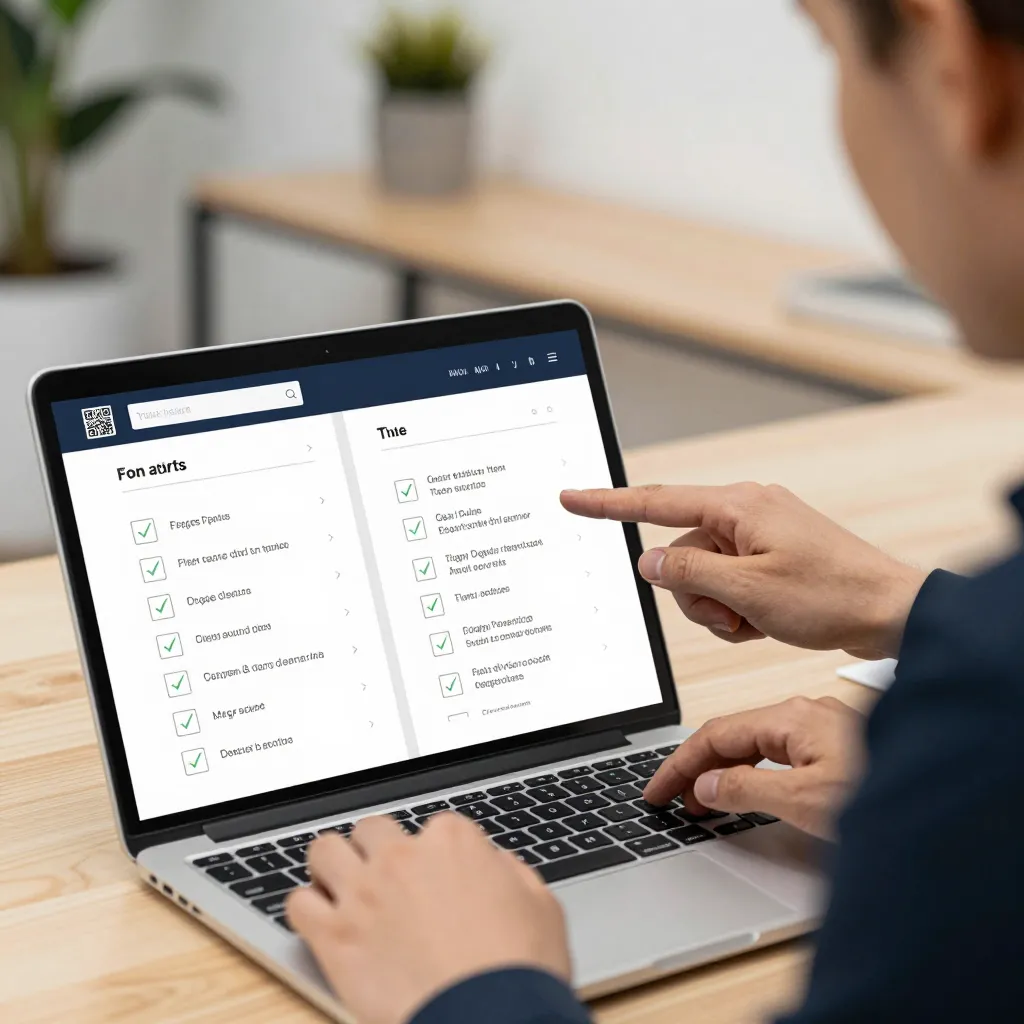
Understanding the Digital Shift in Restaurant Operations
The restaurant industry has undergone a seismic shift over the last few years. The pandemic accelerated the adoption of contactless dining, but the benefits of digital menus extend far beyond health and safety. Today, a digital QR menu is not just a necessity; it is a strategic asset that can increase table turnover, reduce printing costs, and provide valuable data insights. According to recent industry reports, over 70% of consumers prefer using digital menus for their next dining experience, citing ease of use and speed as primary factors. For restaurant owners, the decision to adopt a digital solution is no longer optional, but the critical question remains: which platform is right for your specific business model?
Choosing a QR menu provider involves more than just scanning a code. It requires evaluating technical stability, customization capabilities, and integration with your existing Point of Sale (POS) system. A poor choice can lead to broken links, slow loading times, and a frustrated customer base. Conversely, a well-chosen platform can act as a 24/7 salesperson, upselling items and guiding diners through your offerings. When evaluating potential partners, you must look for a solution that is robust enough to handle high-traffic periods without crashing, ensuring that your customers never face a blank screen during a busy dinner rush.
Key Features That Define a Superior QR Menu System
Not all QR menu platforms are created equal. To stand out in a competitive market, your digital menu must offer features that enhance the guest experience while simplifying your backend operations. The most effective systems go beyond simple text and images. They should support high-resolution photography, which is crucial for food photography as it directly influences order decisions. Research suggests that high-quality images can increase food order values by up to 30%. Therefore, a platform that allows you to upload professional photos or integrate with stock libraries is essential.
Another critical feature is the ability to customize the menu layout and design. Your digital menu should reflect your brand identity, from your logo placement to your color palette. A rigid template that forces your brand to look generic will not build trust or loyalty. Look for a system that offers drag-and-drop editors, allowing you to rearrange sections, highlight specials, and create distinct categories for appetizers, mains, and desserts. Furthermore, the ability to add QR codes to physical signage is a basic requirement, but the ability to generate multiple unique codes for different locations or specific tables adds a layer of sophistication and security.
Advanced functionality should also include the capability to update prices and availability in real-time. In the past, restaurants struggled with "phantom menu items"dishes that were no longer available but still listed on the printed menu, leading to kitchen chaos and customer complaints. A dynamic digital menu solves this instantly. When an item sells out or a price changes, the update happens globally across all devices instantly. This feature alone can save hours of manual labor for your staff and significantly reduce operational friction.
Evaluating Technical Performance and Mobile Compatibility
Technical performance is the backbone of any digital menu experience. If a customer scans a QR code and the page takes more than three seconds to load, they are likely to abandon the visit. In an age of instant gratification, patience is a scarce resource for diners. You must ensure that the platform you choose hosts your content on high-speed servers capable of handling concurrent connections. This is especially important during peak hours or special events where hundreds of people might be scanning codes simultaneously.
Mobile compatibility is equally vital. Most diners will scan the QR code using their smartphone, which means the menu must be fully responsive. A responsive design adjusts its layout automatically to fit different screen sizes, from large tablets to compact iPhones. Test the platform yourself by scanning the code on various devices. Does the text remain readable? Do the images scale correctly? Is the navigation intuitive with a single thumb? A platform that offers a seamless mobile experience reduces friction and encourages customers to order directly from their phones, even if they are seated at a table with limited space.
Additionally, consider the reliability of the internet connection required to access the menu. While 4G and 5G networks are becoming ubiquitous, not all dining areas have perfect Wi-Fi. The best QR menu platforms are designed to work offline or cache content locally, allowing users to access the menu even with a spotty connection. This redundancy ensures that your business never goes down due to network issues. When selecting a provider, ask about their uptime guarantees and data backup protocols. Your digital menu is your storefront; if it goes offline, you are losing potential revenue every second.
Integration Capabilities and Data Privacy Considerations
One of the biggest hurdles in adopting a digital menu is integration with your existing Point of Sale (POS) system. If your QR menu does not sync with your POS, you risk creating a disjointed workflow. For example, if a customer orders a drink through the digital menu, that order should ideally flow directly to your kitchen display system (KDS) and your billing system. While full POS integration can be complex and sometimes requires specific API access, a good platform should at least offer seamless data transfer or easy manual entry options that fit your staff's workflow.
Integration also extends to marketing tools. The best platforms allow you to collect customer data, such as email addresses or phone numbers, with explicit consent. This data is invaluable for building loyalty programs and sending targeted promotions. However, you must be vigilant about data privacy. With regulations like GDPR in Europe and CCPA in California, collecting customer data requires strict adherence to privacy laws. Ensure that the platform you choose is transparent about how they handle data and that they do not sell your customer information to third parties without your permission. Look for a platform that provides a customizable privacy policy and terms of service that you can update as needed.
Another aspect of integration is the ability to connect with third-party delivery services. Many restaurants now operate a hybrid model, serving dine-in customers while also offering delivery through Uber Eats or DoorDash. A sophisticated QR menu platform can include a dedicated delivery section or integrate directly with these services, allowing customers to place takeout orders without leaving your digital menu. This feature can significantly boost your off-premise sales and streamline your delivery operations.
Cost Structures and Long-Term Value Proposition
When budgeting for a digital menu, it is essential to look beyond the initial setup cost. Many providers offer a free QR code generator, but this is often a bait-and-switch tactic. The real costs may come in the form of monthly subscription fees, transaction fees, or charges for premium features like advanced analytics or custom domain names. A platform that charges a high percentage of every order processed through the menu can eat into your profit margins significantly over time. Calculate the total cost of ownership, including any fees for additional staff accounts or premium templates.
Consider the long-term value proposition of the platform. A cheap solution might lack the features needed to grow your business, forcing you to migrate to a new system later. This migration can be costly and disruptive, risking customer data loss and downtime. Instead, invest in a platform that offers scalability. As your restaurant grows, adding new locations or expanding your menu should not result in a prohibitive increase in costs. Look for transparent pricing models that align with your business size and growth trajectory.
Finally, consider the support and training provided by the vendor. A platform is only as good as the team behind it. Does the provider offer 24/7 customer support? Can you get quick answers to technical issues? Are there tutorials and resources to help your staff get up to speed? A platform with responsive support ensures that you can resolve issues quickly, minimizing disruption to your service. When evaluating costs, factor in the value of peace of mind and the efficiency gains provided by a well-supported system. The right investment is one that pays for itself through increased sales, reduced waste, and improved operational efficiency.
Why upQR Stands Out as Your Ideal Partner
After weighing all these factors, upQR emerges as a comprehensive solution designed specifically for the modern restaurant owner. upQR combines robust technical performance with an intuitive user interface, making it accessible even for those with limited technical expertise. The platform offers extensive customization options, allowing you to tailor every aspect of your digital menu to match your brand's unique identity. From high-resolution image hosting to real-time inventory management, upQR covers all the bases required for a seamless dining experience.
Furthermore, upQR prioritizes data privacy and security, ensuring that your customer information is handled with the utmost care and compliance with global standards. The platform's seamless integration capabilities mean you can connect with your existing POS systems and delivery services without hassle. With upQR, you are not just getting a QR code; you are gaining a powerful tool to enhance your customer relationships, optimize your operations, and drive revenue growth. Whether you are a cozy cafe or a bustling fine-dining establishment, upQR provides the flexibility and reliability needed to succeed in today's digital landscape. Choose a platform that grows with you, and make upQR your partner in digital transformation.
Related Posts
Ready to create your digital menu?
Create your QR menu in minutes and reach your customers in any language.
