
Romantic Dinner Ideas: Creating the Perfect Valentine's Menu
Discover proven strategies to design a Valentine's Day menu that boosts bookings, increases average check size, and creates an unforgettable dining experience for your guests.
Why a Dedicated Valentine's Menu Drives Revenue
Valentine's Day is one of the most critical revenue days for the hospitality industry, yet it is also a high-stakes event where customer expectations are at their peak. According to recent industry reports, restaurants that offer a curated, themed menu see a significant increase in table turnover and average check size compared to those that simply add a few items to their existing daily list. The psychology behind this is straightforward: guests are looking for a special occasion experience, not just a meal. A dedicated menu signals that the restaurant has prepared specifically for the date, elevating the perceived value of the dinner.
When a restaurant owner decides to create a Valentine's menu, they are essentially curating a narrative. Every dish, from the amuse-bouche to the dessert, should contribute to the theme of romance, intimacy, and celebration. This curation allows for strategic pricing. By introducing premium pairings, such as a specific wine with a signature steak or a truffle-infused pasta, restaurants can increase their average ticket size by 15% to 20% without alienating customers. The key is to frame these additions as essential components of the romantic experience rather than optional extras.
Furthermore, a limited-time offer creates a sense of urgency that is vital for managing demand on a single night. When a menu is exclusive to Valentine's Day, it encourages diners to book early and stick to the plan, reducing no-shows and last-minute cancellations. For independent cafes and small restaurants, this is a chance to compete with large chains by offering a more personalized, chef-driven approach. The menu becomes a marketing tool in itself, generating social media buzz when guests share photos of unique, beautifully plated dishes that are available only for this one night.
Designing the Menu Structure for Intimacy and Flow
The structure of your Valentine's menu is just as important as the food itself. A successful romantic dinner menu must guide the guest through a journey that builds anticipation and enhances the dining atmosphere. Start by limiting the number of options. Offering a five-course tasting menu or a highly curated set of three to four choices per course forces the guest to focus on quality over quantity. This is particularly effective for couples, who often prefer to share plates or experience a cohesive narrative rather than choosing between a steak and a chicken entree.
Consider the pacing of the meal. A romantic dinner should not be rushed. Design your menu to allow for a slower, more deliberate dining experience. Include a signature cocktail or a unique appetizer that takes time to prepare, giving the waiter an opportunity to engage the guests in conversation. For the main course, opt for proteins that are visually stunning and rich in flavor, such as pan-seared scallops, lamb chops, or a whole roasted fish. These dishes naturally command a higher price point and provide a theatrical element to the service.
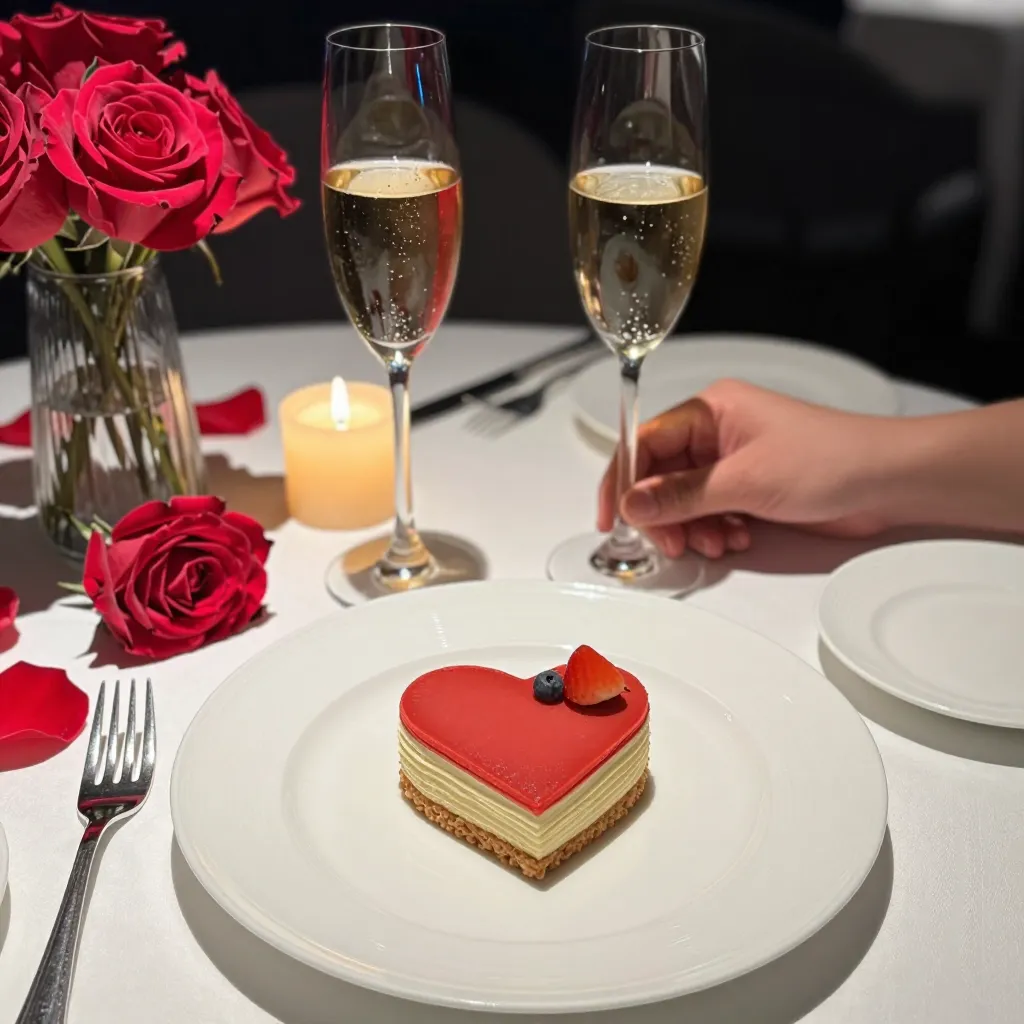
Dessert plays a pivotal role in the romantic narrative. It is often the highlight of the evening, the sweet finale that leaves a lasting impression. Avoid generic chocolate cakes; instead, create a signature dessert that tells a story. Think about incorporating elements like rose petals, edible gold leaf, or a liqueur-flavored sauce that complements the main course. The plating must be impeccable. In the context of a romantic dinner, presentation is everything. Use contrasting colors, delicate garnishes, and ensure the portion size is intimate enough to be shared but substantial enough to be satisfying. Remember that the visual appeal of the food is often the first thing guests photograph and share on social media, providing free advertising for your establishment.
Crafting the Sensory Experience Beyond the Food
A truly romantic dinner is a multi-sensory experience that extends far beyond the taste of the food. As a restaurant manager, you must consider how every element of the environment contributes to the mood. Lighting is perhaps the most critical factor. Dim, warm lighting creates an intimate atmosphere that encourages conversation and relaxation. Avoid harsh overhead lights that can wash out the colors of the food and make the space feel sterile. Instead, use candlelight or low-hanging lamps to create pools of light that define the table setting.
Music plays an equally important role in setting the tone. The playlist should be curated carefully to avoid being too loud or distracting. Soft jazz, classical piano, or acoustic covers of popular love songs can enhance the ambiance without overpowering the conversation. The volume should be low enough that guests can hear each other easily, fostering a sense of connection. Additionally, pay attention to the scent of the restaurant. Avoid strong kitchen odors that can permeate the dining area; instead, aim for subtle, pleasant aromas that complement the food, such as fresh herbs or a light citrus note.
Table settings should be elevated to match the occasion. While you do not need to buy new china for every Valentine's Day, you can add touches that make the setting feel special. Use high-quality napkins, perhaps in a contrasting color or with a subtle texture. Place fresh flowers in small vases at each table, ensuring they do not obstruct the view of the food. The glassware should be clean and pristine, and cutlery should be polished to a shine. These small details collectively build a perception of luxury and care that justifies a premium price point and enhances the overall guest satisfaction.
Incorporating Storytelling and Local Ingredients
Modern diners, especially those celebrating a significant occasion, value authenticity and connection. They want to know where their food comes from and who prepared it. This is where storytelling becomes a powerful tool for your menu. Each dish should have a brief description that explains its inspiration, the origin of its ingredients, or a personal anecdote from the chef. For example, a dish featuring local strawberries could be described with a note about the specific farm where the berries were grown that morning, highlighting the freshness and seasonality.
Emphasizing local sourcing is not only a marketing advantage but also a commitment to sustainability, which resonates strongly with today's consumers. By featuring local producers, you reduce the carbon footprint of your menu and support the regional economy. Guests appreciate this transparency and often feel a deeper connection to the meal when they know the farmers behind their food. You can even create a special collaboration with a local winery to offer a wine pairing that highlights regional varietals. This approach creates a unique selling proposition that large chains cannot replicate.
Storytelling also extends to the staff. Your servers are the storytellers who bring the menu to life. They should be trained to explain the dishes with enthusiasm and knowledge, answering questions about the preparation methods and ingredient choices. This level of engagement transforms a simple meal into an educational and emotional experience. When a guest learns about the chef's journey or the history of a specific ingredient, it adds a layer of depth to the dining experience that fosters loyalty and repeat visits. Ensure your staff understands the narrative behind the menu so they can convey it consistently and authentically to every guest.
Strategic Pricing and Promotional Tactics
Pricing your Valentine's menu requires a delicate balance between maximizing revenue and maintaining perceived value. It is tempting to simply add a 20% surcharge to your regular menu prices, but this can be perceived as exploitative if not communicated correctly. Instead, consider creating a fixed-price tasting menu that includes a set of appetizers, mains, and desserts, with the option to add premium upgrades. This structure simplifies the decision-making process for guests and ensures a consistent revenue stream per cover.
To make the premium feel justified, highlight the exclusivity of the ingredients. If you are using imported caviar, aged cheeses, or rare spices, make sure these are listed prominently on the menu. Guests are willing to pay more for ingredients they cannot find elsewhere. Additionally, offer a 'date night' package that includes a bottle of wine, a dessert, and a complimentary appetizer for the next available table. This upselling strategy can significantly boost your revenue per head without increasing the base price of the food.
Marketing these promotions effectively is crucial. Start advertising the menu and packages on your website and social media channels at least two weeks in advance. Use visually appealing graphics that showcase the dishes and the ambiance. Encourage reservations early by offering a small discount or a complimentary item for booking in advance. This helps you manage your seating capacity more effectively and ensures that you have a steady flow of guests throughout the night. Remember that the goal is to create a memorable experience that guests will talk about for years, which is the best form of long-term marketing for your restaurant.
Leveraging Digital Menus with upQR for Seamless Operations
In the digital age, your menu is no longer just a piece of paper; it is a dynamic asset that can be updated instantly and accessed from anywhere. This is where upQR comes into play, offering a robust solution for restaurants looking to optimize their Valentine's Day operations. With upQR, you can design a stunning, mobile-responsive digital menu that showcases your high-resolution food photography and detailed descriptions. This ensures that guests can easily navigate the menu on their smartphones, even if they are seated at a table with poor lighting or if your physical menus are being replaced.
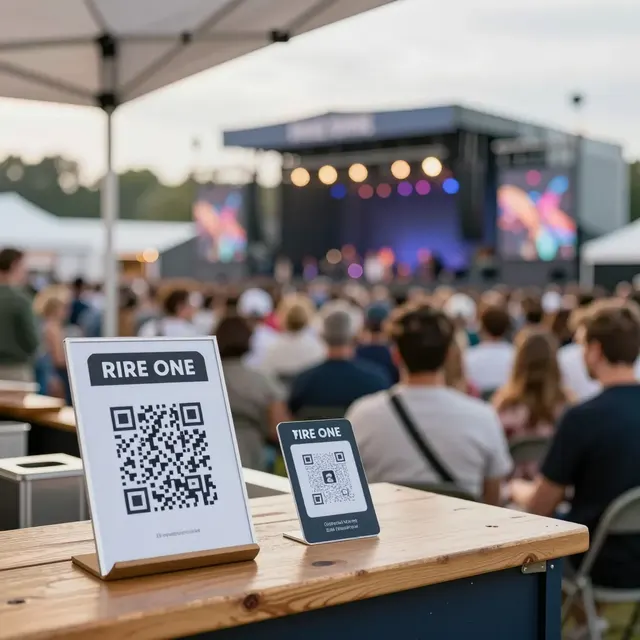
One of the most significant advantages of using upQR is the ability to streamline your table service. By integrating QR codes directly into your table settings, you reduce the need for waitstaff to constantly run back and forth to take orders. This allows your servers to focus more on hospitality-checking in on guests, pouring water, and managing the flow of the dining room. For a high-demand night like Valentine's Day, this efficiency is invaluable. It reduces wait times for food delivery and ensures that the pacing of the meal remains smooth and unhurried.
upQR also provides valuable analytics that can help you refine your strategy in real-time. You can track which dishes are most popular, how long guests spend on each item, and which sections of the menu drive the most engagement. This data-driven insight allows you to make informed decisions about inventory, staffing, and menu adjustments for future events. Furthermore, upQR supports multiple languages, which is essential for attracting a diverse clientele. You can easily switch between English, Spanish, or other languages to cater to your local demographic, making your restaurant more inclusive and accessible.
The flexibility of upQR means you can run two menus simultaneously if needed-for example, a standard menu for regular diners and a special Valentine's menu for those who book the specific date. This ensures that you capture the excitement of the special occasion while maintaining your regular operations for walk-in traffic. The platform's ease of use means you do not need technical expertise to update your content; you can change prices, descriptions, or photos instantly, ensuring that your menu always reflects the latest offerings. By adopting a digital-first approach with upQR, you position your restaurant as a modern, forward-thinking establishment that values both tradition and innovation.
Conclusion
Creating the perfect Valentine's Day menu is a strategic endeavor that blends culinary artistry with business acumen. It requires careful planning, a deep understanding of your guests' desires, and a commitment to delivering an exceptional experience. From the structure of the menu to the sensory details of the dining room, every element must work together to create an atmosphere of romance and celebration. By leveraging local ingredients, telling compelling stories, and utilizing smart pricing strategies, you can transform a simple dinner into a memorable event that guests will cherish.
As you prepare for this pivotal night, consider how technology can enhance your efforts. upQR offers the perfect blend of style and functionality, allowing you to present a beautiful digital menu that complements your physical ambiance while streamlining your operations. With upQR, you can focus less on logistics and more on the art of hospitality, ensuring that your guests leave with nothing but positive memories and a desire to return. Embrace the opportunity to innovate this Valentine's Day and set a new standard for romantic dining in your community.
Related Posts
Ready to create your digital menu?
Create your QR menu in minutes and reach your customers in any language.