Restaurant Interior Design Tips for QR Menus
Transform your dining space with interior design strategies that perfectly complement your digital QR menu setup for a modern guest experience.
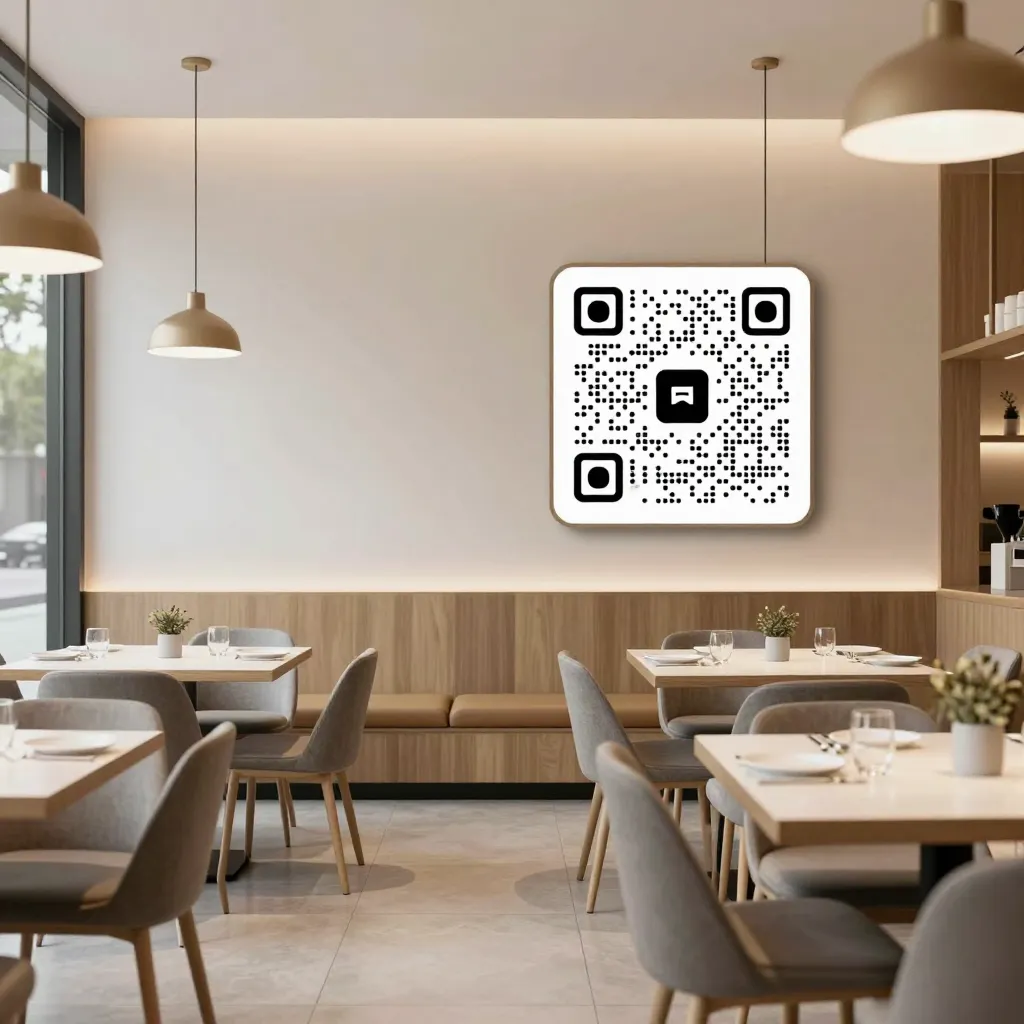
Aligning Aesthetics: Designing a Space for Digital Engagement
When integrating a digital QR menu system like upQR into your restaurant, the physical environment must support, not compete with, the digital experience. The goal is to create a seamless flow where guests naturally reach for their phones without feeling like they are checking out of the restaurant. This alignment begins with lighting. Soft, ambient lighting reduces eye strain when reading screens, encouraging longer engagement with your digital menu. Avoid harsh overhead lights that create glare on phone screens, which can deter customers from scanning codes. Instead, opt for warm, indirect lighting that highlights your decor while maintaining visibility for digital content.
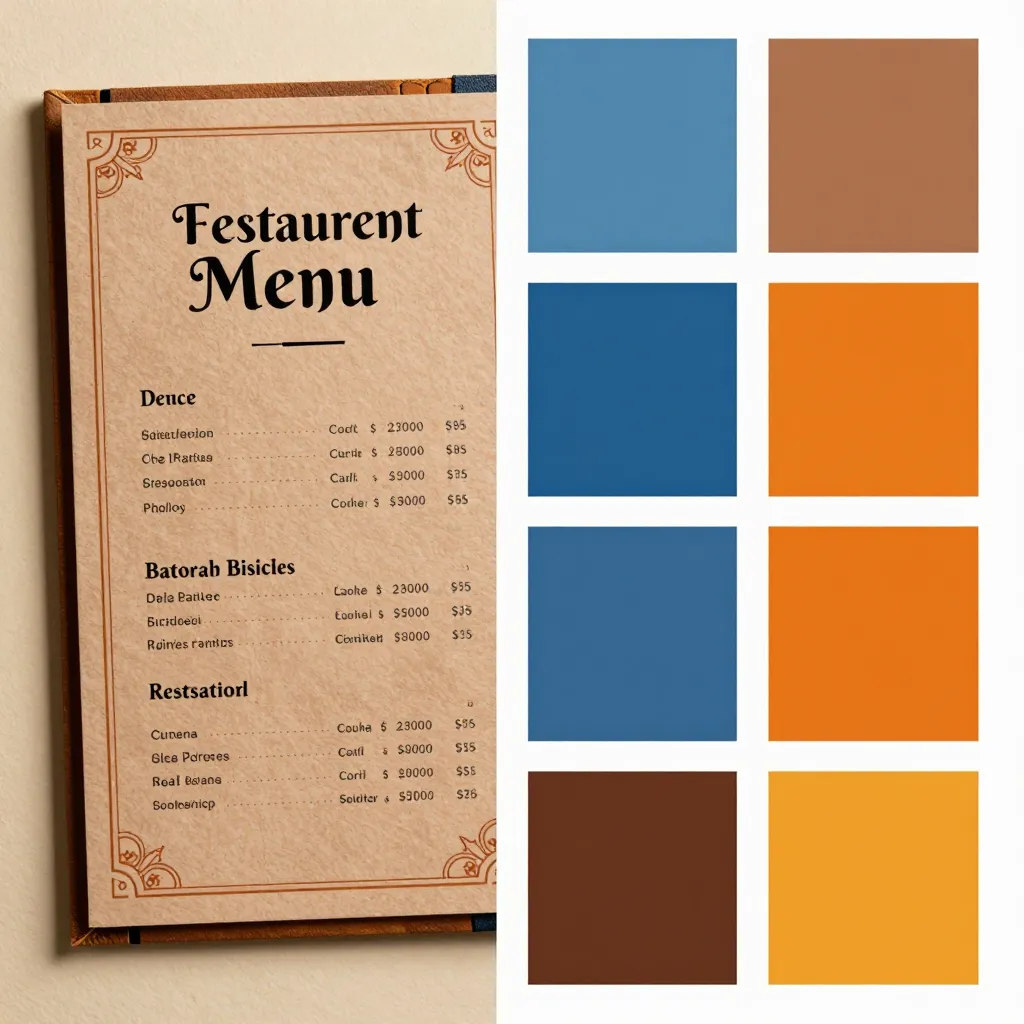
Color psychology plays a crucial role in this synergy. If your upQR menu features a clean, white interface to highlight your food photography, your interior walls and furniture should complement this clarity rather than clash with it. For instance, neutral tones like beige, soft gray, or muted earth colors in your upholstery can provide a calm backdrop that makes the vibrant colors of your food photos pop. Conversely, if your brand identity is bold and colorful, ensure your interior design reflects that energy so that the transition from the physical table to the digital screen feels intentional and branded. This consistency builds trust; when a guest sees a cohesive visual story from the moment they enter the door to the moment they place their order, they perceive the establishment as professional and attentive.
Furthermore, consider the ergonomics of the seating arrangement in relation to your digital setup. Tables should be spaced sufficiently to allow guests to comfortably hold their phones without knocking over drinks or disturbing neighbors. Crowded tables can create a sense of claustrophobia, making guests feel rushed to scan a QR code quickly rather than exploring your offerings. By designing layouts that prioritize comfort and ease of movement, you signal to your customers that their digital interaction is welcome and valued. This thoughtful approach to spatial design enhances the overall dining experience, making the technology feel like a natural extension of the hospitality you provide.
Creating a Scannable Environment: Strategic Placement and Visibility
One of the most critical aspects of interior design for a QR menu system is ensuring that the QR codes are always visible and easily accessible. Poor placement can lead to frustration, with guests struggling to find the code or having to lean awkwardly over tables to scan it. To avoid this, integrate your QR code displays directly into your interior design elements. For example, you can mount sleek, minimalist stands near the host stand or at the entrance of private dining rooms. Alternatively, incorporate QR code holders into the design of your table settings, perhaps as a stylish napkin ring or a small card tucked under a menu cover if you still offer paper options for accessibility.
Visibility extends beyond just the code itself; it involves guiding the guest's eye naturally toward the scanning point. Use subtle signage or floor decals to direct attention without being intrusive. In a busy cafe, a well-placed table number or a small potted plant can also serve as a focal point where a QR code stand is discreetly positioned. The key is to make the code feel like part of the decor, not an afterthought. This integration reduces the cognitive load on the guest, allowing them to focus on enjoying their meal rather than hunting for a digital link.
Another important consideration is the durability and maintenance of these displays. Interior materials should be chosen not only for their aesthetic appeal but also for their ability to withstand the wear and tear of frequent scanning and cleaning. High-gloss finishes on table surfaces can cause reflections that obscure QR codes, so consider matte finishes or textured materials that minimize glare. Additionally, ensure that any stands or holders are stable and made from materials that are easy to sanitize, adhering to health and safety standards. By designing an environment where the QR code is always front and center, you reduce friction in the ordering process and increase the likelihood that guests will engage with your digital menu, ultimately driving higher conversion rates and better data collection for your business.
Leveraging Technology: Smart Lighting and Interactive Elements
The intersection of interior design and technology offers exciting opportunities to enhance the guest experience with a QR menu. Smart lighting systems can be programmed to change ambiance based on the time of day or the type of menu being promoted. For instance, during lunch hours, you might opt for brighter, cooler lighting to encourage quick turnover, while dinner service could feature warmer, dimmer tones to create a relaxing atmosphere for a more leisurely dining experience. These lighting changes can even be synchronized with your upQR menu, which might offer special evening dishes or happy hour specials that are highlighted when the lighting shifts.
Interactive elements can also be woven into your design to make the digital experience more engaging. Consider installing digital signage in waiting areas or on walls that display rotating promotions or chef's specials, which guests can then access in detail via their QR menu. This creates a multi-sensory experience where the physical space and digital content work together to tell a compelling story about your restaurant. For example, a wall mural depicting the source of your ingredients can be paired with a QR code that leads to a video tour of the farm where your produce is grown. This level of storytelling not only educates guests but also reinforces your commitment to transparency and sustainability, core values of the upQR platform.
Moreover, the use of augmented reality (AR) filters or interactive table surfaces can elevate the dining experience further. While this may require additional investment, the potential return in terms of guest engagement and brand loyalty is significant. Imagine a guest scanning a QR code that reveals a 3D animation of how a dish is prepared or highlights the nutritional benefits of specific ingredients. Such innovations position your restaurant as a forward-thinking leader in the industry, attracting tech-savvy customers who appreciate innovation. However, even without advanced AR, simple interactive elements like touch-sensitive surfaces or motion-activated displays can add a layer of sophistication to your interior design, making the transition from physical to digital feel magical and seamless.
Enhancing Accessibility: Universal Design for Every Guest
True interior design excellence in the age of digital menus means prioritizing accessibility for all guests. A well-designed space ensures that everyone, regardless of their ability to use a smartphone or navigate a digital interface, feels included. This goes beyond just having a QR code; it involves creating an environment where alternative options are seamlessly integrated. For example, if a guest prefers a paper menu or needs larger text due to visual impairments, your design should accommodate these needs without drawing unnecessary attention. You can achieve this by providing a discreet, easy-to-access paper menu drawer or a tablet station with adjustable font sizes and high-contrast displays.
Universal design principles also extend to the placement of QR codes and the readability of digital content. Ensure that QR codes are placed at heights that are accessible to people of all statures, from children to elderly guests. Avoid placing codes behind decorative elements that might block the line of sight or require guests to move furniture to reach them. Additionally, consider the contrast between the QR code and its background; a high-contrast code on a light-colored surface is easier to scan for everyone, including those with visual impairments.
Furthermore, your interior design should support the inclusivity of your digital offerings. If your upQR menu includes audio descriptions or braille options, ensure that the physical space reflects this commitment to inclusivity. For instance, acoustic panels that reduce background noise can help guests with hearing impairments better engage with audio features in your menu. By designing a space that welcomes all guests, you not only comply with legal requirements but also demonstrate your restaurant's values of honesty and transparency. This inclusive approach fosters a sense of community and belonging, encouraging repeat visits from a diverse range of customers.
Building Brand Consistency: From Wall to Screen
Consistency is key to building a strong brand identity, and your interior design plays a pivotal role in reinforcing the message delivered by your digital menu. Every element in your restaurant, from the choice of furniture to the style of your QR code stand, should reflect your brand's personality and values. If your brand is known for rustic, farm-to-table dining, your interior design should feature natural materials like wood and stone, with QR codes that have a similar earthy aesthetic. This consistency creates a cohesive narrative that resonates with guests and strengthens their emotional connection to your brand.
Consider how your branding extends to the digital interface of your upQR menu. Use the same color palette, typography, and imagery style in your interior design that you use in your digital menu. For example, if your restaurant uses a specific shade of green to represent freshness and sustainability, incorporate this color into your wall paint, table runners, and even the QR code frame. This visual continuity ensures that guests recognize your brand instantly, whether they are looking at a physical table or a smartphone screen. It also helps in creating a memorable experience that guests are likely to share on social media, providing free marketing for your establishment.
Finally, don't underestimate the power of small details in building brand consistency. A custom-designed QR code holder that matches your logo, a table setting that includes a small card with your brand story, or a digital display that showcases your sustainability initiatives can all contribute to a unified brand experience. These details show guests that you care about every aspect of their visit, from the moment they walk in to the moment they leave. By aligning your interior design with your digital offerings, you create a restaurant that feels intentional, thoughtful, and deeply committed to providing an exceptional experience for every guest.
Conclusion
Integrating a QR menu into your restaurant's interior design is more than just a technological upgrade; it is an opportunity to enhance the overall guest experience, reinforce your brand values, and create a welcoming environment for everyone. By focusing on lighting, visibility, accessibility, and brand consistency, you can design a space that seamlessly blends physical and digital elements. upQR provides the perfect platform to achieve this synergy, offering a transparent, accessible, and customizable digital menu solution that aligns with your interior design goals. Embrace these tips to transform your dining space into a modern, inviting destination where technology and hospitality work hand in hand to delight your customers.
Related Posts
Ready to create your digital menu?
Create your QR menu in minutes and reach your customers in any language.