Building a Restaurant Website That Converts: QR Menu Integration Tips
Transform your digital presence with strategic QR menu integration. Learn how to reduce friction, boost sales, and create a seamless customer experience.
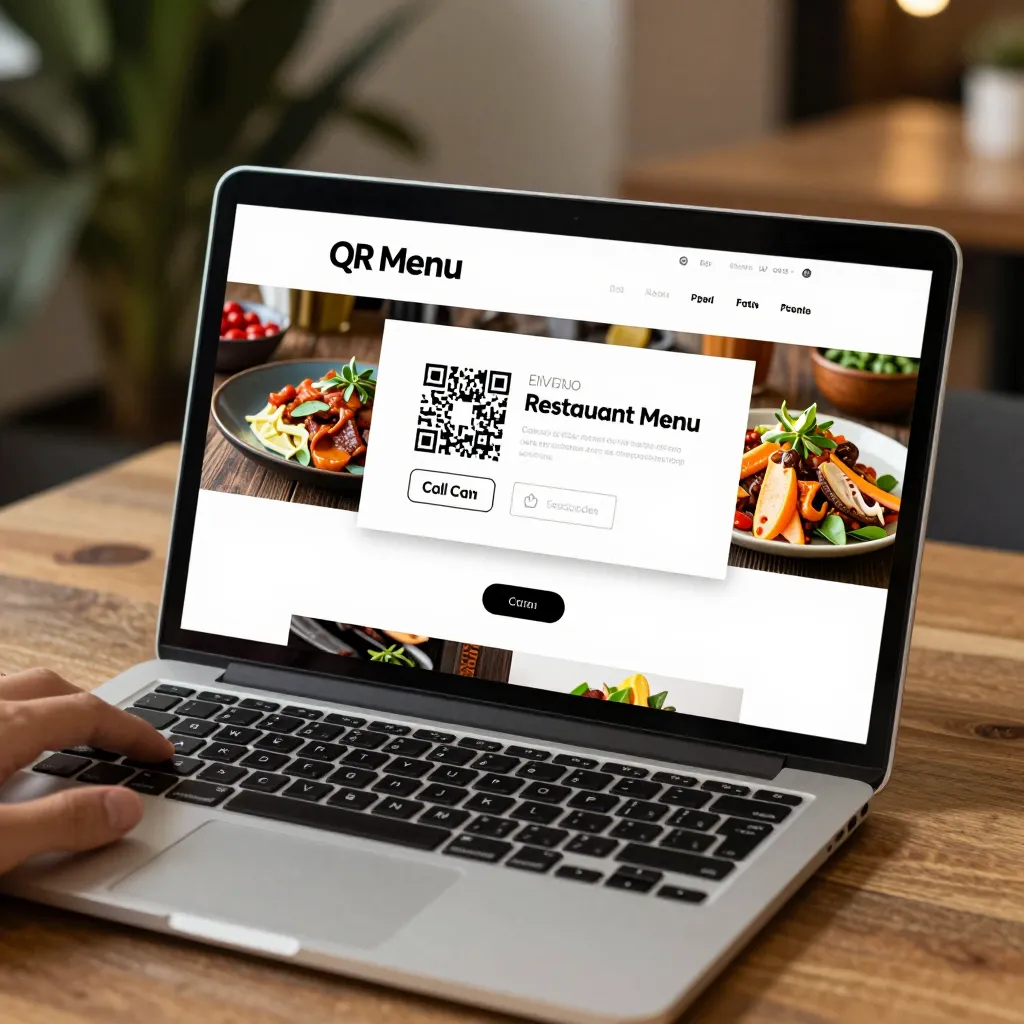
The Critical Role of Digital Menus in Modern Web Design
When a customer lands on your restaurant website, their journey is often split between two devices: the desktop or mobile site they are viewing, and the smartphone they are about to pull out to scan a QR code. If these two experiences do not align, you risk creating a disjointed brand narrative that confuses your guests. For restaurant owners, the integration of a digital QR menu is no longer just an operational convenience; it is a fundamental component of your web design strategy. A poorly integrated menu can lead to high bounce rates, while a seamless one can significantly increase average order value.
According to recent industry data, over 70% of restaurant orders are now placed via mobile devices. This statistic highlights that your website's mobile responsiveness is only half the battle. The other half is ensuring that the physical triggerthe QR codeleads to a high-converting, friction-free digital experience. When a guest scans a code, they expect instant access to your menu, not a slow-loading page or a confusing navigation structure. Your website serves as the command center, and the QR menu is the most critical interface for that command center.
Consider the scenario where a customer is standing at the entrance of your cafe. They see your website on their screen, perhaps looking for hours or location. They then scan a code on the door to view the menu. If the menu link does not load quickly or if the design feels disconnected from your main site, trust is eroded immediately. Conversely, a unified design language, consistent branding, and instant load times signal professionalism and care. This seamless transition from your website's informational pages to the interactive menu is what turns a casual browser into a loyal customer.
Optimizing Load Speeds for the Mobile-First Experience
Speed is the single most important technical factor in QR menu integration. When a customer scans a QR code, they are typically standing in a line, perhaps waiting for a table, or sitting in a noisy environment. They do not have the patience to wait for a heavy website to load. Studies show that for every second a site takes to load, conversion rates can drop by up to 7%. In the context of a digital menu, this means that a one-second delay could cost you a significant portion of your potential orders.
Many restaurant websites are bloated with heavy graphics, unoptimized videos, and complex scripts that are fine for a desktop browsing experience but disastrous for a mobile scan. To build a website that converts, you must prioritize lightweight image assets for your digital menu pages. Use WebP formats instead of heavy JPEGs, compress your images without losing quality, and minimize the use of auto-playing videos on the menu page itself. The menu page should be lean, focusing on text and optimized imagery that loads in under two seconds on a 4G connection.
Furthermore, the caching strategy of your website plays a vital role. Since your digital menu rarely changes drastically, you should implement aggressive caching for the menu page. This ensures that when a customer scans a code, their browser serves the content from a local cache rather than fetching it from your server every time. This is particularly important during peak dinner rushes when server load is high. By optimizing for speed, you demonstrate respect for your customer's time. A fast-loading menu reduces frustration, keeps customers engaged with the food options, and encourages them to add items to their cart before they lose interest or leave to order elsewhere.
Ensuring Universal Access and Dietary Transparency
One of the core values of the modern restaurant industry is inclusivity. Your website and digital menu must reflect this by ensuring universal access for all guests, regardless of their dietary needs or language barriers. A well-designed digital menu acts as a powerful tool for transparency, allowing customers to see exactly what they are ordering. This honesty builds trust and helps guests make informed decisions quickly, which is essential in a fast-paced dining environment.
To achieve this, your menu structure should go beyond just listing dish names and prices. Each item should include detailed ingredient lists, clearly marked allergens, and dietary tags such as "Vegetarian," "Vegan," "Gluten-Free," or "Dairy-Free." This level of detail is not just a nice-to-have; it is a necessity for safety and customer satisfaction. When a customer scans a QR code, they should be able to instantly filter or search for these dietary requirements without having to call the host stand or wait for a server explanation.
Moreover, consider the language aspect. If you serve a diverse community, your digital menu should support multiple languages. This feature removes barriers and ensures that every guest, regardless of their native tongue, knows exactly what they are eating. UpQR, for instance, facilitates this universal access by providing templates that make it easy to manage multiple languages and detailed descriptions. By integrating these features into your website, you create an inclusive environment where no one feels excluded. This transparency also helps prevent food waste, as customers can order with confidence knowing they will not be allergic to an ingredient or disappointed by a hidden component in the dish.
Designing for Frictionless Ordering and Upselling
The primary goal of integrating a QR menu into your website is to convert visitors into paying customers. To do this effectively, your design must focus on frictionless ordering and strategic upselling. A cluttered menu or one that forces customers to scroll endlessly will lead to cart abandonment. Instead, organize your menu logically with clear categories, intuitive search bars, and a streamlined checkout process. The path from viewing an item to completing the order should be as short as possible.
Real-world examples show that restaurants that utilize digital menus to suggest pairings or add-ons see a measurable increase in average order value. For instance, when a customer views a burger, the digital menu can immediately suggest a side of fries or a specific drink pairing. This is not just about selling more; it is about enhancing the dining experience by offering curated suggestions. However, these suggestions must be presented subtly, avoiding aggressive pop-ups that interrupt the user flow. The design should guide the customer naturally toward these add-ons rather than forcing them.
Another critical aspect is the checkout process. Many restaurant websites fail because they require customers to create an account or enter complex shipping details. For a dine-in or curbside pickup order, the checkout should be streamlined to require only essential information: table number or pickup time, payment details, and special instructions. Reducing the number of fields a customer must fill out directly correlates with higher conversion rates. By designing a checkout that feels effortless, you remove the psychological barriers that prevent customers from completing their purchase. This frictionless experience ensures that your website acts as a sales engine rather than a barrier.
Leveraging Data and Analytics for Continuous Improvement
Building a restaurant website that converts is not a one-time task; it is an ongoing process of refinement based on data. When you integrate a QR menu, you gain access to valuable insights that can help you improve your operations and marketing strategies. Analytics tools can tell you which menu items are most viewed, which sections of the menu cause the most drop-offs, and what time of day your customers are most likely to scan the code.
For example, if data shows that a specific section of your menu is rarely clicked, you might consider repositioning it or adjusting the pricing. If you notice that customers frequently search for "spicy" items, you might want to highlight your spicy options more prominently in the design. This data-driven approach allows you to make informed decisions about your menu offerings and marketing campaigns. It also helps you identify technical issues, such as broken links or mobile rendering errors, that might not be immediately obvious to the naked eye.
Furthermore, tracking the performance of your QR menu integration helps you understand customer behavior patterns. Are customers spending more time on the menu during lunch or dinner? Do they prefer browsing on weekends? This information can inform your inventory management and staffing schedules. By continuously monitoring these metrics, you ensure that your website remains relevant and effective. The ability to adapt quickly based on real-time data is a competitive advantage that separates successful restaurants from the rest. Your website becomes a living asset that evolves alongside your business needs, ensuring long-term growth and customer retention.
Conclusion: The Synergy of Design and Technology
In the competitive landscape of modern dining, your website is the digital face of your restaurant, and the QR menu is the gateway to your products. By integrating these two elements with a focus on speed, accessibility, and user experience, you create a powerful synergy that drives conversions. A well-designed digital menu eliminates paper waste, supports sustainability, and provides the transparency that customers demand. It ensures that every guest, regardless of language or dietary need, feels welcome and informed.
upQR stands at the forefront of this innovation, offering a platform that embodies these core principles. With upQR, you gain a solution that is not only technically robust but also ethically aligned with your mission to serve the community responsibly. Whether you are a bustling cafe or a fine dining establishment, the right QR menu integration can transform your website into a high-converting sales channel. Embrace the technology that puts your customers in control, respects their time, and delivers an honest, transparent dining experience. By adopting these strategies, you are not just updating your website; you are elevating the entire standard of your restaurant service.
Related Posts
Ready to create your digital menu?
Create your QR menu in minutes and reach your customers in any language.