7 Psychological Tricks to Boost Restaurant Menu Sales
Discover 7 proven psychological principles that restaurateurs use to influence behavior and increase sales. Learn how to apply these tricks with digital solutions like upQR.
U
upQR TeamRead in:
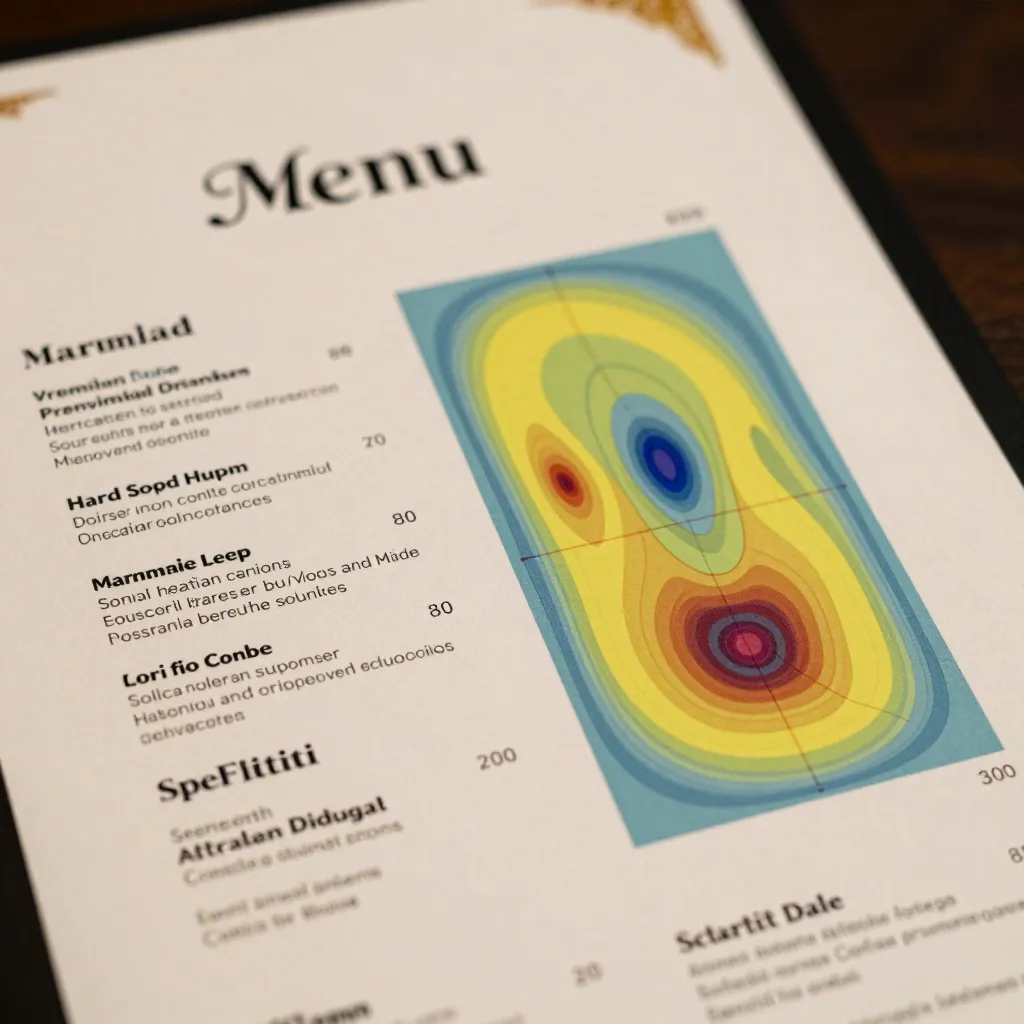
The menu is often referred to as the silent waiter of the dining experience. It does not speak, yet it dictates the choices customers make every single time they visit your establishment. Understanding the psychological triggers embedded within menu design can significantly impact your average check size and overall profitability. This guide explores seven proven psychological principles that restaurateurs use to influence behavior, with a specific focus on how digital solutions like upQR can help you implement these strategies effortlessly.
1. Strategic Placement and Eye Tracking
Human eye movement follows predictable patterns when scanning a document or screen. Most eyes scan a menu in a 'Z' shape or start from the top right corner. By placing your highest-margin items in these prime locations, you guide the customer's decision before they even realize it. For instance, if you want to sell a specific appetizer, place it in the top right corner or near the beginning of the list. A study by Cornell University found that items placed in the top right corner are selected 20% more often than those in the bottom left. This is why many restaurants highlight their signature dishes in this specific spot. When designing your digital menu, you have full control over this layout. You can easily drag and drop items to ensure your best sellers are always visible. This flexibility allows you to experiment with different placements to see what works best for your specific audience. You can also create dynamic sections that highlight seasonal items or daily specials. This ensures that your most profitable items are always front and center, maximizing your revenue per table.
2. Pricing Anchoring and Decoy Strategies
Pricing is one of the most powerful psychological tools in a menu. The decoy effect suggests that when customers are presented with a choice between a low-priced item and a high-priced item, they are more likely to choose the high-priced item if there is a middle option. For example, if you offer a $10 burger, a $15 burger, and a $20 burger, the $20 option often seems like a better value compared to the $10 option. However, if you offer a $12 burger and a $20 burger, the $20 burger looks expensive. The key is to anchor prices around a specific number. A $12 burger feels like a bargain compared to a $15 burger, but a $18 burger feels like a steal compared to a $20 burger. This is why many restaurants offer 'combo meals' that make the total price seem lower than ordering items separately. Digital menus allow you to adjust prices and descriptions instantly. You can run promotions that highlight the value of a combo meal without raising the price of individual items. This is particularly useful during holiday seasons or special events where you want to increase sales without alienating price-sensitive customers. You can also use decoy items to push customers toward higher-margin products. For example, you can offer a small side of fries for $2 and a large side for $5. The $5 option often seems like a better deal than the $2 option, even though the price difference is small. This subtle tactic can increase your average order value significantly.
3. Sensory Language and Appetite Stimulation
The words you use to describe food can trigger hunger responses in the brain. Words like 'juicy', 'crispy', 'tender', and 'smoky' evoke sensory experiences that make customers crave the dish. For example, describing a steak as 'pan-seared to perfection' sounds more appealing than 'fried'. Adjectives that suggest texture and flavor are crucial. A study showed that menus using sensory words increased sales by 15%. This is why you should avoid generic terms like 'delicious' and instead use specific descriptors. Digital menus allow you to A/B test different descriptions. You can try 'grilled' vs 'roasted' and see which one performs better. This level of granularity is impossible with static paper menus. You can also update descriptions based on customer feedback. If a customer complains about a dish being too dry, you can adjust the description to emphasize 'tender' or 'succulent' to set better expectations. This proactive approach to menu management can reduce complaints and increase customer satisfaction. By using vivid language, you create an emotional connection with the food, making it more desirable to the customer.
4. Visual Hierarchy and Font Psychology
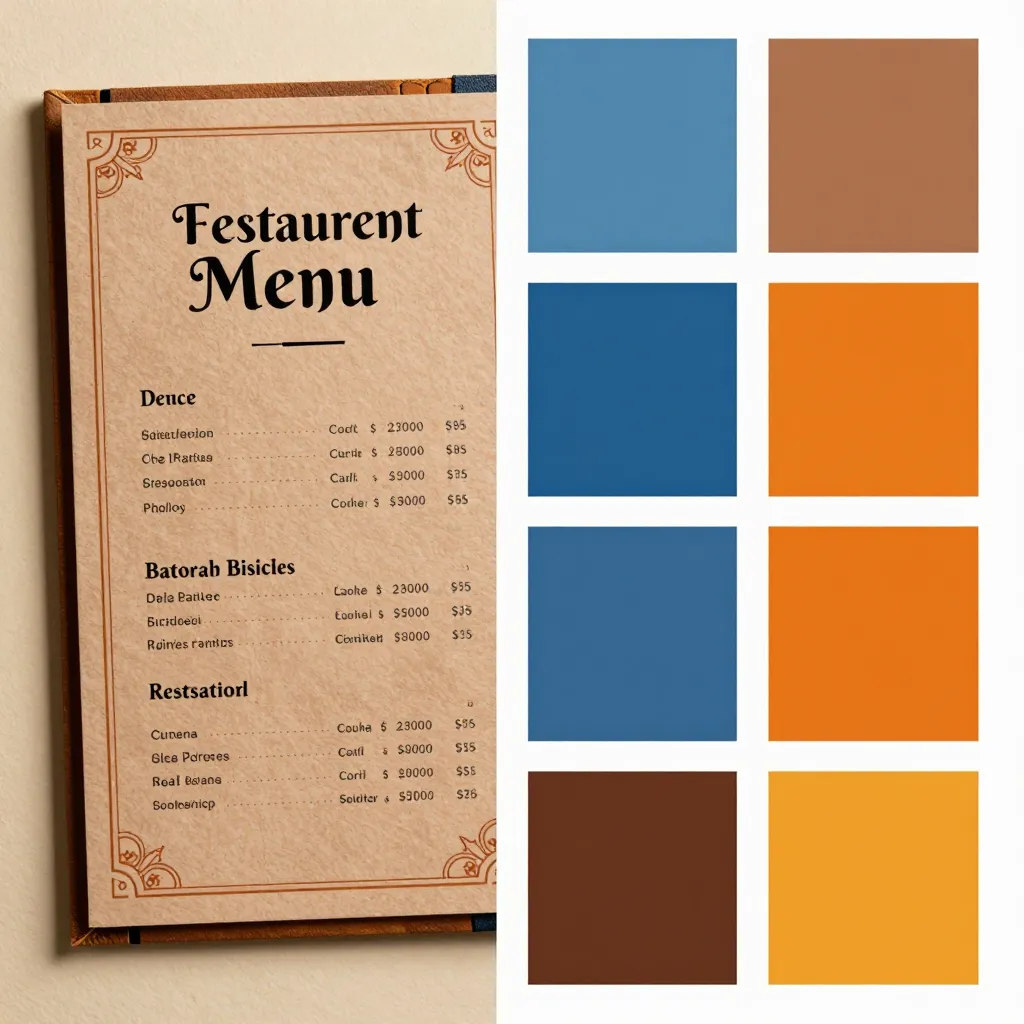
Fonts and spacing play a significant role in how customers perceive your menu. Serif fonts (like Times New Roman) are often perceived as more traditional and trustworthy, while sans-serif fonts (like Arial) are seen as modern and clean. However, readability is key. If the text is too small or crowded, customers will skip items. Use bolding to highlight key information like prices or special offers. Good spacing between items prevents visual clutter and makes the menu easier to read. A cluttered menu can overwhelm customers, leading to decision paralysis. Digital menus can automatically adjust font sizes and spacing based on the device used. This ensures a consistent experience across phones, tablets, and desktops. You can also use color to draw attention to specific items. For example, you can use a warm color like orange for appetizers to stimulate appetite. This visual hierarchy helps customers navigate the menu quickly and find what they want. By optimizing the visual layout, you reduce the time customers spend deciding and increase the likelihood of them ordering more items. This is especially important for digital menus where users have short attention spans and may leave if the interface is not user-friendly.
5. Scarcity Tactics and Limited Offers
Scarcity creates a sense of urgency. Phrases like 'Only 3 left' or 'Available for a limited time' trigger a fear of missing out (FOMO). This is particularly effective for seasonal items or daily specials. When customers know an item is running out, they are more likely to order it immediately. This is why many restaurants use 'daily specials' or 'chef's choice' items that change frequently. Digital menus make it easy to update availability. You can remove an item from the menu the moment it sells out, preventing customers from ordering something that isn't available. This reduces waste and improves customer satisfaction. You can also create limited-time offers that encourage customers to try new dishes. For example, you can promote a 'weekend special' that is only available on Fridays and Saturdays. This creates a sense of exclusivity and encourages customers to visit during specific times. By managing inventory in real-time, you can ensure that your menu always reflects what is available. This transparency builds trust with your customers and prevents frustration. Digital menus also allow you to create countdown timers for limited-time offers, adding to the urgency and excitement. This dynamic approach to menu management keeps your offerings fresh and engaging.
6. The Digital Advantage with upQR
While these psychological tricks can be applied to paper menus, digital solutions offer a level of flexibility that paper cannot match. upQR is a digital menu system that allows you to implement these strategies easily. You can update prices, descriptions, and availability in real-time. You can also run A/B tests to see which descriptions or layouts perform best. For example, you can test two different descriptions for a signature dish and see which one generates more orders. This data-driven approach allows you to optimize your menu continuously. Additionally, digital menus can integrate with your POS system to track sales and inventory automatically. This reduces the risk of overselling items or having to manually update the menu. By using upQR, you can ensure that your menu is always optimized for maximum sales and customer satisfaction. Mobile optimization is also critical. Many customers order food on their phones while walking down the street. A responsive digital menu ensures that the text is readable on small screens and that images load quickly. This seamless experience encourages impulse orders and increases conversion rates. You can also use push notifications to alert customers about new items or special offers. This keeps your brand top-of-mind and drives repeat visits. The ability to track customer behavior through digital menus provides valuable insights into what works and what doesn't. This information can be used to refine your menu offerings and improve the overall dining experience.
In conclusion, the menu is a powerful tool that goes beyond listing food and drinks. By applying psychological principles like strategic placement, pricing anchors, sensory language, visual hierarchy, scarcity, and digital optimization, you can significantly improve your sales and profitability. Digital solutions like upQR make it easy to implement these strategies and adapt them to changing market conditions. Whether you are a small cafe or a large restaurant, understanding these principles will give you a competitive edge. Start experimenting with these techniques today and watch your revenue grow. Building customer loyalty is also essential. A well-designed menu that respects customer preferences and offers value can turn one-time visitors into regular patrons. By consistently applying these psychological principles, you create a dining experience that is not only profitable but also memorable. The combination of smart design and digital tools empowers you to manage your menu with precision and insight. Embrace these strategies to transform your menu into a powerful revenue driver.
Related Posts
Ready to create your digital menu?
Create your QR menu in minutes and reach your customers in any language.
