
Restaurant Menu Pricing Strategies 2026 Guide
Master menu engineering, dynamic pricing, and digital transparency to boost margins in 2026. Discover how upQR helps you implement honest, sustainable pricing.
Why 2026 Demands a New Approach to Menu Pricing
The restaurant landscape is shifting dramatically as we move into 2026. With inflation stabilizing but labor costs remaining high, owners can no longer rely on simple cost-plus pricing models. Customers today are more informed, more conscious of sustainability, and increasingly skeptical of hidden fees or misleading descriptions. They expect a level of transparency that paper menus simply cannot provide. This is where digital solutions like upQR become not just a convenience, but a strategic necessity.
According to recent industry data, nearly 60% of diners have switched to a competitor after encountering unclear pricing or unexpected charges. In 2026, the penalty for lack of transparency is higher than ever. Guests want to know exactly what they are paying for: the quality of ingredients, the sustainability of the sourcing, and the ethical treatment of workers. A digital menu platform allows you to display this information openly, building trust before the first bite is even taken. By integrating full ingredient lists, allergen warnings, and clear pricing directly into your QR code, you eliminate the friction of "surprise costs" at the register.
Furthermore, the environmental consciousness of modern diners is influencing their spending habits. A significant portion of the market prefers establishments that minimize waste. Traditional paper menus contribute to a massive carbon footprint, often ending up in landfills before they are even read. By switching to a digital format, you align your pricing strategy with your brand values. You can offer discounts for customers who choose digital menus, effectively subsidizing the switch while promoting a greener future. This dual benefit of cost savings and environmental stewardship makes digital menu adoption a smart financial move for any forward-thinking restaurant.
Mastering Menu Engineering: The Art of Strategic Placement
Menu engineering is the science of arranging your items to maximize profitability while maintaining customer satisfaction. It involves analyzing which items drive traffic and which ones generate the most profit, then strategically placing them to guide customer choices. In 2026, this strategy must evolve to include ethical considerations. You can use your digital menu to highlight sustainable options or locally sourced ingredients alongside your high-margin items, ensuring that profitability never comes at the expense of your values.
The classic "golden triangle" of menu design remains relevant, but the execution has changed. In a physical menu, you might place a high-margin item next to a popular low-margin item to encourage upsells. On a digital upQR menu, you have the power to do this dynamically. You can create a "Chef's Pick" section that features items with excellent profit margins and high-quality ingredients, effectively steering customers toward choices that are both good for your bottom line and good for the planet.
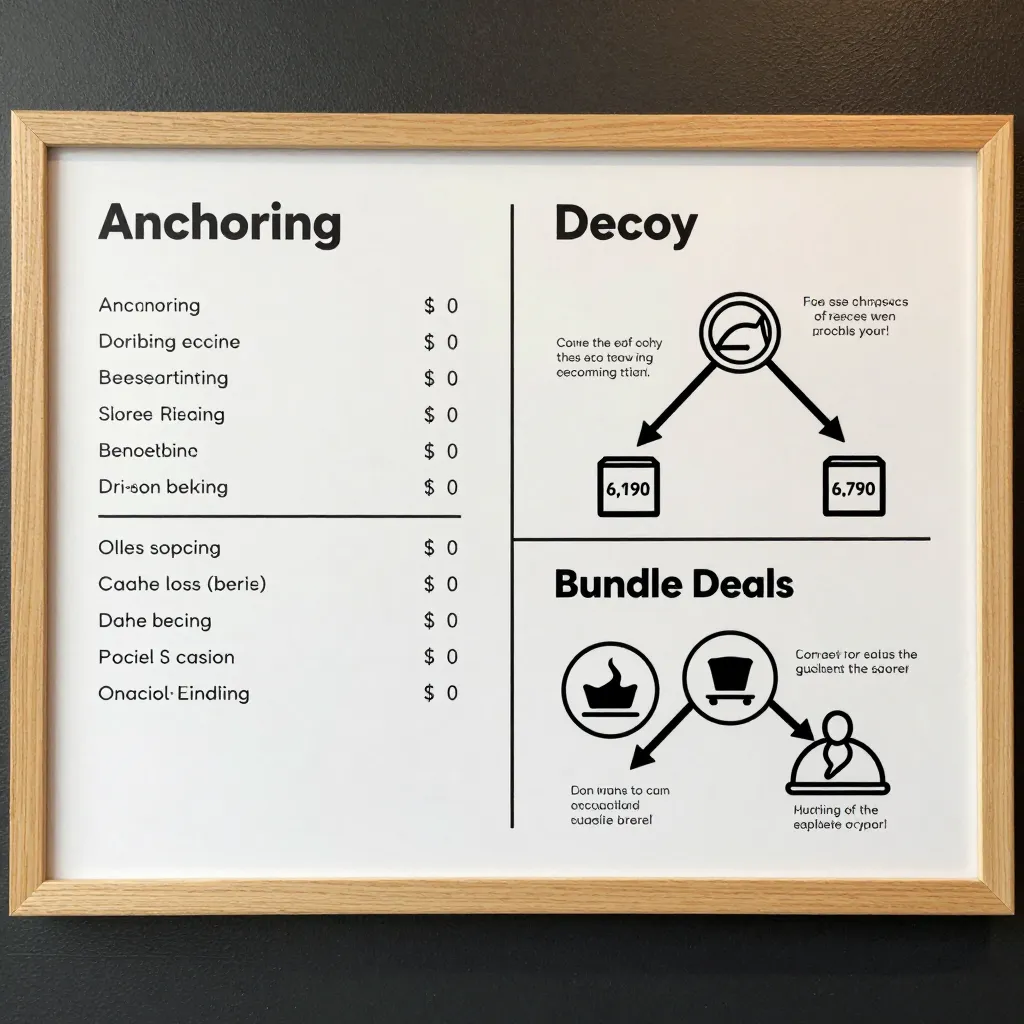
Consider the psychology of anchoring. When you display a very expensive item, it makes the moderately priced items look more reasonable. However, in 2026, this tactic must be balanced with honesty. If you anchor with a premium item, you must clearly label its premium ingredients and sourcing. For example, if you have a steak priced at $45, you can transparently list the specific cut and the farm it comes from. This builds trust. If a customer sees a lower-priced option, they feel confident they aren't being misled, knowing that the price difference reflects the quality difference rather than a markup on cheap meat.
Another powerful tool is the use of visual cues. Digital menus allow you to use icons and badges to categorize items. You can label items with "High Margin," "Sustainable Choice," or "Local Favorite." This helps customers make decisions quickly without feeling manipulated. It empowers them to choose based on their values, knowing that the restaurant is being upfront about the nature of the food. This approach fosters a relationship of honesty, where the customer feels respected and informed, leading to higher loyalty and repeat visits.
Leveraging Dynamic Pricing and Time-Based Adjustments
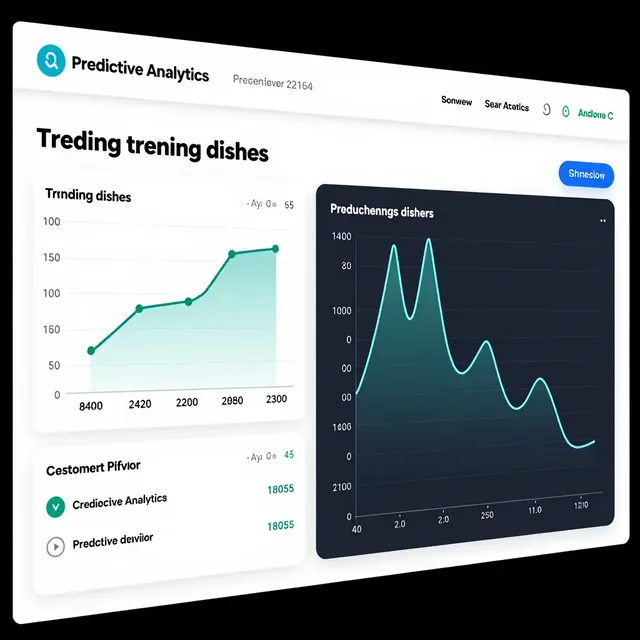
Static pricing is becoming a relic of the past. In 2026, the most successful restaurants are adopting dynamic pricing models that adjust based on demand, time of day, and inventory levels. This is not about raising prices arbitrarily; it is about optimizing revenue without alienating customers. Digital platforms like upQR make this seamless. You can update prices in real-time if you are running low on a specific ingredient or if demand for a particular dish spikes during a busy weekend.
Time-based pricing is another area where digital menus shine. You can offer happy hour specials that are automatically updated on the screen, or introduce early-bird discounts to encourage diners during slower periods. For instance, a cafe might offer a 20% discount on pastries between 7 AM and 9 AM. With a digital menu, this discount is visible immediately, and the customer sees exactly what they are saving. This transparency is key. There is no confusion about whether a deal is still active, which was a common issue with printed placemats or flyers.
Inventory management is also a crucial factor. If you have a surplus of seasonal produce, you can highlight it on your digital menu with a special price tag. This reduces waste and lowers your overall food costs. Conversely, if an item is selling out fast, you can adjust the price slightly to manage demand or simply remove it from the digital display to prevent disappointment. The ability to react instantly to these variables gives you a competitive edge. You are no longer at the mercy of fixed costs; you are actively managing your revenue stream with agility and precision.
The Power of Transparency: Building Trust Through Honesty
Transparency is no longer a nice-to-have feature; it is a core expectation of the modern diner. Customers want to know where their food comes from, how it is prepared, and exactly what they are paying for. A digital menu allows you to provide this level of detail without cluttering the design. You can include a dedicated section for allergens, dietary restrictions, and sourcing information.
Imagine a customer with a severe nut allergy walking into a restaurant. On a paper menu, they might have to ask the server, hope the server remembers, or risk an accident. On an upQR menu, the allergen information is right there, clearly marked for every single item. This safety and clarity build immense trust. When customers feel safe and informed, they are more likely to order confidently and spend more.
Similarly, transparency extends to pricing. Hidden fees, such as automatic gratuities added without explanation or confusing service charges, are a major source of customer frustration. A digital menu can clearly break down the cost of an item, showing the base price and any applicable taxes or fees upfront. This eliminates the shock at the checkout counter. When customers understand the full cost of their meal before they order, they feel more in control and less likely to feel cheated.
This honesty also applies to the sustainability aspect of your business. You can proudly display your commitment to reducing waste. For example, you can explain that your digital menu saves thousands of trees annually. You can list the percentage of your ingredients that are locally sourced. These details might seem small, but they resonate deeply with a generation that cares about the planet. By being honest about your efforts to be green, you attract a specific type of customer who is willing to pay a premium for responsible business practices.
Implementing Digital Menus to Streamline Operations
Adopting a digital menu system like upQR is not just about changing the way customers order; it is about streamlining your entire operation. For restaurant owners, the transition to a digital-first approach offers significant operational benefits. First and foremost, it reduces the cost of printing and distribution. No more wasting money on reprints when you need to update a price or change a special. Updates are instant. If a dish is out of stock, you can remove it from the menu with a single click, preventing order errors and kitchen stress.
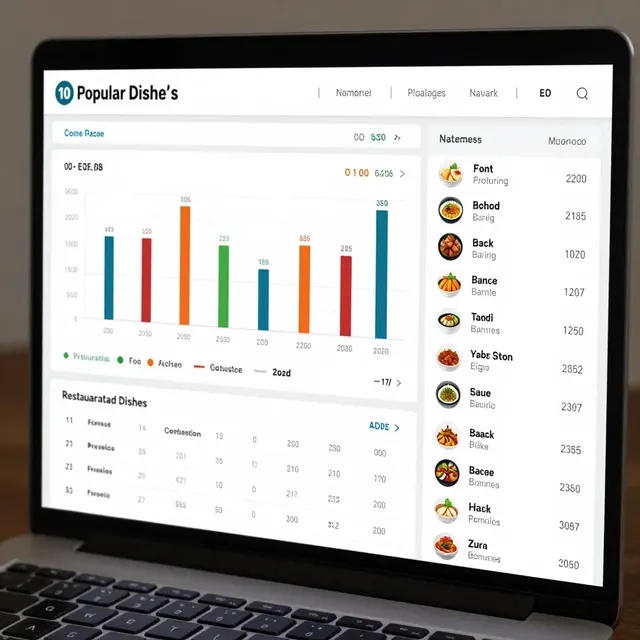
Analytics are another game-changer. With a digital menu, you can track exactly which items are being viewed, ordered, and abandoned. This data provides valuable insights into customer behavior. Perhaps a popular dish has a high view count but a low order rate, indicating a price issue or a confusing description. Perhaps a new sustainable item is being overlooked. Armed with this data, you can make informed decisions about your menu mix and pricing strategy.
Finally, a digital menu ensures consistency across all locations. If you have a franchise or multiple branches, ensuring that every location has the same menu and pricing is a logistical nightmare with paper. With upQR, you can manage your menu centrally. Update a price in the cloud, and it reflects on every screen instantly. This consistency builds brand reliability. Customers know exactly what to expect, regardless of which location they visit, reinforcing the promise of transparency and accuracy that defines your brand.
Conclusion: Future-Proofing Your Restaurant with upQR
As we navigate the complexities of 2026, the most successful restaurants will be those that embrace change while staying true to their core values. Pricing strategies must be dynamic, transparent, and aligned with customer expectations for sustainability and honesty. The guide to restaurant menu pricing in 2026 is clear: leverage technology to your advantage.
upQR provides the perfect platform to implement these strategies. It offers a seamless transition to digital menus that save money, reduce waste, and enhance the customer experience. With upQR, you can easily manage dynamic pricing, display detailed allergen and ingredient information, and track performance data to optimize your menu engineering. By choosing upQR, you are not just adopting a new tool; you are committing to a future where restaurants are more honest, more sustainable, and more profitable. Start your journey toward a smarter, more transparent business today.
Related Posts
Ready to create your digital menu?
Create your QR menu in minutes and reach your customers in any language.