
Cut Food Waste by 25%: The Digital Menu Power
Discover how switching to digital menus slashes food waste, saves money, and protects your restaurant's environment through smarter ordering.
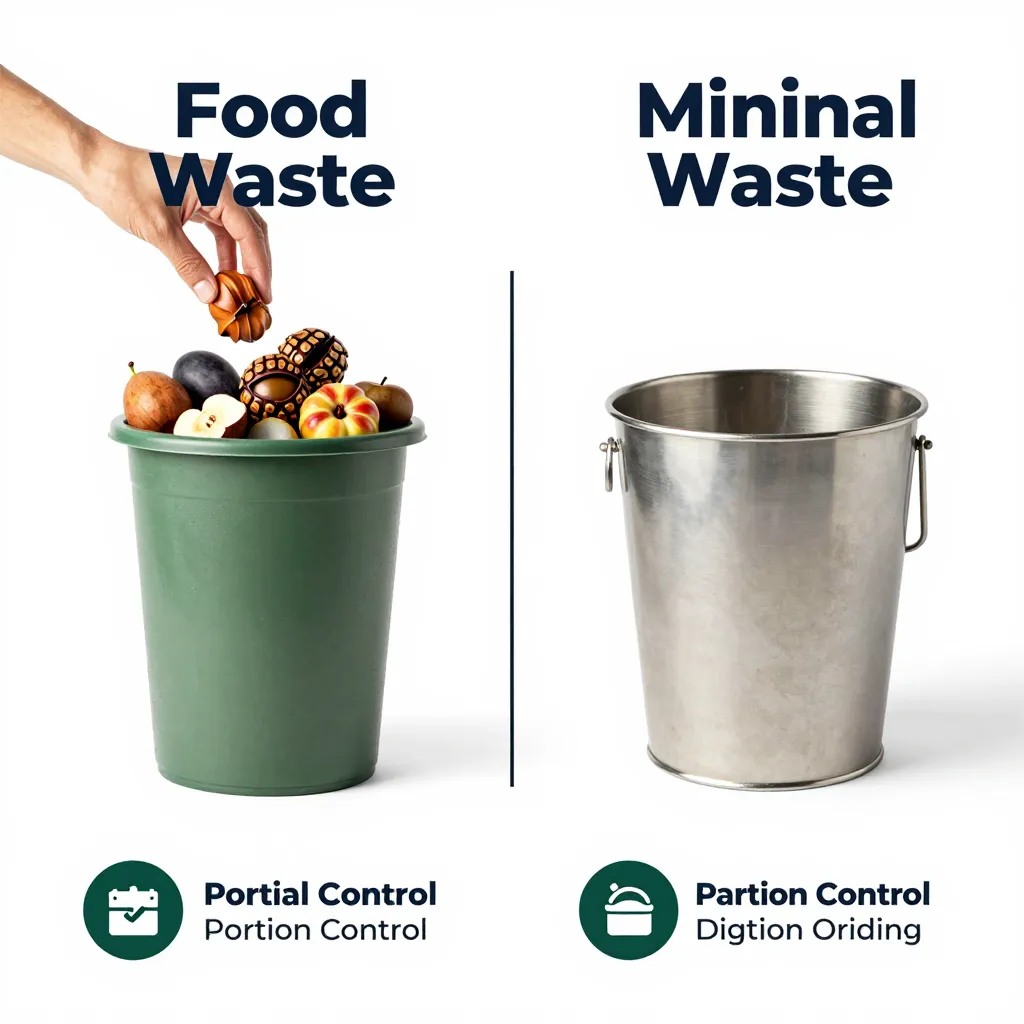
Understanding the Hidden Cost of Paper Menus on Food Waste
When a restaurant owner looks at their monthly P&L, they often focus on the obvious costs: rent, labor, and food inventory. However, a significant portion of operational waste stems from the very tools used to present the menu. Traditional paper menus are not just static displays; they are active contributors to food waste, inventory spoilage, and inconsistent ordering patterns. By switching to a digital solution like upQR, restaurants can immediately begin to address these inefficiencies.
The environmental impact is staggering. The restaurant industry is responsible for approximately 10-15% of global greenhouse gas emissions, largely due to food waste and paper production. Every paper menu printed represents trees cut down, water consumed, and energy used for printing and distribution. When these menus sit on tables for days before being recycled or thrown away, the waste compounds. Furthermore, paper menus often lead to customer confusion. If a description is vague or the photo is misleading, customers order incorrectly, leading to high return rates and wasted food.
UpQR addresses this by providing a dynamic platform where information is always accurate. Unlike paper, which becomes outdated the moment the chef changes a recipe or adjusts a price, upQR ensures that every customer sees the current state of the kitchen. This transparency eliminates the "ghost menu" problem where customers order items that are out of stock or have been modified. When the kitchen receives an order for an item that has already been flagged as unavailable on the digital screen, the chef can immediately pivot, preventing the preparation of food that will inevitably be thrown away.
How Digital Menus Optimize Inventory and Ordering Accuracy
The primary mechanism by which digital menus reduce food waste is through real-time inventory management and data-driven decision-making. In a traditional setup, a waiter might verbally inform a table that a specific dish is "low" or "out." However, human memory is fallible, and communication breaks down under pressure. A customer might still order the item, expecting it to be available. When the kitchen realizes the mistake after prep has begun, the food is wasted. With upQR, inventory updates are instantaneous. If a supplier delivery is delayed or a specific ingredient runs out, the manager can toggle an item to "unavailable" with a single click.
This immediacy changes the psychology of the dining experience. Customers on digital menus are more likely to see the current status of items. When a dish is marked as "temporarily unavailable" with a clear reason, customers are less likely to order it, and the kitchen stops prep work immediately. This directly correlates to reduced food waste. Studies suggest that improving order accuracy by just 10% can significantly lower waste percentages. For a mid-sized restaurant serving 100 covers a day, reducing return rates from 5% to 2% due to better menu clarity can save hundreds of pounds of food annually.
Furthermore, digital menus allow for dynamic content that guides customer choices toward sustainable options. Instead of passively listing every item, restaurants can use upQR to highlight seasonal ingredients or dishes made with leftover produce. For example, if a chef has a surplus of carrots, they can create a special "Carrot of the Day" on the digital menu with a brief note about sustainability. This proactive approach turns potential waste into a selling point, encouraging customers to try new things while supporting the restaurant's waste reduction goals. It transforms the menu from a static list into an active tool for inventory management.
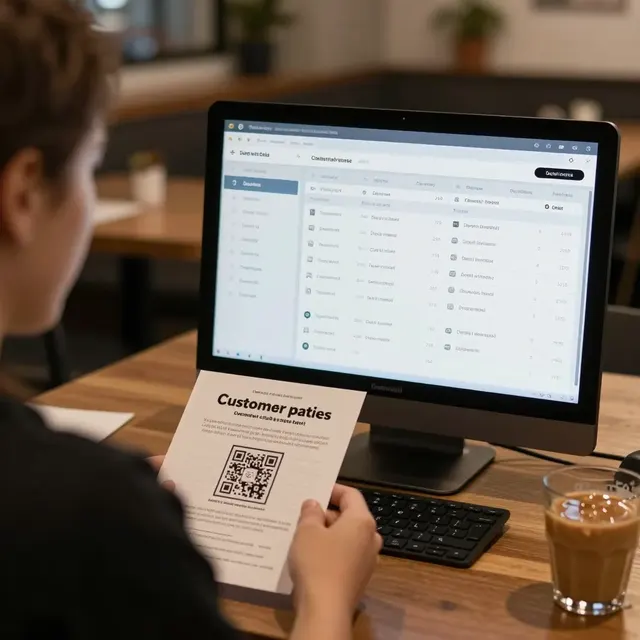
Eliminating the "Menu Change Lag" and Its Financial Impact
One of the most expensive inefficiencies in the restaurant industry is the lag time between a menu change and its implementation. In a paper-based system, changing a menu involves reprinting hundreds of copies, distributing them to locations, and waiting for them to be placed on tables. During this week or two of transition, the restaurant is stuck with obsolete information. Customers order based on old photos or descriptions that no longer match the food being served. This disconnect leads to dissatisfaction and waste.
UpQR eliminates this lag entirely. When a chef decides to swap a traditional steak for a plant-based alternative or adjust the spice level of a signature sauce, the change is reflected on every device instantly. This capability is crucial for maintaining high standards of honesty and accuracy, core values of the upQR mission. Customers trust that what they see is what they get. This trust reduces the likelihood of disputes and returns, which are major sources of waste. Moreover, the ability to A/B test menu items digitally allows restaurants to understand what sells best without printing multiple versions of a menu to test in different locations. If a dish consistently underperforms and sits in the fridge, the digital menu can be updated to remove it or reposition it, helping the kitchen manage its stock more effectively.
Consider the scenario of a seasonal menu update. A restaurant might want to introduce summer salads while removing heavy winter stews. With paper menus, this transition is messy and prone to error. With upQR, the manager can set the new menu to go live at the start of the season. The system can even be configured to show the old menu items with a "no longer available" badge until they are fully sold off, providing a clear signal to both staff and customers. This seamless transition ensures that the kitchen only prepares food that is currently intended to be sold, drastically cutting down on spoilage associated with old inventory.
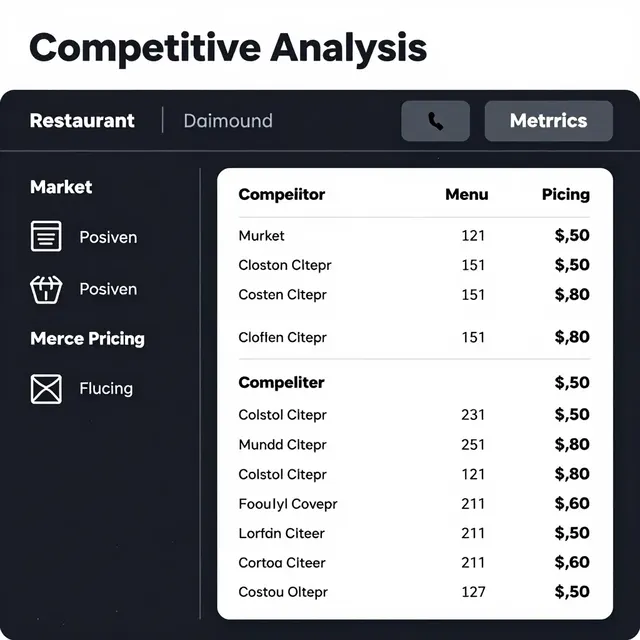
Leveraging Data to Drive Sustainable Menu Engineering
Food waste is often a mystery until the end of the night, but digital menus provide the data needed to solve it. upQR platforms often come equipped with analytics that track exactly what is ordered, at what time, and by whom. This data empowers restaurant owners to practice "menu engineering" with precision. Instead of guessing which dishes are popular, owners can see real-time metrics. If a specific appetizer is rarely ordered but takes up significant fridge space, the owner can make an informed decision to remove it or feature it more aggressively.
By analyzing peak hours and ordering patterns, restaurants can adjust their prep levels accordingly. For instance, if data shows that a particular pasta dish is ordered heavily between 6 PM and 8 PM but rarely after 9 PM, the kitchen can adjust its prep schedule to match demand. This prevents the common issue of having fresh food left over at the end of the night, which must be discarded. The transparency provided by digital menus also allows for better communication between the front of house and the back of house. When a server sees a customer hesitating over a menu item, they can suggest alternatives that are currently in high demand and have low waste risk, effectively guiding the customer to a sustainable choice without feeling pushy.
Furthermore, the ability to categorize items and add detailed descriptions helps manage customer expectations. Detailed ingredient lists allow customers to avoid allergens, reducing the risk of food being prepared and then thrown away due to safety concerns. When customers feel confident about their order because of the transparent information provided, they are less likely to return it. This confidence is built on the foundation of honesty and accuracy, principles that upQR stands for. By fostering a culture of trust, restaurants can create a dining environment where waste is minimized through clear communication and informed choices.
Practical Steps to Implement a Waste-Reducing Digital Strategy
Transitioning to a digital menu system is more than just swapping paper for screens; it is a strategic shift in how a restaurant operates. Here are practical steps to maximize waste reduction:
- Conduct a Waste Audit: Before switching, track your current waste for two weeks. Identify the top three items that are thrown away most frequently. Are they due to over-prepping, customer returns, or spoilage? Use this data to set specific reduction goals with your new upQR menu.
- Standardize Your Descriptions: Use upQR to write clear, concise descriptions that highlight ingredients and preparation methods. Avoid vague terms that lead to confusion. Be transparent about substitutions to manage expectations and reduce returns.
- Implement Real-Time Alerts: Train your staff to use the upQR admin panel to mark items as "unavailable" immediately when an ingredient is low. Do not wait for the item to be completely out. This small delay in communication can save a significant amount of food.
- Create "Chef's Specials" for Surplus: Use the digital menu to create dynamic specials that utilize ingredients nearing their expiration date. Highlight these items with a story about sustainability to encourage customers to choose them.
- Review Analytics Weekly: Check your ordering data every week. If an item has a high return rate or low popularity, adjust the menu or the recipe. Continuous improvement is key to long-term waste reduction.
By integrating these practices, restaurants can transform their operational workflow. The shift to digital is not just an environmental gesture; it is a financial imperative. Reducing waste directly improves the bottom line, allowing funds to be reinvested into quality ingredients, better staff training, or community initiatives. The combination of upQR's technology and a commitment to sustainability creates a virtuous cycle where every order placed is more likely to be the right order, reducing the burden on the environment and the business alike.
Related Posts
Ready to create your digital menu?
Create your QR menu in minutes and reach your customers in any language.