
Drive-Through QR Codes: Speeding Up the Line
Discover how digital QR menus transform drive-thru operations, reduce wait times, and boost revenue for modern restaurants.
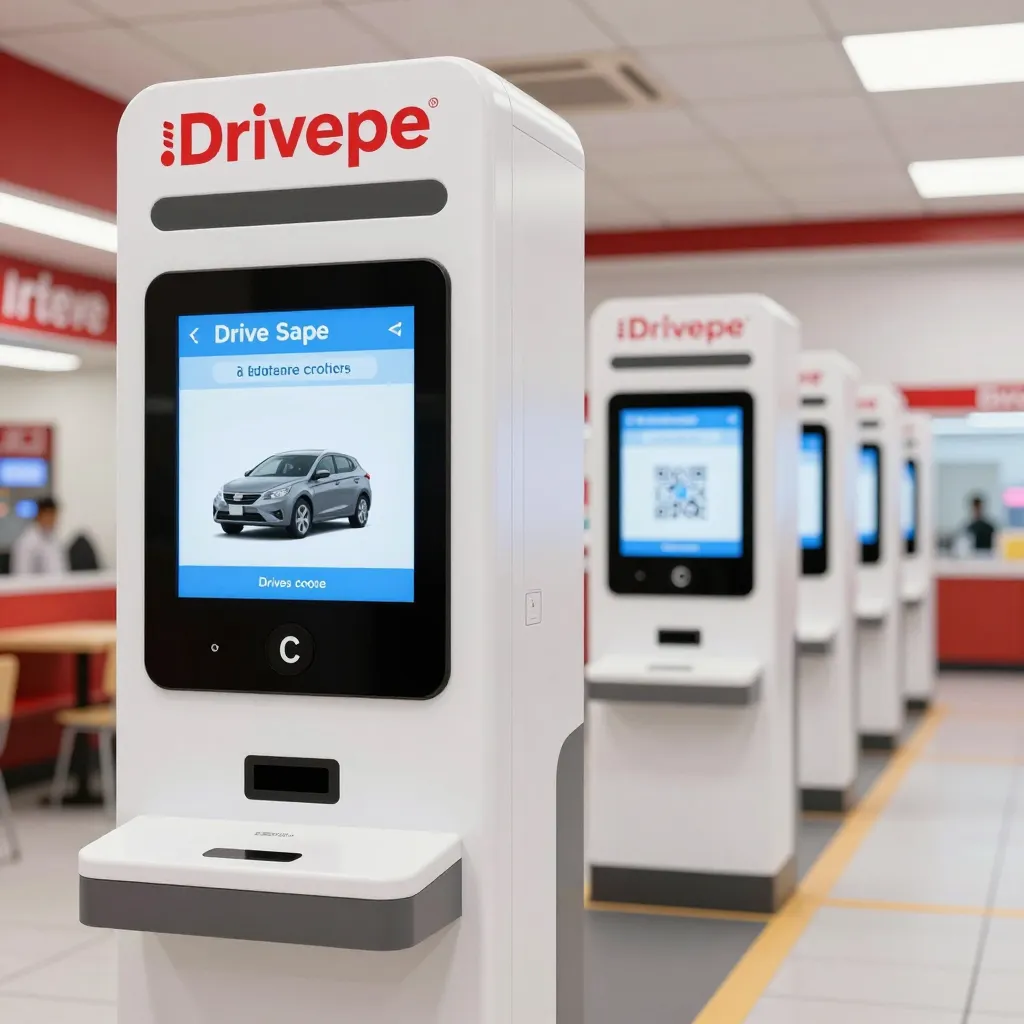
Transforming the Drive-Thru Experience with Digital Menus
The traditional drive-thru model has long been a bottleneck for restaurant efficiency. Customers wait in their cars, drivers struggle to read small printed menus from their vehicles, and staff often face errors when taking orders over the phone. This friction leads to longer wait times, increased frustration, and potential loss of revenue. The solution lies in the seamless integration of digital QR codes, a technology that is rapidly reshaping the fast-food and casual dining landscape. By replacing static paper menus with dynamic, scannable QR codes, restaurants can create a fluid ordering process that keeps cars moving and customers happy.
According to industry reports, the average drive-thru wait time in the United States hovers around 7 to 10 minutes. However, this time can easily balloon to 15 minutes or more during peak hours or when staff are overwhelmed. When customers cannot read the menu clearly or when there are communication gaps between the car and the window, the line slows down. A digital QR menu eliminates these physical barriers. It allows drivers to view high-resolution images of food, check nutritional information, and place their orders instantly from their smartphones. This shift not only speeds up the process but also empowers the customer to make informed decisions without relying entirely on the staff to read items aloud.
Eliminating the "Menu Reading" Bottleneck
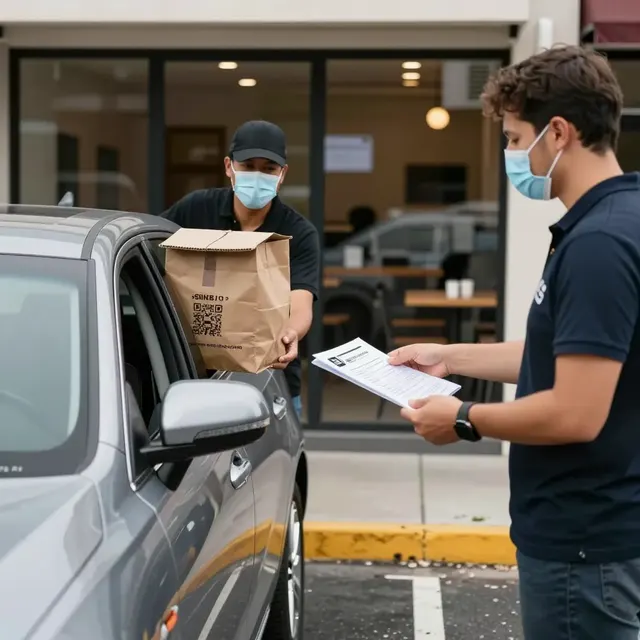
One of the most significant advantages of implementing a QR code system in a drive-thru is the removal of the "menu reading" bottleneck. In a traditional setup, a driver must pull up next to the window, wait for a staff member to read the menu, or squint at a faded, small print. This interaction takes time and requires precise positioning. With a QR code, the driver can scan the code from a safe distance, often before even reaching the window. The menu loads instantly on their device, allowing them to browse options while still in the queue.
This shift changes the dynamic of the drive-thru entirely. Instead of the customer being passive and waiting for information, they become active participants in the ordering process. They can customize their meals, add extras, or select sides without interrupting the flow of traffic. For restaurant owners, this means that the staff at the window can focus on the transaction-processing the payment and handing over the food-rather than reading a menu or clarifying order details. This division of labor significantly reduces the time each car spends at the window. Studies suggest that digital ordering can reduce drive-thru transaction times by up to 30%, a critical metric that directly impacts customer satisfaction and the ability to handle high volumes during lunch rushes or weekend brunches.
Enhancing Accuracy and Reducing Order Errors
Order accuracy is a persistent challenge in the food service industry, particularly in high-volume environments like drive-thrus. Misheard instructions, forgotten toppings, or misread menu items can lead to wrong orders, which result in wasted food, re-preparation costs, and unhappy customers. Human error is inevitable when staff are juggling multiple conversations, but technology can mitigate this risk. Digital QR menus provide a clear, visual interface where customers can select exactly what they want. They can tap checkboxes for "no onions," "extra cheese," or "vegan sauce," ensuring that their specific preferences are recorded digitally.
Furthermore, digital menus can include real-time availability information. If a specific ingredient is out of stock, the system can automatically hide that item or display a note, preventing the staff from promising an item they cannot deliver. This transparency builds trust and prevents the awkward situation where a customer discovers their order is wrong upon receipt. By automating the selection process, restaurants can achieve near-perfect order accuracy. This reduction in errors not only saves money on waste but also enhances the brand's reputation for reliability. Customers appreciate the honesty and clarity of a system that shows exactly what is being ordered, aligning perfectly with the values of transparency and accuracy that define modern food service standards.
Operational Efficiency and Staff Optimization
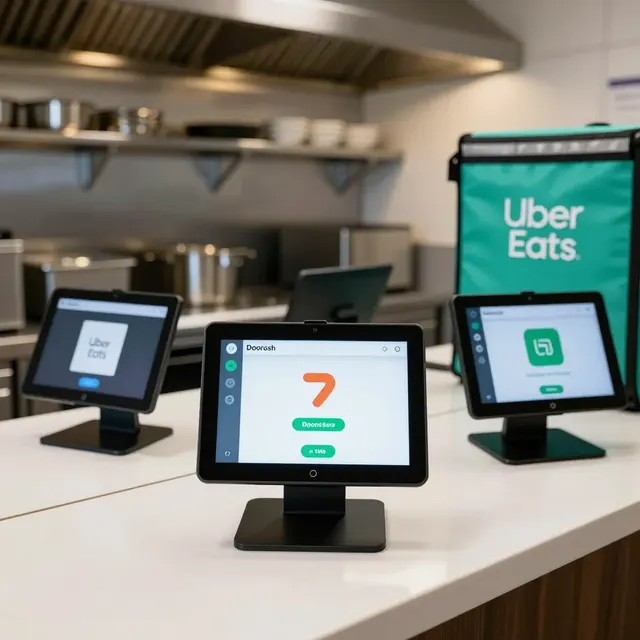
For restaurant managers and owners, the operational benefits of QR code integration extend beyond just the customer experience. Staff optimization is a key driver of profitability. When the burden of reading menus and taking initial orders is removed, employees can be redeployed to more critical tasks. In a busy drive-thru, the staff at the window often acts as a liaison between the kitchen and the customer. With a digital system, the order is sent directly to the kitchen display system (KDS) the moment the customer scans the code and selects their items. This eliminates the need for a staff member to manually transcribe an order or shout instructions to the kitchen.
This streamlined workflow allows for better staff scheduling. Restaurants can potentially reduce the number of staff required at the window during peak times or reallocate them to food preparation or customer service roles. For example, a manager might decide to have one staff member dedicated solely to the payment terminal and food handoff, while another handles the greeting and order confirmation, knowing that the digital menu handles the complex selection part. This flexibility is invaluable during unexpected rushes or when dealing with staff shortages. Additionally, digital menus allow for easy updates. If a restaurant wants to introduce a new seasonal item or remove a dish due to supply chain issues, the change can be made instantly from a central dashboard. There is no need to reprint menus or physically replace signage, saving both time and money on printing costs.
Building Brand Loyalty and Supporting Sustainability
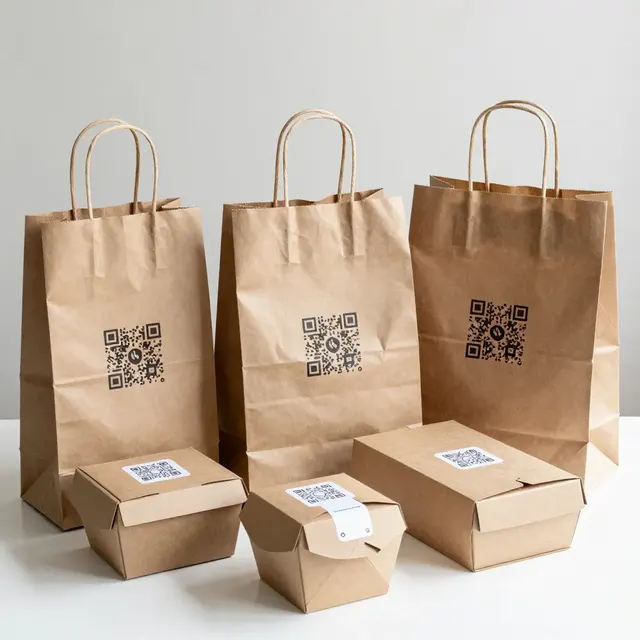
The adoption of QR codes in drive-thrus also aligns with broader business goals such as sustainability and brand loyalty. In an era where consumers are increasingly environmentally conscious, eliminating paper waste is a powerful statement. Traditional drive-thru menus are often printed on single-use paper that ends up in landfills after a few uses. A digital QR code, on the other hand, is static and reusable. A single QR code printed on a sign can be used thousands of times without degradation, significantly reducing the restaurant's carbon footprint. This commitment to sustainability resonates with modern diners who value eco-friendly practices. By choosing a digital solution, restaurants demonstrate their dedication to protecting the environment, which can enhance brand image and attract a wider customer base.
Beyond sustainability, digital menus offer a platform for engagement and loyalty. Restaurants can embed loyalty program sign-ups, special promotion codes, or links to their social media pages directly within the QR menu interface. When a customer scans the code, they are greeted with a personalized experience that can include recommendations based on past orders or current seasonal offers. This level of interaction fosters a deeper connection between the brand and the customer. It turns a mundane transaction into an opportunity to build a relationship. For instance, a customer who frequently orders a specific burger can see a notification about a new topping or a limited-time offer relevant to their taste. This targeted approach not only increases sales but also encourages repeat visits. The ability to present honest, accurate information-such as detailed allergen lists and nutritional facts-also supports inclusivity, ensuring that customers with dietary restrictions feel safe and welcome.
Implementing the Future of Drive-Thru Service
Transitioning to a QR code-based drive-thru system is a strategic move that addresses multiple pain points simultaneously. It speeds up lines, reduces errors, optimizes staff, supports sustainability, and enhances customer engagement. However, successful implementation requires careful planning. Restaurants should ensure that the QR codes are placed in visible, high-traffic areas where drivers can easily scan them without straining their necks or risking safety. The menu interface must be mobile-friendly, loading quickly on various devices, including older smartphones. High-quality images are essential to entice customers and help them visualize their orders.
When selecting a platform, look for solutions that offer robust analytics. Understanding which items are popular, where customers drop off in the ordering process, and how long they spend on the menu can provide valuable insights for menu engineering and operational adjustments. Platforms like upQR provide the necessary infrastructure to manage these digital menus with ease, ensuring that the technology serves the business rather than complicating it. By embracing digital innovation, restaurants can future-proof their operations against changing consumer expectations and operational challenges. The drive-thru of the future is not just about speed; it is about creating a seamless, transparent, and efficient experience that respects the customer's time and values. For restaurant owners ready to take the next step, integrating a digital QR menu is no longer just an option-it is a necessity for remaining competitive in a fast-evolving industry.
Related Posts
Ready to create your digital menu?
Create your QR menu in minutes and reach your customers in any language.