
Mastering QR Pool-Side Ordering for Beach Clubs
Discover how top beach clubs use QR pool-side ordering to reduce wait times, eliminate paper waste, and ensure guests get accurate, transparent menus instantly.

Revolutionizing the Resort Dining Experience with Digital Menus
The traditional beach club experience is defined by relaxation, sun-soaked loungers, and the gentle sound of waves. However, the logistics of serving food and drinks in this environment present unique challenges. Guests often struggle to find a server when the pool area is crowded, or they must wait long periods for their order to be taken. This friction disrupts the relaxation factor that defines the resort experience. Digital QR menu solutions have emerged as the definitive answer to these operational hurdles, transforming how beach clubs manage service.
For resort managers and restaurant owners, implementing a digital ordering system is no longer just a trend; it is a necessity for maintaining high standards of service. By replacing static paper menus with dynamic digital displays, establishments can offer a seamless experience that aligns with modern traveler expectations. Guests can browse a curated selection of cocktails, fresh salads, and light bites directly from their smartphones without needing to flag down staff.
The impact of this technology extends beyond convenience. It allows kitchen teams to manage high-volume orders more efficiently, reducing the likelihood of errors during peak sunset hours. When guests can see real-time availability of ingredients, it prevents disappointment and builds trust. This level of transparency is crucial for beach clubs that pride themselves on serving fresh, locally sourced ingredients. A digital menu ensures that if a specific fruit is out of season or a shellfish is not yet harvested, the information is updated instantly, maintaining the integrity of the brand promise.
Eliminating Waste and Enhancing Sustainability in Coastal Settings
Beach clubs and resort restaurants occupy some of the most environmentally sensitive locations on Earth. The last thing any responsible establishment wants is to contribute to plastic pollution or deforestation through excessive paper usage. Traditional menus, especially those printed on thick cardstock or laminated in plastic, often end up discarded after a single use or left to weather in the sun, degrading into microplastics. Adopting a QR code-based menu system immediately addresses this environmental concern.
By switching to a digital solution, beach clubs can significantly reduce their carbon footprint. A single QR code printed on a reusable stand or even a small, weather-resistant card can serve thousands of guests over the lifetime of the resort. This aligns perfectly with the growing demand from eco-conscious travelers who actively seek out sustainable accommodations. Statistics from the hospitality industry suggest that establishments with strong sustainability practices see higher customer retention rates and positive online reviews.
Furthermore, digital menus allow for dynamic content updates that further support sustainability efforts. Instead of printing new menus for every seasonal change or menu update, the digital platform can reflect the current offerings instantly. This means less waste generated by outdated printed materials sitting on tables. It also opens the door for resorts to display sustainability initiatives directly on the menu, such as highlighting dishes made with zero-waste ingredients or explaining the origin of local seafood. This transparency educates guests and reinforces the resort's commitment to protecting the coastal ecosystem.
Ensuring Universal Access and Dietary Clarity for Every Guest
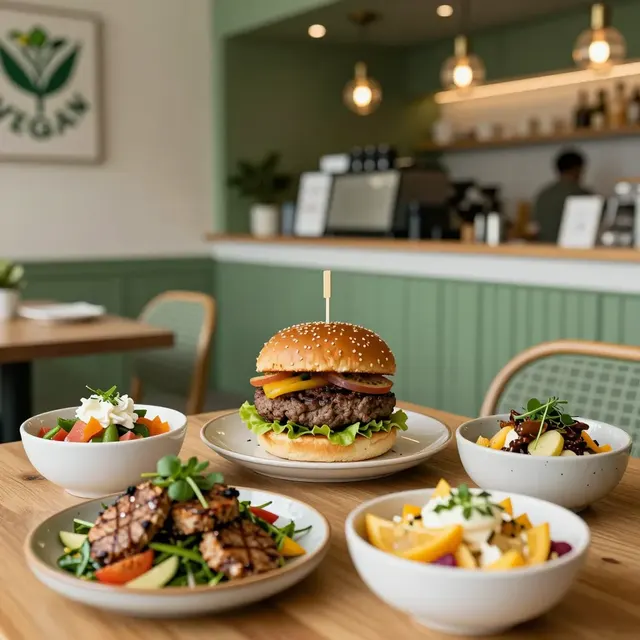
One of the most significant advantages of a digital QR menu system is its ability to foster inclusivity and universal access. Beach clubs are destinations for diverse groups of people, including international tourists, families with young children, and guests with specific dietary requirements. A static paper menu often lacks the space to detail every allergen or ingredient, leading to potential health risks and guest anxiety. Digital menus solve this by allowing for comprehensive, easy-to-read ingredient lists.
With a digital platform, restaurant owners can integrate detailed allergen information, ensuring that guests with gluten intolerance, nut allergies, or seafood allergies can order with confidence. The system can use clear icons or color-coding to highlight safe options, making navigation intuitive regardless of the guest's language proficiency. This is particularly vital in international resort destinations where language barriers might otherwise prevent a guest from ordering their preferred meal safely.
Consider the scenario of a guest with a severe peanut allergy. On a paper menu, this information might be buried in small print or missing entirely. On a digital menu, the guest can tap on a specific dish to view a full ingredient breakdown, seeing exactly what they are consuming. This honesty and accuracy build a deeper connection between the guest and the brand. It demonstrates that the resort cares about every guest's well-being, not just their satisfaction with the food taste. This level of care is a powerful differentiator in a competitive luxury market.
Optimizing Operations During Peak Sun and Rush Hour
Operating a beach club during the hottest part of the day or during a busy weekend requires precise management. Paper menus can become difficult to read under direct sunlight, with glare making text illegible. Additionally, wind can blow loose paper menus around, causing a mess and further frustration for guests. Digital QR menus are immune to these environmental factors. High-brightness screens or optimized mobile web pages ensure that text remains crisp and readable even in bright midday sun.
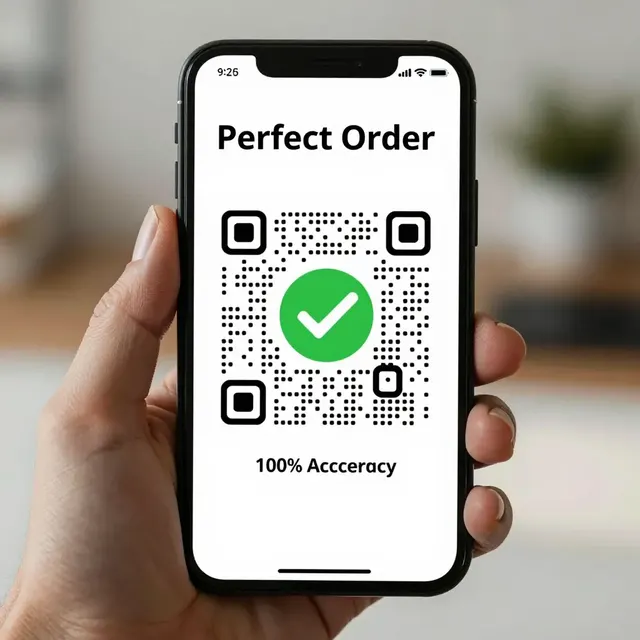
From an operational standpoint, the efficiency gains are substantial. When guests scan a QR code and place an order, the request is sent directly to the kitchen or bar system. This eliminates the lag time associated with a waiter writing down an order on a notepad and then typing it into a system later. For beach clubs with multiple service zones around the pool, this streamlined communication reduces the number of staff needed to take orders, allowing them to focus on guest interaction and service quality rather than administrative tasks.
Real-world data from the food service sector indicates that digital ordering can reduce table turnover time by up to 20% in casual dining environments. In the context of a beach club where guests often linger for hours, this metric is less about speed and more about reducing wait times for food delivery. When the order is placed instantly, the kitchen can prep the item immediately, ensuring it arrives hot and fresh. This prevents the common issue of food sitting out on a table, which can be detrimental to the guest experience in a warm climate.
Building a Transparent and Honest Brand Reputation
Trust is the currency of the hospitality industry, and transparency is the foundation of that trust. Guests today are well-informed and skeptical of hidden fees or misleading descriptions. A digital QR menu platform allows beach clubs to present information with absolute honesty. Prices can be displayed clearly without ambiguity, and descriptions can be vivid yet accurate, avoiding the use of stock photos that do not represent the actual dish.
Furthermore, digital menus provide a platform for storytelling. Beach clubs can share the story behind their signature cocktails, the fishermen who bring in their daily catch, or the farmers who supply their vegetables. This narrative approach deepens the guest's connection to the destination. It transforms a simple transaction into an immersive experience that celebrates local culture and craftsmanship.
When a guest sees that the menu provides full ingredient transparency, including potential cross-contamination warnings or sourcing details, it validates the resort's commitment to integrity. This honesty resonates strongly with modern consumers who value authenticity. By leveraging a digital system, resort owners can cultivate a brand reputation built on reliability and care, encouraging guests to return and recommend the location to friends and family. In an era where online reviews drive decision-making, a reputation for honesty and transparency is the most valuable asset a beach club can possess.
Implementing the Future of Resort Dining with upQR
As beach clubs and resort restaurants continue to evolve, the integration of technology like upQR becomes essential for staying competitive. upQR provides a robust, easy-to-use platform designed specifically for the unique needs of the hospitality industry. It offers the flexibility to customize menus, manage inventory, and ensure that every guest receives a safe, delicious, and transparent dining experience. Whether you are a large resort chain or an independent beach bar, adopting a digital menu system is a strategic move that enhances guest satisfaction and operational efficiency.
By choosing a solution that prioritizes sustainability, universal access, and honesty, you are not just updating your menu; you are elevating the entire guest journey. The transition to digital ordering is a small step that leads to significant improvements in your business metrics and guest loyalty. Embrace the technology that allows your staff to focus on what they do best: creating memorable moments by the pool. With upQR, you can ensure that every guest, regardless of their dietary needs or language, feels welcome, informed, and delighted.
Related Posts

Ready to create your digital menu?
Create your QR menu in minutes and reach your customers in any language.