Why Restaurants Need QR Code Menus in 2026
Discover how digital menus drive sales, save costs, and improve operations for modern eateries in 2026.
The Evolution of Dining in 2026
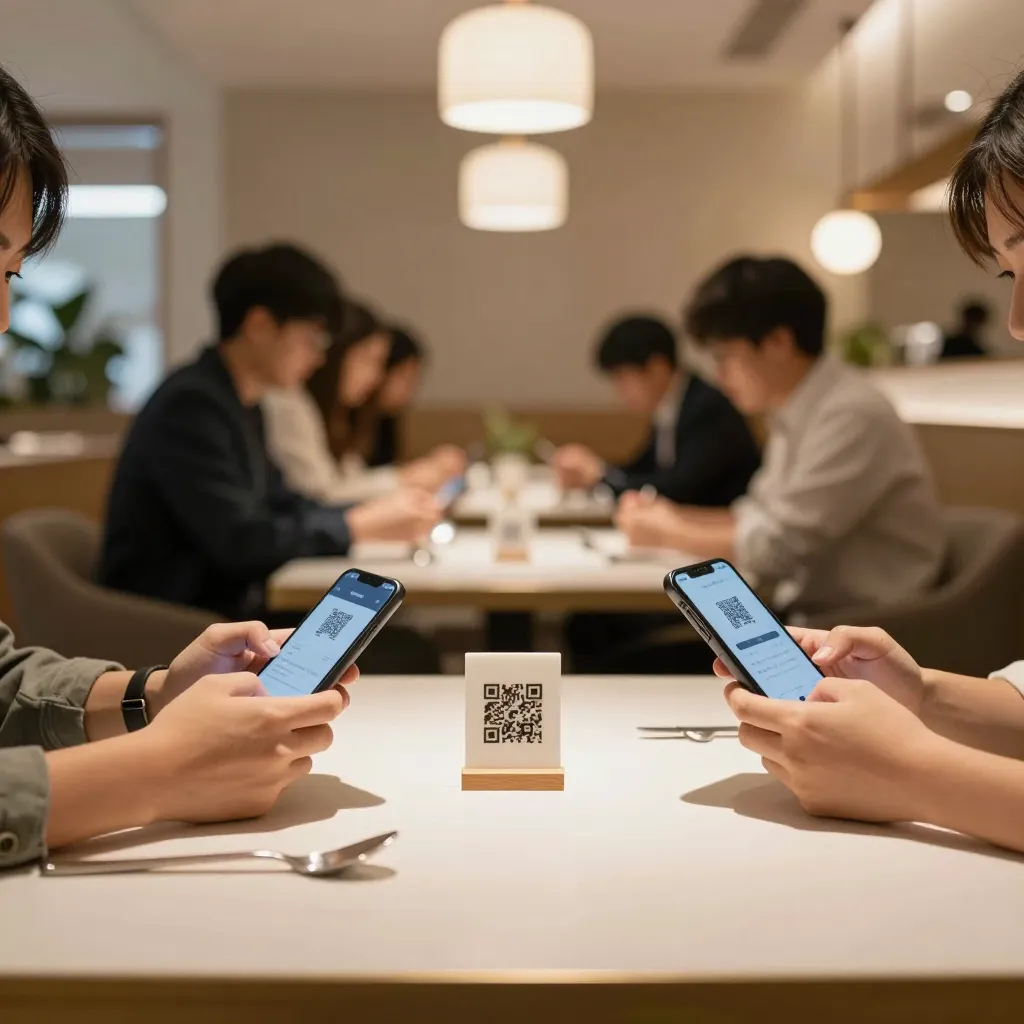
By 2026, the dining landscape has shifted permanently. Customers no longer view digital menus as a novelty but as a standard expectation. The post-pandemic era accelerated adoption, but the technology has evolved beyond simple contactless ordering. Today, a QR code menu represents a critical operational asset that bridges the gap between traditional hospitality and modern technology. For restaurant owners, understanding this shift is not just about keeping up with trends; it is about securing a competitive edge in a saturated market.
Industry statistics indicate that 85% of consumers prefer digital options over paper menus for convenience and speed. In 2026, this preference is even stronger. Patrons expect instant access to allergen information, nutritional data, and high-quality imagery without waiting for a server to explain the specials. Ignoring this demand can lead to lost revenue and a perception of being outdated. The transition from static paper to dynamic digital platforms marks the beginning of a new era where data and efficiency drive profitability.
Operational Efficiency and Cost Savings
One of the most immediate benefits of implementing a QR menu is the drastic reduction in operational costs. Printing physical menus involves ongoing expenses for paper, ink, and design updates. Imagine a restaurant that prints 500 menus per month. If you need to update prices due to inflation or change seasonal ingredients, you must reprint the entire stack. This process can cost hundreds of dollars and create waste.
- Instant Updates: With a digital solution, changing a price or removing an item takes seconds.
- Reduced Waste: Digital menus eliminate the environmental impact of paper waste.
- Staff Efficiency: Servers spend less time gathering menus and more time on guest engagement.
Consider a busy Friday night. If a dish is out of stock, a paper menu requires a manual note or reprint. A digital menu allows the kitchen to instantly mark an item as unavailable. This prevents customer disappointment and reduces the need for staff to explain the situation verbally, which can slow down table turnover. For a cafe managing 100 covers daily, these efficiencies compound significantly over time. The return on investment is realized quickly through saved printing costs and improved staff workflow.
Boosting Average Check Size Through Personalization
Revenue growth is often tied to the ability to upsell effectively. Traditional menus offer a flat presentation of items, whereas a QR code menu allows for dynamic content tailored to the specific table. Advanced platforms enable managers to highlight high-margin items or suggest pairings based on customer preferences. For example, if a customer orders a steak, the menu can automatically suggest a specific wine or side dish that complements the meal.
Personalization is key to increasing the average check size. You can create different menu versions for breakfast, lunch, and dinner without needing separate physical prints. During lunch hours, the menu might feature quick sandwiches and salads. In the evening, the focus shifts to hearty entrees. This flexibility ensures that the menu always reflects what is best selling and most profitable for that specific time of day.
Furthermore, you can integrate seasonal promotions directly into the digital interface. If you are launching a new burger, you can feature it at the top of the list with an enticing description and high-resolution image. This visual hierarchy guides the customer's eye to items that increase your profit margins. By leveraging these features, restaurants can increase revenue without raising prices, making the value proposition stronger for the customer.
Valuable Customer Insights and Data Analytics
Data is the currency of modern business, and digital menus provide a wealth of information that paper menus cannot offer. With a QR code menu, you can track which items are viewed most often, which dishes are ordered frequently, and which times of day generate the most traffic. These analytics help you make informed decisions about your inventory and menu engineering.
- Inventory Management: Use data to predict demand and reduce food waste.
- Menu Optimization: Identify underperforming dishes and adjust recipes or pricing.
- Customer Behavior: Understand peak ordering times and adjust staffing accordingly.
Imagine having access to reports that show that 60% of your customers order the same three appetizers. This insight allows you to streamline your kitchen operations by focusing preparation on these high-demand items. You can also identify that a specific dish has a low conversion rate. Is the price too high? Is the description unclear? The data provides the answers you need to optimize your offerings. Over time, this continuous feedback loop leads to a menu that resonates with your target audience and maximizes profitability.
Enhancing the Customer Experience and Brand Image
Technology is not just a tool for efficiency; it is a tool for enhancing the customer experience. A sleek, fast-loading digital menu with high-quality images and videos creates a perception of professionalism and quality. It signals to the customer that your restaurant invests in modern amenities. For brands aiming to position themselves as trendy or innovative, a QR code menu is essential.
Accessibility is another crucial aspect. Digital menus can be optimized for screen readers and other assistive technologies, ensuring that customers with visual impairments can navigate your menu easily. This inclusivity not only broadens your customer base but also demonstrates a commitment to social responsibility. Additionally, you can integrate features like allergen filters or nutritional calculators directly into the interface. These features help customers make safer and healthier choices, building trust and loyalty.
Furthermore, the integration of loyalty programs can be seamless. Customers can redeem points or scan a membership card directly from the menu. This keeps them engaged with your brand even outside the dining room. By creating a cohesive digital ecosystem, you ensure that every touchpoint reinforces your brand identity. In 2026, a restaurant that ignores digital integration risks being perceived as disconnected from the times.
The Strategic Advantage of upQR
While many options exist in the market, upQR stands out as a comprehensive solution for the modern restaurant. upQR is designed specifically to meet the rigorous demands of the hospitality industry. It offers a robust platform that combines ease of use with powerful features. Whether you are a small cafe or a large chain, upQR provides the scalability and reliability needed to succeed.
The upQR menu system is known for its speed and reliability. In a busy restaurant, downtime can be costly. upQR ensures that your digital menu is always available, even during peak hours. The platform supports multiple languages, making it ideal for diverse neighborhoods. You can also customize the design to match your brand identity perfectly. From the color scheme to the fonts, every element can be tailored to reflect your unique style.
Moreover, upQR offers excellent support and training resources. Implementing new technology can be daunting, but upQR provides the guidance needed to get started. Their team can help you set up your menu, train your staff, and optimize your settings. This support ensures a smooth transition and maximizes the benefits of the platform. By choosing upQR, you are choosing a partner that is invested in your long-term success.
Conclusion
In 2026, a QR code menu is no longer an optional accessory; it is a fundamental requirement for any restaurant that values efficiency, profitability, and customer satisfaction. The benefits extend far beyond simple contactless ordering. From reducing printing costs to boosting sales through upselling and personalization, the impact is profound. Data analytics provide the insights needed to optimize operations and reduce waste. A seamless digital experience enhances the brand image and builds customer loyalty.
Restaurant owners who hesitate to adopt this technology risk falling behind their competitors. The transition to a digital menu is a strategic move that positions your business for growth and resilience. It is an investment in the future of your restaurant. By embracing digital solutions, you ensure that your business remains relevant and competitive in a rapidly evolving industry.
For those ready to take the next step, upQR offers a premier solution that delivers on all these promises. With upQR, you gain access to a powerful platform that simplifies menu management and enhances the customer experience. Don't wait for the next trend to pass you by. Embrace the future of dining today with a QR code menu. Your customers will thank you for the convenience, and your business will thank you for the efficiency.
Related Posts
Ready to create your digital menu?
Create your QR menu in minutes and reach your customers in any language.
