Menu Engineering: Place High-Profit Items on Your Digital Menu
Learn how to use digital QR menus to highlight your best sellers, increase average order value, and boost restaurant profitability with strategic placement tactics.
Why Menu Engineering Matters for Restaurant Profitability
Every restaurant owner knows that not all menu items are created equal. Some dishes sell consistently, while others sit unsold despite looking delicious. The art of menu engineering is about analyzing your menu's performance to maximize profitability. By understanding which items drive revenue and which ones drain margins, you can strategically redesign your offering to guide customer choices toward your most profitable dishes.
Traditional paper menus often hide these insights behind cluttered designs or poor placement. However, digital QR menus offer a dynamic advantage. You can instantly update pricing, swap out low-performing items, and use visual cues to highlight high-margin dishes without reprinting anything. According to industry data, restaurants that effectively engineer their menus can see an increase in food cost margins of up to 15% simply by shifting customer focus to higher-margin items.
The goal isn't just to sell more food; it's to sell the right food. When customers choose dishes that utilize your most abundant ingredients or have the highest profit margins, your bottom line improves automatically. Digital platforms allow you to experiment with these changes in real-time, seeing the impact on sales within hours rather than weeks.
The Four Quadrants of Menu Engineering
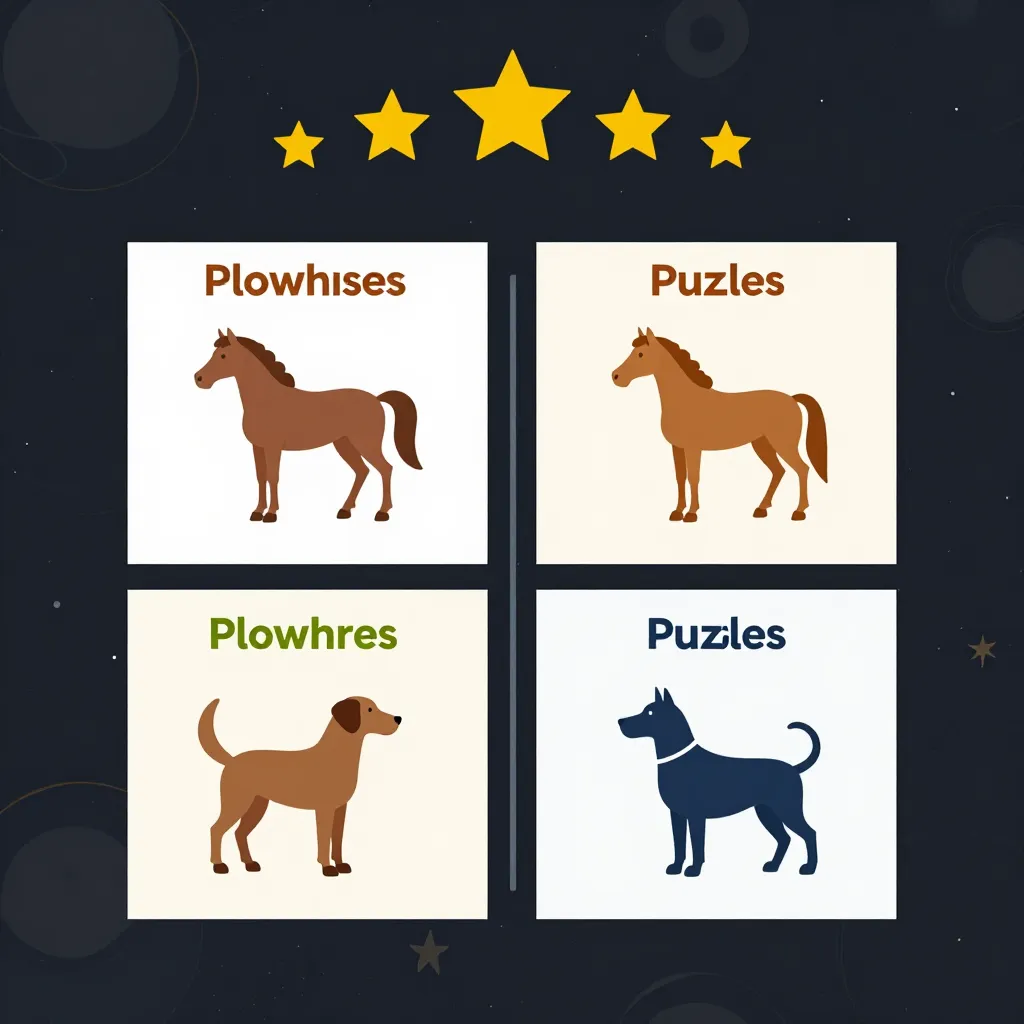
Before placing items strategically, you must categorize them. Menu engineering typically divides your menu into four quadrants based on popularity (how often an item is ordered) and profitability (the margin it generates):
- Stars: High popularity and high profitability. These are your best sellers and cash cows. Your primary goal is to protect these items and ensure they remain available.
- Plowhorses: High popularity but low profitability. These items are loved by customers but eat into your margins. The strategy here is to keep them available but perhaps adjust the price or recipe to improve the margin.
- Puzzles: Low popularity but high profitability. These are often hidden gems that customers don't know about. The goal is to increase their visibility and sales through better descriptions and placement.
- Dogs: Low popularity and low profitability. These items should be removed, reimagined, or heavily discounted to clear inventory.
UpQR's digital menu system makes it easy to track these metrics automatically. You can generate reports that show exactly which items fall into which category, saving you hours of manual spreadsheet work. Once you know where your "Puzzles" are, you can use the digital interface to nudge customers toward them.
Strategic Placement Techniques for Digital Menus
Once you have categorized your items, you need to place them effectively. In a digital environment, you have far more control over the customer's journey than with a printed page. Here are specific tactics to employ:
1. The Power of the First Impression
Customers often scan a digital menu from the top down or start at the first image they see. This is where you should place your "Stars" and your best "Puzzles." By featuring your highest-margin, high-popularity items at the very top of the section or as the first item in a category, you capitalize on the primacy effect. This psychological phenomenon suggests that people remember the first and last things they see best. If your signature high-profit burger is the first image a customer sees, they are statistically more likely to order it.
2. Using Visual Hierarchy and Descriptions
Digital menus allow for rich descriptions that paper menus cannot match. For your high-profit items, use evocative language that highlights the quality of ingredients. Instead of just listing "Grilled Chicken Salad," describe it as "Our signature house-grilled free-range chicken, marinated in secret spices, served with fresh arugula and house-made vinaigrette." This builds perceived value, justifying the price point and encouraging the sale of a high-margin item.
You can also use formatting tools to make these items stand out. Bold the name of your most profitable dish, add a small icon like a crown or a star, or include a short, mouth-watering quote from a food critic or a happy customer. These small visual cues draw the eye directly to the item you want them to buy.
3. The Decoy Effect and Bundling
Menu engineering also involves the psychology of choice. You can use the "decoy effect" by placing a slightly less attractive, more expensive version of a popular item next to your target high-profit item. For example, if you want to sell a large high-profit pizza, place a medium pizza next to it that is priced very close to the large but has fewer toppings. The large pizza suddenly looks like the better value.
Bundling is another powerful technique. Combine your high-profit sides or drinks with your main courses to create a set meal. If your profit margin on a specific soda or dessert is high, create a "Dinner & Dessert" combo that forces the inclusion of that item. Digital menus make bundling effortless; you can create a dedicated section for combos that are exclusive to the QR code experience, driving higher average order values.
Optimizing for Dietary Needs and Accessibility
One of the greatest advantages of a digital QR menu is the ability to serve a diverse audience without compromising on your core strategy. Many customers have dietary restrictions, allergies, or are looking for vegetarian and vegan options. If you offer these items as high-profit alternatives, you can engineer your menu to include them prominently.
For instance, if you have a high-margin quinoa bowl that is also gluten-free and vegan, make sure it is tagged clearly and placed in a section that is easy to find. You can use the digital interface to add detailed allergen information right next to the description, building trust with customers who need this information. When customers feel safe and informed, they are more likely to order, even from items they might have previously avoided.
Furthermore, a well-organized digital menu reduces the cognitive load on the customer. By clearly categorizing items by dietary need and using clear icons, you help customers find what they want quickly. This efficiency keeps them engaged with your menu longer and increases the likelihood they will order a side or a drink alongside their main course. Remember, transparency is a core value; showing exactly what is in every dish builds loyalty, and loyal customers return more often.
Continuous Testing and Data Analysis
Menu engineering is not a one-time task; it is an ongoing process. The food industry is competitive, and customer tastes change rapidly. What works this month might not work next month. Digital platforms like upQR allow you to A/B test different menu layouts and descriptions.
You can experiment by changing the order of items in your categories or testing two different descriptions for your top-selling dish to see which one generates more clicks and orders. Some digital menu systems even allow you to run limited-time offers or seasonal promotions that highlight specific high-margin ingredients you need to use up. By analyzing the sales data provided by your QR menu provider, you can identify trends early. If a specific item's sales drop, you can investigate whether the description needs updating or if the price is too high, and make adjustments instantly.
Don't forget to gather feedback. If you have a way for customers to rate specific items on your digital menu, use that data to refine your offerings. High ratings combined with high sales confirm a "Star" item. Low ratings might indicate a need for a recipe tweak or a price adjustment. This feedback loop ensures your menu remains relevant and profitable.
Conclusion
Effective menu engineering is the secret weapon of successful restaurants. It transforms a static list of food into a strategic tool for growth. By leveraging the dynamic capabilities of a digital QR menu, you can highlight your best sellers, introduce hidden gems, and guide customer choices toward higher-margin dishes without the limitations of paper. With features like easy categorization, rich descriptions, and real-time data analytics, platforms like upQR empower you to make informed decisions that boost your bottom line. Start analyzing your menu today, categorize your items, and use these digital tools to create a dining experience that is both delicious and profitable for your business.
Related Posts
Ready to create your digital menu?
Create your QR menu in minutes and reach your customers in any language.