Ultimate Brunch Menu Strategy Guide
Master the art of brunch with our comprehensive strategy guide. Learn how to optimize pricing, design menus, and boost sales using digital solutions.
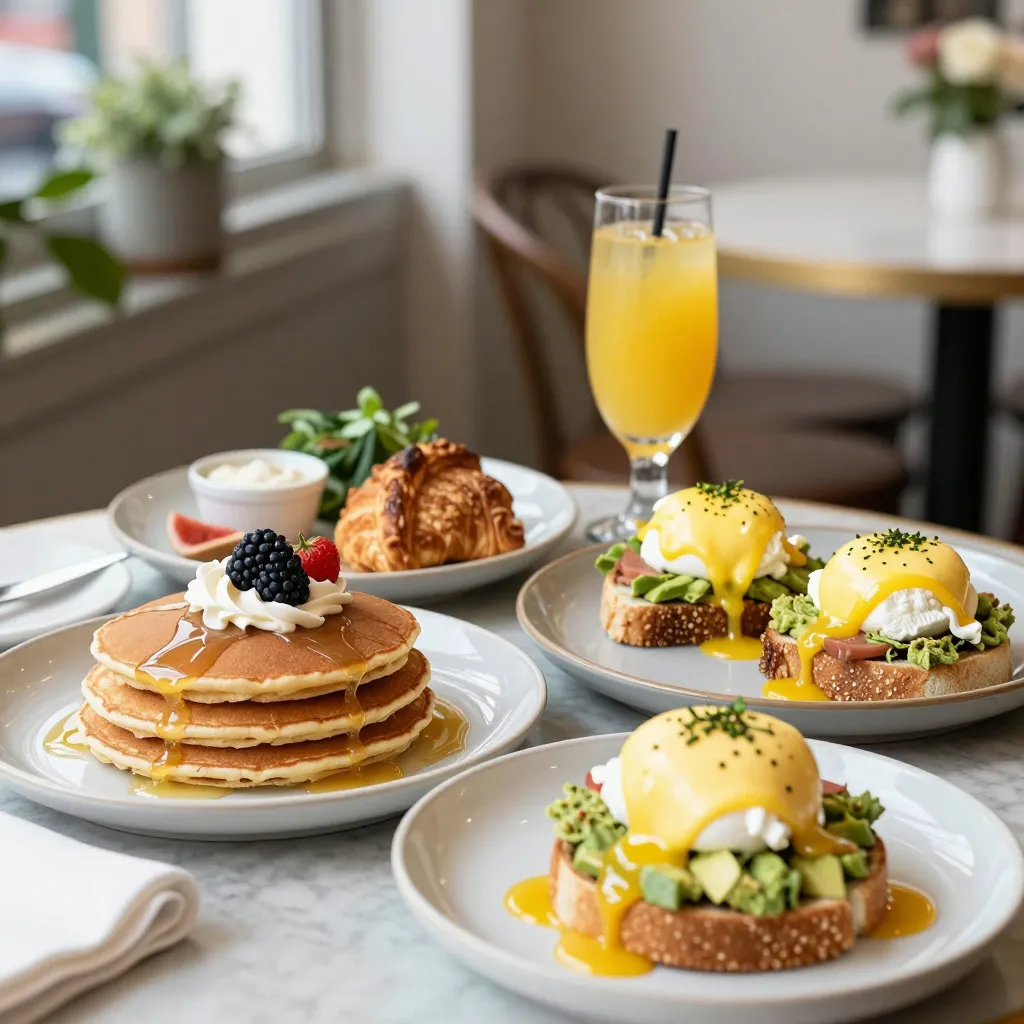
Understanding the Economics of Brunch
Brunch is not just a meal; it is a significant revenue driver for many cafes and restaurants. According to industry data, brunch can account for up to 30% of a restaurant's total weekly revenue, despite being served only a few days a week. The key to unlocking this potential lies in understanding the unique economics of the service. Unlike dinner, where customers often order appetizers, mains, and desserts, brunch diners tend to have a more focused order, typically consisting of a protein, sides, and a beverage. This means that the average check size is heavily influenced by the price point of your core items.
The concept of 'brunch fatigue' is real. With the rise of home cooking and the availability of high-quality ingredients, customers are becoming more discerning. They expect value, not just volume. A menu that offers 20 options often leads to decision paralysis, where customers order less or leave empty-handed. Conversely, a curated menu with 8 to 12 high-quality items encourages confidence and higher spending. The strategy here is curation over abundance. By limiting choices, you reduce food waste, streamline kitchen operations, and create a stronger brand identity. For instance, a cafe that specializes in artisanal toast and house-made jams creates a narrative that customers can connect with, often justifying a higher price point than a generic diner.
Optimizing Your Brunch Menu Architecture
The structure of your menu is just as important as the items themselves. A well-architected menu guides the customer's eye and hand toward high-margin items. This is where the psychology of placement becomes crucial. Never place your highest-margin item in the center; instead, use the 'golden triangle' of menu engineering, which focuses on the top right, top left, and bottom right corners of the page. These are the areas customers naturally look at first.
Consider the example of a classic Eggs Benedict. If you price this at $18, but your competitor charges $24 for a similar dish, you might lose sales. However, if you can offer a unique twist, such as adding a signature hollandaise or a seasonal fruit topping, you can justify the $24 price point. The goal is to make the customer feel they are getting a premium experience without feeling overcharged. Additionally, grouping items logically is essential. Separate your savory mains from your sweet treats, and ensure your beverage section is robust. Drinks often carry the highest margins in a brunch service, sometimes exceeding 70%. A strong coffee or tea section, along with a curated selection of mimosas and bloody marys, can significantly boost the average check.
Leveraging Digital Menus for Brunch Success
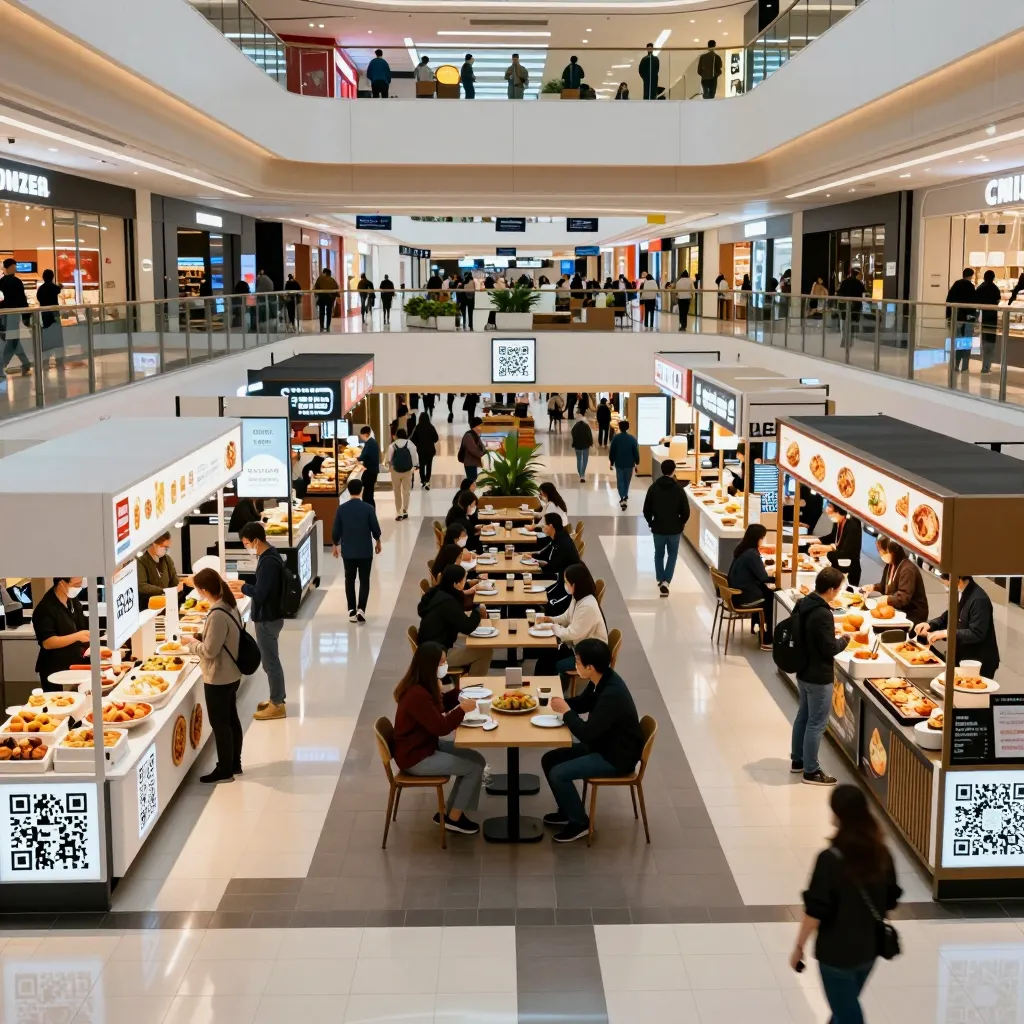
In an era where convenience is king, a digital QR menu is no longer a luxury; it is a necessity. Platforms like upQR allow you to create a dynamic, interactive experience that static paper menus cannot match. Imagine a customer scanning a code at your table and instantly seeing a menu that updates in real-time. If your avocado toast sells out by 10:00 AM, the digital menu can reflect this immediately, preventing frustration and kitchen errors. This real-time inventory management is a game-changer for brunch operations, which often run tight schedules.
Digital menus also offer unparalleled flexibility for promotions. You can run flash sales, such as '20% off all mimosas before 11 AM,' which can be displayed prominently on the screen without reprinting a single page. This capability allows you to test different pricing strategies and promotions with minimal cost. Furthermore, digital menus can include embedded videos or photos of your dishes, which can increase the perceived value of your food. Studies show that high-quality imagery can increase food sales by up to 26%. By integrating upQR, you can ensure that every customer, regardless of whether they are dining in or taking away, has access to the same high-quality experience. This consistency builds trust and encourages repeat visits.
Designing for Clarity and Conversion
The design of your menu plays a pivotal role in conversion. A cluttered, confusing menu leads to longer decision times and lower sales. When using a digital platform, you have the freedom to use whitespace effectively. Break your menu into clear sections with bold headings. Use bullet points for ingredients to make them easy to scan. Avoid using small fonts or dense paragraphs of text. Instead, focus on describing the dish in an appetizing way that highlights key ingredients and preparation methods.
For example, instead of saying 'Fried Chicken Sandwich,' describe it as 'Crispy buttermilk fried chicken breast, served on a brioche bun with pickles and our secret spice blend.' This descriptive language triggers the customer's senses and helps them visualize the taste. It also differentiates your item from competitors. Additionally, consider the mobile experience. Most customers will access your menu via their smartphones. Ensure that your digital menu is responsive and loads quickly on mobile devices. A slow-loading menu can lead to customer frustration and abandonment. Test your menu on various devices to ensure a seamless experience. By prioritizing mobile optimization, you cater to the modern diner who expects instant gratification.
Seasonal Strategies and Menu Rotation
Brunch is inherently seasonal, and your menu should reflect this. Spring brings asparagus and peas, while autumn offers squash and root vegetables. Rotating your menu based on seasonality not only keeps the experience fresh for returning customers but also allows you to source ingredients locally, reducing costs and appealing to eco-conscious diners. A static menu that looks the same every week can feel stale and unexciting.
Implement a system where you introduce one new item per season. This creates a sense of anticipation and gives regulars a reason to return. For instance, in the summer, you might introduce a watermelon and feta salad with a balsamic glaze, while in the winter, you might offer a hearty lentil soup or a warm apple crumble. This strategy also helps in managing inventory more efficiently, as you can plan purchases around what is currently in season and abundant. Furthermore, seasonal items allow you to tell a story about your restaurant's connection to the local community and the changing landscape of nature. This narrative adds depth to your brand and enhances the overall dining experience.
Final Thoughts on Menu Mastery
Creating a successful brunch menu requires a blend of culinary creativity, strategic pricing, and operational efficiency. It is about understanding your customers' needs and delivering an experience that exceeds their expectations. Whether you are a small cafe or a full-service restaurant, the principles of menu engineering and digital integration apply universally. By adopting a digital approach with a platform like upQR, you gain the tools to manage your menu dynamically, reduce waste, and maximize profits. The brunch market is competitive, but with the right strategy, you can stand out and build a loyal customer base that returns week after week. Remember, your menu is your silent salesman; make sure it is working as hard as your kitchen staff.
Related Posts
Ready to create your digital menu?
Create your QR menu in minutes and reach your customers in any language.
