Table Ordering with QR Codes: The Complete Guide
Transform your dining experience with QR code ordering. Discover how to streamline service, boost sales, and delight customers using digital menus.
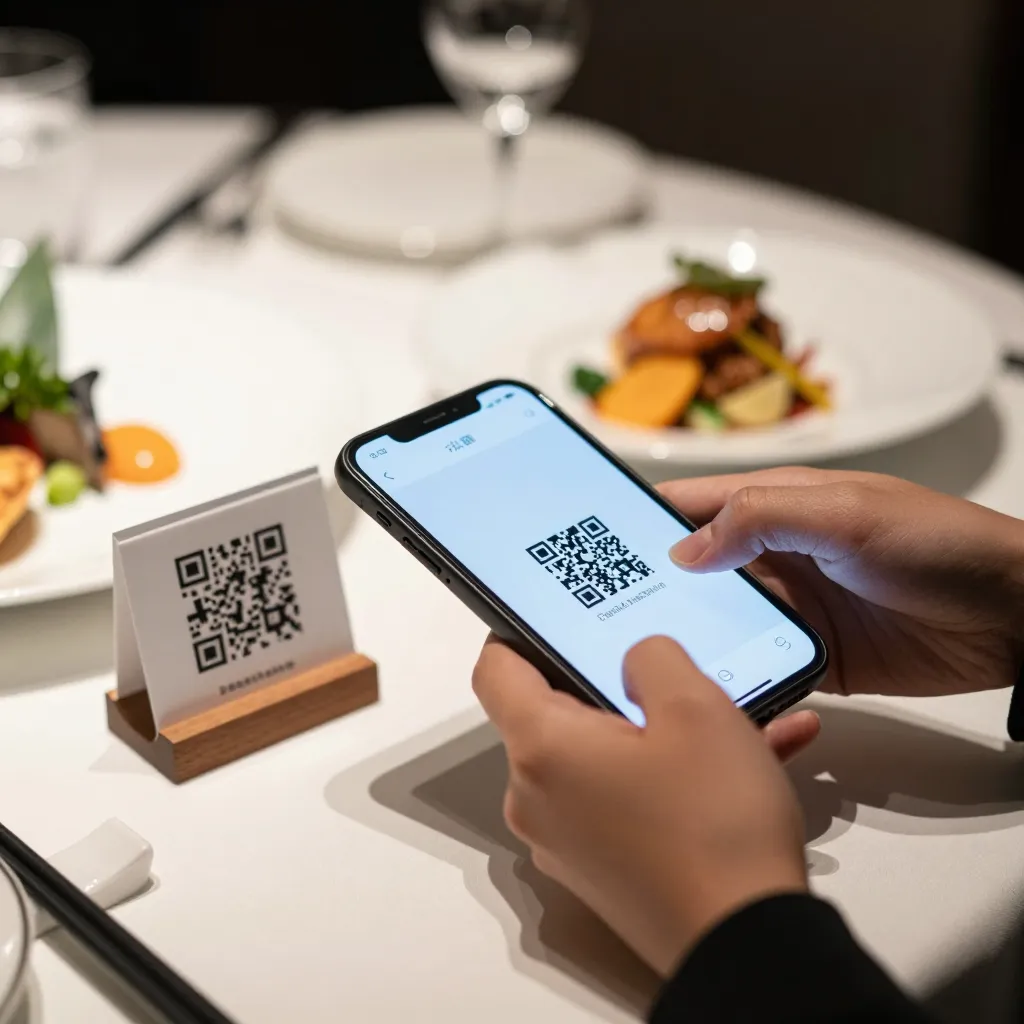
Why Table Ordering Systems Are Essential for Modern Restaurants
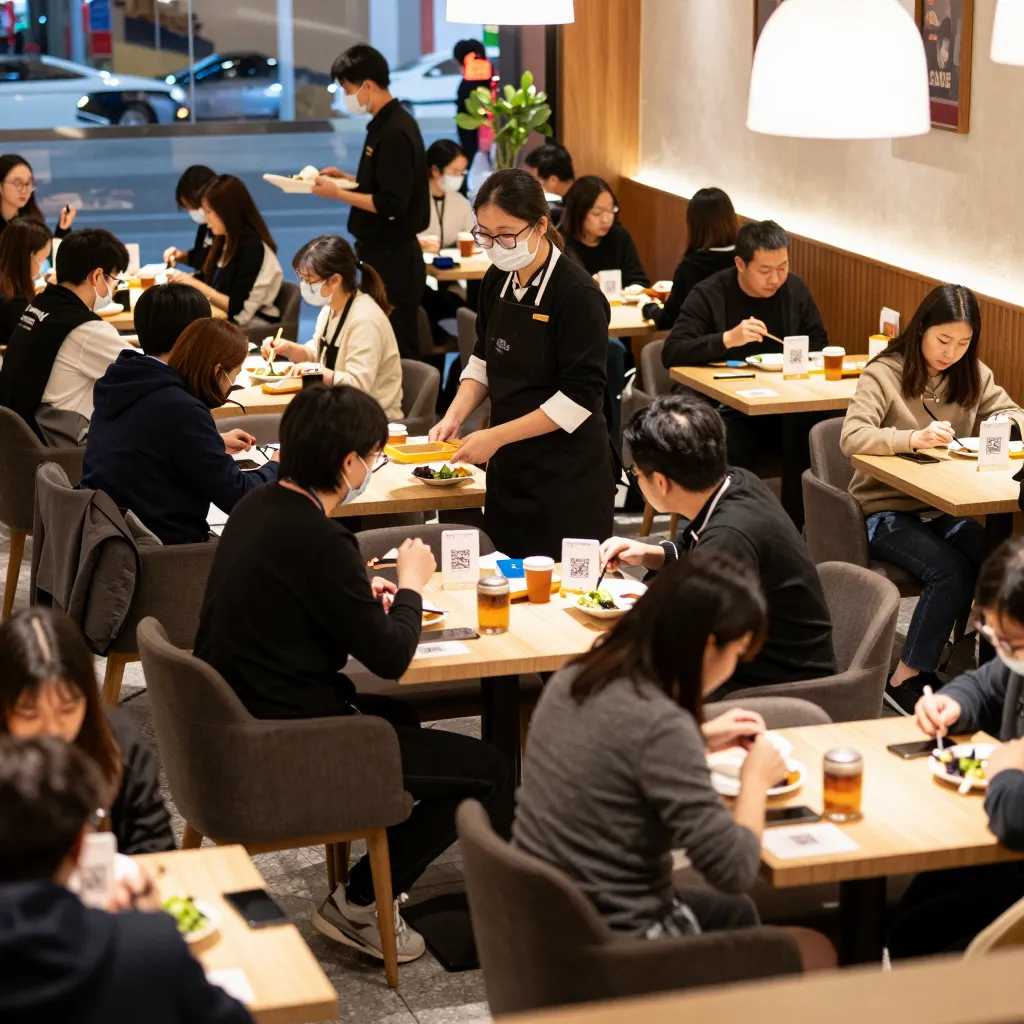
The dining landscape has shifted dramatically over the last few years. What began as a pandemic-era necessity has evolved into a customer expectation. According to recent industry reports, over 60% of diners now prefer to browse menus on their own devices rather than waiting for a server to deliver a paper copy. This shift isn't just about convenience; it is a powerful tool for operational efficiency and revenue growth.
Traditional paper menus suffer from significant limitations. They are static, meaning you cannot update prices or specials until you reprint the entire document. Furthermore, they offer no opportunity for dynamic upselling. A digital ordering system, powered by solutions like upQR, solves these issues by providing a live, interactive interface for every guest.
When guests scan a QR code at their table, they enter a controlled digital environment. This allows your restaurant to showcase high-resolution images of dishes, detailed allergen information, and personalized recommendations. For instance, a steakhouse can highlight their signature dry-aged cuts directly on the screen, guiding the customer's choice before they even speak to a server. This level of engagement reduces decision paralysis and can significantly increase the average check size.
Optimizing the Guest Journey: From Scan to Seat
The user experience (UX) of your QR code system is just as important as the menu content itself. A seamless journey from scanning the code to placing an order is critical for maintaining guest satisfaction. If a customer struggles to load the page or navigate the menu, they may feel frustrated and leave a negative review. To ensure a smooth experience, your digital menu must load quickly on various devices, including older smartphones and tablets.
Speed is a key metric. Ideally, a QR menu should load within three seconds on a standard 4G connection. Slow loading times are often caused by heavy image files or complex scripts. You can optimize this by compressing images without losing quality and minimizing the use of heavy video backgrounds. Additionally, ensure that the navigation is intuitive. Guests should be able to find categories like "Starters," "Mains," and "Desserts" within two or three taps.
Consider the scenario of a busy lunch rush. A server might be juggling multiple tables. If the digital menu allows guests to customize their orderssuch as requesting no onions or adding extra cheesedirectly on the screen, it reduces the need for the server to take detailed notes. This not only speeds up the order-taking process but also minimizes the risk of errors. When the order is ready, the kitchen receives it instantly, and the server can simply confirm the delivery, creating a frictionless flow from front-of-house to back-of-house.
Strategies to Increase Average Check Value
One of the most compelling reasons to adopt a digital ordering system is its ability to boost revenue through strategic upselling and cross-selling. Paper menus do not have the capability to suggest add-ons dynamically. A digital menu, however, can feature interactive buttons for "Add Extra Cheese," "Upgrade to Large," or "Pair with a Dessert." These suggestions appear contextually relevant to the item the guest is viewing.
Imagine a customer browsing the burger menu. As they hover over a classic burger, a small pop-up suggests adding a truffle aioli for an additional $2.50. This nudge can increase the perceived value of the meal without the guest feeling pressured. Studies in the food service industry suggest that well-placed upsell prompts can increase the average check size by 15% to 25%.
Another effective strategy is the use of digital specials. You can create a dedicated "Chef's Specials" section that highlights daily offerings with mouth-watering photography. Because these specials can change daily, you can rotate them to keep the menu fresh and encourage guests to try new items. This is particularly useful for restaurants looking to move inventory of seasonal ingredients or test new recipes. By making these items visually appealing and easy to order, you can drive trial and reduce waste.
Furthermore, digital menus allow for the integration of loyalty programs. When a guest scans the QR code, they can instantly sign up for your loyalty program or redeem points. This not only captures valuable customer data but also incentivizes repeat visits. You can offer a "Welcome Discount" for their first digital order, which serves as an immediate conversion tactic to get them into your ecosystem.
Operational Efficiency and Staff Benefits
While the primary focus is often on the customer, the benefits for your staff are equally profound. Implementing a table ordering system redistributes the workload, allowing servers to focus on hospitality rather than administrative tasks. Instead of spending minutes writing down complex orders, servers can spend that time checking in on guests, refilling water, or explaining wine pairings.
This shift in focus leads to higher guest satisfaction scores. Happy guests tip better, and a better tipping environment translates directly to higher staff morale and retention. Additionally, the data collected from digital orders provides valuable insights into your business operations. You can see exactly which dishes are most popular, what time of day orders peak, and which items are frequently modified.
Using this data, you can make informed decisions about inventory management and menu engineering. For example, if you notice that a specific vegetable is frequently omitted due to stock shortages, you can adjust your prep lists accordingly. If a dish has a high number of modifications, it might indicate a need for better staff training or clearer menu descriptions. This level of analytics is impossible to achieve with paper menus, where data is lost the moment a guest leaves.
Training new staff also becomes more efficient. With a digital system, the burden of memorizing every menu item, price, and modification rule is lifted. New hires can simply guide guests through the digital menu, ensuring consistency in the service experience regardless of who is working the floor. This standardization is crucial for maintaining quality as your team grows or as you hire seasonal staff.
Building Trust and Transparency with Digital Menus
In an era where consumers are increasingly conscious of health and sustainability, a digital menu offers a unique opportunity to build trust. You can provide detailed nutritional information, calorie counts, and ingredient sourcing details directly on the screen. This transparency appeals to health-conscious diners and those with specific dietary restrictions, such as gluten-free or vegan requirements.
For example, you can include a dedicated filter for dietary preferences, allowing guests to sort the menu by "Vegan," "Keto," or "Gluten-Free" with a single tap. This inclusivity shows that your restaurant cares about diverse needs. You can also add a section on sustainability, explaining how you source local ingredients or reduce food waste. This storytelling capability helps connect the guest emotionally to your brand.
Security is another critical aspect of digital menus. When using a platform like upQR, you ensure that all customer data is encrypted and compliant with privacy regulations. Guests can scan a code from their own phone without needing to download an app or create an account, which removes barriers to entry. This privacy-first approach reassures guests that their personal information is safe, fostering a sense of security and trust in your establishment.
Conclusion
Adopting a table ordering system with QR codes is no longer a luxury; it is a strategic necessity for restaurants aiming to thrive in the modern market. By streamlining the ordering process, increasing average check values, and providing valuable operational insights, a digital menu platform empowers you to deliver a superior dining experience. It bridges the gap between traditional hospitality and modern technology, allowing you to focus on what matters most: connecting with your guests.
With a platform like upQR, you gain access to a robust, easy-to-use solution that requires no technical expertise to set up. You can customize your brand, manage your menu in real-time, and track your performance with powerful analytics. Whether you are a small cafe looking to digitize your first menu or a large restaurant chain seeking to optimize operations, upQR provides the tools you need to succeed. Embrace the future of dining today and watch your business grow.
Related Posts
Ready to create your digital menu?
Create your QR menu in minutes and reach your customers in any language.
