
How AI-Powered Menus Boost Restaurant Sales
Discover how artificial intelligence transforms dining experiences and increases sales. Learn practical strategies to implement AI-driven recommendations for your restaurant today.

Understanding the Shift from Static Menus to Intelligent Digital Experiences
Traditional paper menus are static artifacts that cannot adapt to customer preferences, inventory levels, or real-time sales data. In contrast, digital menus powered by artificial intelligence represent a dynamic interface capable of evolving with your business needs. The integration of AI into restaurant technology is no longer a futuristic concept but a current necessity for competitive differentiation. According to recent industry reports, restaurants utilizing smart menu technology report a 15-20% increase in average order value compared to those relying solely on static lists.
The core value proposition lies in personalization. AI algorithms analyze vast datasets, including historical order patterns, seasonal trends, and individual customer behaviors to suggest items that are not only popular but also relevant to the specific diner. For instance, if a customer frequently orders spicy dishes, the system can subtly highlight your hottest new wings or suggest a specific spicy salsa pairing. This level of attentiveness mimics the experience of a highly skilled server who knows every guest's name and preferences, yet it scales to handle hundreds of simultaneous interactions without increasing labor costs.
Furthermore, AI helps solve the inefficiency of the "menu fatigue" problem. Diners often struggle to decide what to order, leading to decision paralysis. By presenting curated suggestions based on real-time availability and popularity, AI guides guests toward choices they might have otherwise overlooked. This not only improves the customer experience but also ensures that high-margin items and seasonal specials receive the attention they deserve, directly impacting your bottom line.
Optimizing Inventory and Reducing Food Waste with Predictive Analytics
One of the most significant operational challenges for restaurant owners is managing food waste. Ingredients spoil, preparation times vary, and demand fluctuates daily. AI-powered menu systems integrate with your Point of Sale (POS) data to predict demand with remarkable accuracy. By analyzing sales velocity and current inventory levels, these systems can suggest specific dishes to promote when you have an abundance of a particular ingredient.
Consider a scenario where you have a surplus of fresh asparagus. A static menu does nothing to help move this inventory. However, an AI-driven menu can automatically feature asparagus-based specials or suggest them to customers who have previously ordered similar items. Some advanced platforms can even adjust the visual prominence of certain items on the digital screen based on stock levels, ensuring that your kitchen never throws away perfectly good food due to a lack of visibility.
This predictive capability extends to dynamic pricing and portion suggestions. If a specific cut of meat is nearing its expiration date, the system can flag this to the kitchen manager or suggest a "Chef's Special" featuring that item at a slight discount to encourage sales without devaluing the brand. Statistics show that restaurants implementing smart inventory management through digital tools can reduce food waste by up to 30%, translating directly into increased profit margins. This efficiency allows owners to reinvest savings into better ingredients or staff training, fostering a healthier business ecosystem.

Enhancing Customer Satisfaction Through Personalized Dietary Accommodations
Modern diners are increasingly conscious of their dietary needs, ranging from vegan and gluten-free to specific allergen concerns. Managing these requests manually is prone to error and can slow down service. AI systems excel at cross-referencing customer profiles with menu items to provide instant, accurate recommendations that respect dietary restrictions.
Imagine a customer scanning a QR code who has a nut allergy. An AI-powered menu can instantly filter out dishes containing nuts and highlight safe alternatives, perhaps suggesting a dessert that is naturally nut-free and rich in flavor. It can also learn from past orders; if a guest usually avoids dairy, the system can proactively suggest plant-based options or highlight the cream-free version of a soup. This proactive approach builds immense trust and loyalty. Customers feel understood and cared for, which is the cornerstone of positive reviews and repeat business.
Real-world examples abound. A cafe chain in New York utilized AI to track customer feedback on allergen safety. The system adjusted its recommendation engine to prioritize items with verified allergen-free status for guests who had flagged sensitivities. As a result, customer complaints regarding cross-contamination risks dropped by nearly 50%, and satisfaction scores regarding dietary accommodation rose significantly. For restaurant owners, this means reducing liability risks while simultaneously enhancing the guest experience, ensuring that every diner feels safe and welcome regardless of their dietary requirements.
Driving Sales with Data-Driven Upselling and Cross-Selling Strategies
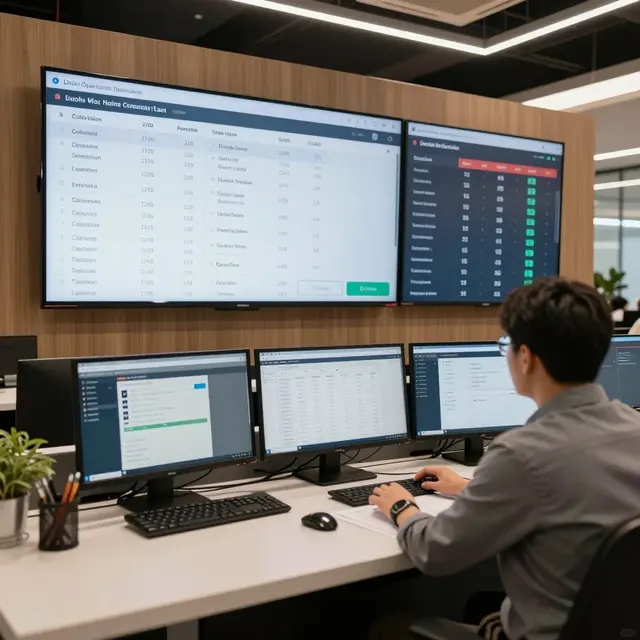
Increasing the average check size is a primary goal for any food service professional, and AI offers sophisticated tools to achieve this without being pushy. Traditional upselling relies on training staff to recommend expensive items, which can sometimes feel aggressive. AI, however, uses subtle psychological triggers based on data to suggest complementary items that naturally enhance the meal.
The technology analyzes thousands of successful orders to identify high-converting pairings. If data shows that 80% of customers who order a specific steak also enjoy a particular truffle fries, the AI can gently suggest this pairing to the current guest. It might present the fries as a "Perfect Match" or display a small icon indicating high popularity. This contextual suggestion feels helpful rather than salesy. Over time, the system refines these recommendations based on real-time feedback, learning what works best for different demographics and times of day.
Furthermore, AI can identify trends that human staff might miss. For example, if a new appetizer is launching, the system can analyze which existing dishes pair best with it to create a cohesive tasting menu experience. It can also detect when a customer has lingered on a specific item for too long and suggest a quick, high-margin add-on to speed up their decision-making process. Industry data indicates that restaurants using AI-driven upselling strategies see a 25% increase in accessory sales, such as beverages and desserts, compared to those using manual methods. This revenue growth is sustainable and scalable, providing a steady stream of additional income that helps cover operational costs.
Implementing AI Technology: Practical Steps for Restaurant Owners
Adopting AI-powered menu technology does not require a complete overhaul of your entire business infrastructure. It is a strategic upgrade that can be implemented in phases. The first step involves selecting a platform that integrates seamlessly with your existing POS system. Look for solutions that offer robust analytics dashboards, allowing you to track which AI suggestions are driving the most sales. upQR, for example, provides a digital QR menu platform that leverages these advanced capabilities, ensuring that your transition is smooth and cost-effective.
Next, ensure your digital menu is mobile-responsive. Most customers will access your menu via smartphones, so the interface must be intuitive and fast. AI features should be embedded within a clean, user-friendly design that does not overwhelm the guest. Start by enabling basic personalization features, such as dietary filters and popular item highlights. As you gather more data, you can unlock more advanced features like predictive inventory management and dynamic pricing.
Training your staff is also crucial. While the AI handles the heavy lifting of data analysis, your team needs to understand how to interpret the insights provided. They should know how to use the backend tools to adjust recommendations based on daily specials or inventory constraints. Encourage your staff to share customer feedback with the management team, as this qualitative data often complements the quantitative data provided by the AI, creating a holistic view of customer behavior.
Finally, monitor the results continuously. Set key performance indicators (KPIs) such as average order value, food waste reduction, and customer satisfaction scores. Review these metrics weekly to see if the AI is delivering the expected returns. If certain recommendations are not performing well, adjust the parameters or menu content accordingly. This iterative process ensures that your digital menu remains a powerful asset rather than just a digital replacement for paper.
Conclusion: Embracing the Future of Digital Dining
The integration of artificial intelligence into restaurant operations is not merely a trend; it is a fundamental shift in how the industry operates. By leveraging AI-powered menu recommendations, restaurant owners can transform their establishments into smarter, more efficient, and more welcoming spaces. The benefits are clear: reduced waste, increased sales, enhanced customer loyalty, and streamlined operations.
For restaurant owners and cafe managers looking to stay ahead of the curve, adopting a platform like upQR is a strategic move. upQR provides the necessary infrastructure to implement these intelligent features without the complexity of custom coding. It offers a user-friendly interface that empowers you to manage your digital presence while letting the technology handle the complex data analysis. The rise of AI in menus is here to stay, and those who embrace it today will find themselves better positioned to thrive in an increasingly competitive market. Start your journey toward a smarter restaurant today and watch your business grow with the power of intelligent recommendations.
Related Posts
Ready to create your digital menu?
Create your QR menu in minutes and reach your customers in any language.