How Digital Menus Cut Food Waste for Restaurants
Discover how switching to digital menus helps restaurants reduce food waste, save money, and improve sustainability through data-driven inventory management.
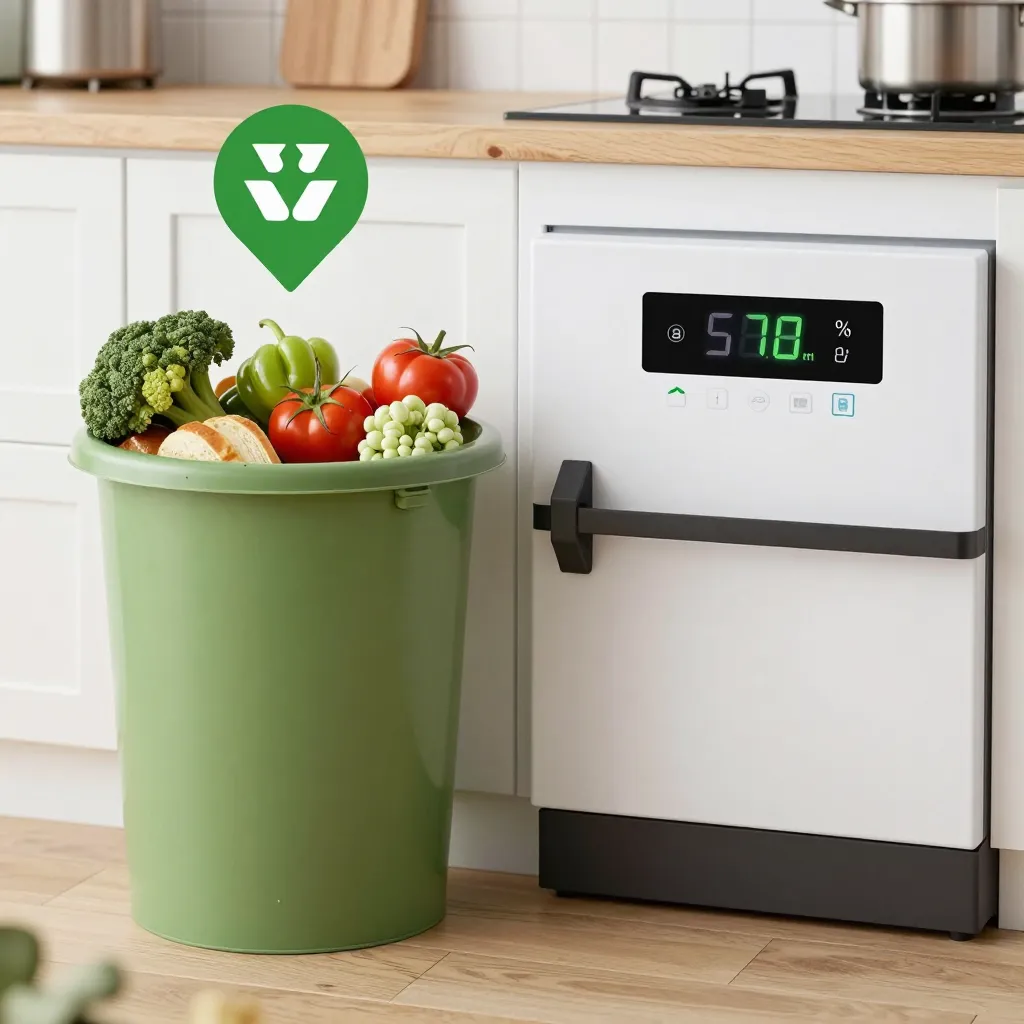
The Hidden Cost of Traditional Paper Menus on Food Waste
Many restaurant owners assume that printing a new menu is a minor expense, but the environmental and financial impact of physical menus extends far beyond the cost of paper and ink. Traditional menus often lead to significant food waste because they lock establishments into static offerings that cannot adapt quickly to supply chain disruptions or seasonal ingredient shortages. When a restaurant prints a menu featuring specific ingredients, they are often forced to order those items to meet customer expectations, even if the supplier is struggling to deliver. This rigid supply chain creates a scenario where perishable goods spoil before they can be used, directly contributing to the global issue of food waste. According to the Food and Agriculture Organization (FAO), approximately one-third of all food produced globally is lost or wasted, with the hospitality sector being a major contributor. By sticking to a printed list, a cafe might miss the opportunity to pivot to local, abundant produce, leaving high-quality ingredients to rot in the back of the house.
Furthermore, the psychological barrier of a printed menu can discourage customers from trying new or seasonal items. If a chef introduces a dish made from a surplus of a specific vegetable, a paper menu that hasn't been updated to reflect this new offering will fail to communicate the dish's availability. Consequently, the restaurant cannot sell the product, and it must be discarded. This disconnect between supply and demand is a primary driver of waste in the food service industry. Digital menus solve this by acting as a dynamic bridge between the kitchen's capabilities and the customer's appetite, ensuring that what is available is exactly what is being offered.
Real-Time Inventory Management and Dynamic Menu Updates
One of the most powerful features of a digital menu platform is the ability to update offerings in real-time. When a supplier notifies a restaurant that a specific ingredient is out of stock or that a new harvest is available, the manager can instantly adjust the digital menu. This agility prevents the restaurant from ordering unnecessary stock that will inevitably go to waste. For example, if a local farm informs a cafe that they have an excess of heirloom tomatoes, the cafe owner can immediately add a special tomato-based dish to the digital menu. This not only utilizes the surplus but also promotes local agriculture, creating a win-win situation for the business and the environment. In contrast, a paper menu would require hours of printing, laminating, and physical distribution to make such a change, often by the time the new menu reached the front of house, the window of opportunity to sell the surplus produce would have closed.
Dynamic updates also allow for the implementation of "sneaky" substitutions that reduce waste without alienating customers. If a chef has a large batch of mushrooms that need to be used before they spoil, they can simply toggle the mushroom option on for all digital table devices. Customers see the item as a fresh, available option and order it, effectively clearing inventory without any marketing fluff. This level of control is impossible with traditional menus. Studies suggest that restaurants that utilize dynamic menu systems can reduce food waste by up to 20-30% compared to those relying on static paper lists. The ability to react instantly to inventory levels transforms the menu from a static document into a strategic inventory management tool.
Reducing Paper Waste and Carbon Footprint Through Digital Adoption
The shift to digital menus offers a direct and measurable reduction in paper waste, which is a significant component of a restaurant's overall environmental footprint. Every time a restaurant prints a new version of a menu due to a price change, a holiday promotion, or a seasonal update, they are generating unnecessary paper waste. Over the course of a year, a busy restaurant can go through dozens of menu versions, resulting in thousands of sheets of paper ending up in landfills. By adopting a digital solution, restaurants eliminate this recurring source of waste entirely. The carbon footprint associated with manufacturing paper, transporting it to printing facilities, and the energy used for printing and laminating is also eliminated. This reduction in physical resources contributes to a greener brand image, which is increasingly important to modern consumers who prioritize sustainability.
Moreover, digital menus reduce the need for physical storage space. Paper menus take up valuable square footage in the kitchen and front-of-house areas, often requiring dedicated cabinets or drawers to store multiple versions for different times of the year. This storage space could otherwise be used for storing fresh ingredients, thereby reducing the risk of spoilage due to overcrowding or poor organization. When a restaurant transitions to a platform like upQR, they free up space that can be repurposed for cold storage, directly impacting their ability to keep food fresh and reducing the likelihood of waste caused by temperature fluctuations or lack of proper organization. The environmental benefits extend beyond just the menu itself; they permeate the entire operational structure of the restaurant.
Leveraging Data Analytics to Optimize Menu Engineering
Digital menu platforms provide restaurant owners with access to rich data analytics that paper menus simply cannot offer. These analytics reveal which dishes are most popular, which items have the highest waste rates, and which ingredients are frequently ordered together. Armed with this information, chefs can make informed decisions about their menu composition to minimize waste. For instance, if the data shows that a specific appetizer is rarely ordered but uses expensive, perishable ingredients, the chef might decide to reformulate the dish to use less expensive alternatives or remove it from the menu entirely. Conversely, if a dish is a customer favorite but relies on a single ingredient that is hard to source, the chef can prioritize building relationships with suppliers who can guarantee a steady supply, reducing the risk of stockouts and subsequent waste.
Advanced analytics can also help in predicting demand more accurately. By analyzing historical data, weather patterns, and even local events, a digital menu system can forecast how many of a specific item will be needed for a given day. This allows for more precise ordering of ingredients, ensuring that the kitchen is not overstocked with perishables that will spoil. For example, if the data indicates a heatwave is coming, the system might suggest promoting cold, refreshing salads or soups, while downscaling the production of hot, heavy dishes that require more perishable meat and dairy. This proactive approach to menu engineering is a cornerstone of sustainable restaurant management. It shifts the focus from reactive waste managementthrowing away spoiled foodto proactive prevention through data-driven decision-making.
Enhancing Customer Engagement and Promoting Sustainable Choices
Digital menus offer unique opportunities to engage customers and encourage them to make sustainable choices that reduce waste. Restaurants can use the digital interface to highlight seasonal ingredients, local sourcing, and dishes made from "ugly" produce that would otherwise be discarded. By educating customers about the story behind their food, restaurants can build a loyal customer base that values sustainability. For example, a restaurant could add a small note next to a dish that features a root vegetable, explaining that the whole root is used to minimize waste, rather than just the top portion. This transparency fosters trust and encourages customers to support the restaurant's efforts to reduce their environmental impact.
Additionally, digital menus can gamify the experience of reducing waste. Restaurants can offer discounts or loyalty points to customers who opt for "waste-reduction" specials, such as dishes that use day-old bread or surplus vegetables. This incentivizes customers to participate in the sustainability mission of the restaurant. The interactive nature of digital menus also allows for instant feedback. If a customer asks about an ingredient, the staff can pull up detailed information on the sourcing and preparation methods, further reinforcing the restaurant's commitment to sustainability. This level of engagement not only reduces waste but also enhances the overall dining experience, making customers feel like active participants in a larger environmental cause.
Conclusion
The transition from paper to digital menus is not just an upgrade in technology; it is a strategic move toward sustainability and operational efficiency. By reducing paper waste, enabling real-time inventory management, leveraging data analytics, and engaging customers in sustainable practices, restaurants can significantly cut down on food waste. These benefits translate directly into cost savings and a stronger brand reputation. For restaurant owners and cafe managers looking to future-proof their business while doing good for the planet, adopting a digital solution is essential. Platforms like upQR provide the tools necessary to implement these strategies seamlessly, offering a user-friendly interface for both staff and customers. By choosing upQR, you are not just updating your menu; you are committing to a more sustainable, profitable, and resilient future for your establishment.
Related Posts
Ready to create your digital menu?
Create your QR menu in minutes and reach your customers in any language.
