Optimize Seating with QR Ordering: A Managers Guide
Learn how digital QR menus transform table turnover, reduce wait times, and streamline operations for modern restaurants and cafes.
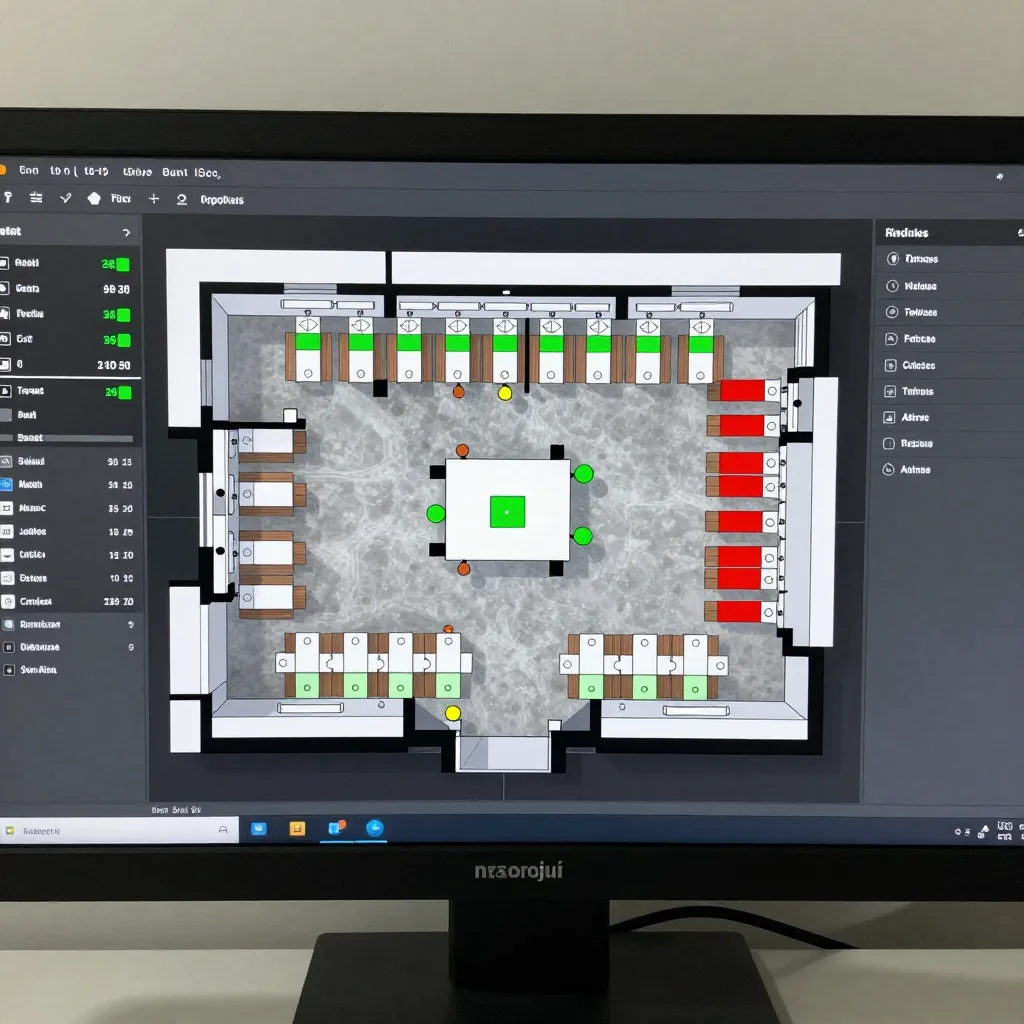
Transforming the Dining Floor Through Digital Integration
For restaurant owners and cafe managers, the dining floor is the heartbeat of the operation. Every empty second represents lost revenue, and every bottleneck in the ordering process slows down the entire service cycle. Traditional paper menus and manual order-taking often create friction that frustrates guests and strains staff. By shifting to a digital QR menu platform, you are not just replacing paper; you are fundamentally altering the workflow of your establishment. This shift allows for a seamless integration of technology that respects the human element while maximizing efficiency.
When a guest scans a code to access a menu, the immediate impact is a reduction in the "decision paralysis" that often occurs at physical tables. Guests can browse high-quality images, read detailed descriptions, and check allergen information at their own pace. This autonomy means that when the guest is ready to order, the kitchen is already prepared to start cooking, significantly reducing the lag time between seating and food arrival. For busy lunch rushes or weekend dinners, this speed is the difference between a smooth operation and a chaotic one.
The strategic advantage here goes beyond convenience. It is about data-driven decision-making. A digital system tracks exactly which items are popular, which times of day see the longest ordering delays, and where bottlenecks occur. This information empowers managers to adjust staffing levels dynamically, ensuring that servers are deployed where they are most needed, rather than being stuck taking orders for tables that have already been served.
Accelerating Table Turnover Without Compromising Experience
Table turnover is a critical metric for profitability, yet it is often approached with fear that faster service will lead to a rushed guest experience. Digital ordering changes this dynamic by decoupling the ordering speed from the service quality. With a digital menu, the time a server spends standing by a table with a notepad or a tablet decreases dramatically. Servers can spend more time engaging in conversation, offering recommendations, and ensuring guest satisfaction, while the actual transaction happens instantly.
Consider the scenario of a high-volume cafe during a morning rush. Traditionally, a server might take 4 to 5 minutes to walk around, write down orders, and return them to the kitchen. With a QR code system, this process is condensed to seconds. A guest can scan, order their coffee and pastry, and pay within two minutes. This efficiency allows a single server to manage 30% more tables without feeling overwhelmed. The result is a faster turnover rate that keeps the dining room clean and ready for new guests sooner, directly increasing the number of covers served per day.
Furthermore, the ability to split checks instantly is a massive operational win. In traditional setups, splitting a bill often requires a manager to intervene or a complex manual calculation. With digital menus, guests can split items individually or by percentage with a few taps. This eliminates the "bill drama" that often delays the end of a meal, encouraging guests to finish their coffee and leave promptly, making room for the next reservation. This seamless checkout process is particularly valuable for casual dining environments where the pace needs to remain brisk.
Eliminating Errors and Enhancing Operational Transparency
Human error is inevitable in any manual system, but it is costly in a restaurant. Misheard orders, wrong items sent to the kitchen, and pricing mistakes can lead to food waste, kitchen rework, and unhappy customers. Digital menus act as a fail-safe mechanism that ensures the kitchen receives the exact order the guest intended. Every tap on the screen translates directly into a ticket in the kitchen display system, removing the ambiguity of handwriting or verbal communication.
Transparency is another pillar of modern restaurant management. Guests expect to know exactly what they are eating, including ingredient sourcing and allergen warnings. A digital platform allows you to display this information prominently and accurately. If a guest has a nut allergy, they can instantly filter the menu or see a clear warning, reducing the anxiety of dining out. This level of honesty builds trust. When guests trust that the information on the screen is accurate and that the kitchen follows those instructions, the likelihood of complaints drops significantly.
From a management perspective, this accuracy translates to lower food costs. Kitchen reworkpreparing a dish twice because the first one was wrongis a silent killer of margins. By automating the order transmission, you ensure that ingredients are used efficiently and that waste is minimized. Additionally, digital menus can be updated in real-time. If an item is out of stock, it can be removed from the menu instantly, preventing orders that would inevitably lead to disappointment. This agility ensures that your inventory management is always in sync with what is being sold.
Adapting to Diverse Needs and Universal Accessibility
A restaurant is only as good as its ability to accommodate every guest. Traditional menus often fail to address the needs of people with visual impairments, reading difficulties, or dietary restrictions. Digital menus offer a solution that promotes universal access. Text can be resized, contrast can be adjusted, and audio descriptions can be added for visually impaired guests. This inclusivity ensures that your establishment is welcoming to everyone, from the elderly to the young, and from those with specific dietary needs to those who simply prefer a different layout.
Language barriers are another hurdle that digital menus effectively bridge. A global traveler or a non-native speaker might struggle to navigate a physical menu written in the local language. With a QR code system, you can offer the menu in multiple languages instantly. A guest can switch between English, Spanish, French, or Mandarin with a single tap. This feature not only enhances the guest experience but also expands your potential customer base to include tourists and international visitors who might otherwise feel excluded.
Dietary filtering is equally powerful. Guests can easily sort the menu by "Vegetarian," "Gluten-Free," or "Dairy-Free," making it easier for them to find options that suit their lifestyle. This reduces the time spent asking servers for special requests and ensures that the kitchen is prepared for specific dietary requirements from the start. By making these accommodations effortless, you demonstrate a commitment to inclusivity that resonates with modern consumers who value social responsibility.
Strategic Implementation Tips for Maximum Efficiency
Implementing a digital menu system is not just about scanning a code; it is about optimizing the entire workflow. To get the most out of your QR menu platform, consider these actionable strategies. First, ensure the QR codes are placed strategically. They should be visible but not obstructive, ideally located near the table setting or on a stand that guests can easily access. Avoid placing them where they might be obscured by a phone case or a bag.
Second, design the digital menu interface with the guest's attention span in mind. Use high-quality images, clear typography, and a logical flow. Place high-margin or popular items in the "golden zone" of the screen where they are most visible. Third, integrate the system with your existing POS (Point of Sale) and kitchen display systems. This integration ensures that orders flow seamlessly from the guest's phone to the kitchen and the register, eliminating duplicate data entry.
Finally, train your staff to support the new system. While guests can order independently, servers still play a crucial role in guiding them, answering questions, and handling special requests. Encourage staff to proactively mention the digital menu to guests who might be hesitant to use it. By fostering a culture of adoption, you ensure that the technology enhances rather than replaces the personal touch of your service.
Real-world examples show that restaurants adopting these strategies see a marked improvement in their metrics. A local bistro in Chicago reported a 15% increase in table turnover after switching to a digital menu, allowing them to accommodate more walk-ins during peak hours. Similarly, a cafe chain in London used the multi-language feature to boost sales among their tourist-heavy area, seeing a 20% increase in orders from international visitors. These success stories highlight the tangible benefits of embracing digital transformation in the dining industry.
Conclusion: The Future of Seamless Dining
The evolution of restaurant table management is clear: the future lies in digital integration that respects both efficiency and the guest experience. By adopting a digital QR menu platform, you are not just modernizing your operations; you are building a more sustainable, transparent, and inclusive business. You eliminate paper waste, ensure honest and accurate information, and create a dining environment where everyone feels welcome.
upQR is the ideal solution for restaurants and cafes looking to achieve this balance. Our platform is designed to be environmentally conscious, offering a fully digital experience that reduces your carbon footprint. We prioritize transparency, ensuring that every ingredient and allergen is clearly listed, and we maintain a commitment to honest information with no hidden fees or misleading descriptions. Whether you are a small cafe or a large restaurant chain, upQR provides the tools you need to optimize seating, accelerate turnover, and delight your guests. Embrace the shift to digital today and unlock the full potential of your dining space.
Related Posts
Ready to create your digital menu?
Create your QR menu in minutes and reach your customers in any language.
