Pop-Up Restaurants: Master Flexible Service with QR Menus
Discover how pop-up restaurants leverage digital QR menus to adapt instantly to location changes, manage limited inventory, and ensure universal access for every guest.
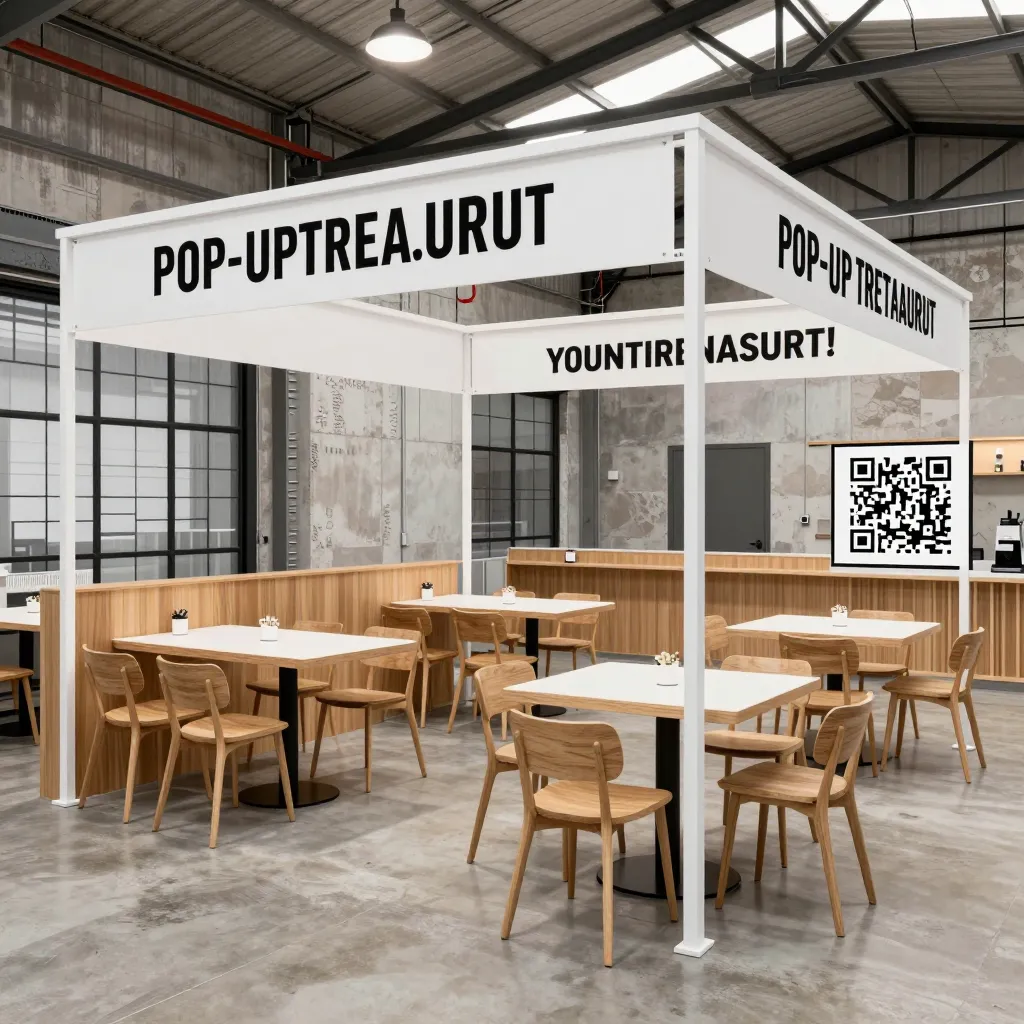
The Dynamic Nature of Pop-Up Dining and the Need for Agility
Pop-up restaurants represent the pinnacle of culinary creativity and operational agility. Unlike traditional brick-and-mortar establishments, these ephemeral dining experiences often relocate weekly or even daily, sometimes operating from shipping containers, park pavilions, or temporary street kiosks. For owners managing these fluid environments, the ability to pivot instantly is not just a luxury; it is a survival mechanism. The challenge lies in maintaining a consistent brand experience while constantly changing physical locations and menu offerings.
Traditional paper menus simply cannot keep pace with this level of dynamism. Printing a new menu every time a pop-up moves or a seasonal ingredient is swapped introduces significant waste, delays, and logistical friction. It creates a disconnect between the kitchen's latest creation and the diner's expectations. This is where digital QR menus become the central nervous system of a successful pop-up operation, providing the necessary infrastructure to support a truly flexible service model.
Eliminating Waste and Ensuring Operational Transparency
One of the core challenges for pop-up restaurants is resource management. Because these events are often short-term, food waste can be disproportionately high if inventory isn't perfectly aligned with demand. A digital QR menu allows owners to update menu items in real-time, reflecting exactly what is available in the kitchen at that specific moment. If a specific fish is sold out or a vegetable from a local farm runs low, the menu updates instantly, preventing guests from ordering items that cannot be fulfilled.
This transparency extends to the entire dining experience. Guests using an upQR digital menu see exactly what they are ordering, including precise ingredient lists and allergen information. This honesty builds trust, which is crucial for pop-ups that rely on word-of-mouth reputation. When a guest scans a code and sees a clear, accurate list of ingredients without hidden fees or misleading descriptions, they feel confident in their choice. This aligns perfectly with the value of transparency, ensuring that every customer, regardless of their dietary restrictions, can navigate the menu safely. By removing the ambiguity of handwritten specials or outdated paper lists, digital menus reduce the likelihood of food waste caused by miscommunication and customer disappointment.
Adapting to Universal Access and Local Language Needs
Pop-up locations are rarely static in their audience. A venue might be set up in a trendy district one day and a quiet residential neighborhood the next, or even in a different city entirely. The demographic and linguistic profile of the crowd can shift dramatically. A static paper menu printed in English might alienate a significant portion of the population in a diverse urban area or a non-English speaking neighborhood. Digital QR menus solve this by offering universal access.
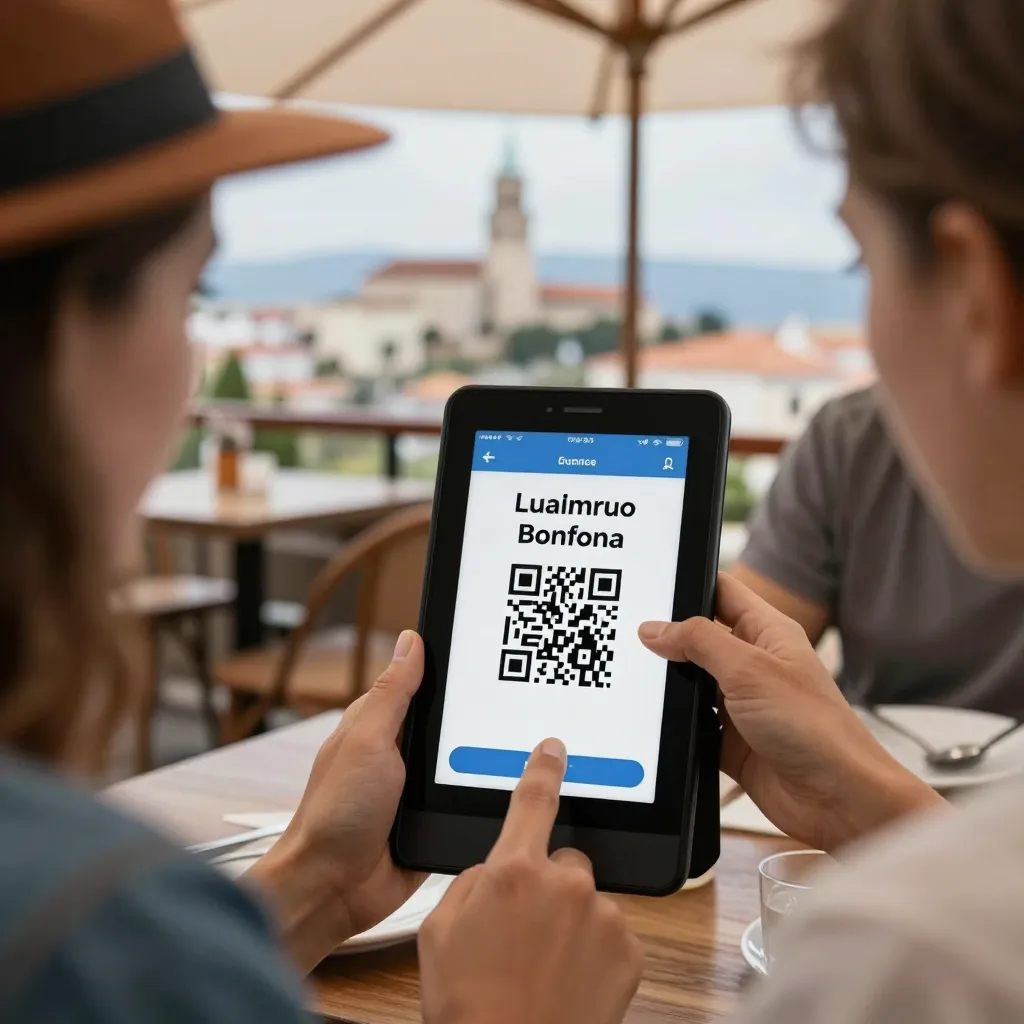
With platforms like upQR, owners can instantly switch the primary language of the menu or add translations for common languages spoken in the immediate vicinity. Imagine a pop-up in a multicultural festival setting where guests speak Spanish, Mandarin, or French. A digital menu can present the menu in the guest's preferred language or offer a seamless translation feature, ensuring that language barriers do not hinder the dining experience. Furthermore, accessibility features can be enabled, such as larger text options for visually impaired guests or screen-reader compatibility. This ensures that everyone, regardless of ability or background, knows exactly what they are eating. This commitment to universal access reflects a deeper value of inclusivity, making the pop-up experience welcoming to all.
Leveraging Data to Optimize Limited-Time Offers
The ephemeral nature of pop-up dining means that every dish is essentially a limited-time offer (LTO). In a traditional setup, owners have no data on which dishes sell best, which times of day are most popular, or which items cause the most friction. Digital QR menus provide a wealth of actionable data. Owners can track exactly which items are clicked but not ordered, indicating a need for better descriptions or pricing adjustments. They can see peak ordering times to prepare the kitchen more efficiently.
For example, if a pop-up discovers that their signature risotto takes too long to prepare during lunch rushes, they can adjust the menu description to manage expectations or offer a pre-made version. Data insights allow for rapid iteration. If a specific cocktail is a hit in one location but not in another, the owner can tweak the recipe or the marketing copy for that specific event. This data-driven approach ensures that the pop-up maximizes revenue and minimizes waste by focusing on what actually sells. It transforms the intuitive guesswork of pop-up management into a precise science, allowing owners to make informed decisions about inventory and staffing based on real customer behavior.
Streamlining Logistics for Rapid Relocation
The logistical burden of running a pop-up restaurant is immense. Every time the location changes, the owner must coordinate with vendors, update signage, and, traditionally, print and distribute new menus. This process consumes valuable time and resources that could be better spent on food quality and customer service. Digital QR menus eliminate this friction. The menu lives in the cloud, accessible from any device with a camera.
When a pop-up team packs up their equipment to move to a new venue, the menu does not need to be packed or transported. It is already updated with the new location's address and QR code. Guests can simply scan a code on a table tent, a window sticker, or a social media post to access the menu. This seamless transition allows the pop-up team to focus entirely on setting up the dining atmosphere and preparing the food. The flexibility to change the menu layout, photos, and descriptions instantly means that the pop-up can test new concepts without the fear of sunk costs in printed materials. If a concept doesn't resonate, the digital menu can be pivoted overnight without financial penalty.
Building a Sustainable and Honest Brand Identity
Modern diners are increasingly conscious of the environmental and ethical implications of their choices. Pop-up restaurants, by their nature, are often tied to sustainability initiatives, using local ingredients and minimizing their footprint. A digital QR menu reinforces this commitment by eliminating the need for single-use paper menus. Every paper menu left on a table is waste; every digital menu reduces the carbon footprint associated with printing, shipping, and disposal.
Beyond sustainability, the value of honesty is paramount. Pop-ups often feature high-end or experimental ingredients where customers want to know the full story. Digital menus allow for rich storytelling through high-quality photos and detailed descriptions of sourcing. Owners can highlight local farmers, explain the cooking techniques, and be transparent about pricing. There are no hidden fees or deceptive photos that mislead the customer. This integrity fosters a loyal community of food enthusiasts who appreciate the authenticity of the experience. By combining environmental consciousness with radical transparency, pop-up restaurants can build a brand that stands out in a crowded market.
Conclusion
Success in the pop-up restaurant industry hinges on the ability to be fast, flexible, and authentic. The constraints of traditional paper menuswaste, delay, and lack of adaptabilitydo not align with the dynamic nature of these culinary adventures. Digital QR menus provide the essential infrastructure to overcome these hurdles, allowing owners to manage inventory with precision, adapt to diverse audiences instantly, and operate with a lean, sustainable mindset. Platforms like upQR empower restaurant owners to create a dining experience that is not only delicious but also intelligent, inclusive, and honest. By embracing digital tools, pop-up restaurants can focus on what truly matters: the food and the connection with their guests, ensuring that every fleeting moment of dining is memorable and impactful.
Related Posts
Ready to create your digital menu?
Create your QR menu in minutes and reach your customers in any language.
