Boost Retention with QR Menu Loyalty Programs
Discover how digital QR menus transform customer data into powerful loyalty programs that increase repeat visits and boost lifetime value for restaurants.
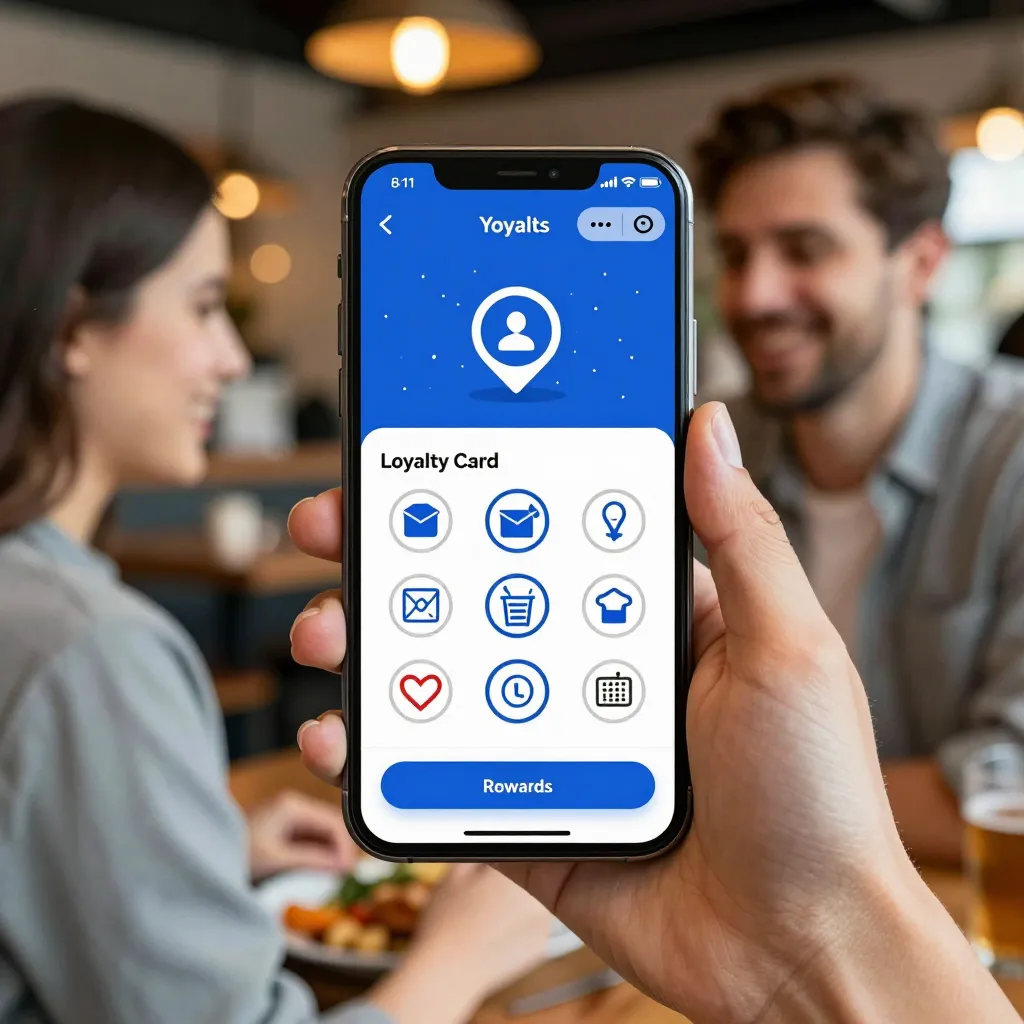
Why Traditional Loyalty Cards Are Failing Your Restaurant
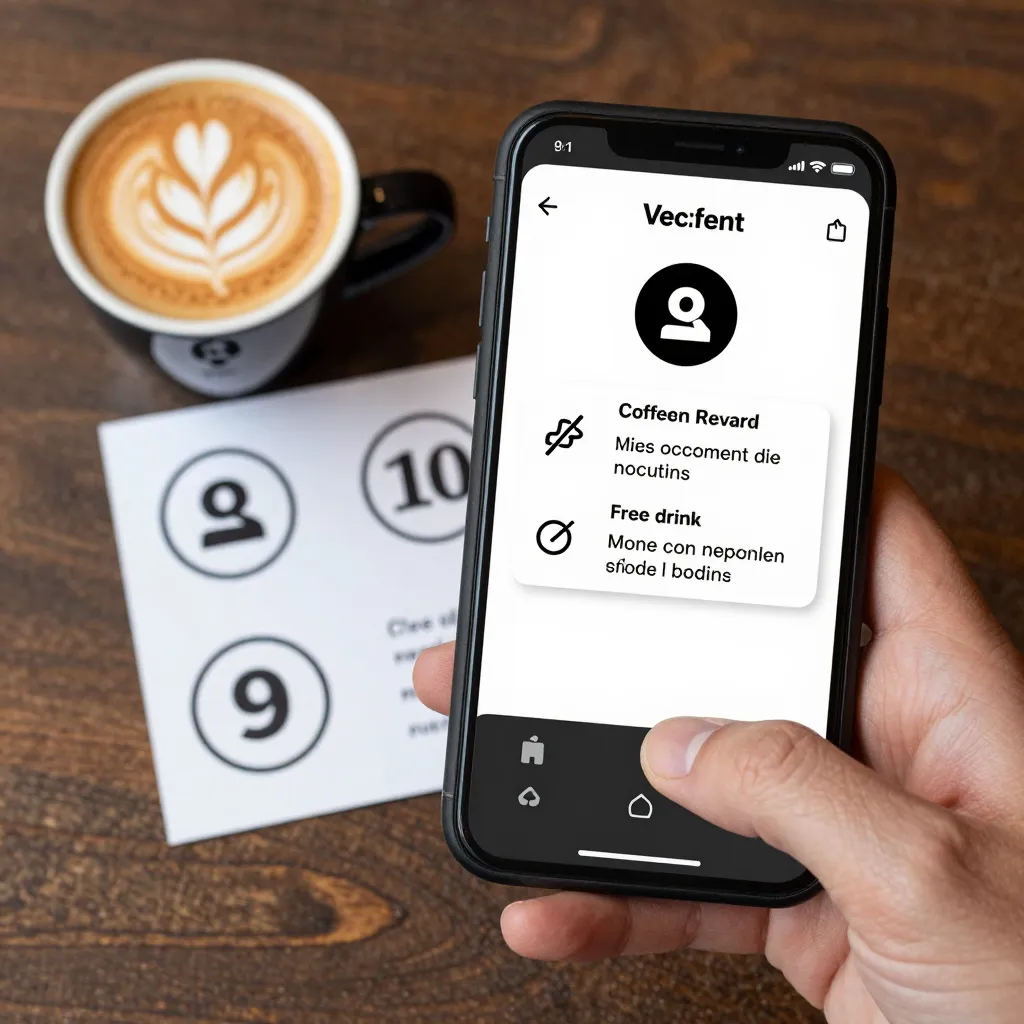
For decades, the standard method for building customer loyalty was the punch card. Customers would write in their names, carry a wallet full of plastic cards, and manually punch a hole every time they visited. While effective in a pre-digital era, this model is increasingly obsolete. The average customer now holds over 15 different cards in their wallet, leading to high abandonment rates. According to industry data, only about 12% of customers actually return to a store just to punch a card, and many of those cards go unused within six months.
The shift to mobile-first behavior has made physical cards a friction point rather than a benefit. Customers forget their cards at home, lose them, or simply prefer using their smartphones. When a restaurant relies on a physical card, they lose critical data. They don't know when a customer's birthday is, what their favorite order is, or why they chose to visit on a specific Tuesday. This lack of insight prevents the delivery of personalized experiences that drive retention.
Furthermore, the cost of printing, replacing, and managing physical cards adds up quickly. For a small cafe or a bustling bistro, these overhead costs eat into margins. More importantly, the data silo created by a standalone punch card prevents the restaurant from integrating loyalty efforts with other digital marketing channels like email newsletters or social media campaigns. To compete with modern competitors who offer seamless mobile experiences, you must move your loyalty strategy into the digital realm.
The Power of the QR Menu as a Loyalty Engine
A digital QR menu is far more than a tool for displaying prices and photos; it is a direct line of communication with your customer. Every time a guest scans the code to view the menu, they are interacting with your digital storefront. This interaction is the perfect opportunity to introduce a loyalty program without any friction.
By integrating a loyalty signup directly into the QR menu scan, you capture customer data at the exact moment they are most engaged. They are hungry, interested in the food, and ready to make a decision. This is the highest intent moment for data capture. When a customer signs up via their phone, the process is instant. They receive a confirmation message immediately, and they can often earn points or receive a welcome discount right away.
Consider the scenario of a busy lunch rush. A customer walks in, scans the QR code on the table, and sees a sleek menu. At the top, a clear call-to-action invites them to join the "VIP Club" for exclusive offers. They scan a QR code within the menu itself to sign up. This creates a seamless loop where the menu drives the signup, and the signup drives future revenue. With platforms like upQR, you can customize this flow to match your brand voice, ensuring the signup process feels natural and rewarding rather than intrusive.
Turning Data into Personalized Experiences
The true value of a digital loyalty program lies in personalization. When you collect data through your QR menu system, you gain insights into individual preferences. You can track which items are ordered most frequently, which dietary restrictions are common, and what price points appeal to your specific demographic. This data allows you to move beyond generic "10% off your next visit" coupons to highly targeted offers.
Imagine a customer who consistently orders the "Truffle Mushroom Pasta" every Friday night. With a physical punch card, you would never know this pattern. With a digital QR menu system, you can identify this behavior. On a slow Thursday night, your staff could send a personalized push notification to that specific customer: "We saved a table for you, and we made a special double portion of Truffle Pasta for your Friday visit." This level of personalization makes the customer feel valued and understood, significantly increasing the likelihood of them returning.
Personalization also extends to timing and messaging. Instead of sending a generic blast to everyone, you can segment your audience. For example, you might offer a "Happy Hour Special" only to customers who usually visit in the afternoon, or a "Weekend Brunch Upgrade" to those who frequent your establishment on Saturdays. Industry reports suggest that personalized marketing campaigns can see open rates up to 26% higher than generic ones. By leveraging the data from your QR menu, you turn every visit into an opportunity to deepen the relationship with your guest.
Integrating Digital Rewards with Operational Efficiency
One of the biggest hurdles to implementing a loyalty program is the operational burden. Managing a digital program requires a backend system that can handle signups, track points, validate rewards, and send notifications. This is where dedicated platforms like upQR shine. They offer a centralized dashboard that integrates with your existing operations.
With upQR, you don't need to hire a dedicated marketing team to manage your rewards. The system automates much of the heavy lifting. When a customer signs up through the QR menu, the account is created instantly. When they make a purchase, the system automatically calculates points earned based on your defined rules. If they reach a reward threshold, the system can automatically generate a coupon code for their next visit. This automation ensures accuracy and frees up your staff to focus on food quality and customer service rather than manual data entry.
The integration also helps with inventory management and menu optimization. If you notice that customers are redeeming a reward for a specific item but that item is running low, the system can flag this for your management team. Conversely, if an item has low redemption rates, you might adjust the pricing or the reward structure to make it more attractive. This feedback loop between the loyalty program and your operational data allows you to make data-driven decisions that improve the bottom line.
Furthermore, digital loyalty programs scale effortlessly. Whether you have 50 customers a day or 500, the system handles the load without requiring additional staff or printing costs. You can roll out new promotions to the entire customer base with a single click, testing different offers to see which ones drive the most foot traffic. This agility is crucial in the restaurant industry, where trends change rapidly and the ability to pivot quickly can mean the difference between a profitable month and a loss.
Measuring Success and Building Long-Term Value
To justify the investment in a digital loyalty program, you need to measure its impact. The right platform provides robust analytics that go beyond simple sign-up numbers. You can track the lifetime value (LTV) of customers who join your program compared to those who don't. Typically, customers who join a loyalty program spend 17% more over their lifetime than those who don't.
Key metrics to monitor include redemption rates, engagement rates, and the frequency of visits from program members. If you find that many people sign up but never redeem rewards, it might indicate that the rewards are not appealing or that the process to redeem them is too complicated. These insights allow you to refine your strategy continuously.
For instance, if your data shows that customers are redeeming rewards for desserts but not main courses, you might consider adjusting the point structure to encourage higher-margin item redemptions. You can also analyze the source of new customers. Are they coming from a referral bonus program? Are they responding to email campaigns sent after a visit? Understanding these touchpoints helps you allocate your marketing budget more effectively.
Long-term value is also built through retention. A loyal customer is cheaper to acquire than a new one. The cost of acquiring a new customer can be five times higher than retaining an existing one. By fostering loyalty through a seamless digital experience, you reduce churn and build a stable revenue stream. The data from your QR menu helps you understand the "why" behind customer behavior, allowing you to predict trends and prepare for seasonal shifts. For example, if you notice a dip in visits during a specific month, you can analyze the data to see if it correlates with a lack of promotional activity and adjust your calendar accordingly.
Conclusion: The Future of Dining is Digital
The transition to digital loyalty programs is no longer optional for restaurants that want to thrive in the modern market. It is a necessary evolution that aligns with customer expectations for convenience and personalization. By leveraging the power of your QR menu, you can transform a simple act of scanning a code into the start of a lasting relationship.
Platforms like upQR provide the infrastructure needed to make this transition smooth and effective. They offer the tools to capture data, automate rewards, and personalize interactions without the need for complex technical setups. When you combine the convenience of a QR menu with a smart loyalty strategy, you create a competitive advantage that is difficult for competitors to replicate. Your customers will appreciate the ease of signing up, the relevance of the offers they receive, and the sense of being valued as individuals. Start building a loyal community today by making your QR menu the gateway to exclusive rewards and unforgettable dining experiences.
Related Posts
Ready to create your digital menu?
Create your QR menu in minutes and reach your customers in any language.
