How QR Menus Reduce Restaurant Noise Pollution
Discover how digital QR menus create a quieter dining environment, improve staff efficiency, and enhance guest comfort in busy restaurant settings.
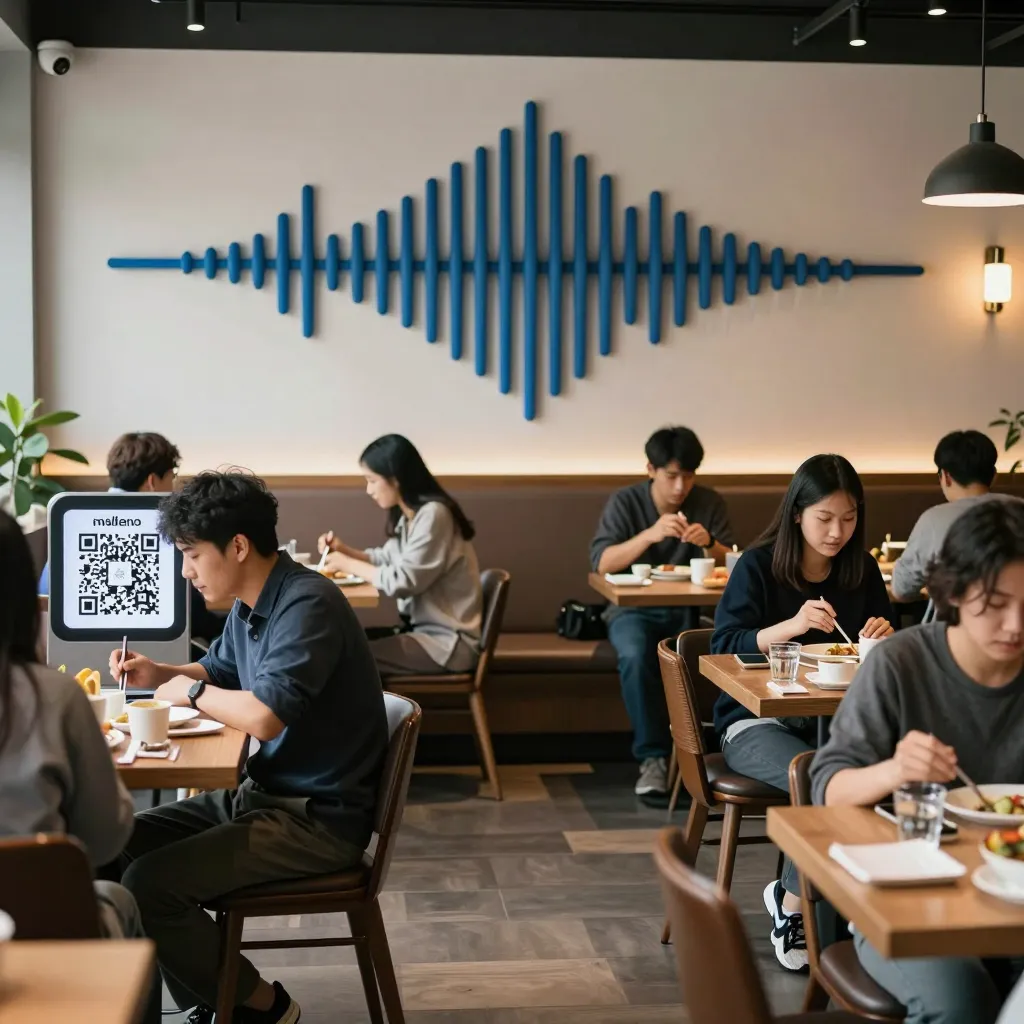
The Unseen Cost of Loud Restaurants
When guests arrive at a bustling bistro or a lively family-friendly cafe, the first thing they notice is often the sound. Laughter, clinking cutlery, music, and staff announcements blend into a chaotic symphony that can quickly become overwhelming. For many diners, this noise level detracts from the culinary experience, making conversation difficult and the meal feel rushed. Beyond the immediate discomfort of the guests, excessive noise creates significant stress for restaurant staff who must constantly shout to be heard, leading to communication breakdowns and increased operational errors.
According to the American Speech-Language-Hearing Association, background noise levels exceeding 65 decibels (dB) can significantly impair speech intelligibility. In many traditional dining environments, noise levels often range from 70 to 85 dB, which is not only uncomfortable but also detrimental to the overall ambiance. This "noise pollution" is frequently exacerbated by the need for guests to physically pass around tables to view the menu, a process that involves standing up, making eye contact, and often speaking loudly to coordinate the order.
The impact of this auditory clutter extends to the bottom line. Studies suggest that when customers cannot hear themselves speak comfortably, they are less likely to order additional items or stay for dessert. A quieter environment encourages longer stays and higher check averages. By addressing the root causes of this noise, restaurant owners can transform their establishments into more inviting spaces that prioritize guest well-being and operational excellence.
Eliminating the "Menu Shuffle" to Lower Decibels
One of the primary drivers of noise in a busy dining room is the traditional paper menu. When a guest sits down, they must stand up, locate the menu, and then physically pass it around the table. This simple action triggers a chain reaction of noise: the rustling of paper, the clinking of glasses as people lean in, and the raised voices used to discuss options. In a high-volume restaurant with 20 or more tables, this activity happens dozens of times per hour, contributing to a cumulative rise in sound levels.
Introducing a digital QR menu system fundamentally changes this dynamic. With a simple scan, the menu appears instantly on the guest's smartphone screen, eliminating the need to pass physical objects around. This small change has a profound effect on the acoustic environment of the restaurant. Guests remain seated and relaxed, focusing on their conversation rather than the logistics of reading the menu. The elimination of the "menu shuffle" reduces the ambient noise floor, allowing for a more serene atmosphere where every word spoken carries less reverberation.
Consider the experience of a group of friends at a table of four. In a traditional setting, three people might need to stand up to view the menu while one person holds it. They might discuss prices, ingredients, and dietary restrictions while standing, often raising their voices to be heard over the music. With a QR menu, all four guests can view the menu simultaneously while seated. They can discuss their choices quietly, using their phones as visual aids. This shift from a standing, active process to a passive, digital one significantly reduces the volume and duration of noise generated during the ordering phase.
Enhancing Staff Communication and Reducing Shouting
While guests benefit from a quieter environment, the staff gains even more from the implementation of QR menus. In a noisy restaurant, servers must project their voices to communicate with bussers, cooks, and managers. This constant shouting leads to vocal strain, fatigue, and a higher risk of miscommunication. When a server shouts an order like "Table 5, two steaks, medium rare," it is easy for the kitchen to miss a detail or for the server to mishear a call-back, resulting in slow service and frustrated guests.
QR menus streamline the ordering process, which directly impacts staff noise levels. Because the order is entered directly into the point-of-sale (POS) system by the guest or the server via a tablet, there is less need for verbal confirmation of every item. Servers can move through the dining room with confidence, knowing that the order is already in the system. This efficiency allows them to speak more softly and interact with guests more naturally, rather than maintaining a "yelling match" posture.
Furthermore, digital menus allow for dynamic updates that reduce the need for staff to verbally announce specials or changes. Instead of a manager running through the dining room to shout, "We are out of the salmon tonight," or "Today's special is grilled branzino," the information is updated instantly on the digital screens. This reduces the frequency of interruptions and the volume of announcements required to keep the floor running smoothly. The result is a calmer, more organized team that can focus on hospitality rather than noise management.
Improving Accessibility and Universal Dining Comfort
The benefits of reducing noise pollution extend beyond mere comfort; they are deeply tied to inclusivity and accessibility. For guests with hearing impairments or those who are simply sensitive to loud environments, a noisy restaurant can be an exclusionary space. Traditional dining rooms often lack the acoustic dampening needed to make these environments welcoming for everyone. By adopting a technology that minimizes noise generation, restaurants can create a more inclusive atmosphere where every guest feels comfortable and respected.
QR menus also support universal access by providing a visual alternative to auditory communication. When a guest has difficulty hearing a server, the digital menu ensures they can still read the options clearly. The text can be enlarged, and the interface can be designed for ease of use, ensuring that no guest is left out due to physical limitations or situational hearing loss.
Moreover, digital menus facilitate transparency regarding ingredients and allergens, which is crucial for guests with specific dietary needs. In a loud environment, guests often ask rapid-fire questions about ingredients to ensure safety. With a QR menu, detailed information is available instantly, reducing the need for repetitive questioning and the associated noise. This transparency aligns with the core value of honesty, ensuring that guests receive accurate information without the need for loud clarification.
Practical Strategies for Maximizing Quiet Ambiance
Implementing a QR menu is the first step toward reducing noise, but maximizing the quiet ambiance requires a holistic approach. Restaurant owners and managers can combine digital tools with physical design choices to create an optimal acoustic environment. Here are several practical strategies to complement the use of upQR and other digital menu systems:
- Strategic Lighting and Seating: Ensure that lighting is adequate so guests do not need to huddle over menus. Properly lit tables encourage guests to relax and settle in quickly, reducing the time spent standing and chatting loudly about menu items. Comfortable seating that encourages guests to stay seated longer also helps maintain a lower noise floor.
- Sound-Absorbing Materials: Invest in soft furnishings such as upholstered chairs, heavy drapes, and carpeting. These materials absorb sound waves rather than reflecting them, which naturally lowers the decibel level of the room. Combining these materials with a digital menu system creates a synergistic effect on noise reduction.
- Music Volume Management: Work with audio engineers to select music that complements the room's acoustics. Music that is too loud or too rhythmic can mask speech and increase perceived noise. Aim for a background level that is 10-15 dB below the threshold of speech intelligibility to allow conversation to flow naturally without raising voices.
- Server Training: Train staff on the importance of tone and volume. Encourage a culture of soft speaking and active listening. When servers model calm behavior, guests are more likely to follow suit. Digital menus empower servers to focus on guest engagement rather than order verification, fostering a more personal and quiet interaction.
By integrating these strategies with a robust digital menu platform, restaurants can achieve a significant reduction in noise pollution. The combination of technology and thoughtful design creates an environment where the focus returns to the food and the company, rather than the chaos of the dining room.
Embracing Transparency and Sustainability in a Quieter Space
The shift to QR menus is not just about noise; it is a commitment to a set of core values that define modern hospitality. At upQR, we believe in transparency, sustainability, and universal access. Reducing noise pollution is a direct manifestation of these principles. A quieter restaurant is a more sustainable space because it fosters a slower, more mindful dining experience. Guests are less likely to feel rushed, leading to a deeper appreciation of the meal and the atmosphere.
Transparency is also enhanced in a quieter environment. When guests can read the menu without strain, they are better informed about what they are ordering. They can see the full ingredients list, check for allergens, and understand the preparation methods. This honesty builds trust between the restaurant and its customers, reinforcing the brand's integrity. There are no hidden fees, no misleading descriptions, and no deceptive photosjust clear, accurate information presented in a calm, accessible way.
Sustainability is another pillar of our mission. Digital menus eliminate the need for paper, reducing waste and the environmental footprint of the restaurant. This eco-friendly approach aligns with the growing demand from consumers for responsible business practices. When guests see that a restaurant cares about the planet, they are more likely to support its mission. The reduction in noise pollution complements this by creating a more pleasant, less stressful environment for both staff and guests, further enhancing the overall value proposition of the establishment.
As the industry moves toward more digital solutions, the opportunity to redefine the dining experience is immense. By adopting a system like upQR, restaurants can lead the way in creating spaces that are not only efficient and sustainable but also peaceful and welcoming. The goal is to create a sanctuary where guests can disconnect from the outside world and reconnect with their meal and each other. In this quiet space, the true essence of hospitality shines through, free from the distractions of noise and clutter.
Related Posts
Ready to create your digital menu?
Create your QR menu in minutes and reach your customers in any language.
