
How QR Menus Elevate Fine Dining Experiences
Discover how digital QR menus transform fine dining through personalized guest experiences, operational efficiency, and seamless tableside ordering.
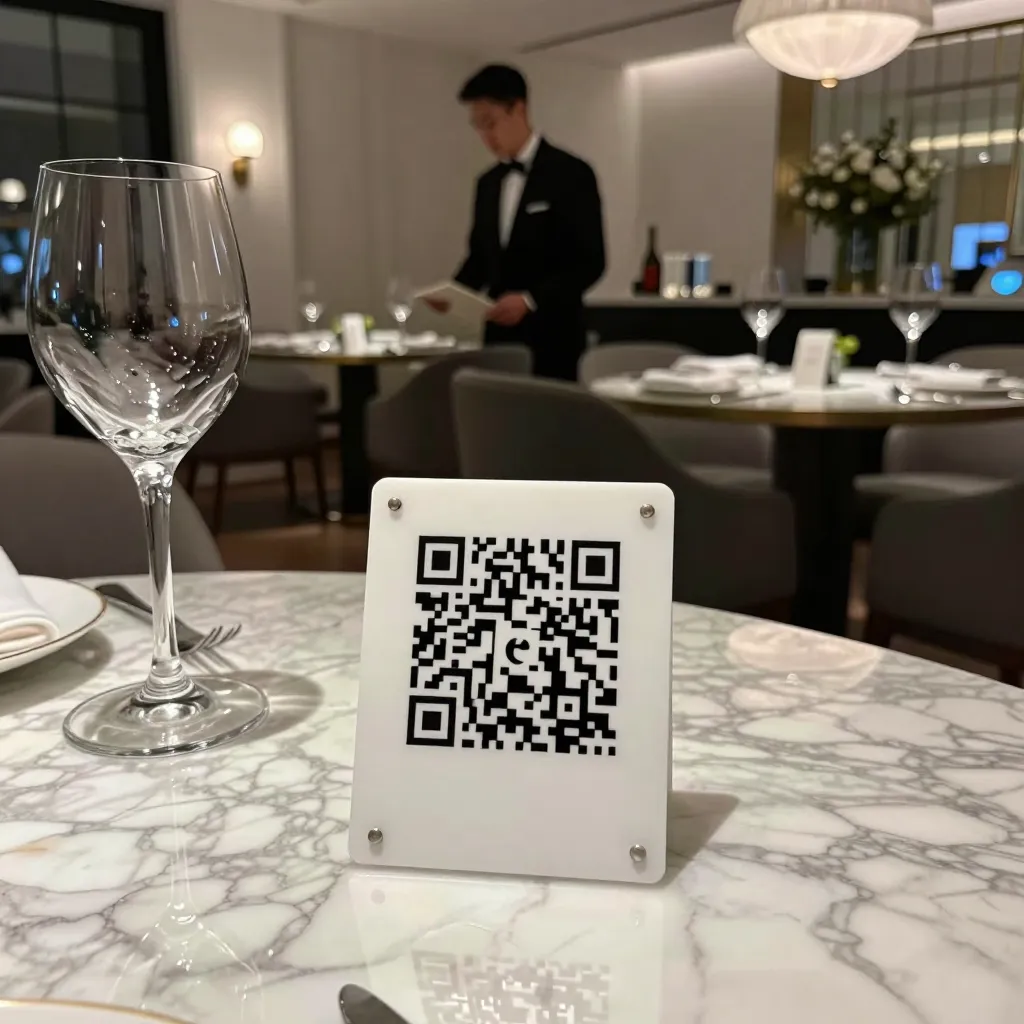
Transforming the Guest Journey with Digital Elegance
In the realm of fine dining, every detail contributes to the overall ambiance and guest satisfaction. Traditionally, paper menus served as static tools, often limiting a restaurant's ability to showcase high-resolution imagery or update offerings in real-time. The integration of QR menu technology, however, introduces a layer of sophistication that aligns perfectly with the expectations of discerning diners. When a guest scans a QR code at their table, they are greeted with a visually stunning digital interface that reflects the restaurant's brand identity. This immediate shift from a physical booklet to an interactive screen sets a tone of modern luxury.
Consider the scenario of a Michelin-starred establishment where presentation is paramount. A digital menu allows chefs to present their dishes with professional photography, detailed ingredient sourcing information, and even short video clips explaining the preparation process. This level of transparency and engagement elevates the perceived value of the meal before the food even arrives. For fine dining managers, this transition also solves the logistical nightmare of reprinting menus for seasonal changes or daily specials. Instead of wasting paper and incurring printing costs, the menu can be updated instantly, ensuring that the guest always sees the most current and accurate selection of dishes.
The psychological impact on the guest is significant. Digital menus often include features like 'chef's recommendations' or 'pairing suggestions' that guide the guest's decision-making process, reducing the paralysis of choice often associated with extensive à la carte lists. By organizing items logically and highlighting dietary restrictions clearly, the digital format ensures a smoother ordering process. This efficiency translates to a more relaxed dining experience, allowing the guest to focus on conversation and the atmosphere rather than deciphering handwriting or searching for a specific dish.
Operational Efficiency and Real-Time Inventory Management
Behind the scenes, the adoption of QR menus offers substantial operational benefits that directly impact the bottom line. One of the most critical challenges for fine dining restaurants is inventory management. When a popular ingredient runs low or a dish needs to be temporarily removed due to supplier issues, a paper menu requires manual intervention-reprinting or physically removing items. With a digital QR menu system, these changes happen in seconds. A manager can flag an item as 'unavailable' or 'coming soon' without disrupting the guest experience. This real-time capability ensures that the kitchen is not overwhelmed by orders for items that are out of stock, reducing food waste and improving kitchen throughput.
Furthermore, the data collected through QR menu interactions provides invaluable insights for restaurant owners. Unlike paper menus, digital platforms can track which dishes are most popular, which items are frequently skipped, and what time of day certain courses are ordered. This data allows for strategic menu engineering. For instance, if a high-margin appetizer is consistently overlooked, the restaurant can adjust its placement or description on the digital menu to encourage ordering. These analytics help in optimizing inventory purchases, ensuring that capital is not tied up in ingredients that do not sell.
Another operational advantage is the reduction of front-of-house labor. In a traditional setup, servers spend significant time walking back and forth to take orders and input them into a Point of Sale (POS) system. With a QR menu, guests can order directly from their table. This allows servers to focus on hospitality-refilling water glasses, checking in on guests, and making personalized recommendations-rather than administrative tasks. For a busy fine dining restaurant with multiple floors or a large dining room, this shift can lead to a noticeable improvement in table turnover rates and overall staff morale.
Personalization and Enhanced Tableside Ordering
Personalization is a cornerstone of the fine dining experience, and QR menus provide the tools to deliver it at scale. A digital menu can be customized based on the guest's profile or preferences if integrated with a CRM system. For example, a returning guest might see a 'Welcome Back' message or a curated selection of their favorite dishes. This level of attention to detail makes the guest feel valued and understood, fostering loyalty and encouraging repeat visits.
Tableside ordering capabilities further enhance this personalization. In many high-end restaurants, guests prefer to order directly with their server to discuss wine pairings or allergen concerns in depth. A well-designed QR menu can facilitate this by allowing guests to note allergies directly on the screen, which is then instantly transmitted to the kitchen with a priority flag. This ensures that the kitchen is aware of the guest's needs immediately, reducing the risk of errors that could lead to serious health issues or customer dissatisfaction.
Interactive elements such as 'Ask the Chef' pop-ups or 'Sommelier's Notes' can be embedded within the menu interface. When a guest hovers over a wine selection, a brief story about the vineyard or the winemaker's philosophy can appear. This educational aspect deepens the guest's appreciation for the products being served and can justify premium pricing by adding context and value. The ability to send push notifications or SMS reminders about upcoming events or exclusive tasting menus also keeps the restaurant top-of-mind for the guest, driving future bookings without intrusive advertising.
Seamless Integration with Loyalty and Marketing Ecosystems
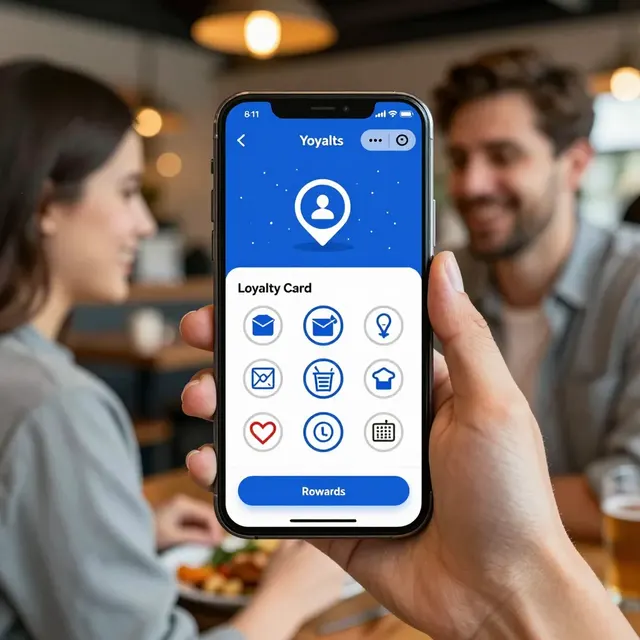
Modern fine dining establishments are increasingly viewed as brands rather than just places to eat. QR menus serve as a powerful touchpoint for marketing and customer retention strategies. By scanning the QR code, guests can be automatically enrolled in a loyalty program or offered a one-time discount for their first digital order. This not only incentivizes the adoption of the technology but also builds a database of customer contacts that can be used for targeted marketing campaigns.
Imagine a scenario where a restaurant wants to promote a new seasonal tasting menu. With a paper menu, this requires a complete reprint. With a digital QR menu, the promotion can be launched instantly across all tables. The menu can feature a countdown timer, creating a sense of urgency, and highlight the limited availability of the tasting menu. This dynamic content keeps the menu fresh and exciting, encouraging guests to return to try new offerings.
Moreover, QR menus can integrate with social media platforms. Guests can be prompted to share their dining experience or post a photo of their meal on social media in exchange for a free dessert or drink. This user-generated content acts as authentic social proof, attracting new customers through word-of-mouth and online reviews. The digital format also supports sustainability goals, which are becoming increasingly important to the modern consumer. By eliminating thousands of paper menus annually, restaurants can market their commitment to environmental responsibility, appealing to eco-conscious diners who value sustainability in their dining choices.
Future-Proofing Your Restaurant Business
As technology continues to evolve, the restaurant industry must adapt to remain competitive. The pandemic accelerated the adoption of contactless dining, making QR menus a standard expectation rather than a novelty. However, the benefits extend far beyond hygiene; they represent a commitment to innovation and guest convenience. Fine dining restaurants that embrace digital solutions position themselves as forward-thinking establishments that prioritize the guest experience in every aspect of their operation.
Choosing the right platform is crucial. Not all QR menu solutions are created equal. Some offer basic static links, while others provide robust, white-label solutions that allow for complete customization of the look and feel to match the restaurant's brand. Platforms like upQR offer advanced features such as offline mode, ensuring that the menu remains accessible even if the internet connection is temporarily lost. This reliability is essential for maintaining the seamless experience that fine dining patrons expect.
Implementing a QR menu system is an investment in the future of your restaurant. It reduces overhead costs, improves operational efficiency, and enhances the guest experience through personalization and interactivity. By leveraging data-driven insights, restaurant owners can make informed decisions that drive profitability and growth. The transition to digital menus is not just about replacing paper with a screen; it is about reimagining the entire dining journey to meet the evolving needs and expectations of today's diners. In a competitive market, those who innovate and provide a superior, seamless experience will undoubtedly lead the pack.
Related Posts
Ready to create your digital menu?
Create your QR menu in minutes and reach your customers in any language.