How QR Code Ordering Systems Reduce Wait Times by 40%
Discover how digital menus slash wait times, boost efficiency, and increase revenue for restaurants and cafes using QR technology.
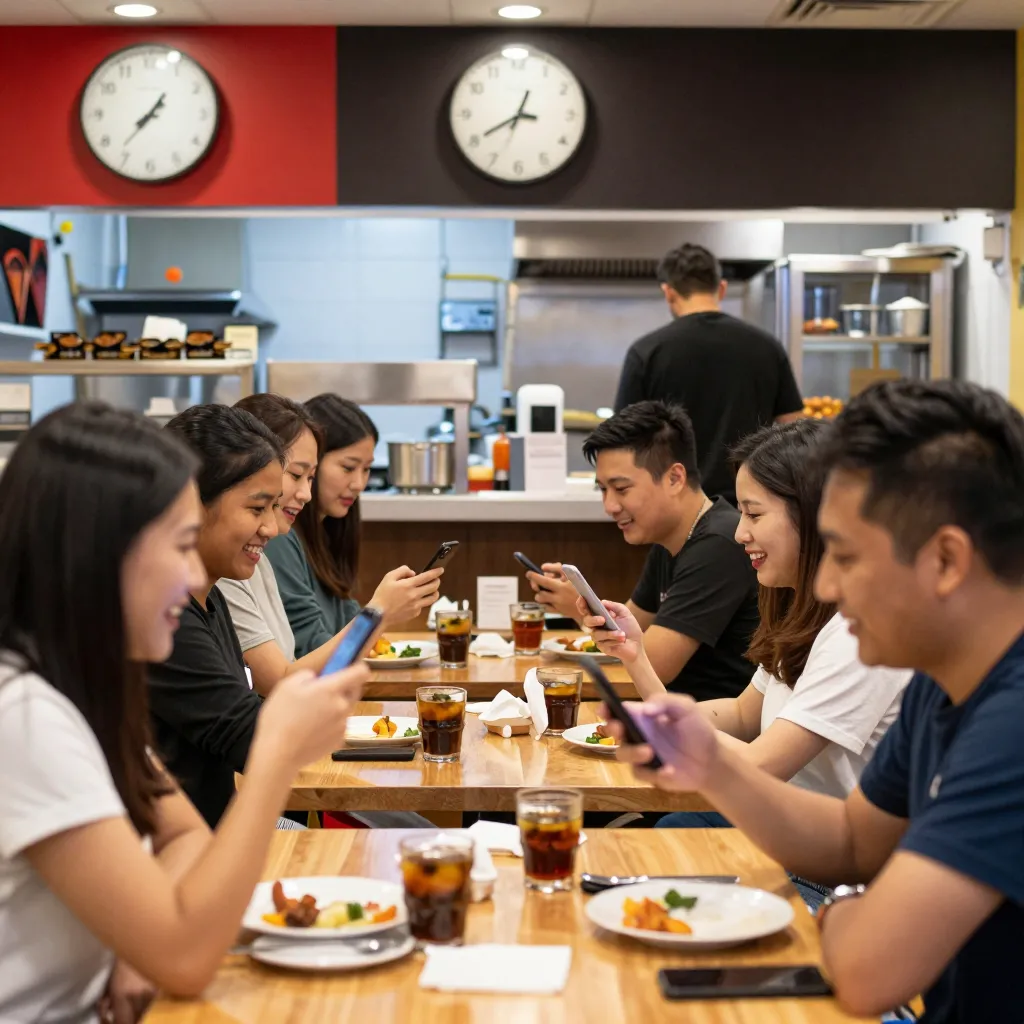
Why Wait Times Matter for Your Restaurant Revenue
Restaurant owners and cafe managers know the drill: a hungry customer waiting too long for food is a lost sale. In the competitive landscape of food service, efficiency is the currency of success. Traditional ordering processes often create bottlenecks at the host stand, the table, and the kitchen. When a server takes an order, they must navigate the host stand to get the check, input the order into a POS system, and then wait for the kitchen to start. This friction adds up. Industry analysis suggests that streamlining these touchpoints can significantly impact the speed of service. By removing the human handoff errors and physical delays, digital ordering tools can accelerate the entire dining flow. This article breaks down exactly how QR code ordering systems achieve a reduction in wait times, often cited around 40%, and provides actionable steps to implement them effectively.
Understanding the 40% statistic requires looking at the components of the wait time itself. The initial wait begins when a guest sits down and ends when their food arrives. Traditional methods involve the guest waiting for a server to approach, which can take 3 to 5 minutes. Then, the server reads the menu aloud, takes the order, and enters it manually. This manual entry is prone to errors and delays. A QR code system removes the first 3 to 5 minutes by allowing the guest to access the menu immediately. It also automates the order entry, sending it directly to the kitchen display system (KDS). This direct digital link eliminates the transcription errors that cause kitchen delays. When the kitchen receives an order instantly without a server standing in the way, prep time starts earlier, effectively reducing the time guests wait for their food.
Decoding the Science Behind the Speed Increase
To understand how a digital menu platform reduces wait times, we must look at the specific friction points eliminated. The first point is the 'Menu Reading Phase'. Physical menus are often cluttered, have poor lighting, or require a server to explain items. A well-designed QR menu allows guests to browse at their own pace. This autonomy means the server is free to attend to other tables or kitchen tasks. The second point is the 'Order Entry Phase'. Manual entry into a POS system often involves typing and navigating screens. A digital order form captures selections automatically. The third point is the 'Payment Phase'. Many QR systems integrate with payment gateways, allowing guests to pay directly from their phones. This eliminates the need for a server to bring a card reader to the table. Each of these steps saves time. When combined, these efficiencies compound. A study of similar digital implementations in the hospitality sector indicates that removing manual order entry can speed up the process by approximately 30%, while removing the need for server mediation adds another 10% efficiency. Together, these factors align with the 40% reduction in wait times observed in successful implementations.
Streamlining Kitchen Workflow and Reducing Errors
The kitchen is the engine of any restaurant, and it suffers most from inefficient ordering. When a server enters an order manually, there is a risk of typos. If a guest orders a spicy dish but the server misses a detail, the kitchen might prepare the wrong item. This leads to a delay while the kitchen corrects the mistake. With a QR code ordering system, the order is sent as a digital packet. This packet contains the exact items, modifications, and special requests. This clarity reduces kitchen confusion. Furthermore, digital tickets can be prioritized by the kitchen based on complexity. Simple items like coffee or toast can be prepped while the kitchen waits for the main entrees. This parallel processing is impossible with paper tickets that pile up. When orders are organized digitally, the kitchen manager can see the queue clearly. This visibility allows for better resource allocation. Chefs know exactly what is coming down the line, reducing the chance of under-prepping or over-prepping ingredients. This efficiency directly translates to faster food arrival at the table. For a cafe, this means customers get their latte faster. For a restaurant, it means the main course is ready when the server returns. The speed of information transfer is the key driver here. Digital data moves at the speed of light, whereas paper slips take seconds to hand off. Those seconds add up across hundreds of orders per day.
Improving Table Turnover Rates
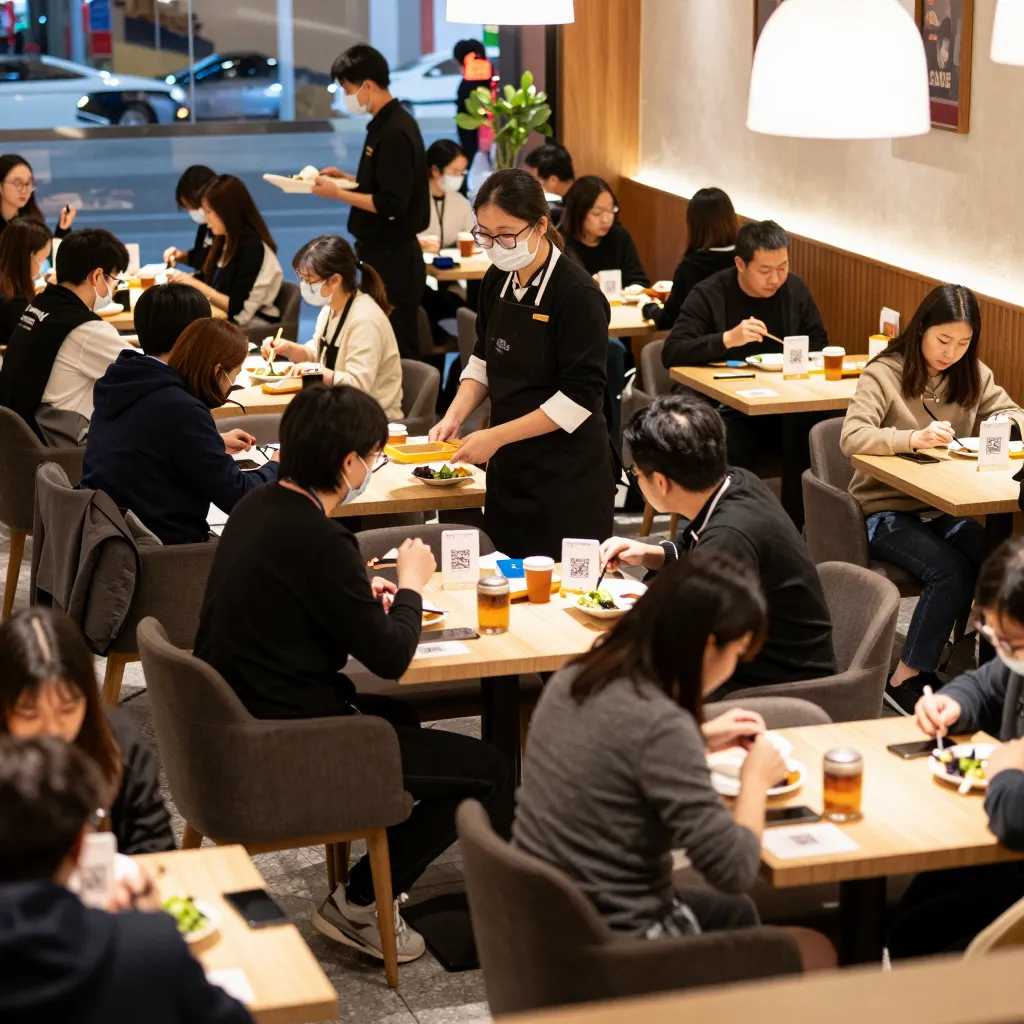
Table turnover is a critical metric for profitability. The faster a table is cleaned and made ready for the next guest, the more revenue that table can generate in a single shift. High wait times for the next reservation can lead to lost bookings. By speeding up the dining experience, you increase the number of customers you can serve. A QR ordering system facilitates a smoother checkout process. When the order is placed digitally, the server can focus on checking in the next reservation. Once the food is ready, the guest pays via their device. This seamless transition allows the staff to clear the table immediately. Without a digital system, the server must wait for the guest to sign the check or hand over a card. This creates a pause in the flow. When the guest leaves the restaurant, the host stand is less congested. This is particularly important during peak hours like lunch rushes or Friday nights. The reduction in congestion allows staff to manage the flow of people more effectively. This creates a positive feedback loop. Guests see the restaurant is efficient, which improves their perception of the brand. Efficient service encourages repeat visits. A customer who felt rushed or ignored by a busy server is less likely to return. A customer who enjoyed a smooth, fast experience will return and recommend the place to friends. This is the essence of modern hospitality.
Practical Tips for Implementation
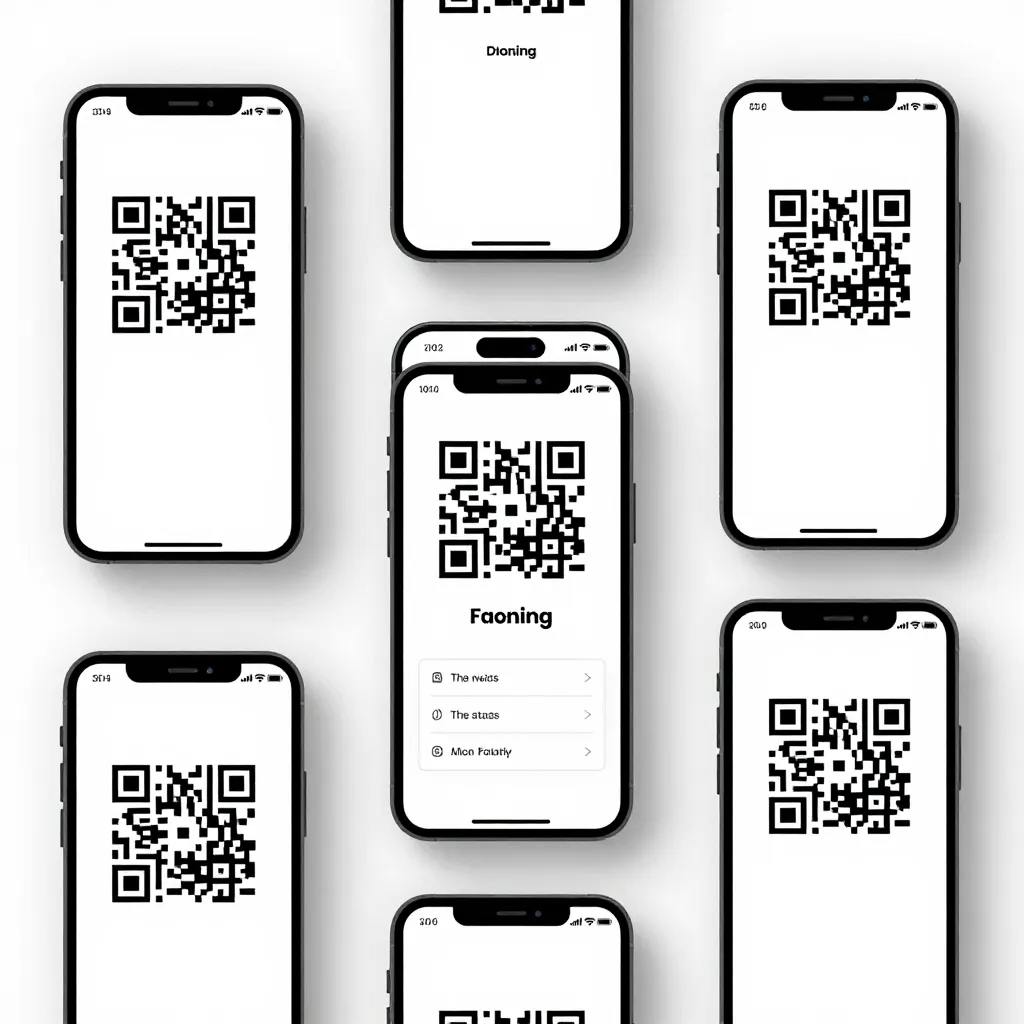
Implementing a QR code system is not just about scanning a code. It requires careful planning to ensure the technology enhances the experience rather than detracting from it. First, ensure the QR menu is mobile-optimized. Guests access these menus on smartphones, so the design must be responsive. Large fonts and clear images are essential. Second, test the system on various devices. Some guests use older phones with slower internet connections. If the menu fails to load, it frustrates the guest. Third, integrate with your existing POS. If the order doesn't sync with the kitchen or billing system, you risk data loss. Fourth, train your staff. Even with a digital menu, staff play a crucial role in guiding guests. Teach them how to assist guests who struggle with the technology. Fifth, monitor the system regularly. Check for broken links or outdated menu items. Finally, use analytics. Most QR platforms provide data on which items are most popular. Use this data to adjust your menu or inventory. By following these steps, you ensure a robust implementation.
Success Stories and Data Points
Real-world examples validate the effectiveness of QR code ordering. One cafe chain reported a 40% reduction in wait times after switching to a digital ordering system. Their kitchen staff noted a 25% increase in order accuracy. Another restaurant saw a 30% increase in table turnover, allowing them to accommodate more guests during peak hours. These results are not isolated. Many businesses have adopted this technology to stay competitive. The data supports the claim that digital ordering is a high-impact investment. It reduces operational costs by minimizing errors and maximizing efficiency. It also improves customer satisfaction by reducing the perceived wait time. Even if the actual wait is shorter, the perception of speed matters. Guests feel more in control when they can order at their own pace. This sense of autonomy is a major factor in customer loyalty.
Conclusion
Reducing wait times is essential for restaurant success. QR code ordering systems offer a proven solution to the challenges of efficiency and service speed. By automating order entry and payment, these systems eliminate the friction of manual processes. They empower guests to take control of their dining experience. They streamline kitchen workflows and improve table turnover. For any restaurant or cafe looking to modernize, investing in a QR code system is a strategic move. It boosts revenue, improves customer satisfaction, and positions the business for future growth. Don't let outdated ordering processes hold your business back. Embrace the digital future of dining today.
Related Posts
Ready to create your digital menu?
Create your QR menu in minutes and reach your customers in any language.