Paper Menu vs Digital Menu: The True Cost Comparison
Discover the real financial impact of paper versus digital menus. We break down setup, operational costs, and hidden savings to help you choose the best path for your restaurant.
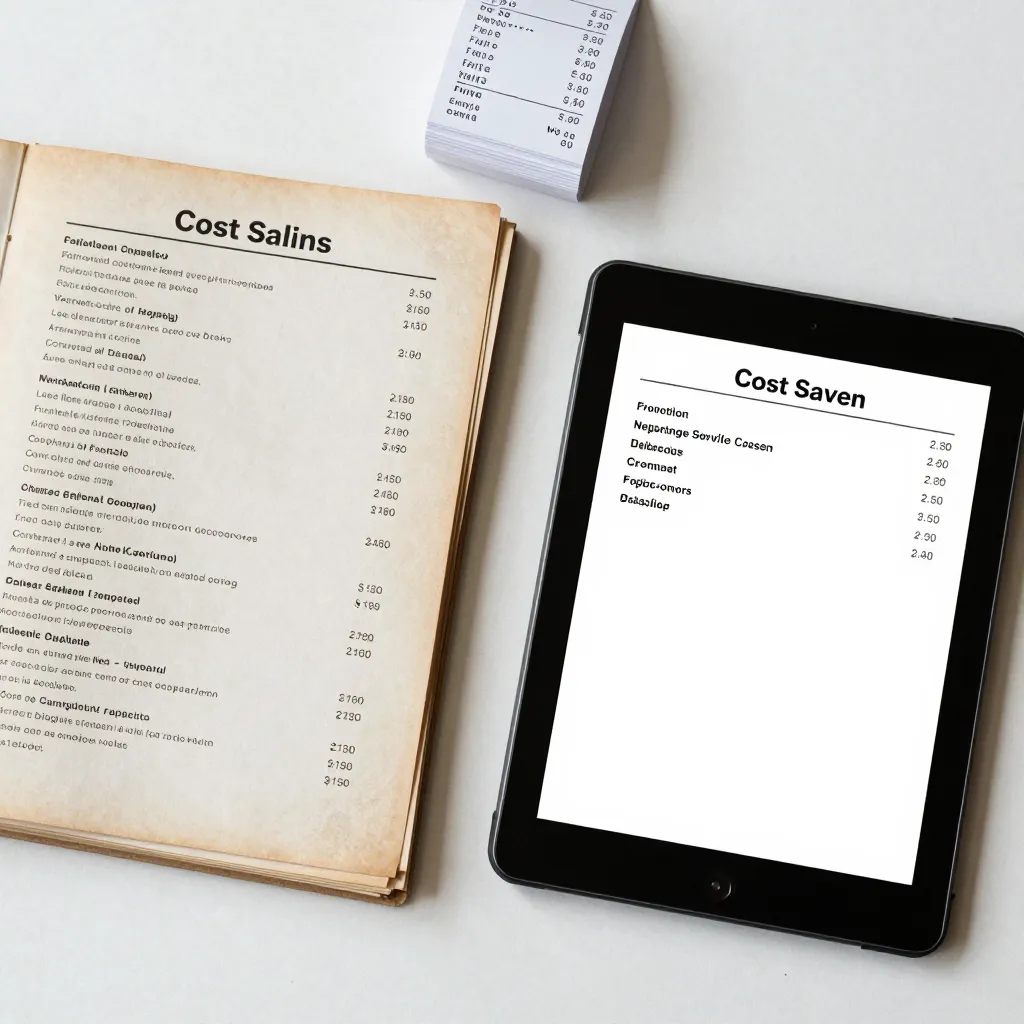
Understanding the Real Cost of Menu Management
When restaurant owners consider switching from traditional paper menus to digital solutions, the conversation often begins with the sticker price. However, the true cost analysis extends far beyond the initial purchase or subscription fee. It involves operational efficiency, waste reduction, and long-term revenue potential. Many establishments overlook the recurring expenses associated with printing, storage, and staff time required to update physical materials. By shifting to a digital format, owners can unlock significant savings that accumulate over time.
The decision to go digital is not just about technology; it is about financial strategy. A comprehensive comparison reveals that while the upfront cost of a digital system might seem higher than a single print run of paper, the ongoing operational costs of paper menus often outweigh the initial investment in digital infrastructure. This article breaks down the financial implications of both options to help you make an informed decision for your business.
Initial Setup Costs: Paper vs. Digital
To start, we must look at the capital expenditure required to launch each system. For paper menus, the cost is tangible and immediate. You need to pay for design services or in-house graphic work, followed by printing costs. Depending on the quality of paper and quantity, a single menu board set can cost anywhere between $200 and $1,000. If you have multiple locations, this cost multiplies quickly. Additionally, you must factor in the cost of frames or stands, which range from $50 to $300 per unit.
Furthermore, paper menus require physical inventory management. You must store stacks of printed menus in a secure location to prevent loss or damage. If a customer requests a specific menu or if you run out of stock, you face immediate delays. In contrast, a digital menu system like upQR requires a subscription fee and potentially a tablet or QR code signage. The subscription model spreads the cost over time, making the monthly outlay predictable and manageable. While digital menus have a monthly fee, they eliminate the need for physical storage and the risk of inventory loss.
Consider a small cafe with three locations. The paper setup might require an initial investment of $3,000 to $4,500. A digital setup might require a one-time hardware cost of $1,500 for tablets or signage, plus a subscription. Over the first year, the paper owner pays for design and print, while the digital owner pays the subscription. By the second year, the digital owner has already saved on printing costs, while the paper owner faces the decision to reprint or maintain old stock.
Operational Expenses and Hidden Fees
Once the system is installed, the operational expenses begin to diverge. Paper menus incur frequent costs that are often underestimated. Menu updates are common in the restaurant industry. Seasonal changes, price adjustments, or new specials require reprinting. If you run a promotion every month, you are printing a new menu every month. The cost of ink, paper, and the labor to distribute new menus adds up significantly.
According to industry data, the average restaurant owner reprints menus 2 to 3 times per year. Each reprint run costs approximately $500 to $1,000 depending on volume. Over a five-year period, a paper menu owner could spend $5,000 to $10,000 solely on reprints. Digital menus allow for instant updates. You can change a price or remove an item with a few clicks. This eliminates the waste of unsold printed materials and the labor cost of staff distributing new menus.
There are also hidden fees associated with paper. If a customer leaves a menu on a table, it is lost inventory. Paper menus also degrade over time, becoming brittle or stained, which affects the restaurant's aesthetic. Digital menus are hosted on servers and do not degrade. They can be accessed from any device with a QR code, ensuring consistency across all tables regardless of the technology used by the guest.
Revenue Growth and Upselling Opportunities
Cost savings are important, but revenue generation is the ultimate goal. Digital menus offer powerful tools for increasing average check size. With paper menus, the layout is static. You cannot highlight a high-margin item or suggest a pairing without physically reprinting the menu. Digital platforms allow you to use dynamic highlighting, such as changing the background color of a specific dish to draw attention to it.
Many digital menu platforms include analytics that track which items customers view and order most frequently. This data helps owners optimize their menu engineering. You can place high-margin items at the top of the list or use tags to suggest add-ons like extra cheese or dessert. Studies show that digital menus can increase sales of add-ons by up to 15% compared to static paper formats. This is because the interface can actively guide customer choices through visual cues and descriptions.
Furthermore, digital menus enable dynamic pricing. During peak hours or special events, you can adjust prices or availability in real-time. If a specific ingredient is running low, you can instantly hide that item from the digital menu to prevent customer complaints. With paper, you must wait for the next print run to remove an item, which can lead to customer dissatisfaction. The ability to manage inventory and pricing dynamically protects your profit margins and enhances the customer experience.
Sustainability and Brand Perception
Modern consumers are increasingly conscious of environmental impact. Choosing paper menus contributes to deforestation and waste. Restaurants that commit to sustainability can attract eco-conscious customers who prefer to dine at businesses that align with their values. Digital menus significantly reduce paper waste. A single digital menu can replace hundreds of paper copies over its lifespan.
While paper menus feel traditional, they also carry a cost in terms of disposal. At the end of the day, unused menus are often thrown away. Digital menus eliminate this waste entirely. This aligns with global trends toward digital transformation and green business practices. When customers scan a QR code, they often appreciate the modern convenience and the reduction of paper clutter on their tables.
However, sustainability should be balanced with accessibility. Not all customers prefer digital menus. Some prefer to read in dim lighting without a screen. A hybrid approach using both paper and digital options can accommodate all guests. This flexibility is crucial for customer satisfaction. upQR allows you to manage both environments seamlessly, ensuring that your digital presence does not alienate customers who prefer traditional methods.
Integration and Customer Experience
The final consideration is how well the menu integrates with your existing systems. Paper menus are standalone; they do not connect to your Point of Sale (POS) system. This means manual data entry is required for orders taken from the table. Digital menus can integrate directly with your POS, reducing errors and speeding up service. When a customer orders on a digital menu, the order can be sent directly to the kitchen display system (KDS).
This integration improves operational efficiency. Staff spend less time writing down orders and more time attending to guests. Digital menus also support multi-language options, which is essential for diverse communities. If you serve a tourist-heavy area, you can instantly switch the menu language to Spanish or French. With paper, you must print multiple versions of the menu for different languages, increasing costs and complexity.
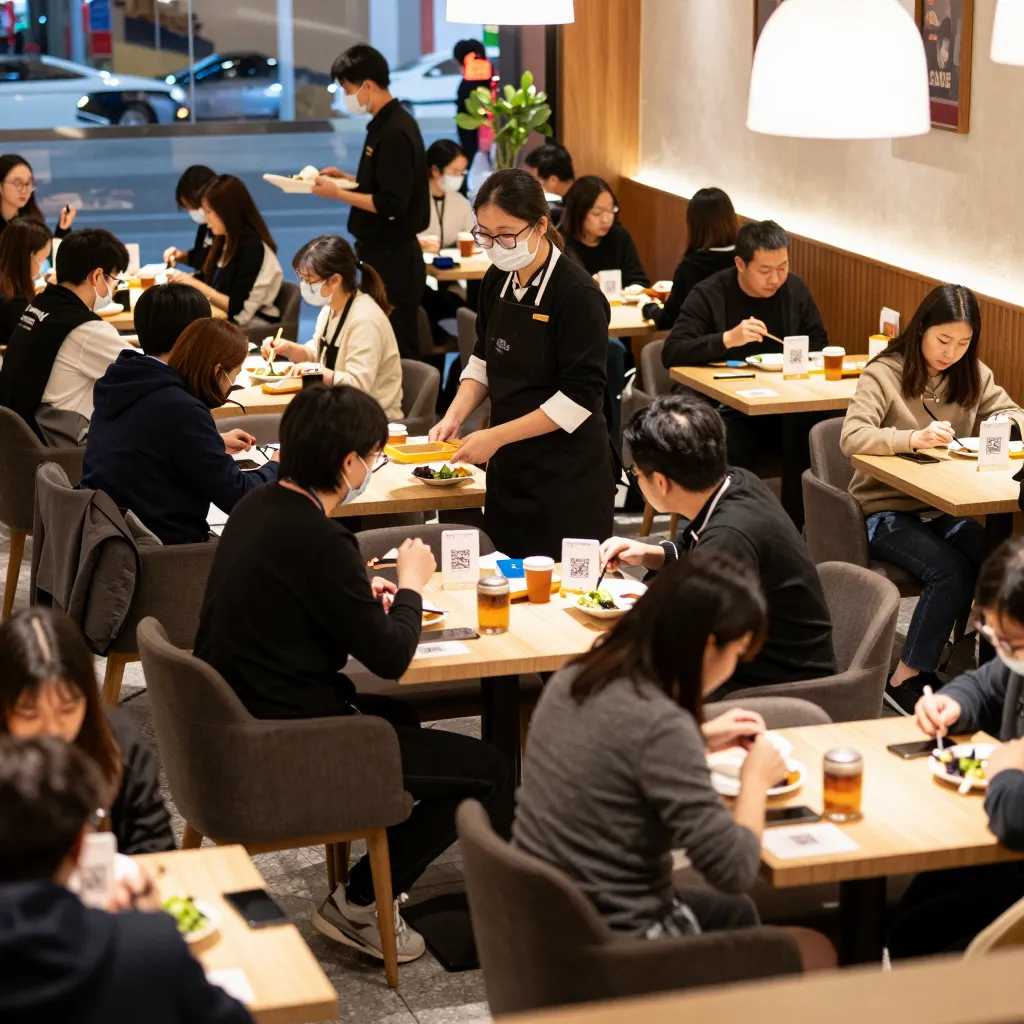
Customer experience also includes speed. Digital menus load instantly on smartphones. Guests can browse at their own pace and order immediately. Paper menus can be slow to read, especially if the lighting is poor. Digital menus often include allergen information and nutritional data, which is increasingly demanded by health-conscious consumers. Providing this information instantly builds trust and reduces the risk of allergic reactions.
Conclusion
When analyzing the true cost comparison between paper and digital menus, the long-term benefits of digital solutions become clear. While the initial setup might seem comparable, the ongoing savings on reprints, waste, and labor make digital the financially superior choice. Beyond the numbers, digital menus enhance customer experience, support sustainability goals, and provide valuable data for business growth. For restaurant owners ready to modernize, upQR offers a seamless platform that integrates with your existing operations. By choosing a digital solution, you are not just updating your menu; you are investing in the future of your restaurant's profitability and reputation.
Related Posts

Ready to create your digital menu?
Create your QR menu in minutes and reach your customers in any language.
