Mediterranean Menu Design Tips for Maximum Appeal
Discover essential design strategies for Mediterranean restaurants, focusing on sustainability, transparency, and universal access to boost customer engagement.
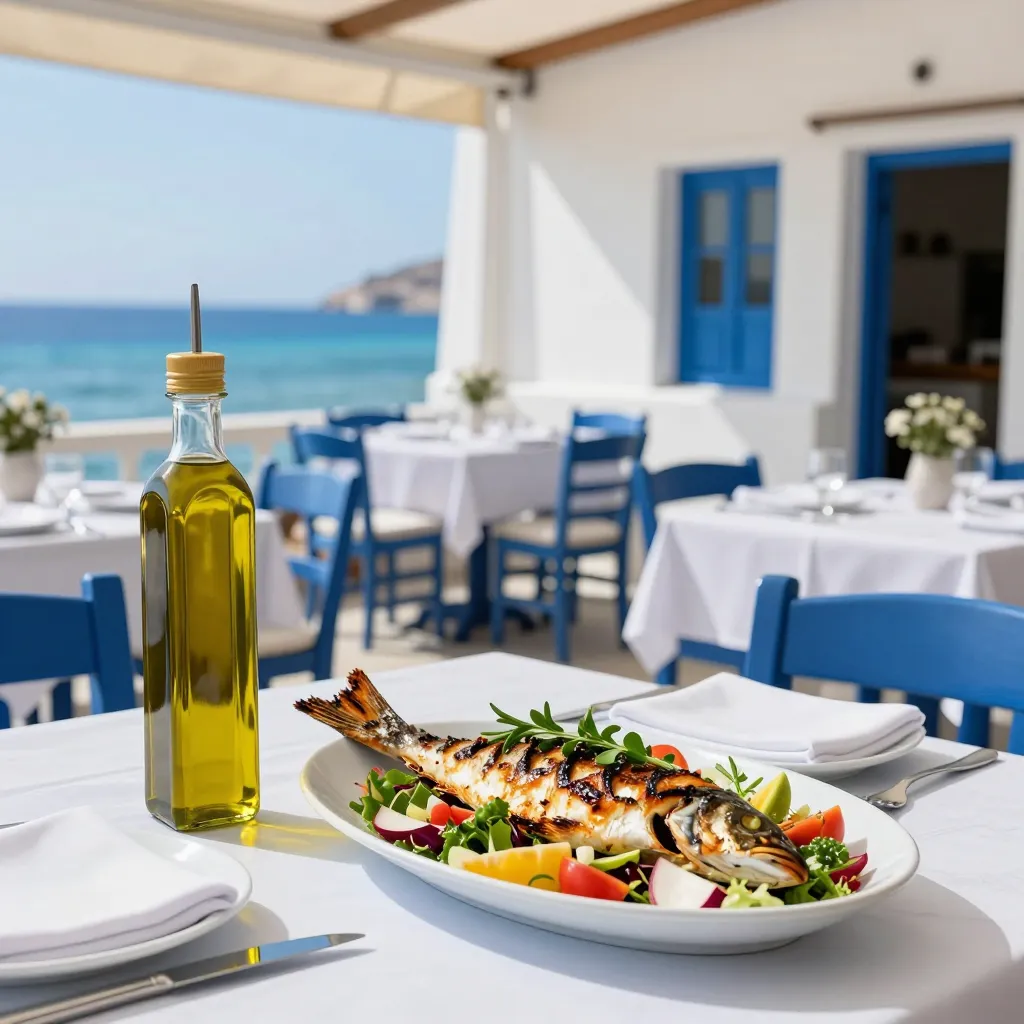
Why Digital Menus are Essential for Modern Mediterranean Dining
The Mediterranean diet is globally recognized for its emphasis on fresh, plant-based ingredients, healthy fats, and whole grains. However, the presentation of these ingredients on a menu often struggles with outdated formats that fail to communicate the freshness and integrity of the food. Traditional paper menus in Mediterranean restaurants frequently suffer from cluttered layouts, fading ink, and a lack of nutritional transparency. These issues can undermine the reputation of an establishment that prides itself on authenticity and quality.
Transitioning to a digital menu system addresses these pain points immediately. A digital interface allows for high-resolution imagery that showcases the vibrant colors of olive oil, sun-ripened tomatoes, and fresh herbs. More importantly, it enables the restaurant to provide detailed ingredient lists, allergen information, and sourcing details for every dish. This level of transparency is not just a trend; it is a necessity for the modern diner who values honesty and wants to know exactly what they are consuming.
Furthermore, digital menus support the core value of environmental consciousness. By eliminating the need for daily paper printing, restaurants can significantly reduce their carbon footprint. A single restaurant can save thousands of trees annually by switching to a paperless system. This commitment to sustainability resonates deeply with customers who prioritize eco-friendly practices, often influencing their decision to dine at a specific location. When a guest scans a QR code, they are greeted with a seamless experience that reflects the restaurant's dedication to both quality food and responsible business operations.
Structuring Your Menu for Clarity and Universal Access
One of the most significant barriers to entry in Mediterranean dining is language. While many tourists can navigate basic English, complex culinary terms or descriptions in a foreign language can confuse potential guests. A well-designed digital menu bridges this gap by offering multi-language support. With a few clicks, a customer can switch the menu from English to Spanish, French, Italian, or Arabic, ensuring that everyone knows exactly what they are eating regardless of their linguistic background.
Organization is equally critical. A chaotic menu layout can lead to decision paralysis, where customers feel overwhelmed by too many choices. The Mediterranean cuisine offers a vast array of options, from mezze platters to complex stews. A digital menu should be structured logically, perhaps starting with appetizers like hummus and falafel, moving through main courses like grilled lamb or fresh fish, and ending with desserts like baklava. Each section should be clearly labeled with icons or emojis that transcend language barriers, such as a leaf icon for vegetarian options or a wheat stalk for gluten-free items.
Accessibility features are another vital component of a universal access strategy. Digital menus can be optimized for screen readers, ensuring that visually impaired patrons can navigate the menu independently. They can also adjust font sizes for those with visual difficulties, a feature often overlooked in printed menus. By ensuring that your menu is accessible to everyone, you demonstrate a commitment to inclusivity that aligns with the welcoming spirit of Mediterranean hospitality. This inclusivity extends to dietary restrictions as well; customers with celiac disease or nut allergies can instantly filter options to find safe meals without fear of hidden ingredients.
Leveraging Transparency to Build Customer Trust
Transparency is the cornerstone of a successful food business, especially in the Mediterranean context where trust in ingredients is paramount. Digital menus provide the perfect platform to highlight this transparency. Instead of vague descriptions like "house specialty," you can list specific ingredients: "Grilled octopus marinated in olive oil, lemon, and oregano." You can even include information about where the fish was caught or the farm where the olives were harvested.
Consider the example of a restaurant serving a traditional Greek salad. A printed menu might simply list the ingredients. A digital menu, however, can expand on this by noting that the tomatoes are sourced from local farmers and that the olive oil is extra virgin and cold-pressed. This educational approach enhances the dining experience, allowing customers to appreciate the story behind their meal. It also helps manage expectations regarding prices and preparation methods, reducing the likelihood of complaints or misunderstandings.
Price transparency is another area where digital menus excel. There are no hidden fees or confusing calculations. Every price is clearly displayed, often with a breakdown of tax if necessary, but without deceptive upselling tactics. This honesty fosters a relationship of trust between the restaurant and its guests. When customers feel they are being treated fairly and honestly, they are more likely to return and recommend the establishment to others. This reputation for integrity becomes a powerful marketing tool that distinguishes your business from competitors who may use opaque pricing strategies.
Optimizing Visual Design for Appetite Appeal
The visual design of a menu plays a crucial role in stimulating appetite and guiding customer choices. For Mediterranean cuisine, the color palette should reflect the natural ingredients: warm earth tones, deep greens from herbs, and the rich gold of olive oil. Avoid overly bright or artificial colors that might clash with the authentic aesthetic of the food. The typography should be clean and legible, ensuring that text is easy to read on any device, whether it is a smartphone, tablet, or desktop computer.
Photography is a powerful tool, but it must be used correctly. Stock photos often fail to capture the essence of a specific dish, leading to disappointment when the customer receives their meal. Instead, use high-quality, authentic photos of your actual dishes. Show the steam rising from a hot paella or the glistening texture of a fresh fish fillet. These images should be professional yet appetizing, avoiding the overly edited look that can mislead customers. The goal is to set accurate expectations while making the food look irresistible.
Interactive elements can further enhance the visual experience. Consider adding a section for daily specials that updates automatically, or a "chef's pick" feature that highlights the freshest ingredients of the day. This dynamic content keeps the menu fresh and exciting, encouraging customers to try new things. You can also include short videos showing the preparation process, such as a chef chopping fresh herbs or grilling meat, which adds a layer of authenticity and engagement that static images cannot achieve.
Implementing a Seamless Ordering and Feedback System
A digital menu is not just a display; it is a functional tool that streamlines operations and improves the customer journey. Integrating an ordering system directly into the menu allows customers to place orders instantly, reducing wait times and minimizing errors in the kitchen. This is particularly beneficial during peak hours when physical tables are full and the host stand is overwhelmed. Customers can browse the menu, customize their orders, and pay securely through their phones, freeing up staff to focus on hospitality and service.
Feedback mechanisms are also easily integrated into a digital platform. After a customer places an order or completes their meal, they can be prompted to leave a review or rating. This real-time feedback loop provides valuable insights into what customers love and what needs improvement. Restaurants can use this data to adjust their offerings, refine their recipes, or address specific customer concerns quickly. For instance, if multiple customers mention that a particular sauce is too spicy, the kitchen can adjust the recipe or offer a milder alternative.
Analytics provided by the digital menu system can also help owners make data-driven decisions. You can track which dishes are most popular, which times of day generate the most traffic, and which marketing campaigns are most effective. This information is invaluable for inventory management and menu planning. If a specific Mediterranean dish is consistently underperforming, you can analyze whether the issue lies in the price, the description, or the taste, and make informed adjustments. This ability to adapt and evolve based on real data ensures that the restaurant remains competitive and relevant in a changing market.
Conclusion
Designing a menu for a Mediterranean restaurant requires a thoughtful approach that balances tradition with modern technology. By adopting a digital QR menu system, you can achieve a level of transparency, accessibility, and sustainability that printed menus simply cannot match. The ability to showcase high-quality images, provide detailed ingredient information, and offer multi-language support ensures that your restaurant appeals to a diverse range of customers. Ultimately, the goal is to create a dining experience that is as authentic and welcoming as the food itself.
upQR is the ideal solution for restaurants looking to elevate their menu experience. Our platform is built on the principles of environmental responsibility, honesty, and universal access. We help you eliminate paper waste, provide clear and accurate information to your guests, and ensure that everyone can enjoy your cuisine without barriers. Whether you are a small cafe or a large restaurant group, upQR provides the tools you need to succeed in the digital age. Embrace the future of menu design today and watch your customer engagement soar.
Related Posts
Ready to create your digital menu?
Create your QR menu in minutes and reach your customers in any language.
