How to Create a Digital Wine List for Your Restaurant
Transform your wine program with a digital list. Learn to boost sales, reduce waste, and offer transparency with an upQR digital menu solution.
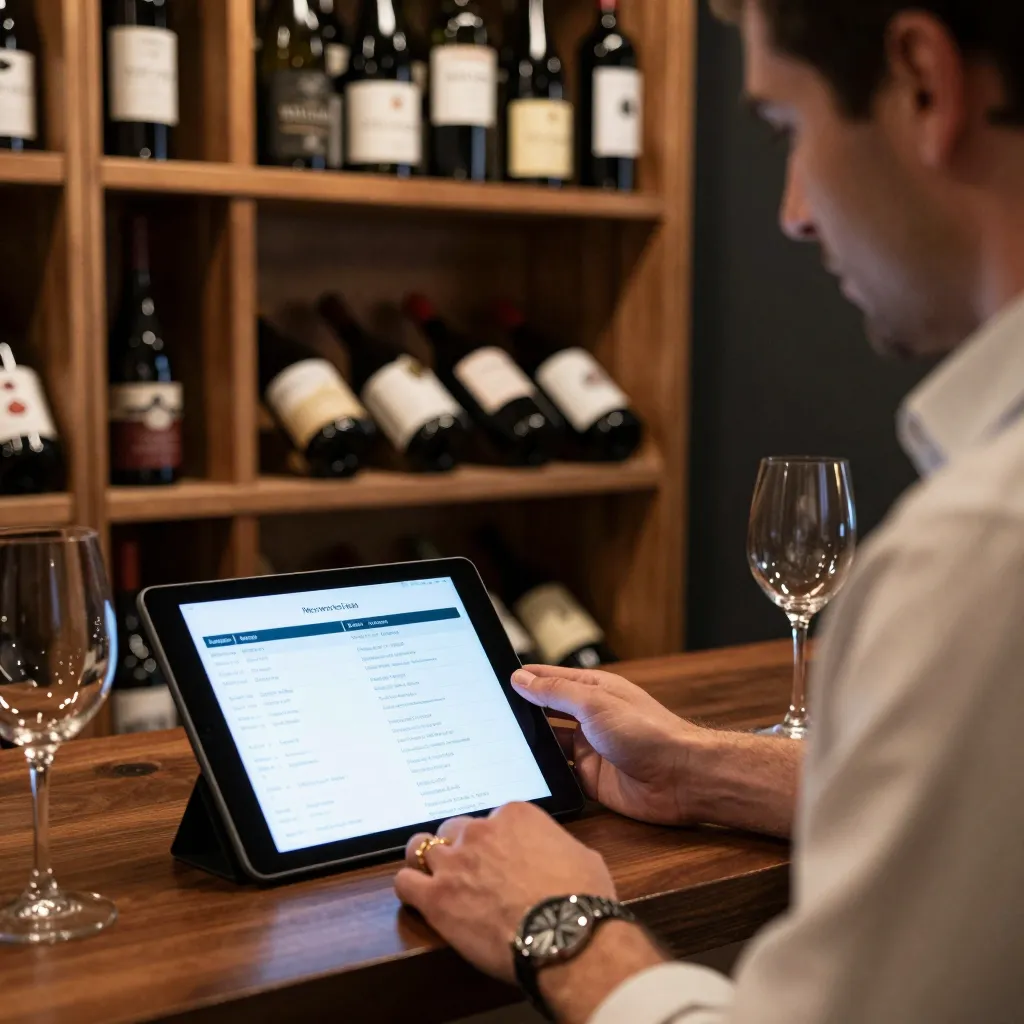
Why a Digital Wine List is Essential for Modern Dining
The way customers interact with your restaurant has shifted dramatically in the last few years. Gone are the days when a paper-bound wine list sat untouched at every table. Today, guests expect seamless access to information, whether they are ordering via a QR code or a mobile device. Creating a digital wine list is no longer just a trend; it is a strategic necessity for restaurants aiming to compete in the modern hospitality landscape. According to recent industry data, over 60% of diners prefer digital menus for their convenience and ease of use, while also appreciating the environmental benefits of going paperless.
For wine programs specifically, the digital format offers unique advantages that paper simply cannot match. A digital list allows you to update prices in real-time without reprinting menus, ensuring that your bottom line is never affected by outdated pricing. It also provides the flexibility to highlight specific bottles, offer pairing suggestions, or even showcase vineyard stories directly on the screen. This level of interactivity can significantly enhance the guest experience and encourage higher ticket sizes.
Furthermore, sustainability has become a core value for many diners. By eliminating paper waste, you align your business with the growing demand for eco-friendly practices. Guests who are conscious of their carbon footprint often feel more connected to brands that demonstrate environmental responsibility. A digital wine list is a tangible way to show that you care about the planet, turning a simple menu into a statement of your restaurant's values.
Optimizing Your Digital Display for Maximum Engagement
Creating a digital wine list is one thing; making it effective is another. The layout and design of your digital display play a crucial role in how guests perceive your wine program. A cluttered or confusing interface can lead to decision paralysis, where guests feel overwhelmed and revert to ordering safe, familiar choices. To avoid this, focus on clarity and simplicity. Use large, legible fonts and high-quality images that accurately represent the wine bottles. Transparency is key here; ensure that the photos match the actual product to maintain trust.
Consider the flow of information on your screen. Start with a clear categorization of wines, such as Red, White, Rosé, Sparkling, and Fortified. Within each category, organize by region or varietal to help guests navigate based on their preferences. Include essential details like the vintage, alcohol content, and a brief tasting note. However, do not overwhelm the user with too much text at once. Use concise descriptions that evoke the flavor profile without being overly technical.
Interactive features can also boost engagement. For instance, you can include a "chef's recommendation" section that highlights bottles perfect for pairing with your current menu items. This not only guides the guest but also helps move inventory of specific wines. You can also add a "staff favorite" badge to draw attention to bottles that the team loves, adding a personal touch that builds rapport. Remember, the goal is to make the guest feel confident in their choice, not to intimidate them with complexity.
Leveraging Data and Transparency to Boost Sales
One of the most powerful aspects of a digital wine list is the ability to track data and make informed decisions. Unlike a paper menu, a digital system can provide insights into which wines are being viewed the most, which are being ordered, and at what times. This data can help you adjust your inventory, optimize your pricing strategy, and identify opportunities to promote specific bottles. For example, if you notice that a particular varietal is frequently viewed but rarely ordered, you might need to adjust your description or highlight its unique characteristics more effectively.
Transparency is another area where digital excels. Guests today are increasingly concerned about the ingredients and sourcing of what they consume. A digital wine list can include detailed information about the vineyard, the winemaking process, and any certifications like organic or biodynamic. This honesty builds trust and loyalty. If a guest has allergies or dietary restrictions, they can instantly see if a wine contains sulfites or other additives, ensuring a safe and enjoyable experience. This level of detail is difficult to achieve with a static paper menu.
Promotional strategies are also more effective in a digital environment. You can run time-sensitive promotions, such as "Buy one, get one half off" on specific bottles, or offer a discount for guests who bring their own bottle (BYOB) with a suggested pour. These promotions can be updated instantly without any physical changes to the menu. Additionally, you can use push notifications or in-app messages to alert guests about new arrivals or special events, keeping your wine program top-of-mind.
Enhancing the Guest Experience with Personalization
A digital wine list offers the opportunity to personalize the guest experience in ways that were previously impossible. By integrating with your reservation system or loyalty program, you can tailor the wine list to individual preferences. For instance, if a guest has previously indicated a preference for Old World wines, you can subtly highlight those options or recommend a specific bottle based on their past orders. This level of personalization makes guests feel valued and understood, fostering a deeper connection to your brand.
Consider the language used in your descriptions. Avoid jargon that might alienate casual drinkers. Instead, use descriptive language that paints a picture of the wine's character. Talk about the fruit notes, the texture on the palate, and the finish. Include serving temperature recommendations to ensure guests enjoy the wine at its best. You can also add tips on how to store the wine at home, adding value beyond the immediate purchase.
Accessibility is another critical component of a personalized experience. Ensure that your digital menu is compatible with screen readers and other assistive technologies. This inclusivity ensures that guests with visual impairments or other disabilities can enjoy your wine program just as fully as anyone else. It also reflects your commitment to universal access, a core value of upQR. By making your wine list accessible to everyone, you demonstrate that your restaurant welcomes all guests, regardless of their abilities.
Choosing the Right Platform for Your Needs
When it comes to implementing a digital wine list, the platform you choose is just as important as the content itself. Not all digital menu systems are created equal. Some offer basic functionality, while others provide advanced features like analytics, inventory management, and seamless integration with your point-of-sale system. Look for a solution that aligns with your restaurant's specific needs and budget.
UpQR stands out as a premier choice for restaurants looking to elevate their digital presence. With upQR, you gain access to a robust platform that supports high-resolution images, customizable designs, and real-time updates. The interface is intuitive, allowing your staff to manage the menu easily without extensive training. Additionally, upQR is built on a foundation of transparency and sustainability, reflecting the core values that matter most to modern diners.
Another factor to consider is the cost-effectiveness of the solution. Digital menus eliminate the ongoing costs of printing and replacing paper lists. Over time, this can result in significant savings that can be reinvested into your wine program or other areas of the business. Moreover, a digital system can reduce waste by minimizing the need for single-use materials, contributing to a greener operation.
Finally, ensure that the platform offers excellent customer support and regular updates. Technology evolves rapidly, and having a partner who stays ahead of the curve is essential. A reliable platform will ensure that your digital wine list remains functional and engaging, providing a seamless experience for your guests. Whether you are a small bistro or a large wine bar, the right digital solution can transform your wine program and drive success.
Conclusion
Creating a digital wine list is a strategic move that offers numerous benefits for your restaurant. From enhancing the guest experience and boosting sales to promoting sustainability and transparency, the advantages are clear. By leveraging data, personalization, and the right platform, you can create a wine program that stands out in a crowded market. With upQR, you have access to a powerful, easy-to-use solution that aligns with your values and supports your business goals. Embrace the digital future of dining and watch your wine program thrive.
Related Posts
Ready to create your digital menu?
Create your QR menu in minutes and reach your customers in any language.