Contactless Dining: Customer Expectations in 2026
Discover what diners expect from contactless dining in 2026. Learn how to optimize your menu, speed up service, and boost revenue with practical tips for restaurant owners.
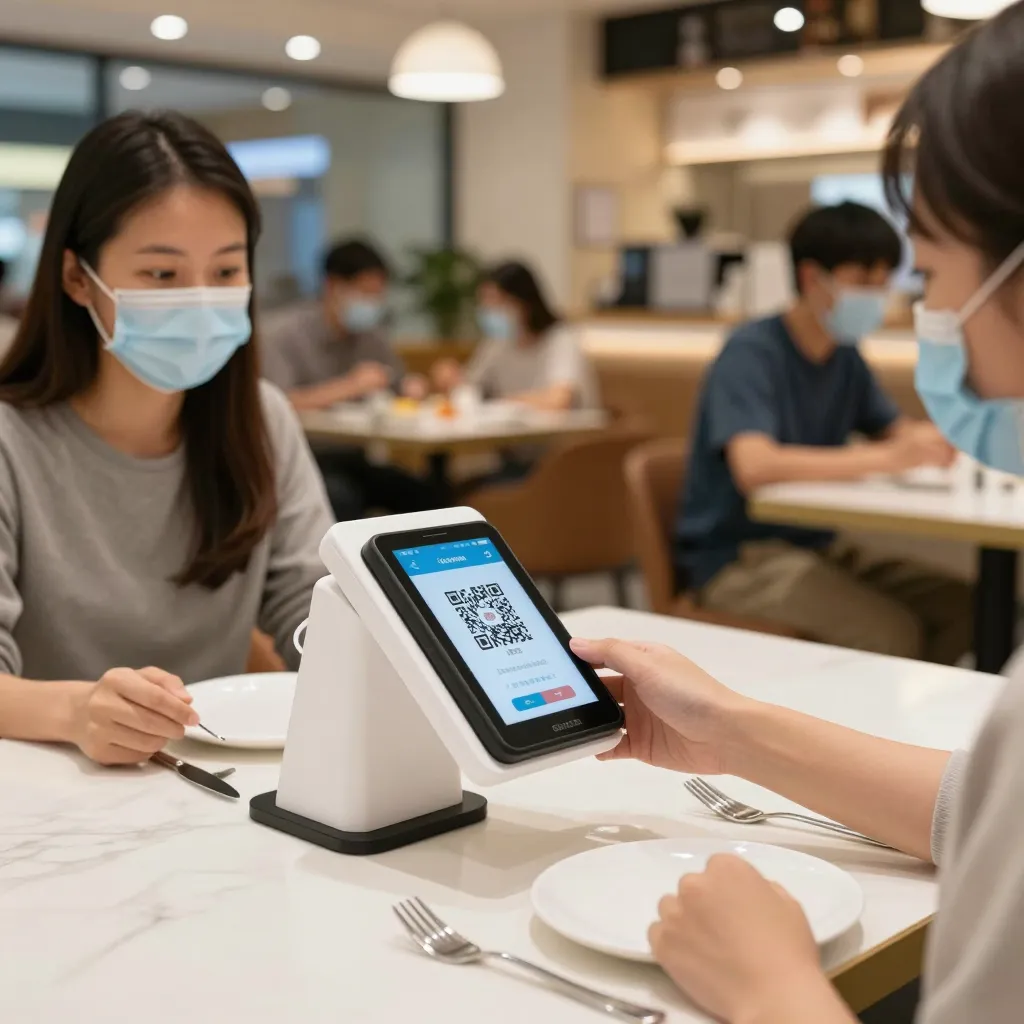
The Evolution of Contactless Dining in 2026
As we move deeper into 2026, the concept of contactless dining has shifted from a novelty to a fundamental expectation. Following the initial pandemic surge, adoption rates have stabilized, but customer standards have risen significantly. In 2026, a QR code that requires multiple taps or loads slowly is no longer acceptable. Modern diners expect a seamless digital experience that rivals the speed of traditional table service. This shift is driven by a younger demographic that grew up with mobile-first interactions, now influencing the spending habits of older generations as well. For restaurant owners, understanding these evolving expectations is not just about survival; it is about competitive advantage.
Industry data suggests that 78% of consumers are willing to pay a premium for a frictionless dining experience. However, this willingness is contingent on reliability. If the technology fails, the perception of the restaurant drops instantly. Therefore, the focus in 2026 is on creating a robust digital ecosystem that supports the physical dining environment without disrupting the flow of service. This blog post explores the specific pillars of customer expectation that define successful contactless dining strategies this year.
Speed and Reliability: The Non-Negotiable Standard
The first and most critical expectation for contactless dining in 2026 is speed. In the digital realm, attention spans are short, and competition is fierce. A menu that takes more than three seconds to load is likely to be abandoned by a significant portion of customers. Studies indicate that 40% of mobile users abandon a website if it takes longer than three seconds to load. For a restaurant, this translates directly to lost revenue and negative reviews.
Reliability extends beyond loading times. Customers expect the menu to be accessible offline or with minimal connectivity issues. Imagine a guest at a popular outdoor patio where Wi-Fi is spotty. If the QR menu fails to load, the experience is ruined. Restaurants must implement cloud-based solutions that cache content locally or ensure high redundancy. Furthermore, the digital interface must be responsive across all devices. A menu designed solely for desktops will fail when a guest uses their smartphone. In 2026, the standard is a fully responsive design that adapts to vertical screens, large touch displays, and tablets alike.
Actionable Tip: Conduct a load time audit on your current QR menu. If it exceeds 2 seconds on a 4G network, you need to optimize image sizes and streamline your code. Consider using a platform like upQR that automatically compresses images and serves lightweight HTML to ensure instant access.
Personalization as a Standard Expectation
Generic menus are becoming obsolete. In 2026, customers expect a level of personalization that mirrors their experience with major e-commerce platforms. This does not necessarily mean using their name on the screen, but rather offering relevant choices based on context. For instance, a digital menu should highlight seasonal items, offer dietary filters (vegan, gluten-free, keto), and adjust availability based on real-time inventory.
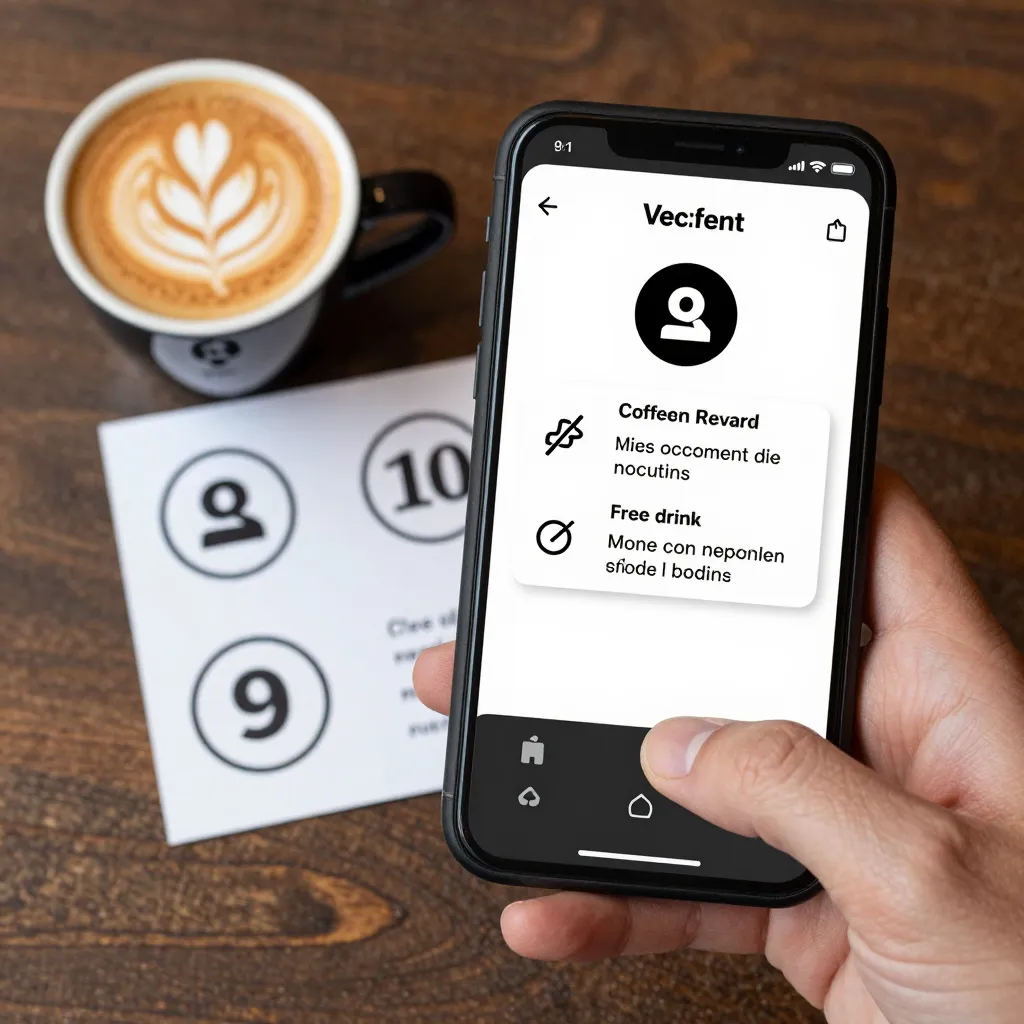
Personalization also applies to the interface itself. A menu that remembers a customer's previous order can expedite the re-ordering process for regulars. Imagine a returning guest who simply scans their code and sees their usual coffee and pastry highlighted. This reduces friction and makes the guest feel valued. Additionally, integrating loyalty programs directly into the QR scan allows for automatic point accrual without needing to scan a physical card or phone app separately. This seamless integration increases retention rates significantly.
Dynamic content is key here. For example, if it is raining, the menu could automatically suggest warm soups or hot drinks. If the restaurant is near a sports stadium, local game updates or themed drinks can be displayed. These small touches create an emotional connection and show that the restaurant is attentive to the guest's environment and preferences. It transforms a static list of food items into a curated experience.
Accessibility and Inclusivity in Digital Menus
In 2026, accessibility is no longer a 'nice to have' feature; it is a legal and ethical requirement that customers demand. A significant portion of your customer base may rely on assistive technologies like screen readers for the visually impaired. If your QR menu lacks proper alt text for images, proper heading structures, or keyboard navigation support, you are excluding a large segment of the market. This is a missed revenue opportunity that many owners overlook.
Furthermore, color contrast and font sizes are critical. Many customers have difficulty reading standard fonts on small screens. A menu that allows users to zoom in or adjust text size without breaking the layout is essential. Buttons and interactive elements must be large enough to be tapped easily, especially for guests with motor control issues. In 2026, the expectation is that a restaurant should be accessible to everyone, regardless of ability. Failing to meet these standards can lead to legal repercussions and damage to brand reputation.
Additionally, the content must be inclusive. Descriptions of food should be detailed enough for those with allergies or dietary restrictions, not just labeled as 'GF'. Explaining ingredients clearly helps prevent allergic reactions and builds trust. A commitment to accessibility signals a commitment to quality and service excellence.
Seamless and Secure Payment Integration
While the menu is the first point of contact, the payment process is where the transaction is finalized. In 2026, customers expect to pay as quickly as possible, ideally without ever seeing the cashier. This means integrating digital wallets like Apple Pay or Google Pay directly into the QR menu flow. The process should be end-to-end secure, utilizing tokenization to protect credit card data.
Speed is again the priority here. The checkout process should take less than 15 seconds. If a guest has to navigate multiple screens to find a 'Pay' button, they will leave the menu and wait for a server. Frictionless payment means that the guest can order, customize, and pay entirely from their phone, with the bill automatically sent to their server or the kitchen system. This reduces wait times and improves the overall dining flow. Restaurants that offer this capability often see higher average ticket sizes because guests feel less pressure to rush their meal or split the bill awkwardly.
Conclusion: Leveraging upQR for 2026 Success
Meeting these expectations requires a strategic approach to digital infrastructure. Using a legacy system is a liability. The upQR platform is designed to meet these 2026 standards out of the box. It offers lightning-fast loading speeds, robust personalization features, and full accessibility compliance. By adopting a solution like upQR, restaurant owners can focus on their food and service rather than worrying about technical glitches.
In summary, the customer expectations for contactless dining in 2026 are clear: it must be fast, personalized, accessible, and secure. Ignoring these trends risks falling behind competitors who are already embracing the future. The shift to digital is not a trend; it is the new normal. Ensure your restaurant is ready to lead this charge.
Related Posts
Ready to create your digital menu?
Create your QR menu in minutes and reach your customers in any language.
