
Restaurant CRM & QR Menu Integration Guide
Discover how syncing your CRM with a digital QR menu boosts sales, personalizes guest experiences, and streamlines operations for modern eateries.
Why Integrating CRM and QR Menus is Essential for Modern Dining
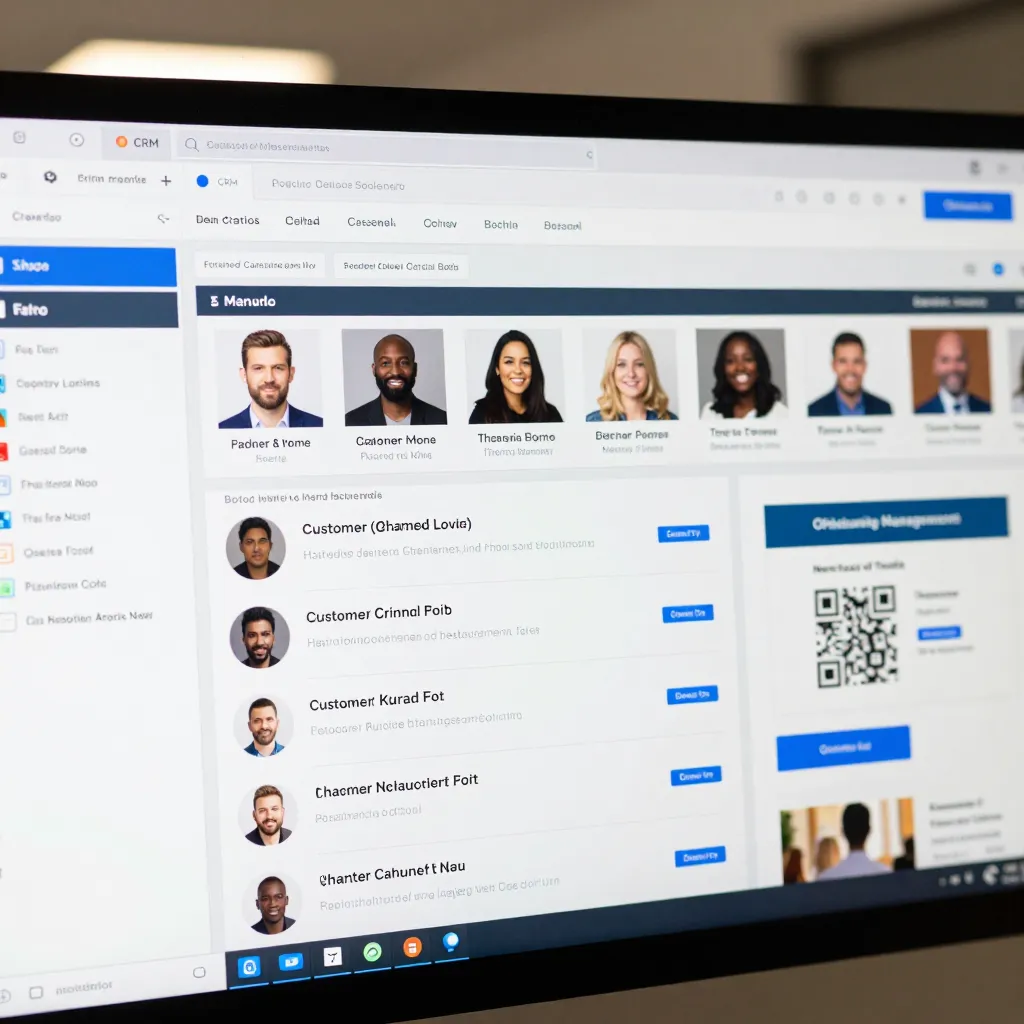
For years, restaurant management systems operated in silos. Your Point of Sale (POS) handled transactions, while your Customer Relationship Management (CRM) system sat on a separate server, often managed by marketing teams. This disconnect meant that a guest's loyalty points were known to the server but not reflected in their digital experience on a QR code table scan. Today, the landscape has shifted dramatically. The integration of CRM data directly into your digital QR menu is no longer a luxury; it is a strategic necessity for survival and growth in the competitive food service industry.
When a customer scans a QR code to view a menu, they are entering a high-intent moment. This is where data meets opportunity. By bridging the gap between your CRM and your digital menu platform, you transform a static list of food items into a dynamic, personalized sales channel. Imagine a scenario where a guest who previously ordered a spicy curry is greeted by a menu that highlights your new spicy specials, or a frequent visitor sees their usual wine pairing suggested at the top of the list. This level of personalization drives higher average order values (AOV) and fosters deep brand loyalty.
The benefits extend beyond simple convenience. Integrated systems allow for real-time inventory management that respects dietary restrictions stored in your CRM. If a guest is flagged for a severe nut allergy in your CRM, the QR menu can automatically filter out unsafe items or add a prominent warning, ensuring safety and trust. Furthermore, this integration creates a seamless loop where menu engagement data feeds back into the CRM, helping you understand not just what customers buy, but how they interact with your brand across different devices and times of day.
Transforming Static Menus into Personalized Revenue Engines
The traditional paper menu is a one-size-fits-all document. It does not know that John prefers his steak medium-rare, that Sarah is vegan, or that Mike is celebrating his anniversary. A digital QR menu, however, has the potential to be dynamic. When integrated with a robust CRM, the menu becomes a personalized revenue engine. This personalization is the key to unlocking higher conversion rates and increased basket sizes.
Consider the concept of "smart recommendations." Your CRM holds the history of every transaction. By analyzing this data, your QR menu can display "Frequently Bought Together" items or suggest dishes based on past preferences. For instance, if a customer has ordered the Truffle Risotto three times in the last year, the digital menu can highlight it as a "Chef's Favorite" or a "Member Pick" for that specific user. This psychological trigger leverages the power of familiarity and recommendation, making the customer feel understood and valued.
Data-driven segmentation is another powerful tool enabled by this integration. Instead of showing the same menu to everyone, you can create segments based on CRM data. For example, you might create a "Dinner Date" segment for couples who often order dessert together, automatically surfacing your most popular desserts at the bottom of the menu for these users. Or, you could create a "Health Conscious" segment for users who frequently select salad bowls or grilled options, ensuring they see the most relevant healthy choices first. This targeted approach reduces decision paralysis and guides the customer toward high-margin items without feeling like they are being sold to.
Furthermore, integration allows for dynamic pricing and promotion management. If your CRM indicates that a customer has reached a certain spending threshold or has been a loyal member for a long time, the QR menu can automatically unlock exclusive offers or early access to new menu items. This gamification of the dining experience encourages repeat visits and increases customer lifetime value (CLV). The ability to push these personalized updates instantly to thousands of QR code scanners simultaneously ensures that your marketing campaigns are always fresh and relevant, maximizing the return on your marketing spend.
Enhancing Customer Experience Through Dietary Transparency and Accessibility
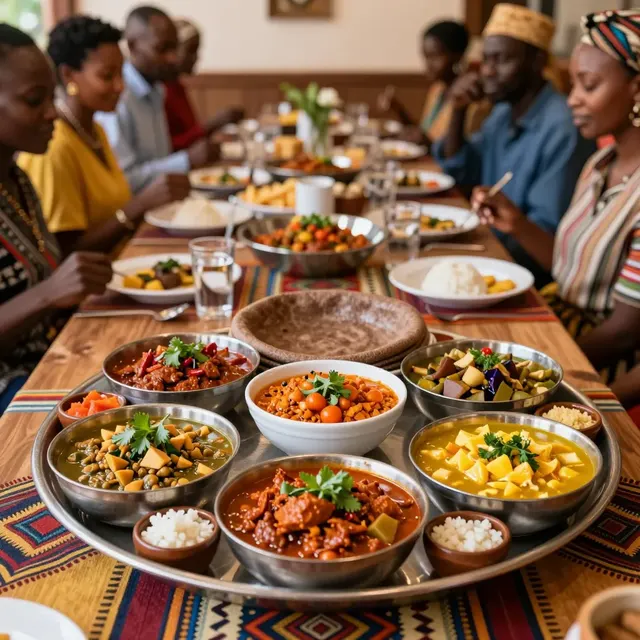
In an era where food safety and inclusivity are paramount, the integration of CRM data into your QR menu serves as a critical safety and accessibility feature. One of the most common pain points for diners with allergies is the fear of miscommunication. Servers may forget to mention an allergy, or the kitchen may misread an order. A digital menu linked to a CRM can mitigate these risks by automatically filtering items based on the user's profile.
When a customer scans the QR code, the system can check their CRM profile for known allergies. If a user has a documented peanut allergy, the menu can instantly hide any dishes containing peanuts or display a bold warning icon next to them. This level of transparency builds immense trust. Customers feel safe knowing that their dietary needs are respected from the moment they scan the code. It also streamlines the ordering process for the staff, as the server receives the order with allergy flags already highlighted, reducing the chance of human error.
Accessibility is another pillar of this integration. A significant portion of the population relies on assistive technologies to navigate the internet. A well-integrated digital menu ensures that all text is screen-reader friendly, images have alt-text descriptions, and fonts are legible. When combined with CRM data, you can even offer language translations for specific user segments. If your CRM tracks that a specific customer or a group from a particular region often speaks Spanish, the QR menu can offer a Spanish translation option automatically or allow them to switch languages with one tap. This universal access ensures that every guest, regardless of language or ability, feels welcome and can fully participate in the dining experience.
Transparency also extends to ingredients and sourcing. Modern consumers are increasingly conscious of where their food comes from. Your CRM can store notes about specific sourcing preferences or ethical concerns of your customers. By integrating this into the menu, you can display detailed ingredient lists, farm origins, and sustainability certifications directly on the item page. This honesty aligns with the growing demand for ethical consumption and helps you attract and retain customers who prioritize these values. It turns the menu into a storytelling tool that educates the customer and reinforces your brand's commitment to integrity.
Leveraging Engagement Data for Predictive Analytics and Marketing
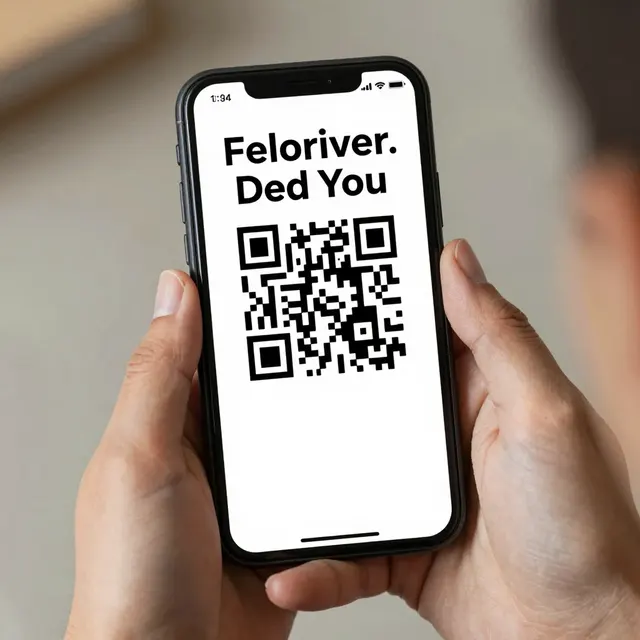
The value of a QR menu integration doesn't stop at the point of sale. Every interaction a customer has with the digital menu generates valuable data. When this data is fed back into your CRM, it becomes a goldmine for predictive analytics. You can move from reactive marketing to proactive engagement. For example, if the system detects that a customer frequently opens the menu but rarely places an order, it might indicate that the menu is too long, the photos are unappealing, or the descriptions are unclear. This insight allows you to A/B test different menu layouts or descriptions to improve conversion rates.
Predictive ordering is another advanced application. By analyzing historical data from your CRM and menu interactions, you can predict which items are likely to sell well at specific times of the day or for specific weather conditions. If it is raining, the system could automatically highlight hot soups and comfort foods. If it is a hot summer evening, it could push the visibility of cold salads and frozen desserts. This dynamic adjustment of the menu presentation ensures that you are always offering the most relevant products to your customers, driving impulse purchases and increasing overall sales volume.
Moreover, this data integration helps in optimizing inventory and reducing waste. By understanding exactly what customers are looking for and ordering, you can adjust your purchasing and production schedules accordingly. If the CRM data shows a surge in interest for a specific new item during a particular season, you can stock up in advance, preventing stockouts. Conversely, if an item is consistently viewed but not ordered, you can investigate why-perhaps the price is too high or the description is unappetizing-and make necessary adjustments. This data-driven approach minimizes food waste, which is both a financial and environmental win, aligning with the sustainability goals of modern restaurants.
Marketing campaigns become more effective when fueled by this granular data. Instead of sending generic email blasts, you can trigger personalized messages based on menu behavior. If a customer views a specific cocktail menu but leaves without ordering, a push notification or email with a limited-time discount on that drink could be sent shortly after. This retargeting strategy capitalizes on the immediate intent of the customer, significantly boosting conversion rates. The synergy between the CRM and the QR menu creates a closed-loop system where every click, view, and purchase informs the next step in the customer journey.
Streamlining Operations and Reducing Staff Burden
Behind the scenes, the integration of CRM and QR menus offers substantial operational benefits that reduce the burden on your staff. In a busy service environment, servers are often overwhelmed with taking orders, checking tables, and managing the POS system. A digital menu that pulls data from the CRM automates many of these tasks. When a customer orders through the QR code, the order goes directly to the kitchen display system (KDS) with all relevant CRM notes attached. This eliminates the need for the server to manually input complex dietary restrictions or special requests, reducing the risk of errors and freeing up the server to focus on guest service.
Inventory management becomes more precise when linked with menu engagement data. If a specific ingredient is running low, the system can automatically adjust the availability status on the QR menu for all users, preventing customers from ordering items that cannot be prepared. This proactive management avoids the embarrassment of telling a customer an item is out of stock after they have already placed their order. It also allows for seamless updates to the menu; if a dish is renamed or the price changes, the update is reflected instantly for everyone, ensuring consistency across all touchpoints.
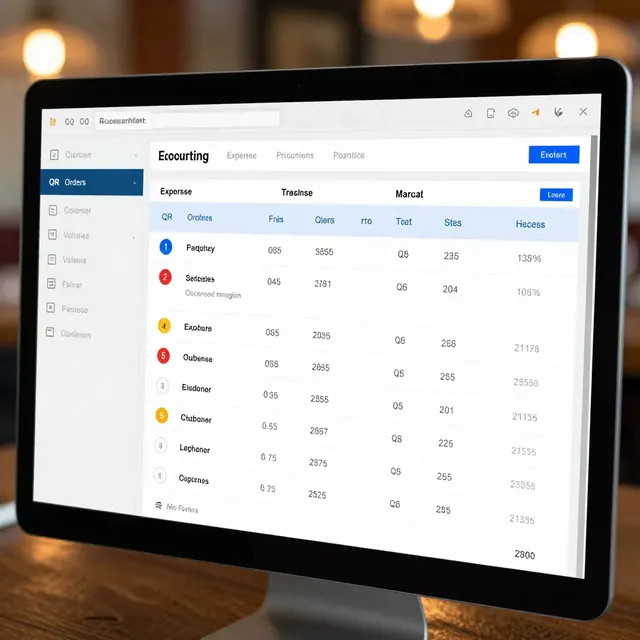
Training new staff becomes easier with an integrated system. New hires do not need to memorize every single ingredient in every dish or every customer's allergy profile. The system provides the information instantly. When a customer asks about an allergen, the server can quickly check the CRM profile displayed on the tablet or POS, which is synchronized with the QR menu data. This ensures that every team member, regardless of their tenure, provides the same high level of accurate and safe service. Additionally, the data collected helps in performance analysis. You can see which items are driving the most traffic and which tables are converting best, allowing you to make informed decisions about menu placement and staff positioning.
The reduction in manual entry also speeds up the entire ordering process. Customers can order at their own pace, and the kitchen receives the orders in real-time. This efficiency leads to faster table turnover, which is crucial for maximizing revenue during peak hours. By automating the flow of information between the customer, the server, and the kitchen, you create a smoother, more efficient dining experience that delights guests and keeps your operations running like a well-oiled machine. The integration turns your restaurant into a tech-forward entity that competes effectively with the biggest chains while maintaining the personal touch that independent eateries are known for.
Conclusion: Building a Future-Ready Dining Experience
The integration of CRM and QR menus is not just about having a digital list of food; it is about building a holistic ecosystem that understands, serves, and grows with your customers. It transforms the act of ordering from a mundane task into a personalized, safe, and engaging experience. For restaurant owners and managers looking to stay ahead of the curve, this integration is the cornerstone of a modern dining strategy. It aligns perfectly with values of transparency, sustainability, and universal access, ensuring that your business is not only profitable but also responsible and inclusive.
upQR is designed specifically to facilitate this seamless integration. Our platform acts as the bridge between your customer data and your digital menu, providing the tools to create personalized experiences that drive loyalty and sales. With upQR, you can effortlessly manage allergies, showcase dynamic recommendations, and gather valuable insights that fuel your marketing and operational strategies. Don't let your valuable customer data sit idle; unlock its potential by integrating your CRM with a powerful digital QR menu. Join the wave of forward-thinking restaurants that are redefining the dining experience, one QR code at a time. By choosing a solution that prioritizes honesty, accuracy, and customer connection, you ensure that your restaurant remains a favorite destination for years to come.
Related Posts
Ready to create your digital menu?
Create your QR menu in minutes and reach your customers in any language.