Turning QR Menu Reviews Into Restaurant Revenue
Learn how to leverage digital QR menus to collect, manage, and utilize customer feedback to boost your restaurant's reputation and sales.
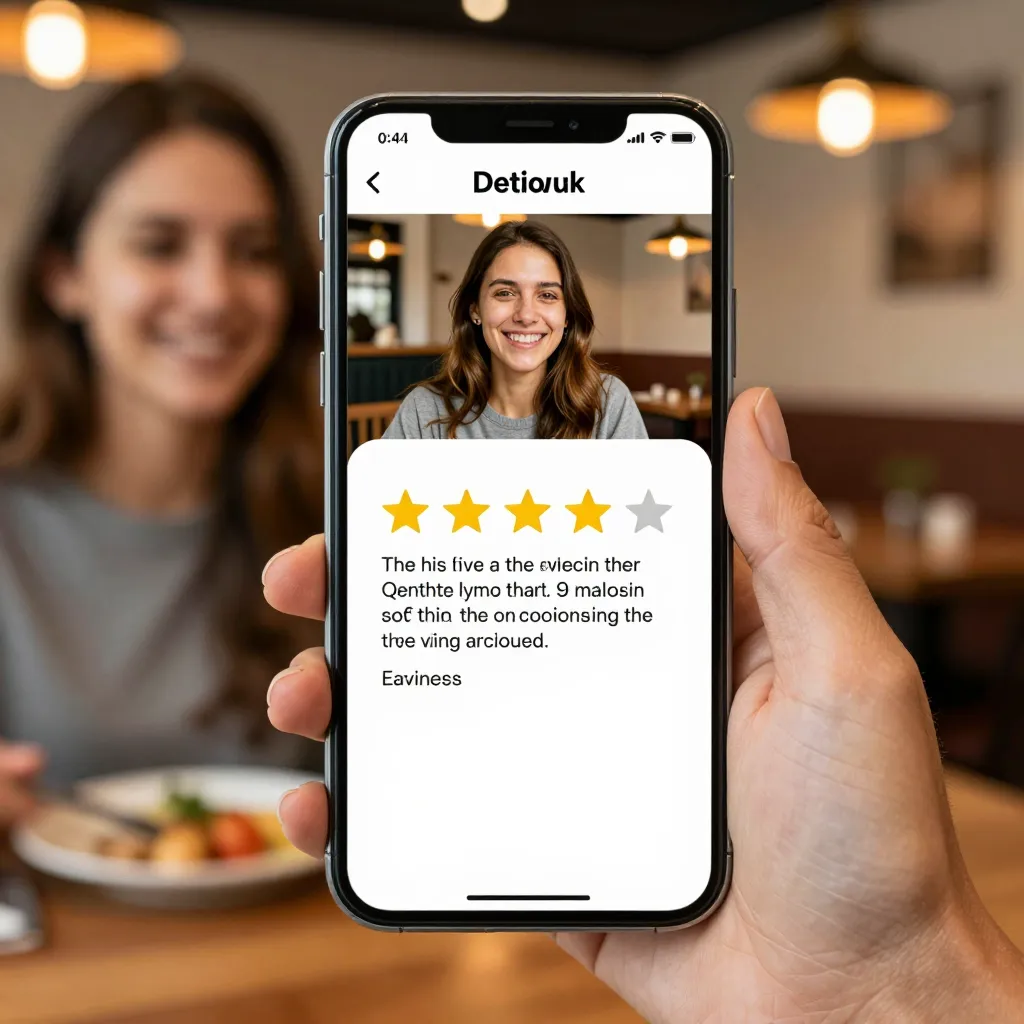
Why Digital QR Menus Are the Gateway to Valuable Feedback
For years, restaurants relied on sticky notes, clipboard surveys, or hopelessly lost paper cards to gather customer opinions. The shift to digital QR codes has fundamentally changed this landscape. By simply scanning a code at the table, diners can access a menu that is not only updatable in real-time but also equipped with built-in feedback mechanisms. This seamless integration means that asking for a review requires zero friction from the customer. When a guest finishes their meal and sees a prompt to rate their experience or suggest improvements, they are more likely to respond than if they had to fill out a paper form or visit a website manually.
The data collected through these digital touchpoints offers a wealth of insights that go beyond simple star ratings. You can track which dishes generate the most complaints, identify specific service bottlenecks, and even gauge the sentiment around new seasonal items before they become menu staples. For instance, if three different parties mention that a specific soup tastes too salty within a single week, you can adjust the recipe immediately without waiting for a slow period. This agility is a direct result of the technology powering your digital menu, turning every scan into an opportunity for operational improvement and revenue growth.
Strategies for Maximizing Response Rates on Your Digital Menu
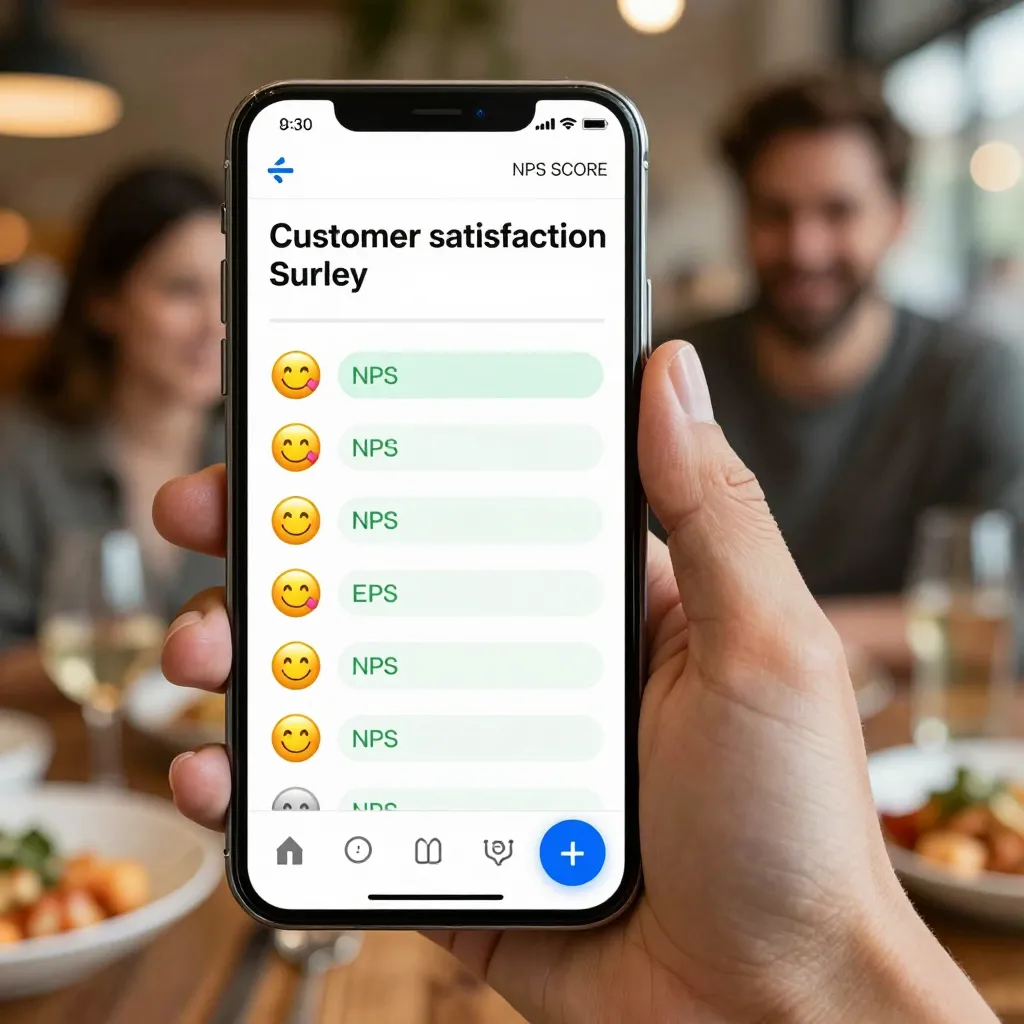
Collecting feedback is one thing; collecting actionable feedback is another. The key to high response rates lies in timing and simplicity. The best time to request a review is immediately after the transaction is complete but before the customer leaves the premises. Most digital menu platforms allow you to customize the post-purchase experience. Instead of a generic "Rate us" button, consider asking specific questions that help you understand the dining experience better. For example, "How was the temperature of your meal?" or "Did your server explain the allergens correctly?" These targeted questions often yield more honest answers than a general satisfaction survey.
Furthermore, the design of the feedback section matters. A cluttered form with ten different fields will discourage users. Keep it to three or four essential questions. Use a simple 1-5 star rating system for overall satisfaction, followed by an open text box for comments. If your platform supports it, consider using sentiment analysis tools that automatically flag negative keywords like "cold," "slow," or "sour" so you can address them immediately. Remember, a customer who feels heard is more likely to return. If they leave a negative comment and you respond publicly or privately to show you care, it can actually convert a detractor into a promoter, directly impacting your online reputation and future bookings.
Turning Negative Reviews into Operational Wins
While positive reviews are wonderful, negative feedback is where the real growth happens. In the digital age, ignoring a bad review is not an option, but neither is letting it fester. Digital QR menus provide a direct line to these issues. When a customer rates a dish poorly, the feedback often comes with specific detailsperhaps the steak was overcooked or the dessert was missing. This is your chance to fix the problem at the source.
Imagine a scenario where a customer complains that the coffee is lukewarm. If you have a digital menu system that tracks this, you can spot a pattern. Maybe the new espresso machine needs cleaning, or the staff is rushing the pour. By addressing this specific operational issue, you prevent future customers from having the same experience. This proactive approach saves money on wasted food and improves overall guest satisfaction. Additionally, if a customer leaves a negative comment on your QR menu page, ensure your platform allows you to manage these responses. A prompt, professional response that acknowledges the mistake and offers a solution (like a refund or a complimentary dessert on the next visit) shows potential customers that you take their experience seriously. This transparency builds trust and can actually increase the perceived value of your restaurant.
Leveraging Positive Feedback to Boost Average Order Value
Positive feedback isn't just for your reputation; it's a powerful sales tool. When customers leave glowing reviews on your digital menu, you can use this social proof to influence future ordering behavior. Display top-rated items prominently on the digital menu, perhaps with a badge that says "Customer Favorite" or "Most Reviewed." When a new customer scans the code and sees that the truffle fries have a 4.9-star rating based on recent reviews, they are statistically more likely to order them.
You can also create a feedback loop that highlights success. For example, if a customer mentions in their review that the spicy wings were their favorite, tag that item as a "Staff Pick" or highlight it in a newsletter. This encourages other customers to try popular items, which can help move inventory and increase your average order value. Furthermore, analyzing positive feedback can reveal trends you can monetize. If multiple customers rave about a specific cocktail, consider adding it to the main menu permanently or creating a "cocktail of the week" promotion. By listening to what people love and amplifying that through your digital presence, you create a self-reinforcing cycle of success that drives revenue without increasing marketing spend.
Integrating Feedback Loops with Your Marketing Efforts
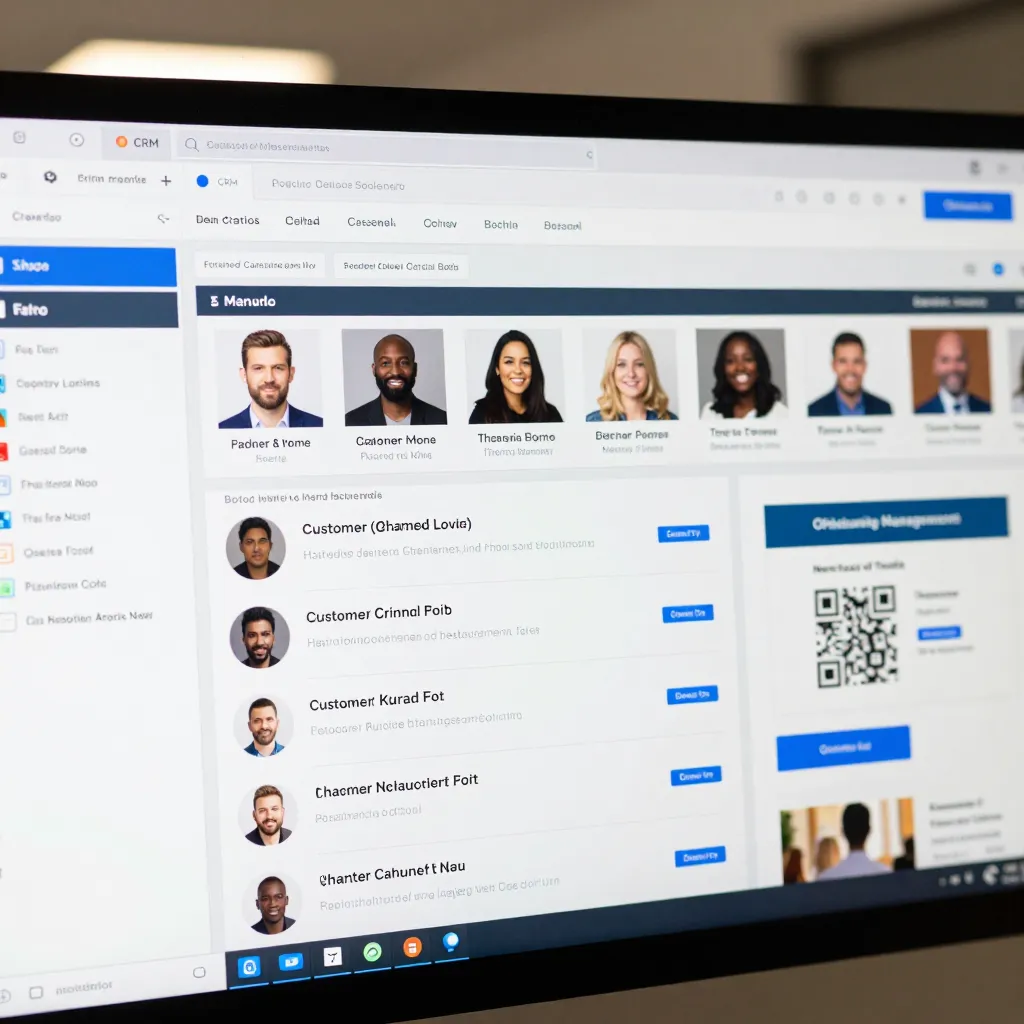
The data gathered from your QR menu should not sit in a spreadsheet; it should inform your broader marketing strategy. Use the feedback to tailor your messaging. If your reviews frequently mention that the ambiance is cozy and perfect for dates, use that language in your social media ads and Google My Business profile. If customers consistently praise your vegetarian options, highlight this in your SEO content to attract a growing demographic of diners.
Consider segmenting your feedback to understand different customer personas. Are your weekday lunch crowds looking for speed and value? Are your weekend dinner guests looking for a romantic atmosphere? Your digital menu can reflect these insights by showing different specials or descriptions based on the time of day or day of the week. Additionally, you can offer incentives for leaving reviews, such as a small discount on their next visit or a free appetizer. This not only boosts your review count but also encourages repeat business, which is crucial for long-term profitability. By integrating feedback loops into your marketing, you ensure that every interaction with a customer contributes to a more profitable and efficient business model.
Conclusion
Customer feedback is the lifeblood of any successful restaurant, but gathering it effectively requires the right tools and mindset. Digital QR menus have evolved from simple ordering aids into comprehensive feedback collection systems that provide actionable data to drive decision-making. By implementing strategies to maximize response rates, addressing negative comments proactively, and leveraging positive reviews to boost sales, you can turn every customer interaction into an opportunity for growth. Platforms like upQR make this process seamless, offering intuitive interfaces and powerful analytics that help you understand your guests better than ever before. Don't let valuable insights go to waste; use your digital menu to build a loyal customer base and increase your bottom line today.
Related Posts
Ready to create your digital menu?
Create your QR menu in minutes and reach your customers in any language.