
Build a Successful Dark Kitchen with QR-Powered Online Ordering
Discover how dark kitchens leverage digital QR menus to reduce overhead, expand delivery reach, and maintain transparency in a competitive food service market.
Understanding the Dark Kitchen Advantage
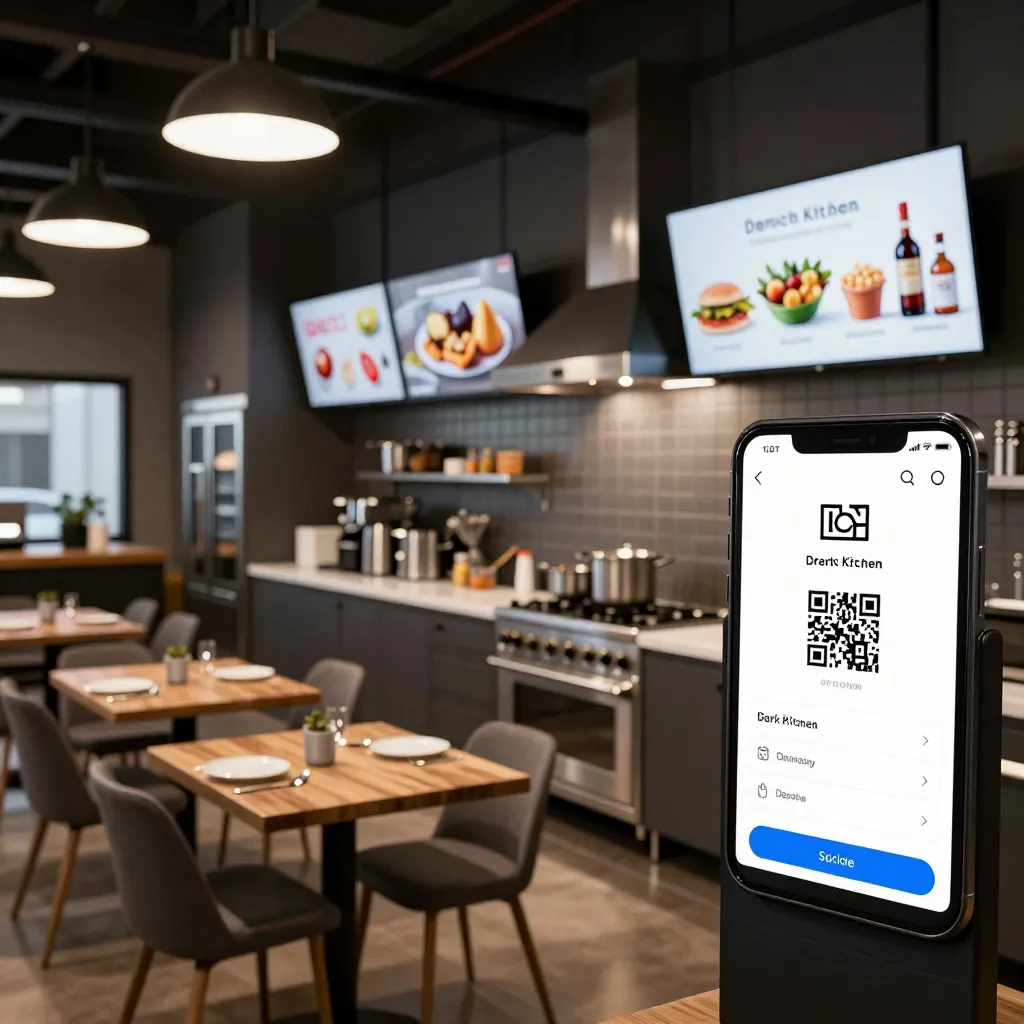
Dark kitchens, also known as ghost kitchens or cloud kitchens, represent a revolutionary shift in the food service industry. Unlike traditional restaurants, these facilities operate without a dine-in component, focusing exclusively on delivery and takeout. This model significantly reduces operational costs by eliminating the need for front-of-house staff, decor, and prime real estate in high-traffic dining districts. However, the success of a dark kitchen relies heavily on its ability to capture attention in a saturated digital marketplace where customers often have no physical connection to the brand before placing an order.
The challenge for dark kitchen operators is twofold: driving traffic to the platform and ensuring that the ordering experience builds trust. This is where a digital QR menu becomes indispensable. In a dark kitchen environment, the "storefront" is the screen of a smartphone. A robust digital menu system allows you to present high-quality imagery, detailed descriptions, and transparent pricing without the clutter of printed paper. By integrating upQR, you create a seamless bridge between your kitchen's culinary excellence and the customer's desire for convenience.
Industry data suggests that dark kitchens can see a 30% reduction in overhead costs compared to traditional brick-and-mortar locations. However, without a strong digital presence, this cost advantage can be negated by high customer acquisition costs. A QR-powered menu system not only lowers the cost of printing but also provides dynamic capabilities, such as A/B testing menu items or updating allergen information instantly. This agility is crucial for dark kitchens that often operate multiple virtual brands from a single location, requiring distinct digital identities for each concept.
Optimizing Your Digital Menu for Transparency and Trust
One of the core values driving modern food consumption is transparency. Customers increasingly demand to know exactly what they are eating, including ingredient sourcing, nutritional information, and allergen warnings. In a dark kitchen, where the consumer cannot see the food being prepared, this transparency is the only way to build trust. A static PDF menu or a poorly designed online page fails to meet these expectations.
Using a platform like upQR allows you to display detailed ingredient lists and sourcing stories directly on the menu. For example, if you source proteins locally or use organic vegetables, highlighting this information can justify premium pricing and attract a specific demographic of health-conscious diners. Transparency also extends to pricing. Hidden fees, such as exorbitant delivery charges or mandatory service fees, are a major complaint among delivery users. By clearly displaying the final price or breaking down costs transparently, you reduce cart abandonment rates and foster customer loyalty.
Furthermore, universal access is a critical component of a successful dark kitchen strategy. A digital QR menu can be optimized for screen readers and adjustable text sizes, ensuring that customers with visual impairments or those using mobile devices can navigate your offerings easily. You can also include multilingual descriptions, breaking down language barriers that often limit the reach of a delivery-only business. When a customer feels informed and safe regarding their order, they are more likely to return, turning a one-time delivery into a recurring revenue stream.
Strategies to Drive Traffic to Your QR Menu
Driving traffic to a dark kitchen is often more challenging than for a traditional restaurant because there is no physical ambiance to entice passersby. Your digital menu must be the hook that pulls customers in. To achieve this, you need a multi-channel approach that integrates QR technology effectively.
First, leverage the ubiquity of QR codes in the food delivery ecosystem. When a customer receives an order confirmation via SMS or email, include a direct link to your QR menu page. This serves two purposes: it reinforces the brand and allows the customer to view the full menu if they wish to reorder or try new items. Additionally, partner with delivery aggregators who can display your QR code on their app interfaces. Many customers prefer to browse the full menu on the aggregator's site before placing the order; ensuring your QR code is prominent there can capture this intent.
Second, utilize social media marketing to drive traffic. Platforms like Instagram and TikTok are visual mediums perfect for showcasing food photography from your digital menu. Include QR codes in your bio or as stickers on packaging. For instance, a customer receiving a meal might see a QR code on the box that leads to a "secret menu" section or a loyalty program signup. This gamification element encourages engagement and keeps the customer connected to your brand even after the meal is consumed.
Third, implement an "always-on" marketing strategy. Unlike a traditional restaurant that is open only during specific hours, a dark kitchen can operate 24/7. Your digital menu should reflect this availability. Use push notifications or automated email sequences to alert subscribers about new items or flash sales. These notifications should link directly to the QR menu page, creating a direct path from notification to purchase. By keeping the digital menu fresh and relevant, you ensure that it remains the primary destination for your customers.
Enhancing the Customer Experience with Dynamic Content
The customer experience (CX) in a dark kitchen is entirely digital. Every click, every image load, and every piece of text contributes to the overall perception of your brand. A QR-powered menu system like upQR allows you to create a dynamic experience that goes beyond a simple list of food items.
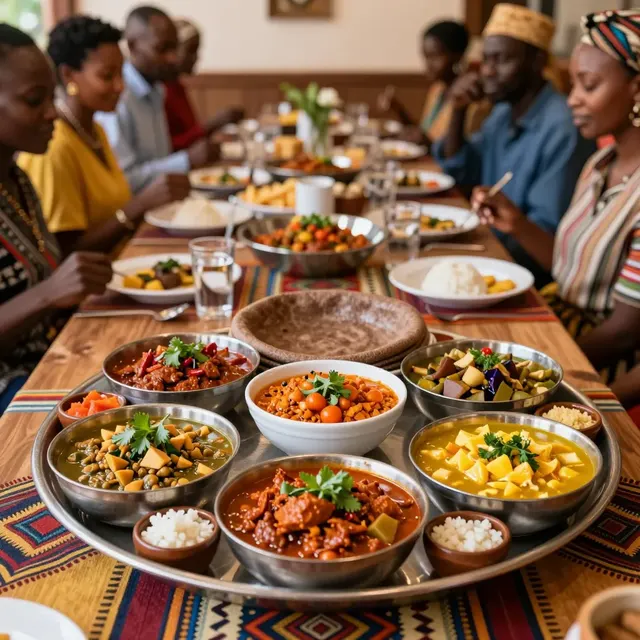
Consider the importance of storytelling. A dark kitchen often lacks the physical atmosphere of a restaurant, so the menu must compensate with narrative. Use the digital space to tell the story behind your dishes. Did a chef create a specific sauce inspired by a trip to Italy? Is the bread baked using a specific ancient grain? These details, presented alongside high-resolution photos, can evoke a sense of place and craftsmanship that rivals a physical dining room. This emotional connection is vital for differentiating your brand in a market where many competitors offer similar menu items.
Personalization is another key feature to leverage. If your platform supports it, allow customers to customize their orders with detailed notes, such as spice levels or specific dietary restrictions. Displaying these options clearly on the QR menu reduces friction at the point of ordering. Furthermore, integrating feedback loops into the menu experience can be beneficial. After an order is placed, a prompt asking for a quick rating or comment can provide valuable data for your kitchen team to refine operations. This demonstrates that you value customer input and are committed to continuous improvement.
Finally, ensure that the loading speed of your QR menu is optimized. In the world of instant delivery, customers have no patience for slow-loading pages. A delay of even a few seconds can lead to a customer switching to a competitor's menu. A streamlined, lightweight digital menu ensures that the focus remains on the food and the ordering process, not on technical frustrations. This efficiency directly correlates with higher conversion rates and a smoother operational flow for your kitchen staff.
Scaling Your Business Through Data and Analytics
One of the most significant advantages of using a digital QR menu system is access to real-time data. Traditional printed menus offer zero insights into customer behavior, but a digital platform provides a wealth of information that can drive strategic decisions. You can track which items are most popular, what time of day orders peak, and which marketing campaigns generate the most revenue.
By analyzing this data, you can optimize your menu engineering. If you notice that certain items have a low conversion rate, you can investigate whether the description is unclear or the pricing is too high. Conversely, if a new item is flying off the virtual shelves, you can decide to increase inventory for that specific dish. This level of precision allows a dark kitchen to operate with the efficiency of a lean startup, constantly iterating based on customer feedback rather than guesswork.
Moreover, data helps in managing the virtual brand portfolio. Many successful dark kitchen operators run multiple concepts from a single kitchen. Analytics allow you to segment performance by brand, helping you understand which concept resonates best with different demographics. If one virtual brand is underperforming, you can adjust its digital menu strategy, update its visual identity, or even discontinue it to focus resources on your top performers. This data-driven approach minimizes waste and maximizes profitability, which is essential for the financial sustainability of a dark kitchen business.
Ultimately, the goal of a dark kitchen is to build a sustainable, scalable, and profitable food business. By combining the cost efficiencies of a delivery-only model with the powerful capabilities of a QR-powered digital menu, you create a competitive edge that is difficult for traditional restaurants to match. The integration of transparency, universal access, and honest information ensures that you not only survive but thrive in the evolving landscape of food service.
upQR empowers you to achieve this vision by providing a platform that aligns with your core values of sustainability and honesty. By choosing a solution that eliminates paper waste and offers complete control over your menu presentation, you are not just selling food; you are building a brand that customers can trust. Whether you are launching your first virtual brand or expanding your portfolio, a QR-powered online ordering system is the foundation upon which a successful dark kitchen is built.
Related Posts
Ready to create your digital menu?
Create your QR menu in minutes and reach your customers in any language.