Women-Owned Restaurants Lead Digital Menu Revolution
Discover how women entrepreneurs are transforming the dining industry with innovative digital menus, personalized experiences, and sustainable practices.
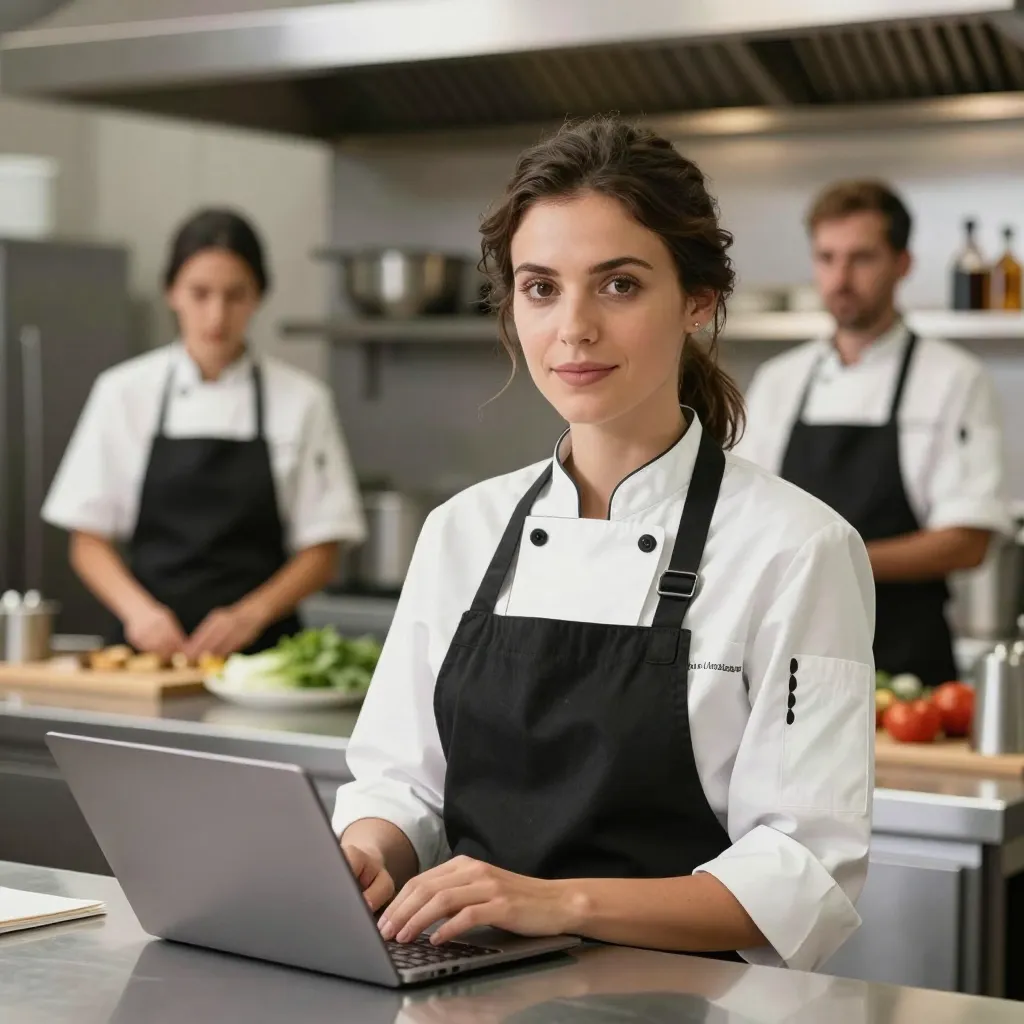
The Quiet Revolution in Restaurant Technology
The restaurant industry is undergoing a significant transformation, driven largely by a demographic that has long been overlooked in tech narratives: women-owned businesses. While the tech sector often highlights male founders, the hospitality industry is seeing a surge in female entrepreneurs who are not just adopting digital tools but are actively shaping the future of how menus are designed, managed, and experienced. According to recent data, women-owned businesses in the U.S. contribute over $1.8 trillion to the economy, yet they face unique challenges in accessing capital and technology. However, the rise of accessible platforms like upQR is changing the narrative, allowing these leaders to pivot quickly and embrace digital solutions that were once the domain of larger chains.
This shift is not merely about replacing paper with screens; it is about reclaiming time, reducing waste, and creating more inclusive dining environments. Women in food service have historically managed the "invisible labor" of a restaurantmanaging relationships, ensuring customer comfort, and maintaining high standards of hospitality. Digital menus allow them to offload administrative tasks, focusing their energy on what they do best: creating memorable guest experiences. The statistics are compelling: restaurants that adopt digital menus report a 20-30% increase in table turnover rates, a metric that directly impacts revenue and operational efficiency.
Reclaiming Time Through Digital Efficiency
One of the most significant benefits of switching to a digital QR menu platform is the reclamation of time. For many women-owned restaurants, the owner is often the face of the brand, personally greeting guests and managing the front-of-house. Without a streamlined digital menu, this valuable time is often lost on manual tasks like updating printed menus, correcting pricing errors, or explaining daily specials to confused guests. A digital menu solves this by centralizing all information in one accessible location.
Consider the scenario of a busy lunch rush. In a traditional setting, a server must physically walk to the kitchen to check for updates on ingredients or prices before bringing the menu to the table. With upQR, these updates happen in real-time on the cloud. If a popular item sells out or a price changes, the entire menu updates instantly for every guest. This eliminates the friction of outdated information and allows staff to focus entirely on hospitality. Furthermore, the ability to customize the menu for different dietary needssuch as clearly marking gluten-free or vegan options with a single clickempowers servers to make guests feel cared for without needing to ask the kitchen repeatedly.
Building a Personalized and Inclusive Dining Experience
Women-owned restaurants often excel at creating warm, personalized atmospheres. Digital menus amplify this strength by allowing for a level of personalization that paper simply cannot match. Beyond just displaying images, a digital platform can offer interactive elements that engage guests and tell the story behind the food. For example, a restaurant can include short videos of the chef preparing a signature dish or share the sourcing story of their local farmers directly on the menu screen.
Personalization also extends to accessibility, a core value for many female-led businesses. A digital menu can be optimized for screen readers, ensuring that visually impaired guests can navigate the menu independently. It can also be translated into multiple languages instantly, welcoming international guests without the need for physical translation cards. This inclusivity aligns with the values often championed by women entrepreneurs, who tend to prioritize community and connection. By making the menu accessible to everyone, these restaurants foster a sense of belonging that goes beyond the food on the plate.
Real-world examples abound. A cafe owner in a bustling city district might use a digital menu to highlight "Chef's Pick of the Day" based on seasonal availability, encouraging guests to try new things. Another might use the platform to run a loyalty program, automatically offering a discount to returning customers who scan the QR code. These small touches build loyalty and create a modern, tech-savvy brand image that attracts a younger, diverse demographic.
Reducing Waste and Embracing Sustainability
Sustainability is a growing priority for the restaurant industry, and women-owned restaurants are often at the forefront of this movement. The production, printing, and disposal of paper menus contribute significantly to the industry's carbon footprint. By switching to a digital solution, restaurants can eliminate thousands of pages of paper from their waste stream annually. This is not just an environmental win; it is a financial one. The cost of printing, storing, and replacing menus adds up quickly, especially for establishments with high turnover or frequent menu changes.
UpQR's platform is designed with sustainability in mind, offering a paperless solution that reduces the need for constant reprinting. When a restaurant decides to change its menu, they no longer need to throw away outdated paper menus. Instead, they simply update the digital content. This agility allows owners to respond quickly to market trends or supply chain issues without incurring the cost of physical inventory. For a small business, every dollar saved on supplies is a dollar that can be reinvested into better ingredients or staff training.
Furthermore, digital menus can display dynamic content that promotes sustainable practices. A restaurant can feature a "Green Menu" section that highlights locally sourced items, reducing the carbon footprint associated with shipping food. They can also display information about compostable packaging or recycling initiatives right on the screen. This transparency builds trust with eco-conscious consumers who are increasingly looking for brands that align with their values.
Scaling Success Without Breaking the Bank
One of the biggest hurdles for women-owned businesses is access to capital. Traditional restaurant management systems can be expensive, with high upfront costs for hardware and monthly licensing fees that can strain a startup budget. This is where platforms like upQR offer a distinct advantage. By leveraging cloud-based technology, restaurants can access powerful digital menu capabilities without the need for expensive on-premise servers or complex infrastructure.
The subscription model of many digital menu platforms ensures that owners only pay for what they use. There are no hidden fees for additional pages, multiple locations, or advanced analytics. This scalability is crucial for businesses that are growing. As a restaurant expands from one location to two, or as they introduce new menu categories, the digital platform grows with them seamlessly. This flexibility allows women entrepreneurs to take calculated risks, testing new menu items or marketing strategies without the fear of being locked into a rigid, expensive contract.
Moreover, the data provided by these platforms offers actionable insights that can drive profitability. Owners can see which items are most popular, what time of day brings the most traffic, and which promotions are most effective. This data-driven approach allows for smarter decision-making, helping to optimize inventory and reduce food waste. In an industry where margins are tight, having access to real-time analytics is a game-changer that levels the playing field for smaller operators against larger competitors.
Conclusion
The digital menu revolution is not just a trend; it is a necessary evolution for the modern restaurant industry. Women-owned restaurants are leading this charge, leveraging technology to create more efficient, sustainable, and personalized dining experiences. By adopting tools like upQR, these entrepreneurs are not just keeping up with the times; they are setting the standard for what a modern restaurant should be. The combination of agility, sustainability, and personalization empowers women in food service to focus on their core strength: hospitality. As the industry continues to evolve, those who embrace digital solutions will find themselves better equipped to handle challenges and seize new opportunities. The future of dining is digital, and it is being written by a new generation of female leaders who are ready to lead the way.
Related Posts

Ready to create your digital menu?
Create your QR menu in minutes and reach your customers in any language.
