
Vegan Menu Trends 2026: Essential Guide for Restaurants
Discover the top vegan and plant-based menu trends for 2026. Learn how to integrate these options profitably using digital QR menus.
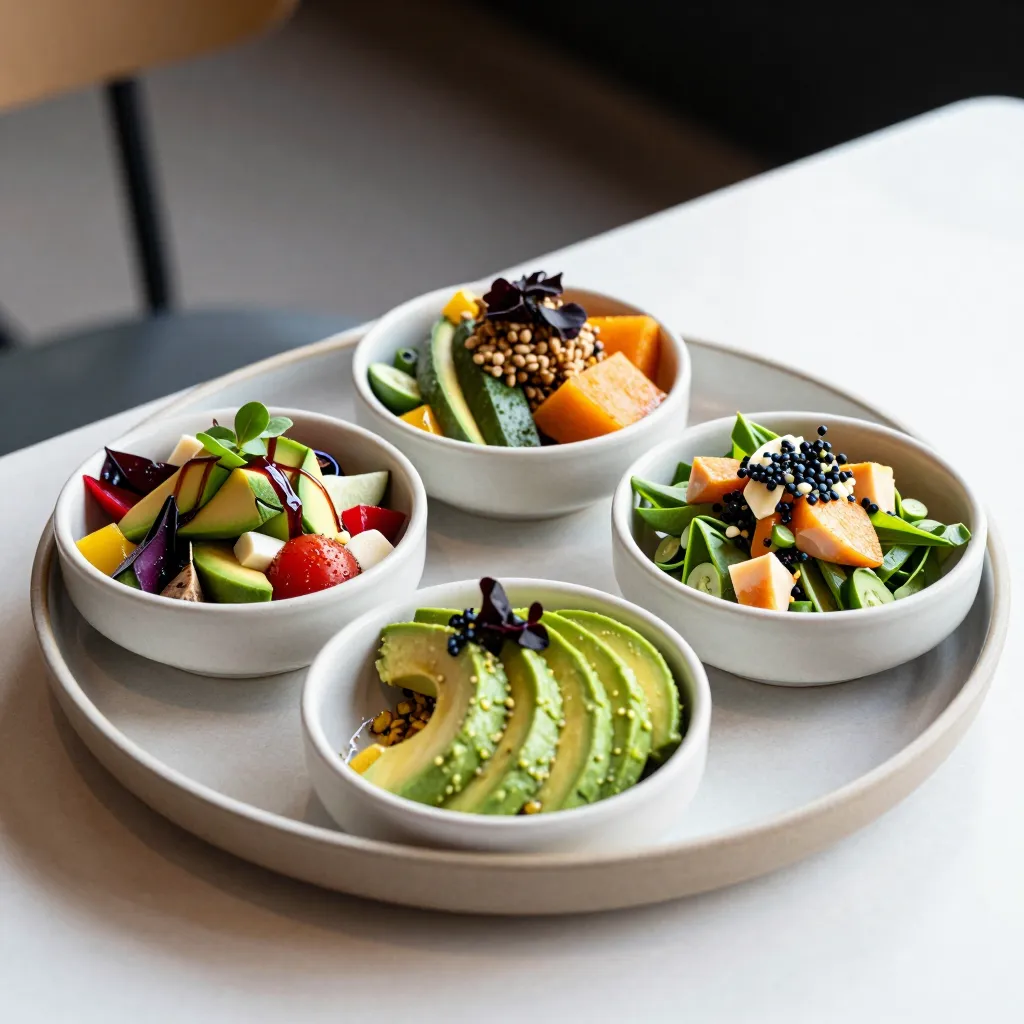
The Surprising Growth of Plant-Based Dining in 2026
By 2026, the narrative around plant-based eating has shifted dramatically from a niche lifestyle choice to a mainstream culinary expectation. Industry data suggests that over 30% of consumers now actively seek out plant-based options, a figure that has tripled since 2020. This isn't just about health; it is about sustainability and ethical consumption. For restaurant owners, ignoring this demographic means leaving significant revenue on the table. The challenge is no longer about whether to offer vegan food, but how to integrate it seamlessly into your existing menu architecture without compromising on flavor or quality.
Restaurants that successfully pivot in this area often see a 15% increase in average check size when they offer a dedicated plant-based section that feels equally luxurious to their meat-based counterparts. The key lies in moving beyond simple substitutions like "veggie burgers" and embracing a menu that celebrates the inherent flavor of plants. This requires a strategic approach to sourcing, menu engineering, and presentation that we will explore in detail.
Top 5 Plant-Based Trends Defining 2026
To stay ahead of the curve, you must understand the specific trends driving consumer demand this year. These are not fleeting fads but structural shifts in how people want to eat.
- Umami-Rich Plant Proteins: The era of bland tofu is over. Consumers in 2026 are demanding ingredients that deliver deep, savory satisfaction. Think mushroom-based steaks, jackfruit pulled "pork," and fermented soy proteins that mimic the texture of meat. Restaurants featuring these items report higher satisfaction scores among non-vegan diners who are trying to reduce meat consumption.
- Hybrid Meat Alternatives: We are seeing a rise in "hybrid" dishes that combine plant-based proteins with small amounts of real meat. For example, a burger patty made of pea protein blended with a slice of bacon or a dash of beef fat. This approach satisfies the most skeptical eaters and bridges the gap between strict vegans and traditionalists.
- Functional Plant Foods: Beyond taste, diners want benefits. Menus in 2026 highlight ingredients like adaptogens, high-protein legumes, and probiotic-rich fermented vegetables. Listing these benefits directly on your menu (especially on a digital one) educates customers and justifies premium pricing.
- Zero-Waste Ingredient Utilization: Sustainability is no longer a buzzword; it is a requirement. Trends show a strong preference for restaurants that use root-to-stem cooking methods. For instance, serving beet greens alongside roasted beets or using vegetable scraps for house-made stocks. This resonates deeply with eco-conscious patrons.
- Gourmet Dessert Innovation: The plant-based revolution has reached the dessert course. Expect to see rich, dark chocolate made from 100% cacao, cashew-based cheesecakes that rival dairy versions, and sorbets made from seasonal berries. Desserts are often the deciding factor for diners choosing a restaurant, making this a critical area for innovation.
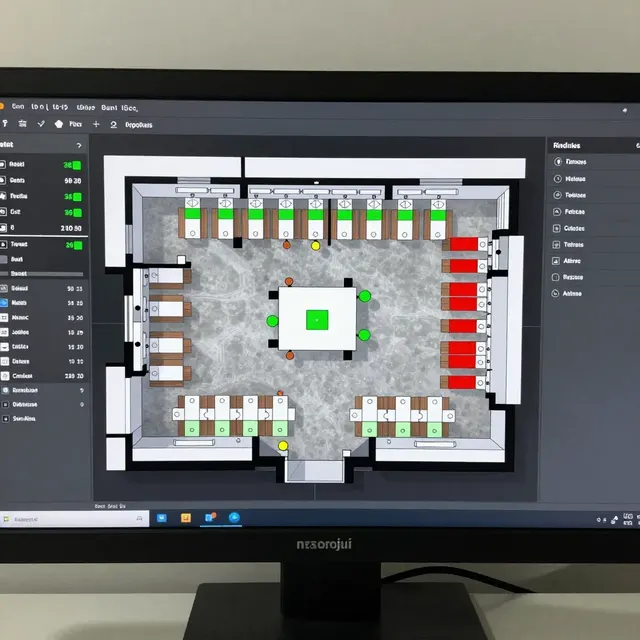
How to Integrate Vegan Options Without Compromising Profit Margins
One of the most common fears among restaurant owners is that plant-based ingredients are too expensive. While some specialty items like cultured jackfruit can carry a higher price tag, the overall cost of goods sold (COGS) for plant-based dishes is often lower than meat-heavy meals. The trick is in the execution. By utilizing seasonal produce, which is abundant and affordable, you can keep margins healthy.
Consider the cost structure of a traditional steak dinner versus a plant-based bowl. A steak dinner involves high protein costs, expensive sides, and complex cooking times. A plant-based bowl utilizing seasonal kale, quinoa, roasted sweet potatoes, and a house-made tahini dressing can be prepared with less labor and significantly lower ingredient costs. However, you must price these items to reflect the perceived value of the ingredients, not just the cost. Marketing these dishes as "chef-crafted" rather than "budget-friendly" allows you to maintain premium pricing tiers.
Another effective strategy is cross-utilization of ingredients. A single batch of roasted cauliflower can be used in a curry, a stir-fry, and a side dish, maximizing your inventory turnover. This reduces waste and lowers your operational costs. By optimizing your supply chain to focus on versatile, long-shelf-life vegetables, you can build a robust plant-based menu that protects your bottom line.
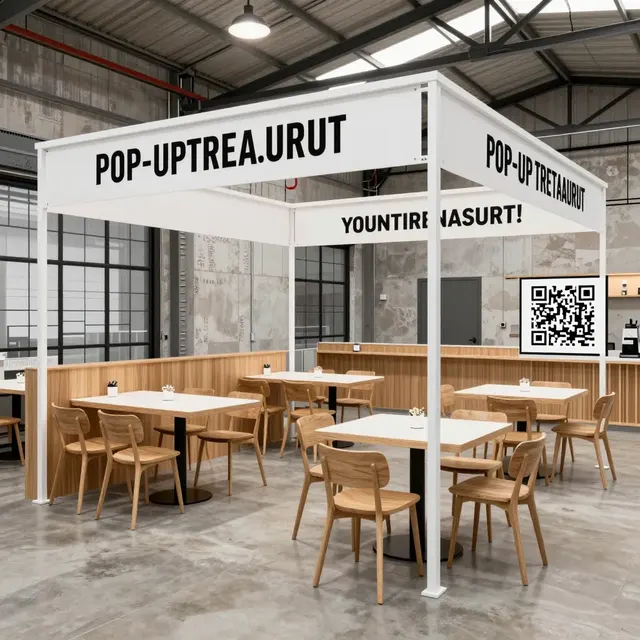
Leveraging Digital Menus for Sustainable and Dynamic Plant-Based Offerings
Here is where upQR changes the game entirely. Managing a plant-based menu on a static printed paper menu is inefficient and wasteful. Printed menus are the single largest source of paper waste in the dining industry, and they cannot adapt to real-time inventory changes. With upQR, you can update your menu instantly. Imagine a scenario where a specific organic avocado runs out; on a paper menu, you have to reprint hundreds of copies or leave a sticky note. With upQR, you simply toggle the item off the digital display.
Furthermore, digital menus offer powerful filtering capabilities. You can create a dedicated "Plant-Based" tab that appears automatically when a customer scans the code. This tab can be further filtered by dietary needs: "Nut-Free," "Gluten-Free," or "High Protein." This level of customization empowers customers to find exactly what they need without overwhelming them with choices. It also allows you to highlight specific sustainability stories. You can add a small note under a dish explaining that the beans were sourced from a local farm within 50 miles, adding transparency that builds trust.
Dynamic menus also allow for A/B testing. You can feature a new plant-based burger on the homepage of your digital menu for a week to see if it drives higher conversion rates. If it performs well, you can move it to a permanent section. If not, you can test a different recipe or presentation. This agility is impossible with traditional paper menus, giving you a competitive edge in a rapidly evolving market.
Best Practices for Marketing Your Plant-Based Menu
Even the best food will go unnoticed if it is not marketed correctly. In 2026, the way you describe your plant-based dishes is just as important as the food itself. Avoid using words like "meatless" or "lite," which can imply a lack of substance. Instead, focus on the experience and the ingredients. Use descriptors like "smoky," "creamy," "hearty," and "artisanal."
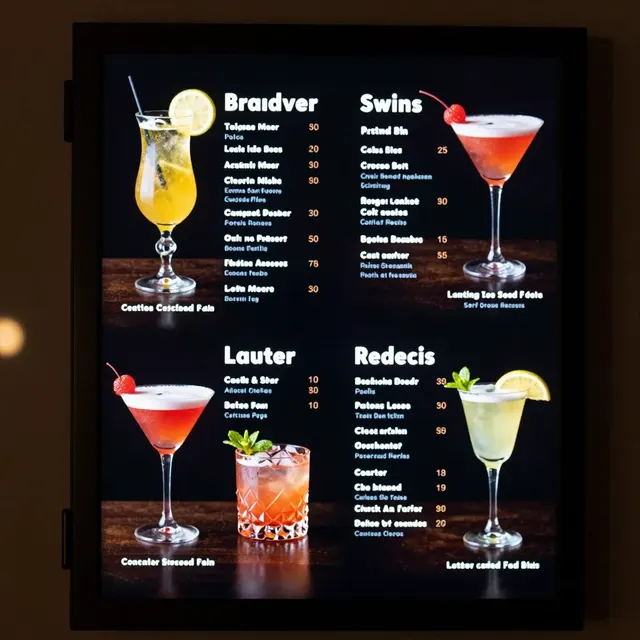
Visual presentation is key. If you are using a digital menu, ensure your photography is high-resolution and appetizing. A photo of a vibrant green salad with a rich dressing is far more effective than a generic stock image. You can also use the digital platform to tell a story. Include a section on your menu about your sustainability practices, such as composting programs or partnerships with local farmers. This content marketing approach helps build a loyal community around your brand.
Training your staff is equally crucial. Front-of-house staff must be able to answer questions about allergens and ingredients with confidence. They should be able to explain why a specific dish is plant-based and highlight its unique flavor profile. When a customer feels informed and cared for, they are more likely to try a new dish and recommend the restaurant to others. This holistic approach to service, supported by the ease of access provided by upQR, creates a seamless dining experience that appeals to both vegans and flexitarians.
Conclusion
The landscape of dining in 2026 is undeniably plant-forward. To succeed, restaurants must embrace these trends not as a compromise, but as an opportunity to innovate and expand their market reach. By integrating high-quality, umami-rich plant-based dishes and leveraging the dynamic capabilities of digital menus, you can meet the demands of modern consumers while maintaining profitability. upQR provides the essential technology to manage these complex menus with ease, allowing you to focus on what matters most: creating delicious food and memorable experiences. Start your transition today and position your restaurant as a leader in sustainable dining.
Related Posts


Ready to create your digital menu?
Create your QR menu in minutes and reach your customers in any language.