Boost Revenue: Guide to QR Menu Pre-Ordering
Learn how to implement QR menu pre-ordering to reduce wait times, streamline kitchen workflows, and increase average order value before guests even sit down.
Transforming the Waiting Experience into Revenue Opportunities
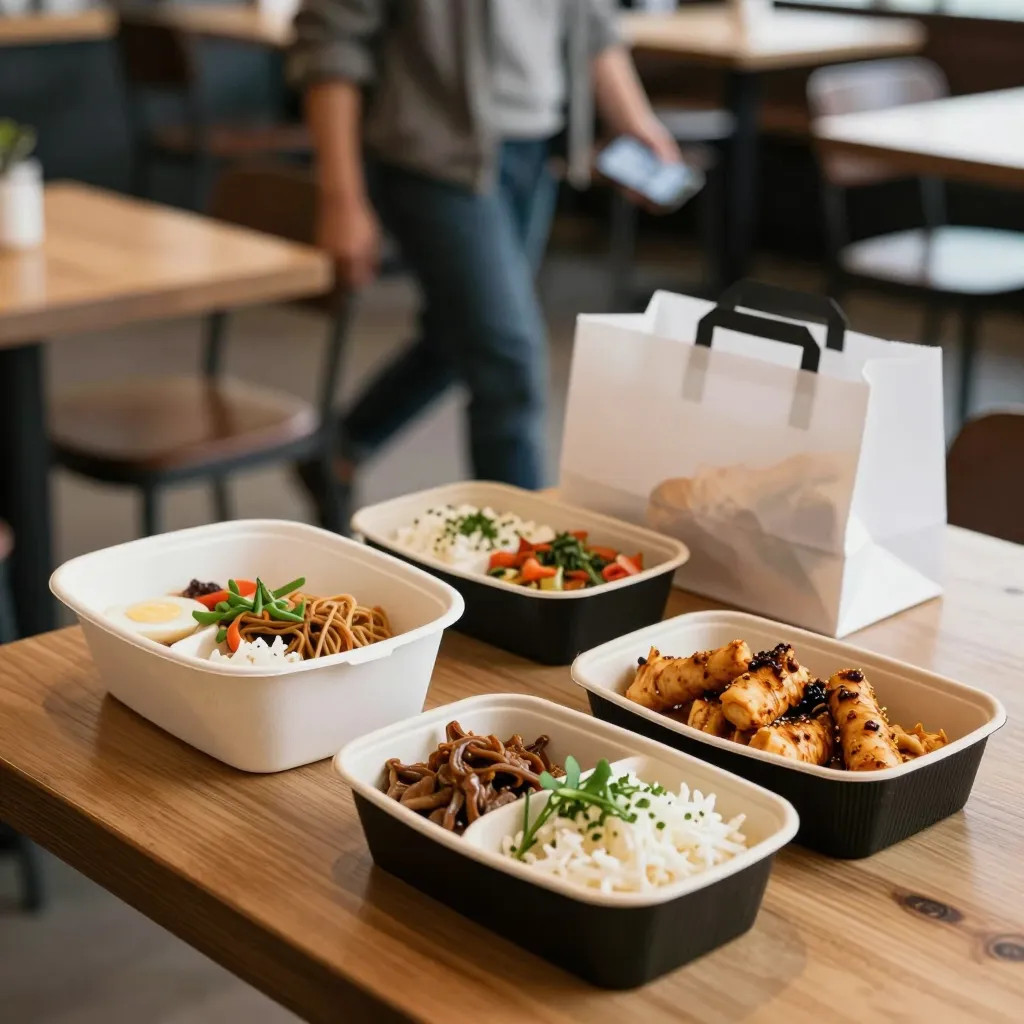
For restaurant owners and cafe managers, the time between a guest's arrival and their seating is often viewed as lost time. Traditionally, this window represents idle moments where customers might order a drink but nothing more. However, by leveraging digital QR menus for pre-ordering, this gap transforms into a powerful revenue stream. When guests scan a code upon arrival or even while waiting in line, they can review the menu, check ingredients for allergies, and place their order instantly.
This strategy does more than just fill seats; it fundamentally changes the operational dynamics of a dining room. According to industry data, restaurants that offer pre-ordering capabilities see a significant reduction in table turnover times and an increase in overall check averages. The key is to make the process seamless. Guests should not feel pressured; rather, they should feel empowered to choose their meal before the server arrives. This reduces the cognitive load on staff, allowing them to focus on hospitality rather than taking orders.
Consider the scenario of a busy lunch rush. A diner arrives at 12:15 PM for a 12:00 PM reservation. In a traditional setting, they wait for a server to explain specials and take an order, delaying food arrival. With a pre-ordering system, the guest scans the QR code, selects their entree, and confirms the order. By the time they are seated at 12:20 PM, their food is already in the kitchen queue. This efficiency is not just about speed; it is about enhancing the guest experience by ensuring accuracy and reducing the chance of errors in order taking.
Operational Efficiency: Streamlining Kitchen and Staff Workflows
The benefits of pre-ordering extend far beyond the guest's satisfaction; they deeply impact the internal operations of the restaurant. When orders are placed digitally before arrival, the kitchen receives a structured, clear list of what needs to be prepared as soon as the guest is seated. This eliminates the chaotic rush of multiple servers shouting orders simultaneously, a common source of stress in high-volume establishments.
With a system like upQR, the menu data is centralized. If a chef needs to modify a recipe or a special is added, the change is reflected instantly on every device, ensuring that pre-orders are always accurate. This transparency is crucial for maintaining trust. Staff can access order history immediately, seeing exactly what a guest has requested, which allows for better preparation of ingredients and more efficient use of the brigade system.
Furthermore, pre-ordering helps in managing peak times more effectively. By analyzing pre-order data, managers can identify popular dishes that cause bottlenecks and adjust prep times accordingly. For example, if a specific steak takes 25 minutes to cook and many guests pre-order it during a busy hour, the kitchen can prepare the necessary portions in advance or adjust the workflow to prioritize these items. This data-driven approach to kitchen management leads to faster service times and happier guests who do not have to wait excessively for their food.
Another critical aspect is the reduction of errors. Human error in order takingmixing up sides, forgetting dietary restrictions, or mishearing special requestsis a leading cause of complaints and food waste. A digital pre-order form captures every detail: allergies, spice levels, and customizations. This information is transmitted directly to the point-of-sale (POS) system and the kitchen display, creating a single source of truth for the entire team. When a guest sees exactly what they ordered on their phone and confirms it, the likelihood of receiving the wrong item drops to near zero.
Enhancing Transparency and Building Guest Trust
Transparency is a cornerstone of modern dining, and pre-ordering via a digital QR menu amplifies this value. When guests pre-order, they are presented with detailed ingredient lists, nutritional information, and clear allergen warnings. This level of honesty is essential for guests with dietary restrictions, such as gluten intolerance or nut allergies. In a traditional setting, a guest might hesitate to order a dish due to fear of cross-contamination or hidden ingredients. A digital menu allows them to verify safety before they commit to an order.
This transparency fosters a deeper connection between the restaurant and its guests. When a customer knows they are dealing with an establishment that prioritizes their health and safety, their trust increases. This trust translates into loyalty and repeat business. For instance, a vegan guest can easily filter the menu, read the preparation methods for a specific sauce, and feel confident placing an order without needing to ask a server multiple questions.
Moreover, pre-ordering allows for honest communication about wait times and availability. A well-designed QR menu can display real-time inventory status or estimated cooking times for complex dishes. If a popular item is sold out, the system can notify the guest immediately, preventing disappointment. This honesty about limitations is often appreciated more than a full menu that cannot be fulfilled. It shows respect for the guest's time and expectations, reinforcing the restaurant's commitment to quality and integrity.
Price transparency is also a major factor. Digital menus can display clear pricing without hidden fees or confusing markup structures. Guests appreciate knowing exactly what they are paying for, which reduces friction at the end of the meal. When pre-ordering, guests can see the total cost upfront, allowing them to budget their dining experience. This openness creates a relaxed atmosphere where guests can focus on enjoying their food rather than worrying about the bill.
Strategies to Increase Average Order Value (AOV)
One of the most compelling reasons to implement pre-ordering is its potential to boost the Average Order Value (AOV). In a physical setting, guests often stick to their initial plan and may not consider additional items once they are seated and eating. However, a digital interface offers unique opportunities to upsell and cross-sell effectively. Pre-ordering prompts can be designed to suggest complementary items naturally.
For example, when a guest selects a burger as their main course, the QR menu interface can automatically suggest a specific side, a premium drink, or a dessert that pairs well with the meal. These suggestions can be based on popularity or profit margins, guiding the guest toward higher-value choices without being pushy. The digital format allows for dynamic content; if a high-margin cocktail is available, it can be highlighted with an enticing image and a brief description of its ingredients.
Another strategy is to offer limited-time pre-order bonuses. Guests who place their order before arriving might receive a small discount or a free appetizer if they add a second item to their cart. This gamification encourages guests to spend more. For instance, "Pre-order two entrees and get a complimentary dessert" is a powerful incentive that works well when the guest is browsing from their phone. The convenience of adding items to a cart while waiting removes the friction of asking a server for a recommendation.
Seasonal menus also benefit from pre-ordering. If a restaurant introduces a new seasonal special, they can feature it prominently on the QR menu with a compelling story about the ingredients. Guests who pre-order this item become early adopters and advocates for the restaurant's innovation. By the time they arrive, they are eager to try the dish, and the kitchen is already prepared to serve it immediately. This not only reduces waste but also creates a buzz around the restaurant's offerings.
Data analytics from pre-ordering campaigns provide valuable insights into guest preferences. Managers can see which upsell suggestions convert best and refine their strategy accordingly. If a specific pairing consistently leads to higher AOV, it can be made a default suggestion for all guests. This continuous improvement loop ensures that the restaurant is always optimizing its revenue potential while maintaining a high standard of guest satisfaction.
Implementation Tips for a Seamless Pre-Ordering Experience
To successfully integrate pre-ordering into your restaurant's workflow, careful planning and execution are required. The technology must be robust, fast, and easy to use on various devices. Start by ensuring your QR menu platform, such as upQR, is optimized for mobile loading speeds. Guests should be able to scan the code and have the menu fully loaded within seconds, even on slower cellular networks. A lagging menu can frustrate guests and lead to abandoned orders.
Design the pre-order flow to be intuitive. Use clear language and high-quality images that accurately represent the food. Avoid cluttered interfaces that overwhelm the user. Instead, guide the guest step-by-step through the ordering process. Include a clear call to action, such as "Confirm Order" or "Add to Cart," that is easy to tap. Ensure that the confirmation screen provides a summary of the order and an option to modify it before final submission.
Train your staff on how to assist guests who are unfamiliar with the process. Some guests may prefer to speak with a server before placing an order, even if they scan the code first. Servers should be equipped to help guests navigate the menu, answer questions about ingredients, and assist with the checkout process. This hybrid approach ensures that no guest is left behind and that the pre-ordering system complements, rather than replaces, human interaction.
Finally, communicate the benefit of pre-ordering clearly to your guests. Use signage at the entrance or on the table to explain that pre-ordering helps reduce wait times and ensures their food is ready immediately upon seating. Transparency about how the system works builds confidence. Encourage guests to try it out, perhaps by offering a small incentive for their first pre-order, such as a free dessert or a discount on their next visit. Over time, this behavior will become habitual, and the restaurant will reap the rewards of a more efficient and profitable operation.
Conclusion
Implementing pre-ordering through a digital QR menu is no longer just a trend; it is a strategic necessity for modern restaurants aiming to thrive in a competitive market. By reducing wait times, streamlining kitchen operations, enhancing transparency, and increasing average order values, pre-ordering delivers tangible benefits that resonate with both guests and staff. It aligns perfectly with the core values of sustainability, honesty, and universal access that define the best digital dining experiences.
upQR provides the robust, transparent, and user-friendly platform needed to make this transition seamless. With upQR, you gain access to detailed analytics, customizable menu designs, and a system that prioritizes the needs of every guest, regardless of their dietary requirements or language. Embrace the future of dining today, turn your waiting time into revenue, and deliver an exceptional experience that keeps your guests coming back for more.
Related Posts
Ready to create your digital menu?
Create your QR menu in minutes and reach your customers in any language.
