Restaurant Branding with Digital Menus: The Ultimate Guide
Transform your dining identity with a digital QR menu. Learn practical branding strategies that boost sales, enhance customer experience, and streamline operations.
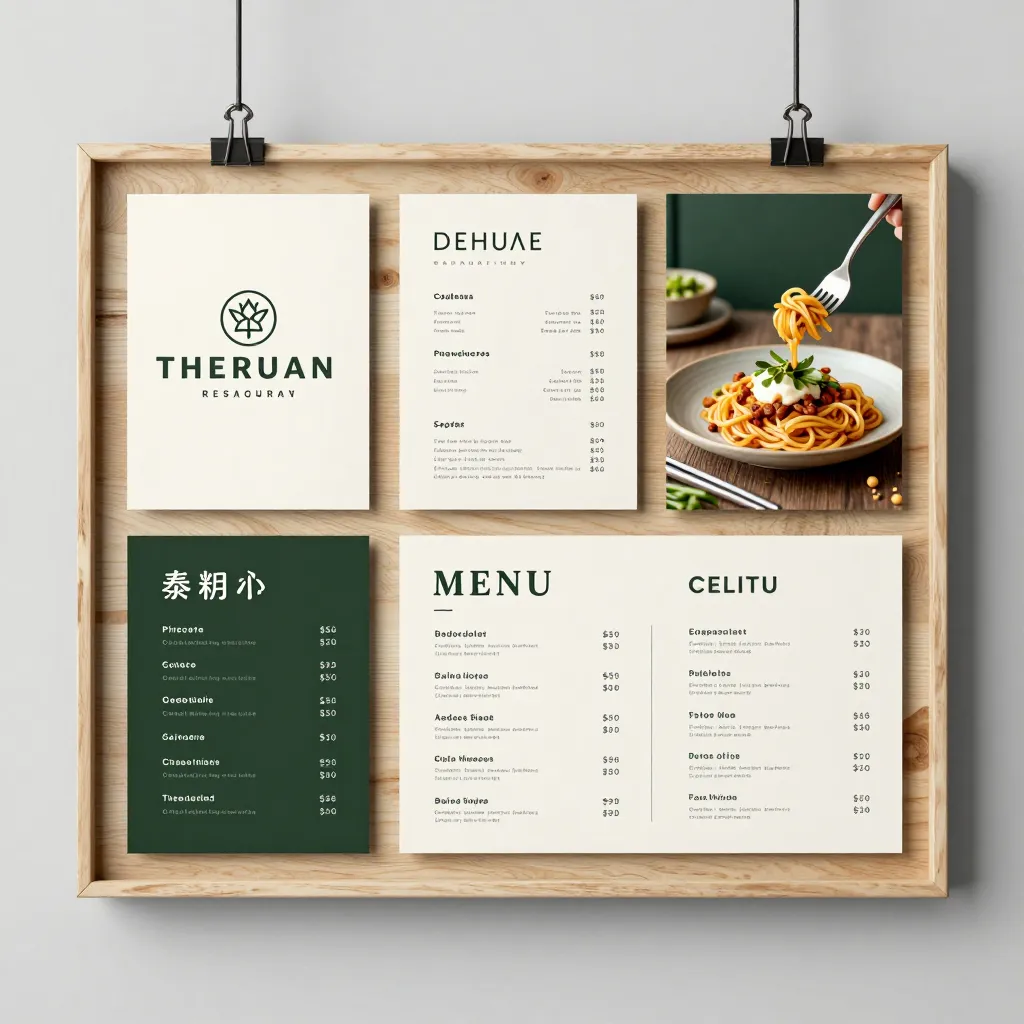
Why Digital Menus Are the New Standard for Restaurant Branding
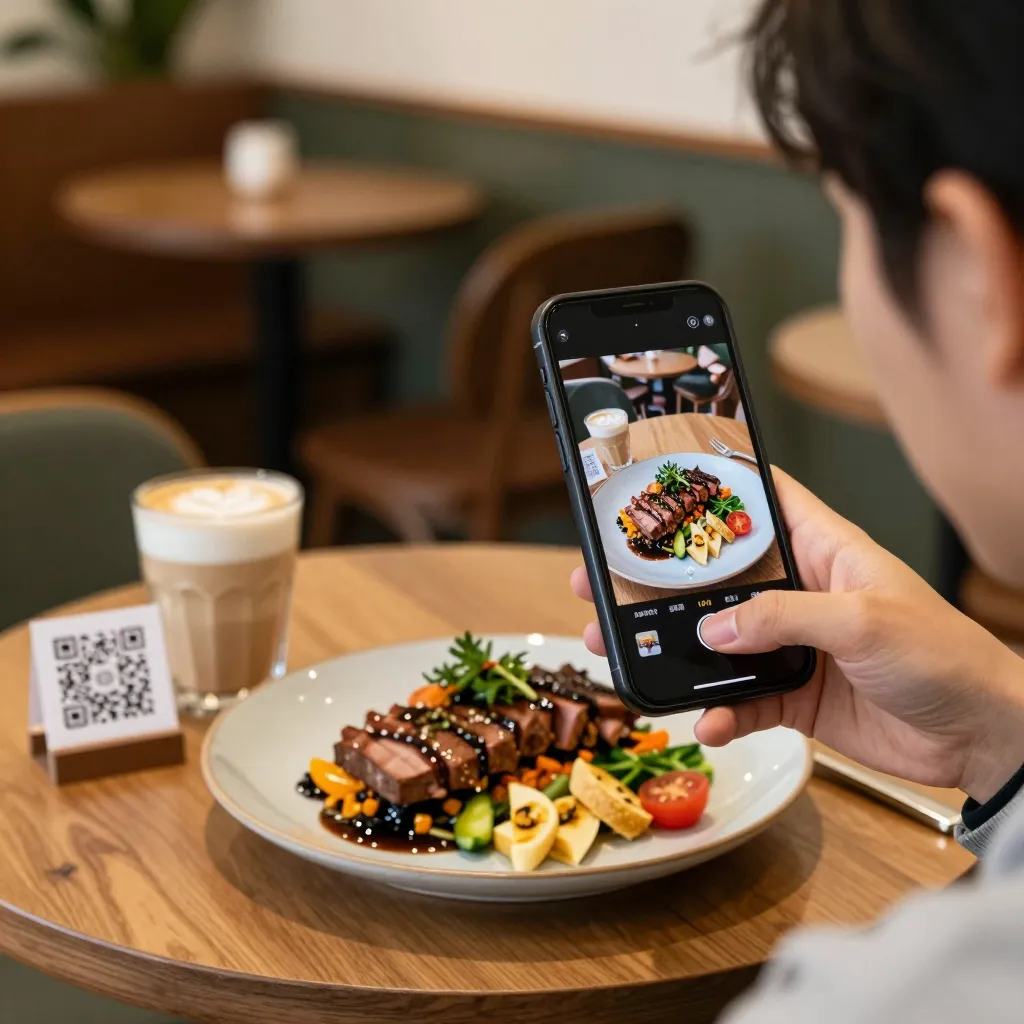
In the modern dining landscape, a restaurant's brand is no longer defined solely by its physical decor or the quality of its food. It is increasingly defined by the digital first impression guests encounter. When a customer scans a QR code to view a menu, they are engaging with your brand in a highly personal, private, and interactive way. For many diners, this digital interaction is their primary touchpoint with your establishment, often occurring before they even step inside the door.
The shift from paper to digital is not merely a reaction to pandemic-era restrictions; it is a strategic branding evolution. According to recent industry data, over 60% of consumers prefer digital menus for their convenience and the ability to search for specific dietary needs instantly. By adopting a digital QR menu platform, you are signaling that your business is forward-thinking, technologically savvy, and committed to a seamless customer experience. This perception alone can differentiate you from competitors who still rely on outdated paper menus.
Furthermore, a digital menu offers a canvas for your brand story that paper cannot match. You can embed high-resolution imagery, video clips of dish preparation, and even audio descriptions of the ambiance. Every elementfrom the font choice to the color palettemust align with your overall brand identity. A mismatch here can confuse customers and dilute your brand message. Therefore, integrating a digital menu is not just an operational upgrade; it is a crucial component of a cohesive branding strategy that resonates with today's tech-savvy diner.
Design Principles: Making Your Digital Menu a Brand Asset
When designing your digital menu, the goal is to create a visual experience that feels like an extension of your physical space. Consistency is the golden rule of branding. If your logo features deep reds and golds, your digital menu background should complement these colors without overwhelming the text. Similarly, if your brand voice is playful and casual, your copy should reflect that tone, avoiding stiff, corporate language.
One of the most common mistakes restaurants make is cluttering the digital menu with excessive text or low-quality images. A well-branded digital menu prioritizes readability and visual appeal. Use plenty of white space to let your food photography breathe. Ensure that your images are high-resolution and professionally shot, as they represent the 'face' of your dishes. Consider using a grid layout that guides the eye naturally through the offerings, encouraging guests to explore more items.
Typography plays a significant role in branding as well. Choose fonts that are legible on all devices but also have personality. A script font might be too difficult to read on a mobile screen, but a bold, modern sans-serif can convey strength and clarity. Always test your design on different screen sizes to ensure the experience remains smooth. Remember, your digital menu is a 24/7 salesperson; it needs to look as good as your restaurant looks at peak hours. Investing in a professional design template or hiring a graphic designer can pay dividends in customer perception and brand loyalty.
Personalization and Engagement Strategies
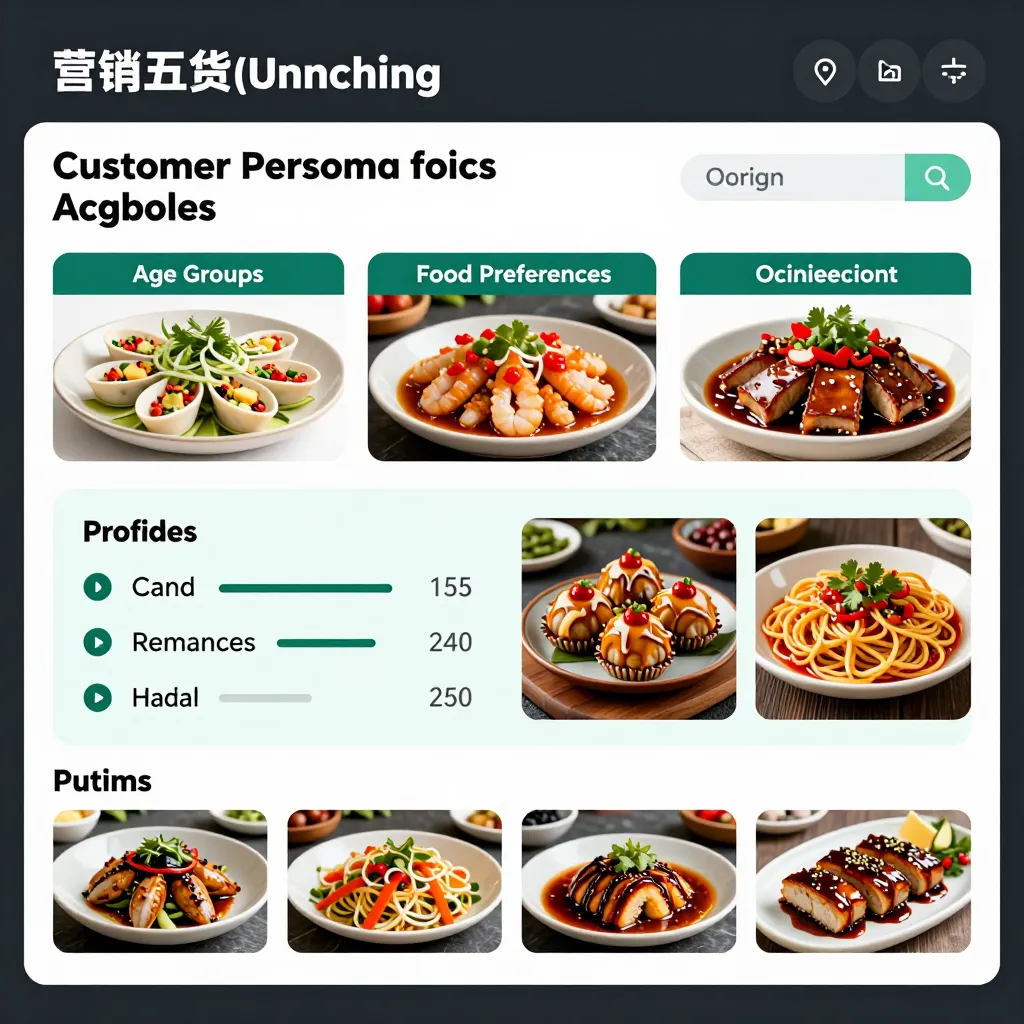
A static digital menu is a missed opportunity. The true power of a digital platform lies in its ability to personalize the experience and engage customers dynamically. You can use data to tailor content based on time of day, weather conditions, or even local events. For instance, on a rainy Tuesday, your menu could automatically highlight warm soups and stews, while on a sunny weekend, it might feature refreshing salads and outdoor seating promotions.
Engagement goes beyond just showing food. Use the digital space to tell stories. Include a section about your farm-to-table sourcing practices, introduce your head chef with a short bio, or share the history of your signature dish. These narrative elements build an emotional connection with the customer, transforming a simple transaction into a memorable experience. You can also incorporate interactive elements like 'build your own burger' tools or allergen filters that empower customers to make informed choices quickly.
Another powerful strategy is the use of dynamic upselling. Instead of just listing prices, suggest pairings like 'Would you like to add a glass of our house red wine?' or 'Try our seasonal truffle fries.' These prompts, when designed tastefully, increase average check size without feeling pushy. The key is to make the suggestions feel like helpful recommendations from a knowledgeable server rather than a sales pitch. By leveraging these engagement features, you turn your digital menu into a revenue-generating asset that actively works for your brand.
Operational Efficiency and Data-Driven Insights
Branding is not just about aesthetics; it is also about how well your business operates behind the scenes. A digital menu streamlines operations by reducing the need for physical inventory management. You no longer need to reprint menus every time you update a price or add a seasonal item. This efficiency reduces waste and ensures that your customers always see the most up-to-date information, which reinforces a brand image of reliability and professionalism.
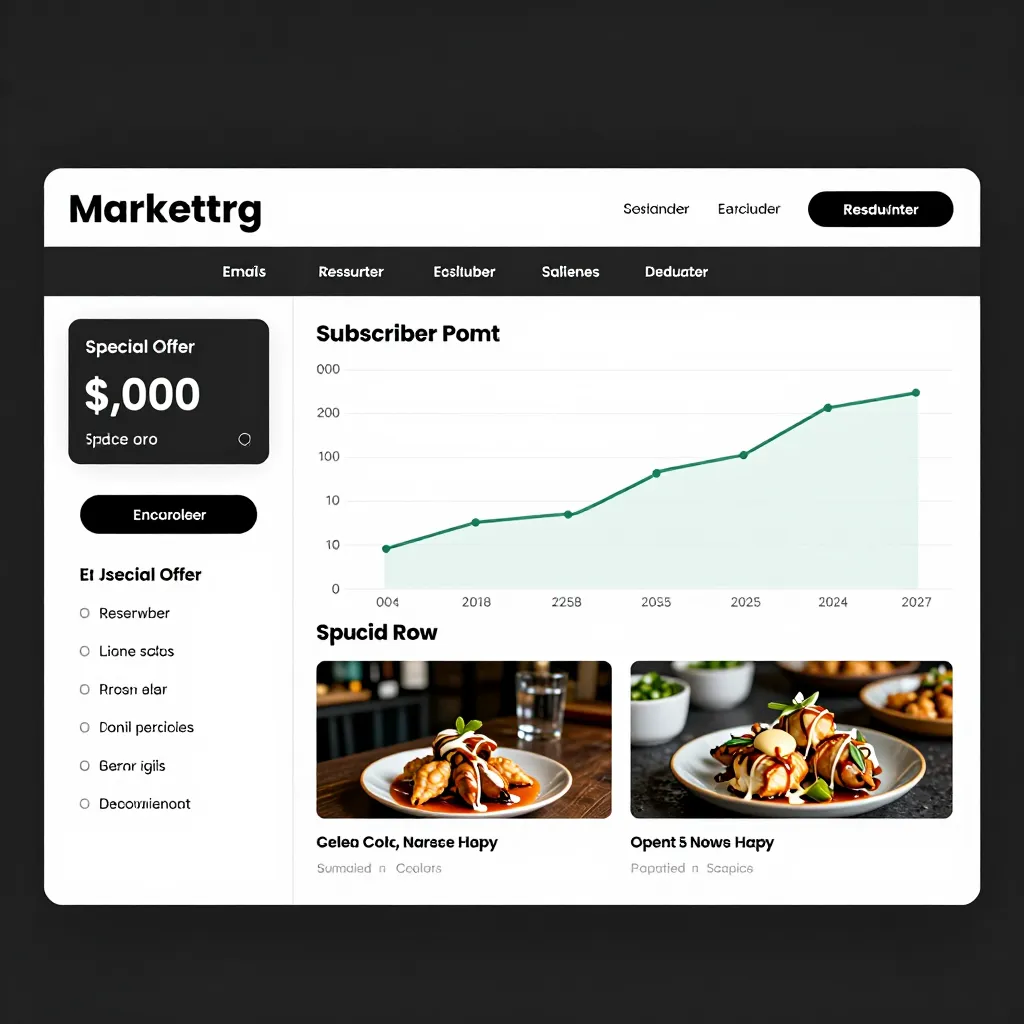
Perhaps the most valuable aspect of a digital menu is the access to real-time data. Most modern platforms provide analytics dashboards that reveal how customers interact with your menu. You can see which items are viewed most frequently, how long it takes for a customer to place an order, and which sections of the menu get the most attention. This data is invaluable for refining your offerings and marketing strategies.
For example, if data shows that your dessert section is rarely clicked on, you might need to adjust the placement, improve the photography, or run a promotion to boost interest. Conversely, if a specific item is consistently popular, you can highlight it more prominently or create a bundle around it. This ability to pivot quickly based on customer behavior allows you to optimize your menu for maximum profitability while maintaining a strong brand identity. It turns guesswork into a science, enabling you to make informed decisions that drive growth.
Future-Proofing Your Brand with Technology
The restaurant industry is constantly evolving, and the brands that survive are those that embrace change. Digital menus are not a temporary fix; they are a long-term investment in your brand's future. As technology advances, new features will emerge, such as augmented reality (AR) experiences where customers can see 3D models of dishes or AI-driven nutritional analysis. By choosing a flexible platform like upQR, you ensure that your brand can adapt to these innovations without needing to replace your entire system.
Consider the scalability of your solution. A good digital menu system should grow with your business. Whether you are opening a second location or expanding your delivery service, your digital infrastructure should support these changes seamlessly. Integration with your POS (Point of Sale) system is crucial for accurate inventory tracking and order management. This integration ensures that if an item runs out in the kitchen, it is instantly removed from the digital menu, preventing frustration and negative reviews.
Security and privacy are also paramount in the digital age. Customers expect their data to be handled with care. Ensure that your chosen platform complies with relevant data protection regulations and employs robust security measures. Building trust with your customers is a core part of your brand promise, and protecting their information is non-negotiable. By prioritizing these technological aspects, you position your restaurant as a leader in the industry, ready to tackle the challenges of tomorrow.
Conclusion
Embracing digital menus is more than just updating a tool; it is a fundamental shift in how you connect with your audience. It allows you to craft a consistent, engaging, and efficient brand experience that resonates with modern diners. From the initial scan to the final order, every interaction should reinforce your brand values and enhance the customer journey.
Whether you are a bustling cafe or a fine dining establishment, the right digital solution can elevate your operations and your brand image. At upQR, we understand the unique needs of restaurants and cafes looking to streamline their menu management while maintaining a strong, authentic voice. Our platform provides the tools, design flexibility, and analytics you need to succeed in a competitive market. By choosing upQR, you are not just adopting a technology; you are investing in a partner that helps you build a resilient, forward-thinking brand that customers love to return to.
Related Posts
Ready to create your digital menu?
Create your QR menu in minutes and reach your customers in any language.
