Master Real-Time QR Menu Updates for Your Restaurant
Learn how to instantly adjust QR menu availability, reducing food waste and improving customer satisfaction with smart digital tools.
Why Real-Time Menu Control Matters for Modern Restaurants
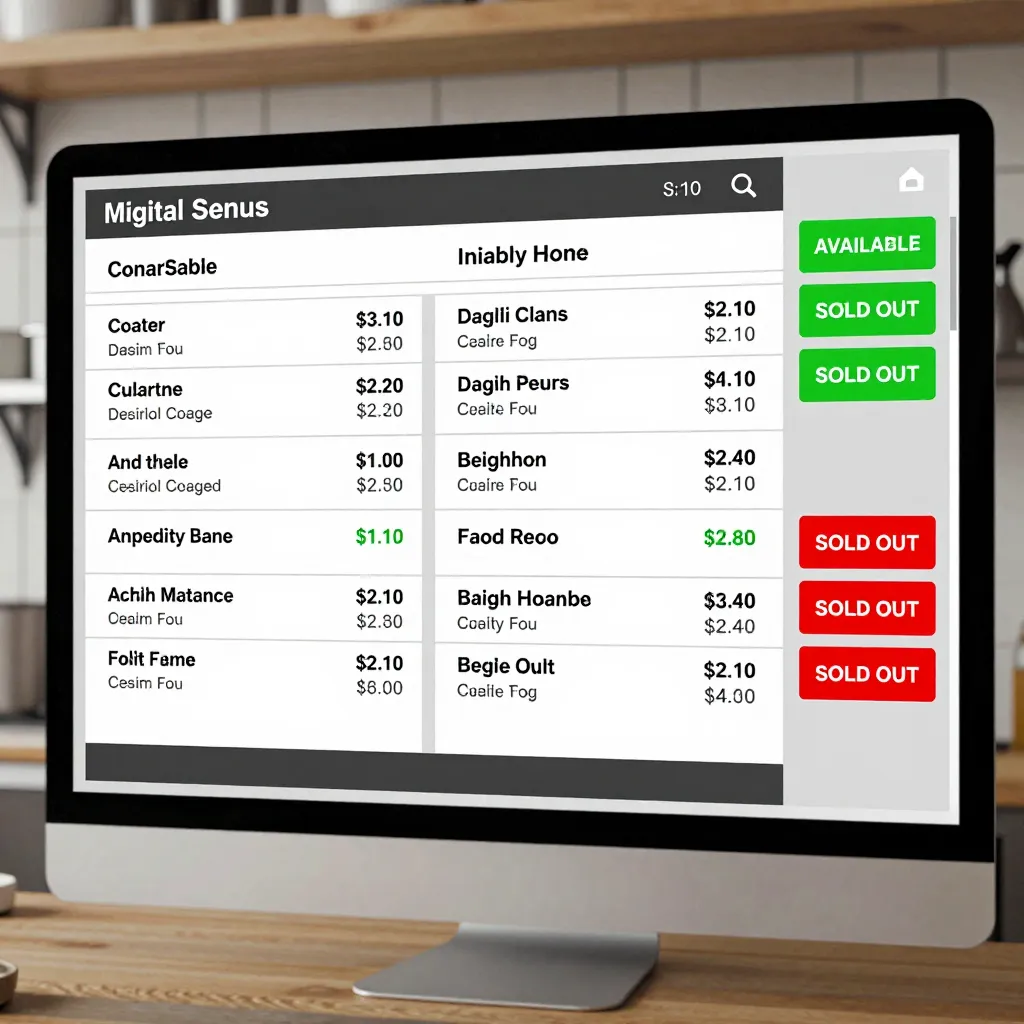
In the dynamic landscape of modern hospitality, the ability to instantly communicate changes to your customers is not just a luxury; it is a necessity. Traditional paper menus, once printed and distributed, remain static until a new physical copy is ordered and printed, a process that can take days. During this lag time, a restaurant might unknowingly sell out of a popular item, leading to frustrated customers and inconsistent experiences. With digital QR technology, this disconnect vanishes. You gain the power to update your entire menu inventory in seconds, ensuring that every guest sees exactly what is available on your line.
This immediacy directly impacts your operational efficiency and your bottom line. According to industry data, restaurants that utilize dynamic digital menus report a significant reduction in customer complaints regarding out-of-stock items. When a customer scans a QR code and sees an item marked as 'unavailable' or 'coming soon,' they are not disappointed by a lack of options; they are informed. This transparency builds trust. It signals to the diner that the establishment values honesty and accuracy, core principles that define successful digital dining experiences. Furthermore, real-time updates allow you to manage food waste proactively. If a supplier delivers a late batch of produce, you can temporarily hide it from the digital menu rather than over-booking it, only revealing it once the inventory is secured. This agility protects your reputation and keeps your kitchen running smoothly.
Strategies for Managing Daily Specials and Seasonal Shifts
Restaurants thrive on the art of the special, but managing these offerings requires precision. A common challenge for managers is deciding when to introduce a seasonal dish or a chef's special. With a static paper menu, you must wait for the next print run, which might mean serving the special for weeks before it actually appears, or worse, running out of ingredients before the menu reflects the change. Digital QR menus solve this by allowing you to toggle visibility instantly.
Consider a scenario where you want to launch a summer truffle risotto. On Monday, you upload the recipe and photos. By Tuesday morning, the item is live for your lunch rush. If you run out of truffles by Wednesday, you simply uncheck the box in your upQR dashboard, and the item disappears from the digital display immediately. No customer asks, "Is the truffle risotto available?" and receives a flat-out "no" followed by a confused look. Instead, they see the item is currently unavailable, perhaps with a note like "Sold out for the day, try our seasonal mushroom risotto instead." This subtle guidance keeps the dining flow moving and introduces customers to other delicious options.
Seasonal shifts also benefit from this flexibility. As winter approaches, you can gradually fade out summer salads and highlight hearty soups. You can even create a "seasonal section" within your digital menu that automatically updates based on your inventory tags. This organization helps customers navigate your offerings more effectively. When guests see that the menu reflects the current season, it enhances the dining experience and makes the restaurant feel fresh and attentive. The ability to pivot quickly ensures that your marketing aligns perfectly with your kitchen's actual capabilities, preventing the embarrassment of promised dishes that cannot be delivered.
Handling Allergens and Dietary Restrictions with Precision
One of the most critical aspects of modern food service is safety and inclusivity. Misinformation about ingredients can lead to serious health risks, including severe allergic reactions. With paper menus, updating allergen information is a nightmare. If a supplier changes a brand of cheese or if a new allergen is introduced in a sauce, you must reprint hundreds of menus. By the time they are distributed, some customers may have already ordered based on the old information.
Real-time QR technology eliminates this risk entirely. Your digital menu can feature detailed ingredient lists that are updated the moment a recipe changes. If you switch from using almond flour to oat flour in your cookies due to a supply chain issue, you can immediately update the allergen tags to reflect the new nut-free status or, conversely, flag the new tree nut content. This transparency is a massive competitive advantage. Customers today are increasingly conscious of their dietary needs, whether they are gluten-free, vegan, or avoiding specific allergens. When they scan your menu, they expect to find accurate, up-to-date information that matches what is being served.
Furthermore, real-time updates allow you to manage "cross-contamination" risks effectively. If a kitchen is cleaning up after a nut-free prep and hasn't fully sanitized the griddle yet, you can temporarily mark a nut-containing item as "not recommended" or hide it until the kitchen is ready. This proactive communication respects the safety of your customers. It demonstrates that you take their well-being seriously. In an era where food safety is paramount, being able to say, "We have just updated our allergen list to ensure your safety," builds immense loyalty. It turns a potential safety hazard into a trust-building moment.
Optimizing Kitchen Workflow and Reducing Waste
Behind the scenes, real-time menu management is a powerful tool for kitchen efficiency. In a traditional setup, a host might take an order for a dish that has already run out of a key ingredient, only for the cook to realize it is impossible to make. This leads to wasted prep time, stressed staff, and unhappy guests waiting for a dish that cannot be fulfilled. With a digital menu linked to your point-of-sale (POS) system or inventory management, you can set rules for availability.
You can create inventory triggers that automatically hide items when stock falls below a certain threshold. For example, if your inventory of fresh tomatoes drops below 10 units, the digital menu automatically hides the "Caesar Salad" and suggests the "Tomato Basil Soup" instead. This automation ensures that the kitchen is never asked to make a dish they cannot complete. It streamlines the workflow by guiding the front-of-house staff and customers toward available options before a crisis occurs.
Additionally, this system helps in analyzing sales data more accurately. When an item is hidden due to low stock, you can track how many customers opted for the alternative suggestion. This data provides valuable insights into customer preferences and helps you make informed decisions about menu engineering. Are people missing the hidden item enough to warrant a larger order? Or is the alternative selling well enough to justify keeping the hidden item off the menu? These insights, only possible with real-time tracking, help you optimize your food costs and reduce waste. By aligning your menu offerings with your actual inventory, you ensure that every plate served is profitable and every ingredient used is intentional.
The Future of Dining: Seamless Integration and Personalization
As technology evolves, the capabilities of digital QR menus continue to expand. The future of dining lies in seamless integration between the customer's device, the restaurant's kitchen, and the inventory management system. Imagine a future where your QR menu not only shows availability but also suggests dishes based on the time of day or current weather conditions. If it is raining, the menu could highlight warm comfort foods. If it is a hot afternoon, it could suggest refreshing, light salads. These dynamic adjustments enhance the guest experience and show that the restaurant is in tune with their environment.
Real-time updates also pave the way for personalized experiences. If a customer has previously indicated a preference for spicy food or a dietary restriction in their profile (with consent), the digital menu can automatically filter or highlight relevant items. While this is an advanced feature, the foundation for it is the same real-time data management that controls availability. Every update you make today prepares your restaurant for these smarter, more intuitive experiences of tomorrow.
Adopting a platform that supports real-time updates is an investment in your restaurant's resilience and reputation. It allows you to react to market changes, supply chain fluctuations, and customer needs with speed and precision. Whether you are managing a busy cafe or a full-service restaurant, the ability to say, "We are updating our menu right now to ensure you get the best experience," is a powerful statement of quality. It transforms your menu from a static list of ingredients into a living, breathing interface that connects your kitchen to your customers in the most honest and efficient way possible.
Related Posts
Ready to create your digital menu?
Create your QR menu in minutes and reach your customers in any language.
