Ramadan Menu Prep: How Restaurants Use Digital Menus
Discover practical strategies for restaurants to prepare for Ramadan using digital QR menus. Boost sales, manage inventory, and serve guests better this holy month.
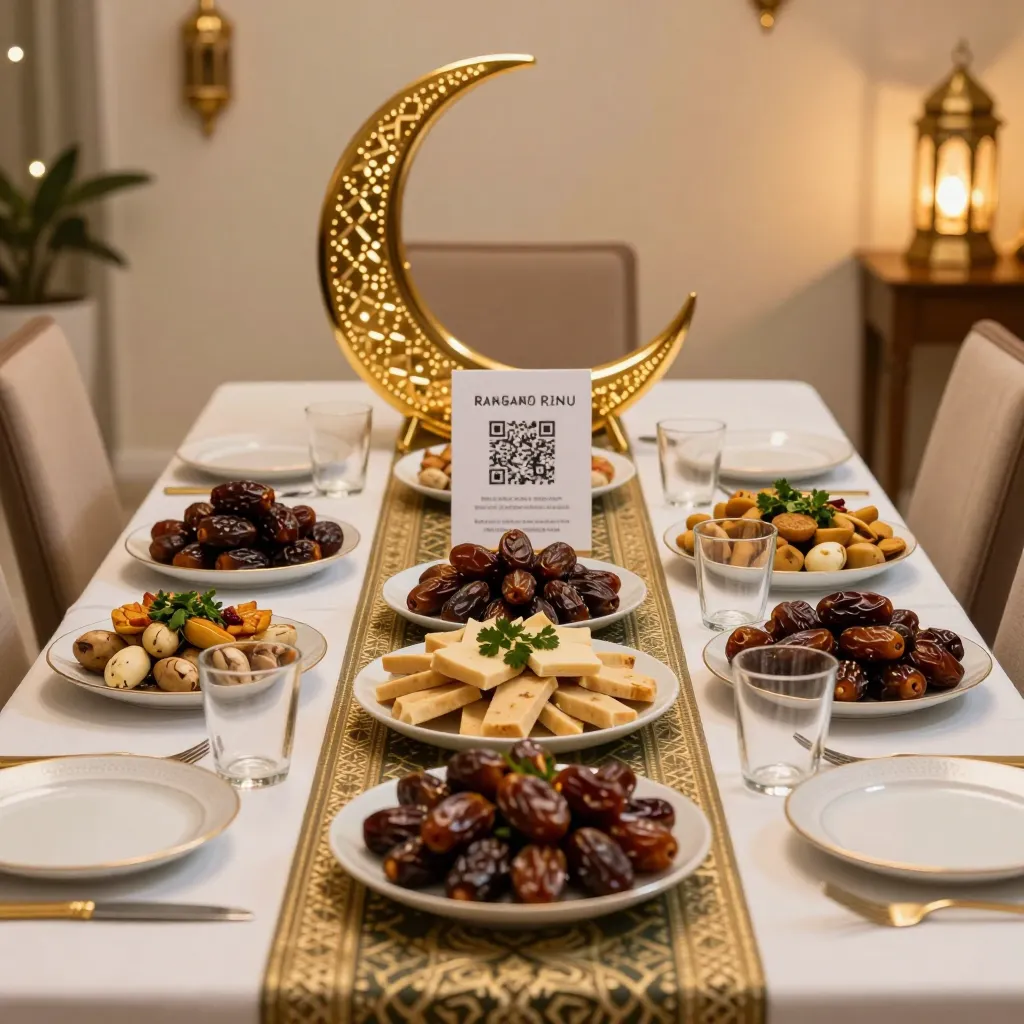
Understanding the Ramadan Challenge for F&B Businesses
For restaurant owners and cafe managers, Ramadan represents a unique operational shift that requires more than just adjusting opening hours. This holy month fundamentally changes consumer behavior, with dining habits shifting from three meals a day to four or five, and a significant increase in spending during Iftar and Suhoor. According to industry reports, the global food and beverage market experiences a substantial surge in demand during Ramadan, with sales often increasing by 20-30% compared to non-holy months. However, this surge brings its own set of challenges, including complex inventory management, the need for rapid menu adjustments, and the pressure to provide a seamless experience for guests who are fasting and may be more sensitive to service delays.
Traditional paper menus struggle to keep pace with these dynamic requirements. If a restaurant decides to offer a special Iftar spread one night and a lighter breakfast menu the next, staff must physically reprint, organize, and distribute new menus. This not only incurs unnecessary printing costs but also leads to outdated information being served to guests. In a competitive market where customers expect instant access to information, relying on static paper menus can result in lost sales and frustrated guests. The ability to instantly update prices, availability, and descriptions is no longer a luxury; it is a necessity for survival and growth during this critical period.
Optimizing Inventory and Cost Management with Digital Tools
One of the most significant operational hurdles during Ramadan is managing inventory while trying to maximize profit margins. Many restaurants find themselves in a bind: they either overstock ingredients to ensure they can fulfill the high demand for Iftar meals, risking food waste if demand drops, or they understock, leading to disappointed customers and kitchen delays. Digital menu platforms solve this by acting as a real-time bridge between the front of house and the back of house.
By integrating a digital menu system, restaurant managers can link specific menu items directly to inventory levels. For instance, if a popular dish like lamb biryani or a specific dessert is running low on stock, the system can automatically flag the item or even hide it from the digital display before a guest even orders it. This proactive approach prevents kitchen bottlenecks and ensures that the team can focus on cooking rather than managing stock-outs. Furthermore, digital menus allow for A/B testing of different menu items. A cafe can track which Suhoor items generate the most interest and adjust their purchasing orders accordingly for the next day, ensuring that capital is not tied up in ingredients that do not sell. This data-driven approach to inventory management can reduce food waste by up to 15%, a crucial metric for maintaining profitability during the high-cost period of Ramadan.
Enhancing the Guest Experience for Fasting Patrons
The experience of a fasting guest is delicate. They are often tired after a long day of fasting, eager to break their fast with Iftar, and then need to prepare for the night ahead during Suhoor. A seamless, quick, and informative digital menu experience can significantly enhance their satisfaction. When a guest scans a QR code, they are greeted with a well-organized digital interface that is easy to navigate, even if they are using a mobile device with a tired hand.
Consider the scenario of a family arriving at an Iftar restaurant. Instead of waiting for a server to bring a paper menu that might be missing the latest specials, they can immediately see the full selection of dates, soups, main courses, and desserts. They can also view high-quality images of the food, which helps in decision-making and reduces the time spent deliberating. For guests with dietary restrictions, which are common during Ramadan due to specific cultural and religious requirements, a digital menu allows for clear labeling of Halal-certified items, gluten-free options, and vegetarian dishes. This transparency builds trust and shows the restaurant's commitment to inclusivity. Moreover, the ability to place orders directly through the digital interface can speed up service, allowing guests to start eating their Iftar meal sooner, which is a primary goal for many.
Leveraging Data to Drive Menu Engineering and Sales
Perhaps the most powerful advantage of using a digital menu platform during Ramadan is the access to real-time data. Traditional paper menus offer no insight into what is actually being sold versus what is on the menu. In contrast, a digital menu system provides a dashboard that tracks every click, view, and order. This data is invaluable for menu engineering.
Restaurant owners can analyze which dishes are the 'stars' of the Iftar menu and which are 'dogs' that need to be replaced or improved. For example, if data shows that a specific salad is frequently viewed but rarely ordered, the owner might realize the price is too high or the description is unappealing. Conversely, if a new dessert is getting high engagement, the owner can decide to feature it more prominently or increase its portion size. During Ramadan, trends can shift rapidly; one night's weather or a local event might change the demand for certain ingredients. With a digital menu, adjustments can be made instantly to capitalize on these trends. This agility ensures that the menu remains relevant and attractive throughout the month, preventing the stagnation that often occurs with static paper lists. Additionally, restaurants can use the platform to create limited-time offers or flash sales for Suhoor, driving additional revenue streams that are impossible to track with paper menus.
Practical Steps for a Successful Ramadan Launch
Preparing for Ramadan with a digital menu is not just about having a QR code; it is about a strategic rollout. Here are actionable steps for restaurant owners and managers to ensure a smooth launch:
- Conduct a Menu Audit: Before the holy month begins, review your entire menu. Remove items that do not align with the seasonal theme or that are difficult to source. Ensure all descriptions are clear, appetizing, and culturally appropriate for the Ramadan audience.
- Optimize for Mobile Speed: Test the digital menu on various mobile devices and internet connections. Fasting guests may have slower data connections or be in crowded areas with weak signals. Ensure the menu loads in under three seconds to prevent frustration.
- Train Your Staff: Even with a digital menu, staff interaction is key. Train your team on how to guide guests to the QR code, how to explain the digital features, and how to handle orders that come in through the system. They should also be familiar with the inventory limits so they can manage expectations if an item is out of stock.
- Implement Dynamic Pricing: Use the digital platform to manage pricing strategies. You might offer early-bird discounts for Iftar to encourage faster turnover or bundle deals for Suhoor families. These promotions can be toggled on and off instantly based on real-time performance.
- Collect Feedback: Integrate a simple feedback form within the digital menu. Ask guests what they loved about the Iftar experience and what could be improved. This direct line of communication can help you refine your offerings for the next day or the next month.
By following these steps, restaurants can transform the challenges of Ramadan into opportunities for growth. The shift from static paper to dynamic digital solutions empowers businesses to operate more efficiently, serve guests better, and ultimately increase their revenue. As the competition for the Ramadan market intensifies, those who embrace technology like upQR will find themselves better equipped to handle the demands of this holy month, ensuring that their doors remain open, their kitchens are efficient, and their guests are delighted from the first date to the last Suhoor.
Related Posts
Ready to create your digital menu?
Create your QR menu in minutes and reach your customers in any language.
