Restaurant Wi-Fi Marketing: Connecting QR Menus with Engagement
Learn how to leverage your free Wi-Fi and QR menu codes to boost customer retention, collect data, and drive repeat visits for your restaurant.
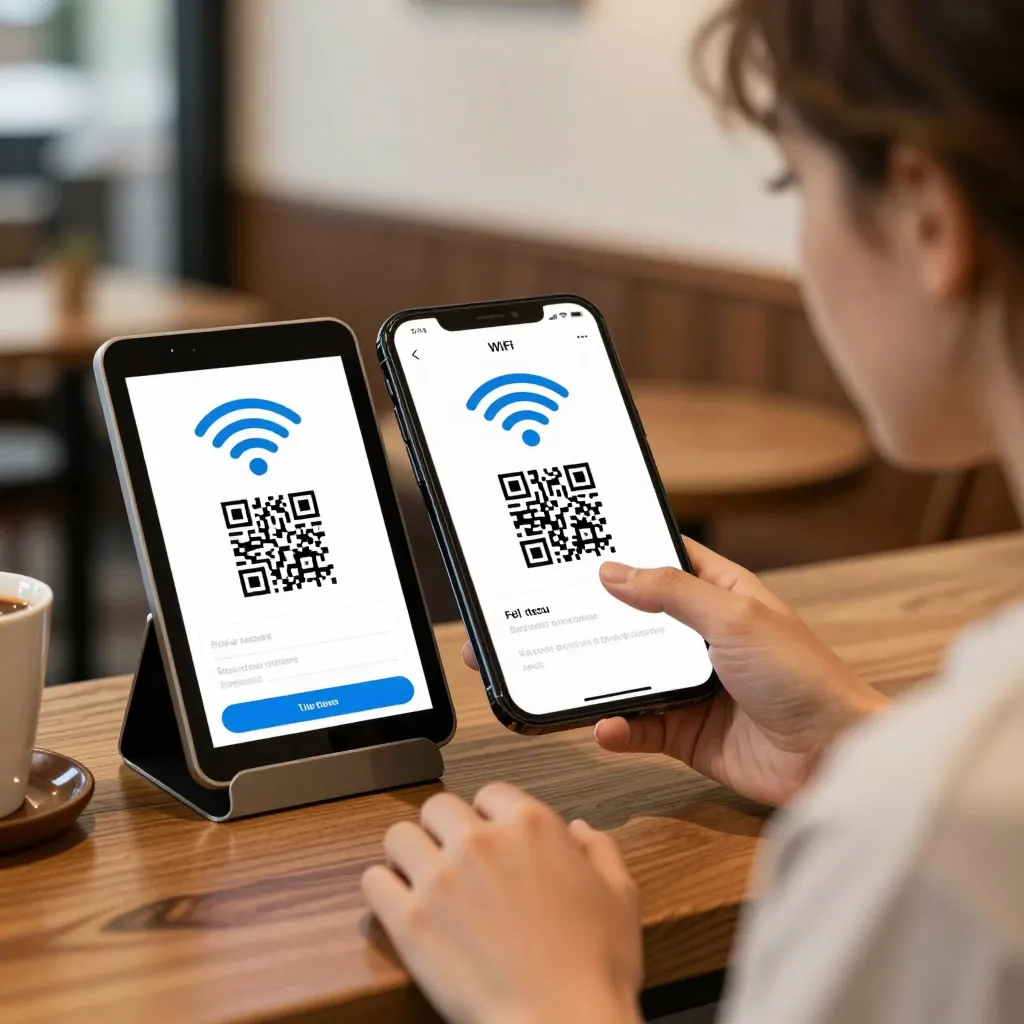
Why Free Wi-Fi Is No Longer Just a Perk
For years, offering free Wi-Fi was a standard amenity in the restaurant industry, primarily intended to keep customers comfortable while they waited for their food. However, the landscape has shifted dramatically. Today, free Wi-Fi is a critical touchpoint for digital marketing strategies. When a guest connects to your network, they are not just accessing the internet; they are entering a digital space where your brand can engage with them directly.
According to recent industry reports, over 60% of restaurant guests expect free Wi-Fi, and for many, it is a deciding factor in choosing one dining spot over another. But the value extends far beyond convenience. It serves as a gateway to your digital menu system, particularly when integrated with a dynamic QR code solution. By linking your Wi-Fi login page to your QR menu, you transform a passive utility into an active marketing channel.
The challenge for many restaurant owners is that guests often disconnect immediately after logging in to use their phones for unrelated tasks. This is where strategic integration comes in. Instead of a generic login page, your Wi-Fi portal should direct users to a landing page that highlights your unique offerings and, crucially, displays your QR menu code. This ensures that even guests who do not want to scan a code physically at the table have immediate access to your digital menu, increasing the likelihood of them ordering or exploring your items.
Turning Login Pages into High-Converting Landing Pages
The traditional approach to restaurant Wi-Fi marketing involves a simple login screen with terms and conditions. A modern approach, facilitated by platforms like upQR, involves creating a branded landing page. This page should be optimized for mobile devices, as 90% of your traffic will come from smartphones.
Here is a practical strategy to maximize engagement on your Wi-Fi login page:
- Highlight Your Digital Menu: Do not just list your hours or address. Place a large, clear QR code prominently on the screen. Accompany it with a brief instruction: "Scan to view our full menu, daily specials, and exclusive digital-only discounts." This bridges the gap between the guest's intent to connect and your goal of driving menu views.
- Offer Instant Incentives: Data shows that customers are 30% more likely to engage with a brand that offers an immediate reward. Offer a "Connect & Save" promotion. For example, "Scan the QR code on this screen to unlock a 10% discount on your next visit" or "View our secret menu items only available to Wi-Fi users." This creates a sense of exclusivity and urgency.
- Reduce Friction: Ensure the login process is seamless. If your Wi-Fi network requires a complex password or registration, you risk losing the customer before they even see your marketing message. Consider using a "click-to-connect" system where they simply enter their email to get on the network, which simultaneously subscribes them to your newsletter or allows you to tag them as a "digital guest" in your CRM.
By customizing the Wi-Fi experience, you ensure that every guest who connects to your network is presented with an opportunity to engage with your brand, regardless of whether they are seated at a table or standing at the bar.
Collecting Valuable Data to Personalize the Experience
One of the most significant advantages of integrating Wi-Fi marketing with a QR menu system is the ability to collect first-party data. In an era of cookie deprecation and strict privacy regulations, owning your customer data is more important than ever. When a guest scans your QR code or connects to your Wi-Fi, you gain the opportunity to build a relationship.
With a platform like upQR, you can integrate data collection tools that allow you to capture customer information without being intrusive. For instance, you can offer a "guest pass" that requires an email address to access the Wi-Fi. This email can then be used to:
- Segment Your Audience: Identify whether your customers are primarily lunch crowds, dinner diners, or weekend brunch-goers. Tailor your email marketing campaigns based on these habits.
- Send Targeted Offers: If a customer scans your QR menu but does not order, you can send a follow-up email with a "come back for a free dessert" offer or a notification about a new seasonal dish.
- Track Menu Performance: By linking QR scans to specific items, you can see which digital menu items are being viewed most frequently. If a specific cocktail is viewed hundreds of times but rarely ordered, your marketing team can adjust the description, price, or presentation to drive sales.
Consider the case of a local coffee shop that implemented this strategy. They noticed that their Wi-Fi users spent an average of 45 minutes online. By placing a QR code on the login page that led to a "loyalty signup" page, they increased their membership sign-ups by 25% within the first month. The key was making the value proposition clear: connect for free internet, scan to save money, and earn points instantly.
Creating a Seamless Omnichannel Dining Experience
The modern diner does not distinguish between online and offline experiences; they expect a seamless blend of both. This is the concept of omnichannel dining. Your Wi-Fi network and your QR menu should feel like two parts of the same ecosystem. When a guest connects to your Wi-Fi, they should feel like they are already "inside" your restaurant's digital environment.
To achieve this, your digital menu hosted on upQR should reflect the current state of your restaurant. If you have a live special, it should appear on the Wi-Fi landing page as well. If you are closed for renovations, your Wi-Fi page should communicate that clearly.
Practical Implementation Steps:
- Consistent Branding: Ensure the colors, fonts, and imagery on your Wi-Fi login page match your digital menu perfectly. This reinforces brand identity and builds trust.
- Real-Time Updates: Unlike static PDF menus, a digital QR menu allows you to update prices and items instantly. If you run a limited-time offer on your Wi-Fi landing page, ensure it is reflected immediately on the QR menu scan for table-side ordering.
- Tableside Ordering Integration: Encourage guests to use the QR menu to order directly to their table. When they do, the Wi-Fi marketing campaign can reward them for this convenience. For example, "Order from the menu to avoid waiting for a server and get a complimentary drink on us." This reduces kitchen pressure and improves table turnover rates.
This integration creates a loop where the Wi-Fi drives traffic to the digital menu, and the digital menu enhances the overall dining experience, encouraging guests to return. The data collected from these interactions feeds back into your marketing strategy, allowing for ever-improving campaigns.
Overcoming Common Challenges in Wi-Fi Marketing
While the potential is high, implementing a robust Wi-Fi marketing strategy comes with challenges. The most common issue is guest resistance to sharing personal information. Many users are wary of entering their email or phone number to get on a free network.
To overcome this, transparency and value are key. Clearly state how the data will be used and assure guests that their information is secure. You can also offer alternative connection methods, such as a simple passcode that doesn't require data collection, while still displaying the QR menu prominently. This respects the guest's privacy while still giving them the opportunity to engage with your content.
Another challenge is technical reliability. If your Wi-Fi is slow or your QR menu crashes, it creates a negative impression that can overshadow your marketing efforts. Regular maintenance of your network and ensuring your digital menu platform is hosted on a robust server are essential. Platforms like upQR are designed to handle high traffic loads and ensure that your menu loads instantly, even during peak dining hours.
Furthermore, keep the content fresh. A Wi-Fi landing page that looks the same for six months will fail to engage new guests. Rotate your promotional offers, update your menu highlights, and change the background images seasonally. This keeps the landing page interesting and encourages repeat visitors to explore new content.
Conclusion: Building a Connected Ecosystem
Restaurant Wi-Fi marketing is not about forcing guests to interact with your brand; it is about providing them with value and creating a seamless path to your digital offerings. By connecting your Wi-Fi network with your QR menu, you create a powerful synergy that drives engagement, collects valuable data, and enhances the overall customer experience.
The goal is to make the transition from connecting to the internet to ordering food as frictionless as possible. When a guest scans a QR code on your login page, they are not just viewing a menu; they are joining a community of loyal patrons who appreciate your digital convenience. This approach not only boosts your direct sales but also strengthens your brand loyalty in a competitive market.
At upQR, we understand the unique needs of restaurants and cafes looking to modernize their operations. Our platform provides the tools to create beautiful, customizable QR menus that integrate seamlessly with your marketing efforts. Whether you are a bustling urban cafe or a family-friendly bistro, upQR empowers you to connect with your customers on a deeper level, turning every Wi-Fi connection into an opportunity to grow your business.
Related Posts
Ready to create your digital menu?
Create your QR menu in minutes and reach your customers in any language.
