Turn Your QR Menu Into Viral Social Content
Learn how to transform your digital QR menu into a powerful social media asset that drives engagement, showcases your brand, and boosts online sales.
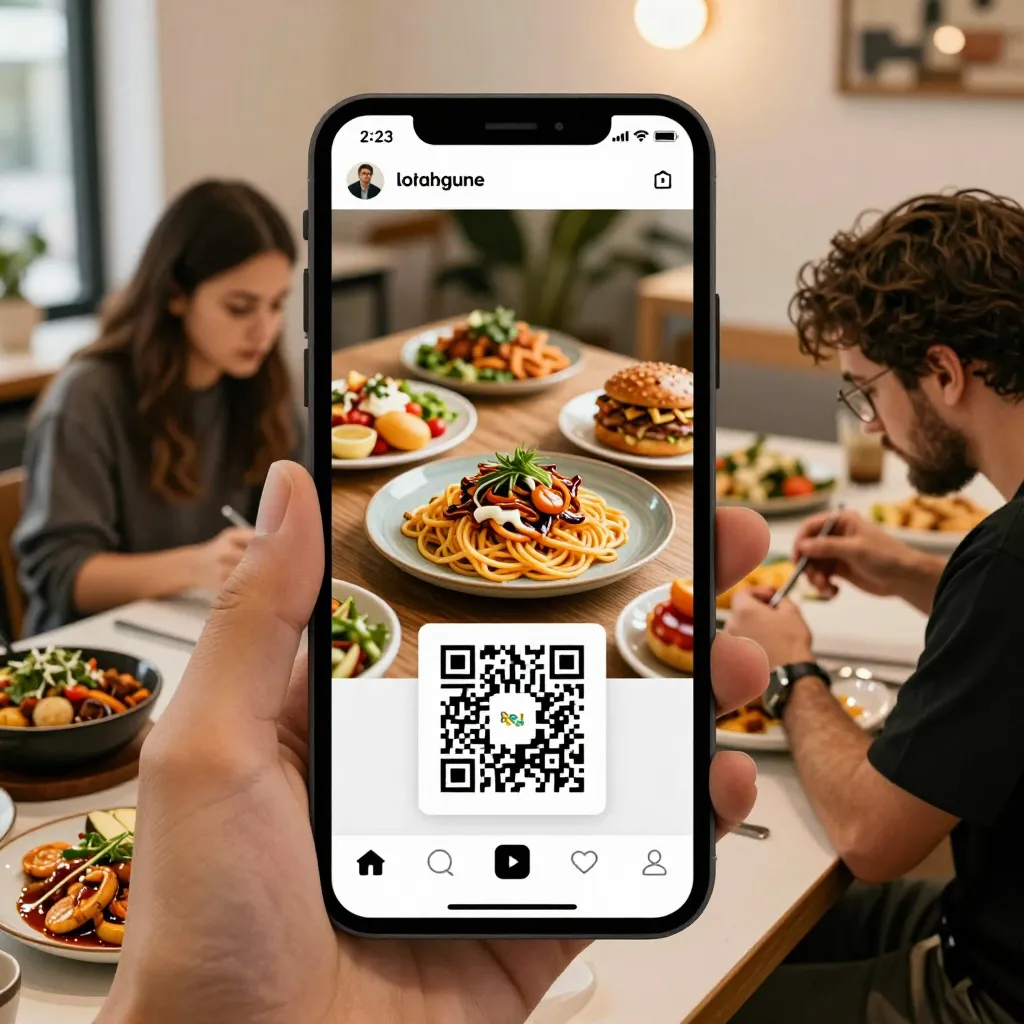
Why Your QR Menu is More Than Just a Digital List
For years, the primary function of a QR code on a restaurant table was simple: to replace a paper menu and streamline the ordering process. However, the landscape of digital dining has shifted dramatically. Today, your QR menu is no longer just a static list of prices and descriptions; it is a dynamic content hub that serves as a bridge between your physical location and your digital presence.
When a guest scans a QR code to view your menu, they are engaging with your brand in a high-intent moment. They are hungry, looking for inspiration, and ready to decide what to eat. This is a critical touchpoint for social media marketing. By treating your QR menu page as a content creation opportunity, you can capture high-quality imagery and data that fuel your social strategy.
Consider the statistics: Restaurants that actively utilize their digital menus for social promotion see a significant increase in online engagement. According to recent industry data, over 60% of diners use their smartphones to research food options before ordering. If your QR menu page is visually stunning and shareable, you are essentially providing them with a pre-made social media asset. They can screenshot a beautifully styled dish, tag your location, and instantly share it with friends, effectively doing your marketing for you.
The key is to design your QR menu environment to encourage this behavior. This involves more than just listing items; it requires strategic placement of visual elements, clear calls to action, and a seamless user experience that invites sharing. When you optimize your QR menu for social media, you turn every customer visit into a potential viral moment.
Strategic Design Elements That Drive Social Shares
To make your QR menu a content goldmine, you must intentionally design the page to be visually compelling. A cluttered, text-heavy menu discourages sharing, while a visually rich environment invites it. Here are specific design strategies that will elevate your menu's shareability:
- High-Resolution Imagery: The most common reason people share a QR menu is the food photography. Ensure that every dish has a high-resolution, professionally styled image. Avoid generic stock photos; instead, use images that reflect your actual kitchen's output. When a customer sees a mouth-watering photo of your signature burger or artisanal coffee, their desire to show it off increases dramatically.
- Video Content Integration: Video is the king of social media. Embed short, looping videos directly onto your QR menu page. Show the sizzling steak hitting the pan, the espresso machine in action, or the chef plating a dish. These videos autoplay silently, capturing attention immediately. A 5-second video of a cocktail being poured can be just as shareable as a static image, and it keeps users on your page longer.
- Interactive Elements: Incorporate polls or "vote for the next special" buttons directly on the menu. This gamification aspect encourages users to interact with the content and often share their vote on social platforms. For example, a "Dinner Special of the Week" poll can generate a wave of social activity around your restaurant.
- Branded Aesthetics: Ensure your color palette, fonts, and overall vibe align perfectly with your social media profiles. When a user scrolls through your Instagram feed and then scans your QR code, the transition should feel seamless. Consistency in branding reinforces your identity and makes the content feel authentic and trustworthy.
By focusing on these visual and interactive elements, you are not just creating a menu; you are creating a piece of content that users want to consume and distribute. The goal is to make the menu page so engaging that the user feels compelled to screenshot it or share the link immediately.
Leveraging User-Generated Content (UGC) on Your Menu Page
One of the most powerful aspects of social media marketing is User-Generated Content (UGC). This refers to content created by your customers rather than your brand team. Your QR menu is the perfect platform to solicit and display this content. Instead of asking customers to find your Instagram handle and post a photo in a dark corner of a table, bring the content creation directly to them.
You can implement a "Post and Show" feature on your QR menu page. This could be a dedicated section where recent photos from your Instagram or Facebook are displayed. When a customer sees their friends' photos on your menu, it creates a sense of community and encourages them to add their own.
Furthermore, you can include a direct call-to-action (CTA) on the menu itself. For instance, you could add a section titled "Did you try our Chef's Special?" followed by a button that says "Share Your Photo." When clicked, this could open a direct link to your Instagram story or a specific hashtag page. This removes the friction of having to manually search for your profile.
Real-world example: A trendy coffee shop in Brooklyn integrated a "Coffee of the Day" feature on their QR menu. They displayed a photo of the drink, its flavor profile, and a button that said "Post your sip." Within two weeks, the owner reported a 40% increase in tagged photos on Instagram from that specific location, all because the CTA was prominent and easy to use on the digital menu.
Don't forget to incentivize this behavior. You can offer a small perk, such as a free appetizer or a discount on the next visit, for customers who share a photo of their meal on social media with your location tag. Displaying these incentives clearly on the QR menu page ensures that every diner knows exactly how to participate. This turns your digital menu into a marketing engine that rewards engagement.
Turning Your QR Menu Into a Local SEO Powerhouse
Social media marketing and Search Engine Optimization (SEO) are deeply interconnected, especially for local businesses like restaurants. Your QR menu page can significantly boost your local search visibility if optimized correctly. When a user scans a QR code, they are often on a mobile device, searching for immediate solutions like "food near me" or "best pizza in [city]."
Your QR menu page should be treated as a landing page that contributes to your overall SEO strategy. Ensure that the page title, meta description, and headers include relevant keywords such as "best [cuisine] in [city]," "order online," or "digital menu." This helps search engines understand the context of your content and rank you higher for local queries.
Additionally, the content you publish on your social media platforms often gets indexed by search engines. If you post a video of your new seasonal menu on TikTok or Instagram Reels, and that video links back to your QR menu page, you are creating a strong backlink signal. This tells search engines that your site is authoritative and relevant.
Another crucial element is the freshness of your content. Search engines favor sites that are updated regularly. If you use your QR menu to showcase daily specials, limited-time offers, or new seasonal ingredients, you are constantly updating your digital footprint. This signals to Google that your business is active and relevant, which can improve your ranking in the "Local Pack" results.
Moreover, the social signals generated from your QR menulikes, shares, and commentsfurther validate your business to search algorithms. A QR menu page that is frequently shared and linked from social profiles demonstrates high engagement, which is a positive ranking factor. By integrating your social strategy with your digital menu, you create a virtuous cycle where social traffic boosts SEO, and higher search rankings drive more traffic to your social channels.
Measuring Success: Analytics That Matter for Social Media
It is impossible to improve what you do not measure. To truly leverage your QR menu for social media, you need to track specific metrics that go beyond just "number of scans." While scan counts tell you how many people visited your menu, they don't tell you how many of those visits resulted in social engagement.
When setting up your QR menu with a platform like upQR, look for analytics features that track referral traffic. If a user scans a QR code from an Instagram story or a Facebook ad, can you see that source? Understanding where your traffic comes from helps you refine your social media strategy. For example, if you notice a high volume of scans coming from TikTok, you might decide to allocate more resources to short-form video content.
Key metrics to monitor include:
- Time on Page: How long does a user stay on your QR menu? A longer time suggests that your content is engaging and worth sharing.
- Click-Through Rate (CTR) to Social Profiles: If you have buttons linking to your Instagram or Facebook, track how many users click them. This directly measures the effectiveness of your CTAs.
- Share Rate: If your platform allows for tracking shares, monitor how often the menu link is shared on social networks. This is a direct indicator of your content's virality.
- Conversion Rate: Ultimately, the goal is sales. Track the percentage of users who order after viewing the menu, especially those who came from social media sources. This helps you calculate the ROI of your social media efforts.
Regularly reviewing these analytics allows you to make data-driven decisions. If a particular type of content, like a video of a dessert being made, results in higher engagement and more social shares, you can replicate that success in future menu updates. Data is your best friend in understanding what resonates with your audience.
Conclusion: The QR Menu as Your Ultimate Content Asset
Your QR menu is a unique asset that sits at the intersection of your physical dining experience and your digital marketing strategy. By treating it as a content hub rather than just a digital list, you unlock a new dimension of brand growth. It allows you to showcase your culinary prowess, encourage user-generated content, boost your local SEO, and measure the true impact of your social media efforts.
At upQR, we believe that technology should empower restaurants to connect more deeply with their customers. Our platform is designed to help you create stunning, interactive menus that are ready to be shared. With features like high-resolution image hosting, video integration, and robust analytics, upQR provides the tools you need to turn every scan into a marketing opportunity. Don't let your digital menu sit idle; activate it as the centerpiece of your social media strategy and watch your brand visibility soar.
Related Posts
Ready to create your digital menu?
Create your QR menu in minutes and reach your customers in any language.
