Ramadan Iftar Menu Ideas: Designing the Perfect Digital Dining Experie
Transform your Ramadan service with digital menus. Discover sustainable Iftar ideas, transparent pricing strategies, and universal access tips for a successful fast-breaking month.
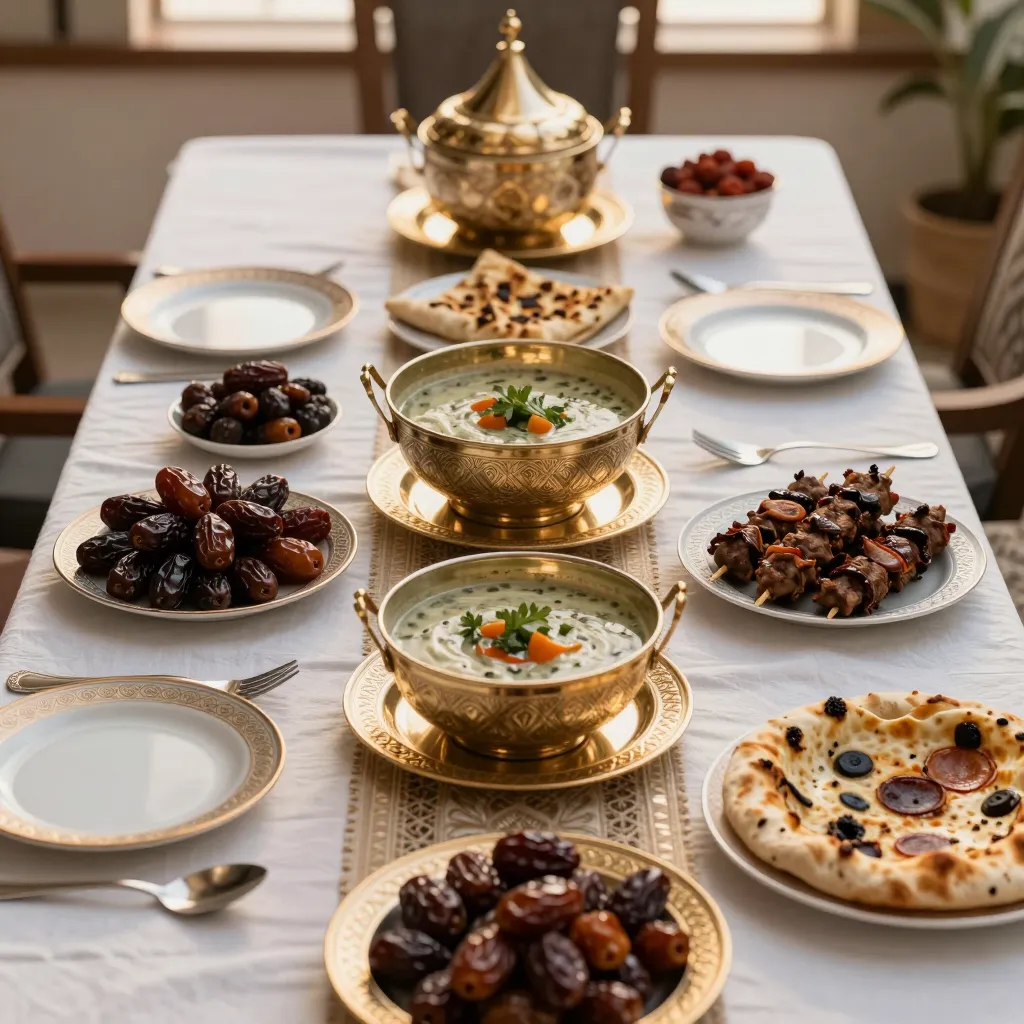
Embracing Sustainability: The Digital Iftar Revolution
As Ramadan approaches, restaurants and cafes face a unique challenge: how to serve thousands of guests while minimizing waste and maximizing efficiency. The traditional paper menu, once the standard for decades, is now increasingly viewed as an environmental liability, especially during a holy month where mindfulness and stewardship are central themes. By switching to a digital QR code menu, businesses can eliminate hundreds of kilograms of paper waste per month. Imagine the impact if every cafe in your city adopted this practice; the collective reduction in deforestation and ink production is significant. For instance, a single A4 sheet of paper requires roughly 10 trees and 260 gallons of water to produce. Over a month of Iftar, where menus might be printed daily or updated frequently, the waste accumulation is substantial. A digital solution not only protects the environment but also aligns with the spiritual values of many guests who are practicing fasting and self-restraint. When guests scan a code to view your menu, they are participating in a greener initiative, turning a simple dining action into a conscious choice. This shift also allows for dynamic content; you can change special dishes or prices instantly without throwing away stacks of outdated paper. The result is a cleaner, more responsible dining experience that resonates deeply with modern diners who care about their footprint. Tip for Owners: Highlight your eco-friendly commitment on the welcome screen of your digital menu. A simple badge stating '100% Paperless Menu' can build trust and attract environmentally conscious customers who are looking for values-driven brands during Ramadan.
Ensuring Transparency: The Power of Honest Ingredient Lists
Transparency is not just a buzzword; it is a necessity for building trust, particularly during Ramadan when dietary restrictions and cultural sensitivities are paramount. Many guests fast during the day and break their fast with intention, meaning they pay close attention to what they consume. A digital menu offers a level of honesty that paper menus cannot match. You can include detailed ingredient lists, allergen warnings, and sourcing information for every single item. For example, instead of vaguely listing 'Chicken Tagine,' you can specify 'Chicken Tagine with organic lamb, free-range chicken, and certified halal spices.' This level of detail prevents allergic reactions and ensures that guests with specific dietary needs, such as those avoiding gelatin or certain preservatives, feel safe dining at your establishment. Statistics from the food industry show that nearly 30% of consumers actively seek out transparent ingredient information before ordering. By providing this upfront, you remove the anxiety of 'what am I eating?' and replace it with confidence. Furthermore, transparency extends to pricing. Digital menus allow you to display the cost of each item clearly, eliminating hidden fees or confusing service charges that often plague traditional billings. You can even add a 'price per serving' breakdown for large platters, ensuring that guests understand exactly what they are paying for. This honesty fosters a relationship of integrity between the restaurant and the guest, which is crucial for long-term loyalty. Real-World Example: Consider a popular dessert item like Baklava. On a paper menu, it might just say 'Baklava.' On a digital menu, you can add a note: 'Made with phyllo dough, walnuts, pistachios, honey, and no added gelatin.' This small addition can be the difference between a guest ordering confidently or walking away due to unlisted allergens. Use your digital platform to tell the story behind your ingredients, perhaps even linking to the farms where your vegetables are sourced, further enhancing the transparency narrative.
Universal Access: Breaking Language and Dietary Barriers
One of the most profound benefits of a digital QR menu is its ability to serve a diverse audience universally. Ramadan attracts not only locals but also expatriates, tourists, and visitors who may not speak the local language or understand specific dietary codes. A static paper menu printed in one language can inadvertently exclude these valuable guests. A digital solution allows you to offer multilingual support instantly. With a single tap, a guest can switch the menu interface from English to French, Arabic, or any other language they prefer. This inclusivity ensures that everyone, regardless of their linguistic background, can navigate the menu with ease and order the food they desire. It democratizes the dining experience, making it accessible to all. Additionally, universal access extends to dietary needs. You can create specific filters for 'Halal,' 'Vegan,' 'Gluten-Free,' or 'Kosher' options, allowing guests to find suitable meals without having to ask the staff repeatedly. This reduces wait times and streamlines the ordering process. For a busy Iftar crowd, where lines can form quickly, having a menu that instantly filters options for specific needs is a massive operational advantage. It empowers guests to make informed decisions independently, reducing the burden on the kitchen and waitstaff. Actionable Insight: When setting up your digital menu, ensure that the translation feature is robust and culturally appropriate. Avoid machine-translated errors that could lead to misunderstandings about ingredients. Partner with native speakers to review your descriptions to ensure cultural accuracy. By offering a truly universal experience, you signal to your guests that your restaurant welcomes everyone with open arms, a value that is highly appreciated during the communal spirit of Ramadan.
Optimizing Operations: Real-Time Updates and Inventory Management
The chaos of Iftar often stems from mismanagement of inventory and outdated menu information. Guests arrive hungry, expecting their favorite dishes to be available, only to find them missing because the kitchen ran out of stock. A paper menu cannot reflect these changes until a new batch is printed and distributed, leading to frustration and lost sales. Digital menus solve this by allowing real-time updates. If the kitchen runs out of fresh dates for a specific dessert, you can remove that item from the digital display in seconds. Similarly, if a supplier delays a shipment of a key ingredient, you can temporarily adjust the menu and notify customers immediately. This agility protects your reputation and keeps the kitchen running smoothly. Data analytics provided by digital menu platforms also offer invaluable insights into ordering patterns. You can see which dishes are flying off the shelves during Iftar and which ones are gathering dust. This data-driven approach helps you optimize your inventory levels, reducing food waste and ensuring that popular items are always available. For example, if your 'Lentil Soup' is consistently ordered first, you can prepare a larger batch in advance or feature it as a daily special to manage demand better. The ability to track sales trends in real-time allows for strategic decision-making that is impossible with manual tracking. Pro Tip: Use the analytics dashboard to identify peak ordering times and adjust your staffing schedules accordingly. If the data shows a surge in orders for specific high-prep items during the first hour of Iftar, ensure your kitchen is staffed to handle that volume efficiently. This proactive management leads to faster service and happier guests, turning a potentially stressful evening into a seamless experience.
Enhancing Engagement: Storytelling and Interactive Features
A digital menu is more than just a list of food; it is a storytelling tool that can enhance the emotional connection between the restaurant and its guests. During Ramadan, food is deeply tied to memory, tradition, and family. Use your digital platform to weave these narratives into the menu design. Include high-quality photos that show the texture and steam of the food, making it look irresistible. Add short videos of chefs preparing traditional dishes to show the care and craftsmanship involved. You can also include sections that explain the history of specific dishes, such as the origins of a particular Maamoul recipe or the significance of a traditional drink. This educational content adds value and makes the dining experience more enriching. Interactive features, such as 'Build Your Own' bowls or quizzes about the ingredients, can also engage guests and make the ordering process fun. For instance, a quiz asking 'Which Iftar treat is your favorite?' can be a great conversation starter and help you understand your customer base better. Furthermore, you can integrate loyalty programs directly into the menu, offering points for every scan or purchase. This encourages repeat visits and builds a community around your brand. The goal is to create an immersive experience that goes beyond hunger satisfaction, fostering a sense of connection and belonging. Example Scenario: Imagine a guest scanning your menu and seeing a beautifully presented photo of a traditional 'Sambousek' with a story about how it was passed down through generations. They feel a personal connection to the dish, making them more likely to order it and recommend it to friends. This emotional engagement is difficult to achieve with a plain text list on paper. By leveraging the multimedia capabilities of your digital menu, you transform a simple transaction into a memorable cultural experience.
Conclusion: The Future of Ramadan Dining
As you prepare for Ramadan, the opportunity to redefine the dining experience lies in your hands. The shift towards digital menus is not merely a technological upgrade; it is a strategic move that aligns with core values of sustainability, transparency, and inclusivity. Platforms like upQR provide the robust infrastructure needed to execute this vision seamlessly. With upQR, you gain access to features that ensure your menu is always up-to-date, multilingual, and visually stunning. The platform's commitment to honesty and environmental responsibility mirrors the values you wish to instill in your guests. By adopting a digital solution, you are not just serving food; you are serving a message of care, integrity, and community. Whether you are a small cafe or a large restaurant chain, the tools to succeed in this holy month are within reach. Embrace the digital transformation and watch as your Iftar service becomes the benchmark for excellence in your city. The future of dining is digital, and it is a future built on trust and shared values. Start your Ramadan journey with a menu that speaks to the heart of your guests and the planet we all share.
Related Posts
Ready to create your digital menu?
Create your QR menu in minutes and reach your customers in any language.
