QR Tech Transforms School Cafeterias: A Digital Shift
Discover how QR menus enhance nutrition transparency, reduce waste, and improve meal planning for students in educational institutions.
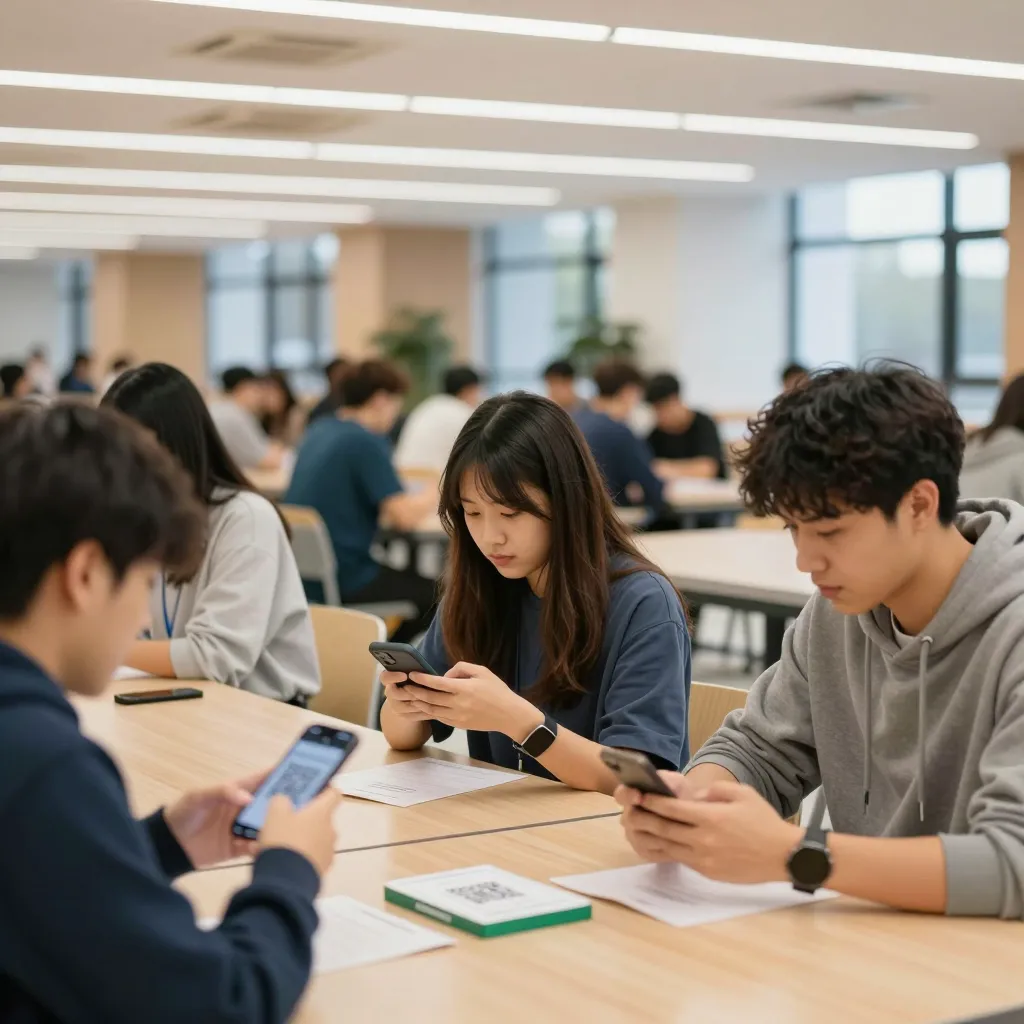
The Digital Evolution of Institutional Dining
School and university cafeterias are undergoing a significant transformation. Traditionally, these dining halls relied on printed paper menus or static whiteboards that often lacked critical nutritional data. This approach created barriers for students with dietary restrictions, allergies, or specific cultural needs. The integration of QR code technology into educational food service systems is not merely a technological upgrade; it is a strategic move toward inclusivity, sustainability, and operational efficiency. For restaurant owners and food service professionals managing campus dining, understanding this shift is essential for adapting to the modern student's expectations.
The primary driver for this adoption is the demand for transparency. Modern students, increasingly aware of their health and environmental impact, expect to know exactly what is in their food. A digital QR menu allows institutions to provide detailed ingredient lists, allergen warnings, and sourcing information instantly. This level of honesty builds trust between the dining hall staff and the student body, fostering a healthier campus environment where every individual feels safe and understood.
Enhancing Accessibility and Dietary Inclusivity
One of the most profound impacts of QR technology in educational settings is the elimination of language and literacy barriers. In diverse student populations, a printed menu written in a single language can exclude non-native speakers. A digital solution powered by platforms like upQR allows for multilingual support, ensuring that every student, regardless of their native tongue, can navigate the menu with confidence. This universal access aligns with the core value of ensuring everyone knows what they are eating, preventing misunderstandings that could lead to adverse health reactions.
Furthermore, for students managing chronic conditions such as diabetes, celiac disease, or severe allergies, the ability to filter content is a game-changer. Digital menus can be programmed to highlight gluten-free, vegan, or nut-free options prominently. Unlike a printed menu where this information is often buried in fine print, a QR-based system can utilize interactive filters. For instance, a student can toggle a 'Show Allergens' switch, instantly removing non-compliant items from their view. This functionality reduces the anxiety associated with eating out and encourages a more relaxed dining experience, which is crucial for mental well-being during high-pressure academic years.
Combating Food Waste Through Dynamic Pricing and Updates
Sustainability is a major concern for modern educational institutions, yet food waste remains a significant challenge. In traditional setups, leftover food at the end of the day is often discarded. QR technology offers a dynamic solution to this issue. Dining managers can adjust prices in real-time to encourage the purchase of surplus items. If a specific dish has high availability, the system can automatically apply a discount or a 'buy one, get one' promotion directly on the digital interface.
Additionally, menu items can be updated instantly based on inventory levels. If a fresh batch of vegetables has spoiled, that item can be removed from the digital menu before the start of the lunch rush, preventing students from ordering something they cannot eat. This proactive management significantly reduces the carbon footprint associated with food production and disposal. By eliminating paper waste from daily menu updates, cafeterias also contribute to a greener campus. The shift from single-use paper menus to a reusable digital platform represents a tangible step toward environmental consciousness, a value that resonates deeply with the younger generation.
Operational Efficiency for Food Service Professionals
For the restaurant owners and managers overseeing these operations, the operational benefits are substantial. The transition to a QR menu system streamlines the workflow for staff. Instead of spending hours printing new menus every time the lunch selection changes, staff can simply update the digital content. This saves both time and money, allowing resources to be redirected toward food quality and service excellence. The system also provides valuable data analytics. Managers can track which dishes are most popular, peak ordering times, and common allergen queries.
This data-driven insight enables smarter menu planning. If a particular vegetarian option is consistently underutilized, the team can analyze the feedback provided through the digital platform to adjust the recipe or marketing. Moreover, the system can integrate with payment terminals, allowing for seamless transactions. Students can scan, order, and pay without waiting in long lines, reducing congestion in the dining hall. This efficiency improves the overall student experience, allowing more time for social interaction and study, which are vital aspects of campus life.
Building a Culture of Honesty and Nutrition
Transparency extends beyond just ingredients; it encompasses the entire narrative of the food being served. Digital menus can feature stories about local farmers, sustainable fishing practices, or the ethical treatment of animals. This educational component turns meal selection into a learning opportunity, teaching students about the importance of sourcing and sustainability. When students see the 'honest and accurate information' promised by the platform, they are more likely to make informed choices that align with their values.
Accurate photos and descriptions are another critical element. In the past, misleading images on paper menus or vague descriptions like 'house special' could lead to disappointment. A digital platform enforces accuracy, ensuring that the photo matches the reality of the dish. This honesty prevents waste, as students are less likely to order and discard food that does not meet their expectations. It also builds a reputation for the institution as a place of integrity, where the food service team is committed to doing the right thing.
Implementing a Seamless Digital Dining Experience
Implementing this technology requires a user-friendly approach. The scanning process must be intuitive, working seamlessly on both iOS and Android devices without requiring a dedicated app download. The interface should be lightweight, loading quickly even on slower campus Wi-Fi networks. For food service professionals, the backend must be robust, allowing for easy content management without technical expertise. Training staff on how to handle the new system is essential, but the design should empower them to focus on customer service rather than troubleshooting.
As schools and universities strive to become leaders in sustainability and inclusivity, adopting QR technology is no longer optional; it is a necessity. It bridges the gap between diverse dietary needs and limited resources, creating a dining environment that is safe, efficient, and environmentally responsible. By choosing a solution that prioritizes transparency and accessibility, educational institutions can set a new standard for campus dining. Platforms like upQR provide the necessary infrastructure to achieve these goals, offering a reliable, scalable, and cost-effective way to modernize the cafeteria experience. The future of school dining is digital, transparent, and inclusive, and embracing this change ensures that every student gets a safe, delicious, and nutritious meal every day.
Related Posts

Ready to create your digital menu?
Create your QR menu in minutes and reach your customers in any language.
