How QR Menus Support 47+ Languages for Global Restaurants
Unlock global growth with upQR's multilingual QR menus. Serve 47+ languages, reduce waste, and ensure every customer understands your offerings instantly.
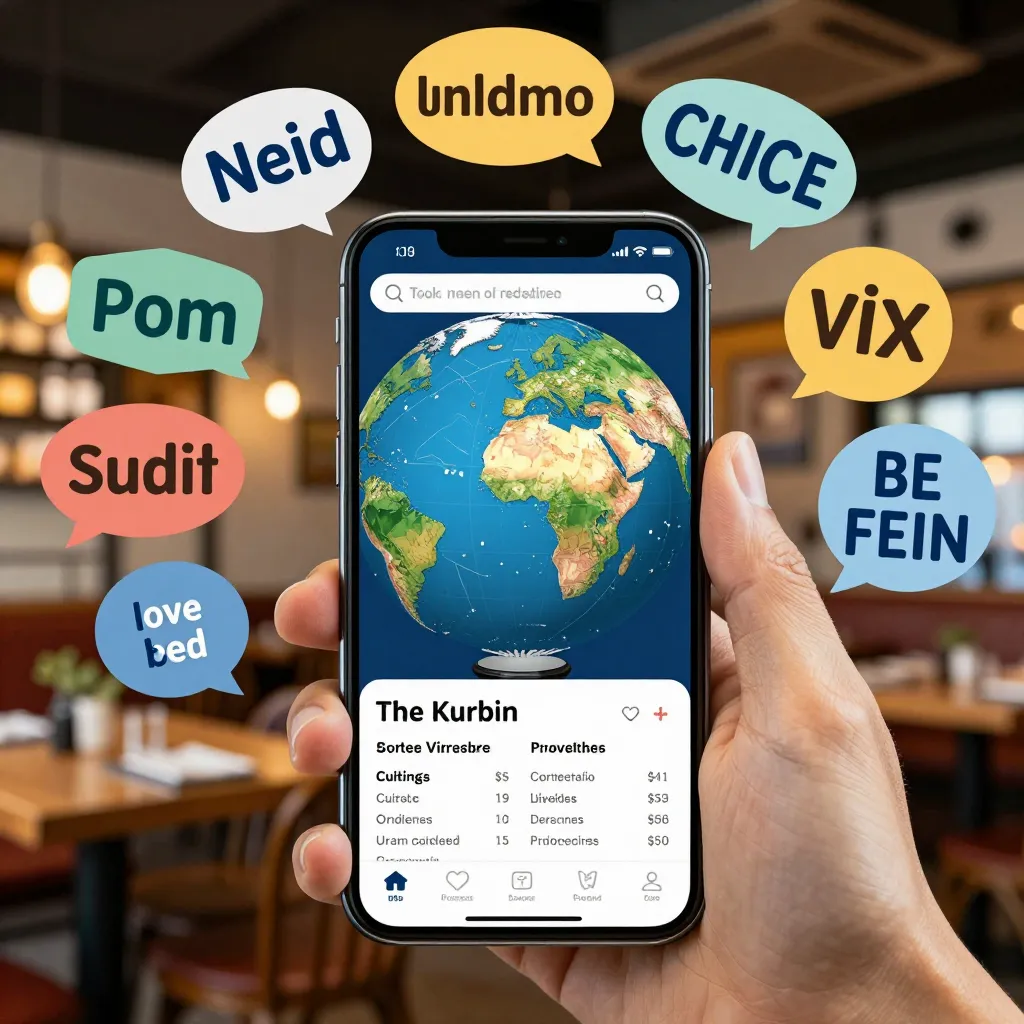
Breaking Language Barriers with Instant Translation
Imagine walking into a bustling cafe where a tourist from Brazil points at a dish but cannot read the description. In the past, this moment would result in confusion, a wrong order, or a lost sale. Today, advanced digital tools make this scenario a thing of the past. The ability to serve customers in their native tongue is no longer a luxury; it is a fundamental expectation for modern hospitality.
According to recent industry data, over 60% of travelers prefer to interact with businesses that offer multilingual support. For restaurant owners operating in diverse cities or attracting international tourists, a static paper menu is a significant barrier. A digital QR menu system changes this dynamic by acting as a universal translator.
upQR leverages cutting-edge technology to support 47+ languages, ensuring that the message from the kitchen reaches the diner without loss of meaning. This is not just about translating words; it is about translating the experience. When a customer reads a menu in their native language, trust is established immediately. They feel understood, respected, and more comfortable exploring the full range of your offerings.
This capability is particularly vital for global restaurants that operate across different regions or host international events. Whether it is a food truck in a major metropolitan area or a fine dining establishment in a historic district, the ability to switch languages instantly allows the business to adapt to the crowd. It eliminates the need for multiple physical menus printed in different languages, saving costs and reducing paper waste.
The Science of Trust: Transparency in Every Language
Trust is the currency of the food service industry. However, mistrust often stems from a lack of clarity. Hidden allergens, confusing ingredient lists, or vague descriptions can scare away cautious diners. This risk is amplified when language barriers exist. A customer might fear ordering a dish because they cannot verify if it contains a common allergen like gluten or nuts.
upQR addresses this by combining multilingual support with radical transparency. The platform allows restaurant owners to input detailed information about every dish: ingredients, preparation methods, allergen warnings, and nutritional data. This information is then automatically translated into the customer's selected language.
Consider a customer with a severe peanut allergy visiting a popular sushi bar. In a traditional setting, they might hesitate to order unless they can speak Japanese or find a specific symbol. With upQR, the menu displays clear, translated allergen warnings. The customer can see exactly what is in the dish, ensuring their safety and peace of mind.
This transparency extends to pricing as well. Hidden fees or confusing currency conversions can lead to frustration at the bill. By providing clear, accurate pricing in the customer's local currency or language, upQR ensures that there are no surprises. This honesty builds a loyal customer base that feels safe and valued.
Practical Strategies for Implementing Multilingual Menus
Implementing a multilingual QR menu system is straightforward, but doing it effectively requires a strategic approach. Here are actionable tips to help restaurant owners maximize the benefits of supporting 47+ languages.
- Start with the Top 5 Languages: You do not need to translate everything at once. Analyze your foot traffic data. If you are in a city with a large Spanish-speaking population, prioritize Spanish. If you host many tourists, English is essential. upQR makes it easy to toggle between languages with a simple click, allowing you to test which languages drive the most engagement.
- Localize, Don't Just Translate: Translation is the first step, but localization is the key to connection. Ensure that measurements are appropriate (grams vs. ounces) and that cultural nuances are respected. For example, describing a spice blend as "hot" might mean different things to different cultures. Use descriptive language that resonates with each specific audience.
- Optimize for Mobile Search: Many international travelers use Google Translate or similar apps to scan QR codes. Ensure your QR menu is mobile-responsive and loads quickly. A slow-loading page in a foreign language can lead to high bounce rates. upQR's platform is optimized for all devices, ensuring a seamless experience regardless of the device or language used.
- Train Your Staff: While the menu handles the translation, your staff plays a crucial role. Train your team to assist customers in selecting their preferred language on the screen. Encourage them to ask, "Would you like to view the menu in your language?" This small gesture can turn a confused visitor into a delighted guest.
- Update Content Regularly: Menus change seasonally. Make sure your updates are reflected in all languages simultaneously. Inconsistencies between languages (e.g., an item available in English but not in French) can lead to customer complaints. Use upQR's centralized dashboard to manage all language versions from one place.
Real-World Impact: Case Studies from Global Cities
The theoretical benefits of multilingual menus become clear when looking at real-world applications. Let's look at a few scenarios where upQR has helped businesses thrive in diverse environments.
The International Food Truck: A food truck owner in New York City serves a fusion cuisine blending Mexican, Italian, and American flavors. The truck operates in neighborhoods with high concentrations of Spanish, Italian, and Chinese speakers. Previously, the owner had to carry three different paper menus. With upQR, the customer simply selects their language upon scanning the code. The truck's sales increased by 20% because customers felt more confident ordering complex fusion dishes when they could read the descriptions in their native tongue.
The Tourist-Focused Cafe: A cafe in Kyoto, Japan, relies heavily on international tourists. The owner noticed that many visitors only ordered coffee because they were intimidated by the Japanese text. After switching to an upQR menu with 47+ languages, the owner added detailed English and French descriptions of traditional Japanese sweets. Sales of these higher-margin items tripled within three months. The customers could appreciate the cultural context and ingredients, leading to better reviews and repeat visits.
The Global Chain: A regional coffee chain expanding into Europe needed to maintain brand consistency while respecting local languages. upQR allowed them to roll out menus in German, French, and Italian simultaneously. This ensured that every location felt authentic to its local market while maintaining the high standards of the brand. The ability to update regional promotions in specific languages helped drive foot traffic during slower periods.
Sustainability and Accessibility: A Shared Responsibility
Beyond language, the shift to digital menus supports broader values of sustainability and accessibility. Paper menus are not only wasteful but also inaccessible to people with visual impairments or dyslexia. Digital menus can be adjusted for readability, with options to increase font size or change contrast.
upQR aligns with these values by eliminating the need for paper production, printing, and disposal. Every digital menu replaces a stack of paper, contributing to a cleaner environment. Furthermore, the platform supports accessibility features that ensure everyone, regardless of ability, can enjoy the dining experience.
When a restaurant supports 47+ languages, it is also supporting a more inclusive society. It acknowledges that diversity is the norm, not the exception. It sends a message that the establishment welcomes everyone, from the local resident to the first-time visitor from another continent. This inclusivity fosters a sense of community and belonging, which is essential for long-term business success.
By choosing a platform that prioritizes these values, restaurant owners are not just selling food; they are championing a better, more connected world. The technology is there to bridge gaps, and upQR provides the tools to do so effortlessly.
Embrace the Future of Dining
The hospitality industry is evolving rapidly. Customers today expect convenience, transparency, and personalization. A QR menu that supports 47+ languages is the perfect intersection of these expectations. It removes friction from the ordering process, builds trust through transparency, and opens doors to new markets.
Whether you are a small independent cafe or a large restaurant chain, the ability to communicate in your customers' languages is a competitive advantage. It allows you to tell your story authentically, regardless of where your customers come from. upQR makes this transition easy, secure, and scalable.
Don't let language barriers limit your potential. Join the growing number of forward-thinking restaurants that are embracing digital solutions to serve their communities better. With upQR, you can ensure that every customer feels welcome, understood, and ready to enjoy a meal that connects them to your brand.
Related Posts
Ready to create your digital menu?
Create your QR menu in minutes and reach your customers in any language.
