Multilingual QR Menus: Serve International Guests Easily
Boost your restaurant revenue by offering multilingual QR menus. Learn how to translate, customize, and manage multiple languages to serve global customers effortlessly.
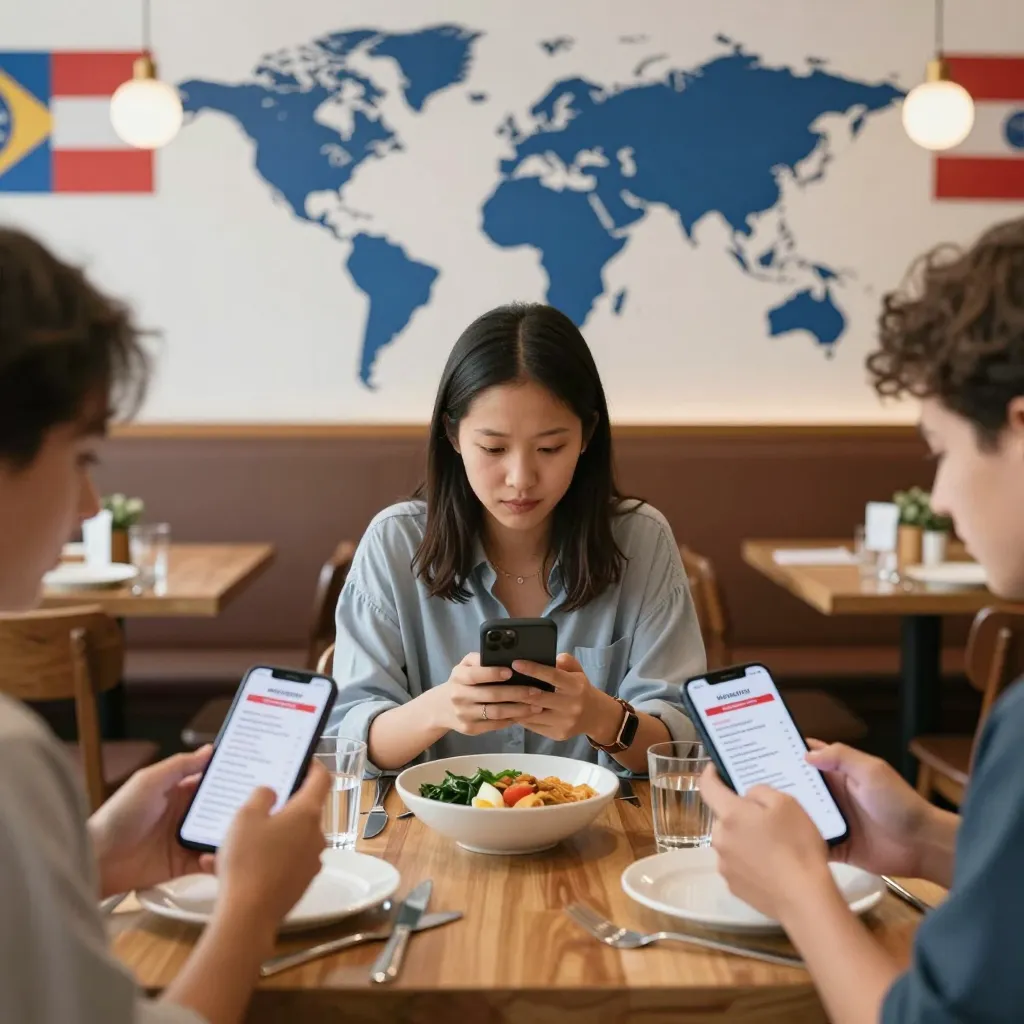
Why Multilingual Menus Are Essential for Modern Restaurants
Imagine walking into a trendy bistro in a major metropolitan area. You order an espresso and a croissant, but you realize you do not speak the local language fluently. You feel a pang of anxiety, wondering if you can communicate your dietary restrictions or understand what you are ordering. This scenario is becoming increasingly common as cities become more diverse and travel becomes more accessible. For restaurant owners, failing to accommodate non-native speakers can mean losing a significant portion of potential revenue. According to industry data, up to 40% of global travelers prefer to visit destinations where they feel comfortable communicating. By implementing a multilingual QR menu system, you remove language barriers instantly, allowing every guest to feel welcome and confident.
The shift toward digital menus is not just about replacing paper; it is about enhancing the customer experience. A static, single-language paper menu often feels outdated and exclusionary. In contrast, a dynamic QR code menu can display content in the language of the guest's choice. This capability transforms a potential point of friction into a seamless experience. When customers see that a restaurant has prepared content in their native tongue, it signals respect and inclusivity. This psychological boost can directly influence tipping behavior and repeat visitation rates. Furthermore, it allows restaurants to tap into new markets without the high cost of printing and restocking multiple physical menus.
Implementing Seamless Language Switching with Digital Tools
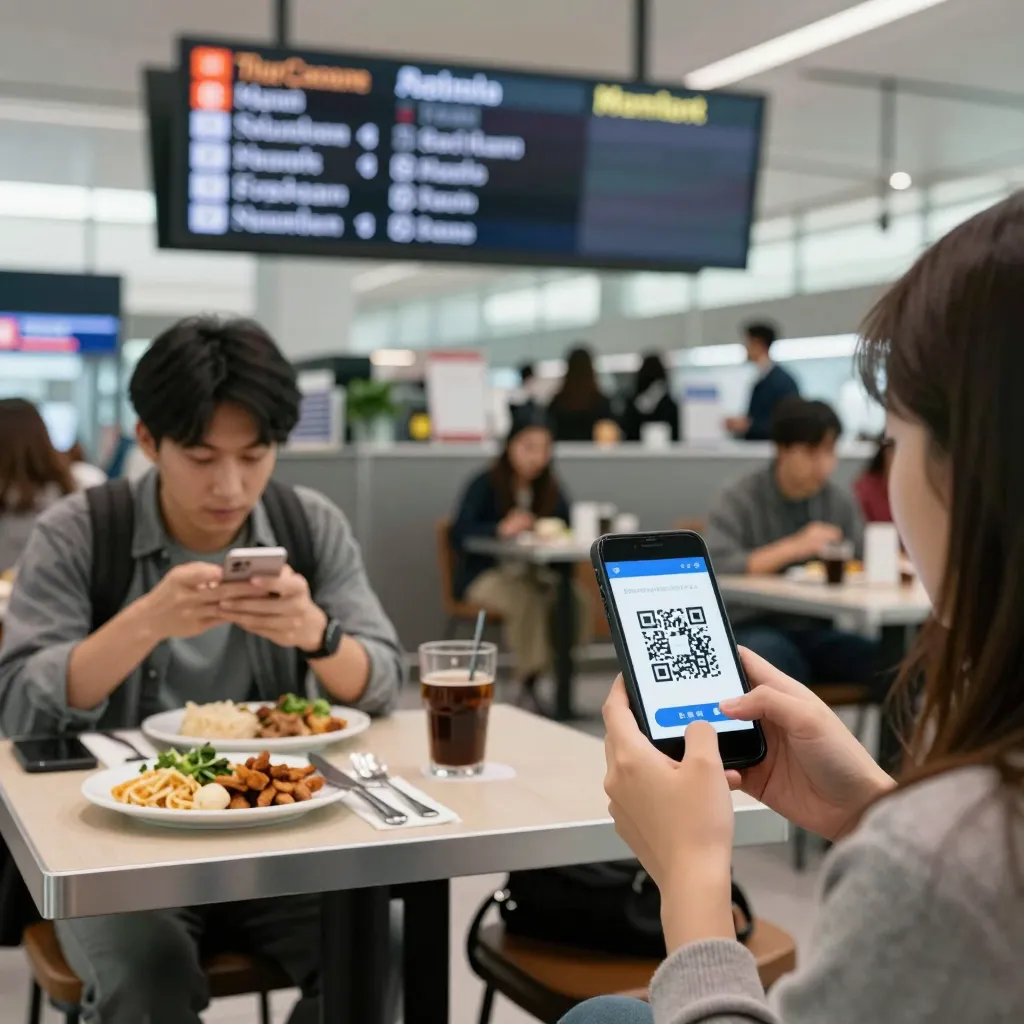
Creating a multilingual menu is often misunderstood as simply translating text from one language to another. While translation is the foundation, the implementation strategy is what makes the system truly effortless. The most effective approach involves integrating a dedicated digital menu platform that supports multiple language toggles. This technology allows a single QR code to serve as a universal entry point to various language versions of the same menu. When a customer scans the code, they are greeted by a simple interface where they can select their preferred languageEnglish, Spanish, French, Japanese, or Mandarin, for example.
Consider the workflow for a busy restaurant manager. Instead of printing three separate QR codes for three different languages, which can lead to confusion at the table, the system uses one dynamic code. The backend of the platform stores all the content variations. When a guest scans the code, their device detects their language settings or they manually select their preference. This is a crucial feature for international tourists who may have their phone set to their home language. The transition is instant, requiring no intervention from the staff. This automation ensures that even during peak hours, the kitchen and waitstaff can focus on food preparation and service rather than managing menu logistics or explaining dietary options to confused guests.
Technical Best Practices for Language Support
To ensure a smooth user experience, the digital menu system must handle language switching without reloading the entire page or causing lag. Content should be organized logically, with clear labels for each language section. It is also vital to maintain consistency in terminology. For instance, if you call a specific cut of meat "grilled steak" in English, ensure the translation in the other language matches the culinary standard for that region, rather than using a direct translation that might confuse a local chef or diner. Uploading content through a user-friendly dashboard allows you to update prices or descriptions in one language without affecting others. This granular control is essential for managing seasonal items or special promotions that may apply differently in different regions.
Strategic Translation: Beyond Literal Meaning
One of the biggest pitfalls in creating multilingual menus is relying solely on automated translation tools. While AI can handle basic grammar, culinary content requires nuance, cultural context, and an understanding of local flavor profiles. A literal translation of a dish name might not convey the taste or preparation method familiar to the target audience. For example, a "Chicken Teriyaki" might be translated as "Teriyaki Chicken" in English, but in Spanish, it might be better described as "Pollo a la Teriyaki" to resonate with local palates. The goal is to make the guest feel at home, not just understood.
Professional translation services or hiring a native-speaking consultant for your menu content can significantly improve the quality. They can ensure that ingredients are listed with allergens correctly identified according to local regulations. In many countries, labeling laws are strict, and missing allergen information can lead to severe legal consequences. A professional translator will know these nuances. Additionally, they can adapt the tone of the copy. A fine dining establishment might use elegant, formal language, while a casual cafe might opt for a friendly, conversational tone. The visual design of the menu should also reflect these cultural differences. For instance, using the appropriate script direction (left-to-right vs. right-to-left) and ensuring that images of food do not clash with cultural sensitivities.
Enhancing the Dining Experience with Localized Content
The benefits of a multilingual QR menu extend far beyond the text on the screen. It influences the entire dining narrative. When a customer reads a menu in their native language, they are more likely to try new dishes because the descriptions are clear and appetizing. Uncertainty about ingredients often prevents adventurous eating. Clear, localized descriptions build trust. If a customer sees that the restaurant takes the time to explain a complex dish in their language, they perceive the establishment as high-quality and attentive.
This localization strategy can also be used for marketing. You can include a short welcome message in the guest's language, perhaps offering a small discount or a special recommendation. This personal touch can turn a regular visitor into a loyal advocate. For instance, a sushi restaurant in a tourist-heavy district could offer a "Tourist Special" section in English, Japanese, and Chinese, highlighting the freshest catch of the day. This not only informs the guest but also encourages them to share their experience on social media, using hashtags relevant to their language. The digital nature of the menu also allows for the inclusion of short videos or audio clips explaining the preparation of signature dishes, which can be particularly helpful for guests who are hesitant to try unfamiliar foods.
Optimizing Operations and Reducing Costs
From an operational standpoint, adopting a multilingual QR menu system offers substantial cost savings. The traditional model of printing multiple versions of a menu for different languages involves ongoing expenses for paper, ink, and printing services. If you need to update a price or remove an item, you must reprint the entire batch of menus for every language. This is time-consuming and wasteful. With a digital platform, updates are made once and reflected instantly across all language versions. This agility is crucial in the fast-paced food service industry where menu items change frequently due to seasonality or supplier availability.
Furthermore, this system reduces the likelihood of errors in the kitchen. When a customer orders in their preferred language, the system can be configured to display the order in the kitchen's primary language or the language of the specific kitchen staff. This minimizes miscommunication. In a high-volume environment, a misheard order can lead to wasted food and unhappy customers. By standardizing the order entry process, the kitchen team can work more efficiently. Additionally, the data collected from digital menus can be analyzed to understand which languages are most popular among your guests. This insight can help you tailor your marketing efforts and even adjust your menu offerings to better suit the demographics of your local area.
Conclusion: Embracing Global Hospitality
In an increasingly connected world, the ability to communicate without barriers is a competitive advantage. For restaurant owners and cafe managers, embracing multilingual QR menus is no longer a luxury; it is a necessity for serving international customers effortlessly. By leveraging advanced digital tools, you can create a seamless, inclusive dining experience that respects your guests' cultural backgrounds while optimizing your operational efficiency. Platforms like upQR provide the infrastructure to manage these complexities, allowing you to focus on what matters most: providing delicious food and exceptional service. Start transforming your menu today and watch your customer satisfaction and revenue grow.
Related Posts
Ready to create your digital menu?
Create your QR menu in minutes and reach your customers in any language.
