
Local SEO for Restaurants: Rank #1 on Google Maps
Master local SEO strategies to dominate Google Maps. Learn actionable tips to boost visibility, drive foot traffic, and grow your restaurant business today.
Why Local SEO Is Critical for Restaurant Success
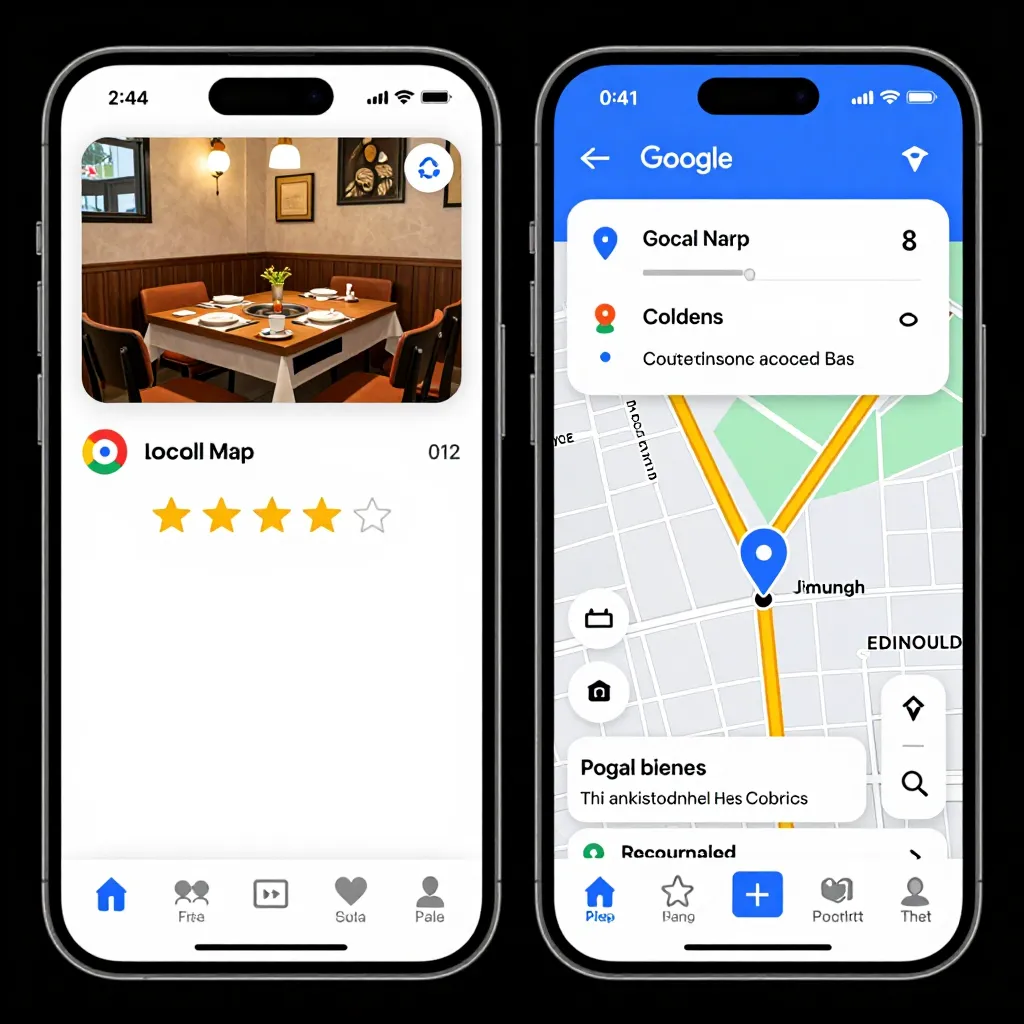
In the competitive world of dining, being found is the first step to survival. According to BrightLocal, 86% of consumers search for a business on their smartphone within the last mile of their journey. For a restaurant, this means that if a customer is hungry and searching "pizza near me" or "best burger in [City Name]," your digital presence must be instant and impeccable. Local SEO is not just about having a website; it is about dominating the "Local Pack"-the top three map results that appear at the very top of Google search results.
Traditional SEO focuses on broad keywords and global rankings, but Local SEO is hyper-specific. It connects your physical location with your potential customers in your immediate vicinity. When executed correctly, Local SEO drives foot traffic, increases order volume, and builds brand trust. It transforms passive web browsers into active diners. The stakes are high: restaurants that fail to optimize their local presence often lose significant revenue to competitors who appear first on the map.
Claiming and Optimizing Your Google Business Profile (GBP)
The cornerstone of any local SEO strategy is the Google Business Profile (formerly Google My Business). This free tool allows you to manage your business information across Google Search and Google Maps. However, simply claiming your profile is not enough; you must optimize it thoroughly to signal relevance to Google's algorithm.
Accuracy is King: Ensure your Name, Address, and Phone Number (NAP) are identical to what is listed on your website, social media, and other directories. Inconsistencies here can confuse search engines and hurt your ranking. If you have a specific suite number or are located in a shared office space, be precise to avoid delivery drivers getting lost.
Categories and Attributes: Select the most specific primary category available. For example, instead of just "Restaurant," choose "Italian Restaurant" or "Sushi Bar." Utilize secondary categories to cover all aspects of your menu. Additionally, fill out every attribute field available, such as "wheelchair accessible," "outdoor seating," or "good for groups." These details help Google match your business to specific user intents.
Business Description: Write a compelling description that naturally includes your location and key services. Avoid keyword stuffing, but do mention your neighborhood and unique selling points. For instance, "Family-owned bistro in downtown Seattle serving artisanal coffee and farm-to-table burgers since 2015." This helps Google understand your context and relevance to local queries.
Generating and Managing High-Quality Reviews
Reviews are the fuel of local SEO. Google's algorithm heavily weighs the quantity, quality, and recency of reviews when determining your ranking. A restaurant with 50 five-star reviews will almost always outrank a competitor with 5 two-star reviews, even if the latter has more backlinks. The volume of positive reviews signals to Google that your business is trustworthy and popular.
The Power of Response: Responding to reviews is crucial. It shows potential customers that you care about feedback. Always thank reviewers for positive feedback. For negative reviews, respond professionally and offer to resolve the issue offline. Never get defensive. A thoughtful response can turn a detractor into a promoter.
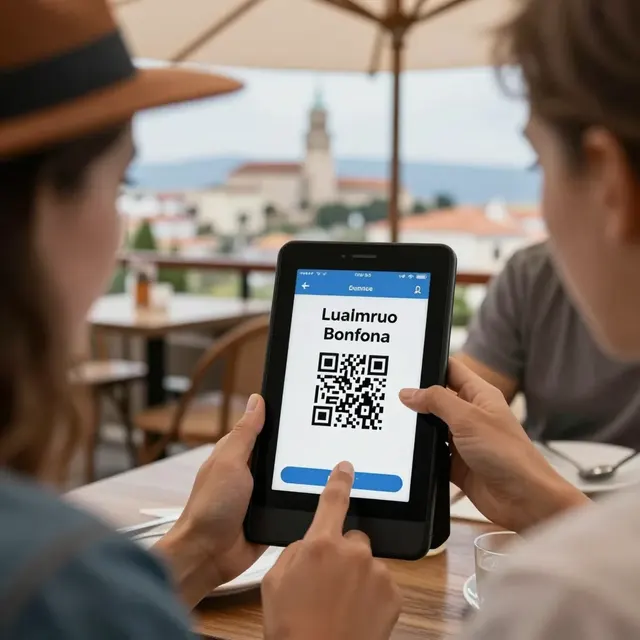
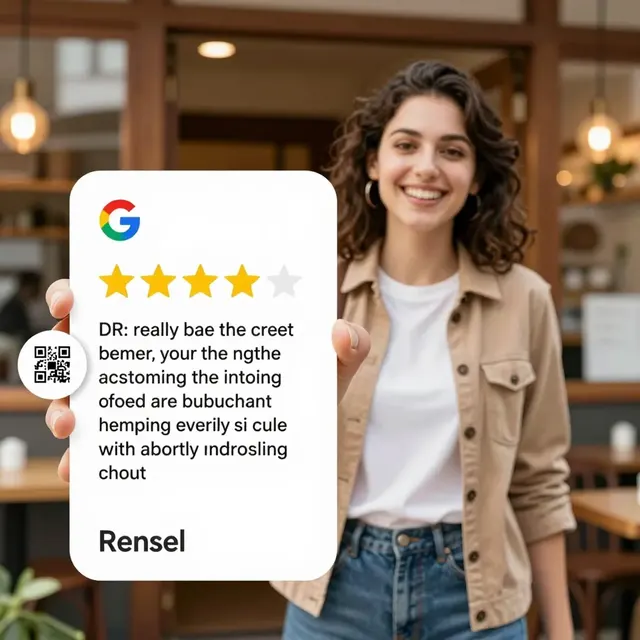
Encouraging Reviews: Don't wait for happy customers to leave a review. Train your staff to ask satisfied guests, "Did we meet your expectations? Would you mind leaving us a quick review on Google?" Provide QR codes at the table or on receipts that link directly to your review page. This reduces friction and increases conversion rates. Remember, a review left 24 hours ago is more valuable than one left six months ago, so strive for consistent engagement.
Building Local Citations and Managing NAP Consistency
Citations are online mentions of your business name, address, and phone number. They do not necessarily link back to your website, but they tell search engines that your business exists and is legitimate. The more consistent these citations are across the web, the higher your trust score.
Major Directories: Ensure your business is listed on major platforms like Yelp, TripAdvisor, Yellow Pages, and Apple Maps. These are high-authority sites that carry significant weight. Start by listing your business on these major platforms, then expand to niche directories relevant to your cuisine or location.
NAP Consistency: As mentioned earlier, consistency is vital. If your address is listed as "123 Main St" on Yelp but "123 Main Street" on Facebook, it creates confusion. Use an abbreviation style that is consistent across all platforms. If you have multiple locations, ensure each has a unique citation profile. Inaccurate data in citations can lead to penalties or lower rankings, so audit your listings regularly to fix any discrepancies.
Creating Locally Relevant Content
Content is the glue that holds your local SEO strategy together. Your website should not be a static brochure; it should be a dynamic hub of local information. Create content that answers questions your local customers are asking. If you are a coffee shop, write a blog post about "The Best Mornings in [Neighborhood Name]" or "Supporting Local Roasters in [City]." Mention local landmarks, events, and community involvement.
Menu Optimization: Your menu page is often a landing page for users. Ensure it is text-rich, not just an image. Search engines cannot "read" images effectively. List your dishes with full descriptions and ingredients. If you offer seasonal specials, create dedicated pages or blog posts for them. This gives you fresh content to index and opportunities to target long-tail keywords like "spicy buffalo wings near me" or "vegan pasta in [City]."
Internal Linking: Link your blog posts to your main menu page and vice versa. This helps search engines crawl your site more effectively and keeps users engaged longer. A high dwell time on your site is a positive ranking signal. Ensure your site loads quickly on mobile devices, as over half of all local searches happen on smartphones.
Technical Foundations and Mobile Optimization
Before diving into content, ensure your technical foundation is solid. Google uses mobile-first indexing, meaning it primarily uses the mobile version of your content for ranking and indexing. If your site is not mobile-friendly, you are losing potential customers immediately.
Site Speed: A slow website drives users away. Compress images, minimize code, and use a reliable hosting provider. A one-second delay in page load time can result in a 7% reduction in conversions. For a restaurant, speed is essential; no one wants to wait while their order loads.
Schema Markup: Implement LocalBusiness schema markup on your website. This is code that helps search engines understand your business details, such as opening hours, price range, and accepted payment methods. Even if your data is perfect, without schema, you might miss out on rich snippets in search results, which can increase your click-through rate.
Image Optimization: Use high-quality images of your food and interior, but optimize them for the web. Name your image files descriptively (e.g., "cheeseburger-recipe-new-york.jpg") rather than generic names (e.g., "IMG_1234.jpg"). Add alt text to all images describing the content for visually impaired users and search engines.
Conclusion: Elevate Your Digital Presence with upQR
Ranking #1 on Google Maps is a multifaceted challenge that requires patience, consistency, and a strategic approach. By optimizing your Google Business Profile, generating genuine reviews, maintaining NAP consistency, creating local content, and ensuring a mobile-friendly technical setup, you build a robust foundation for local success. These efforts compound over time, leading to sustained growth and increased visibility.
However, managing these elements can be time-consuming for busy restaurant owners and managers. This is where upQR becomes an invaluable partner. Beyond just providing a digital QR menu, upQR offers a suite of tools designed to streamline your operations and enhance your local SEO. Our platform ensures your menu is always up-to-date, integrates seamlessly with your reservation systems, and provides analytics to track customer behavior. By automating the distribution of your menu and managing customer interactions through QR codes, you free up valuable time to focus on the core aspects of Local SEO: engaging with customers and refining your content strategy. With upQR, you not only modernize your dining experience but also strengthen your position in the local search landscape, ensuring that when hunger strikes, your restaurant is the first one they find.
Related Posts
Ready to create your digital menu?
Create your QR menu in minutes and reach your customers in any language.