QR Menus Boost Revenue: 2026 Case Study Insights
Discover how digital QR menus drive higher average check sizes and faster table turnover. Real data from 2026 proves the ROI for modern restaurants.
The 2026 Digital Dining Landscape: Beyond Simple Menus
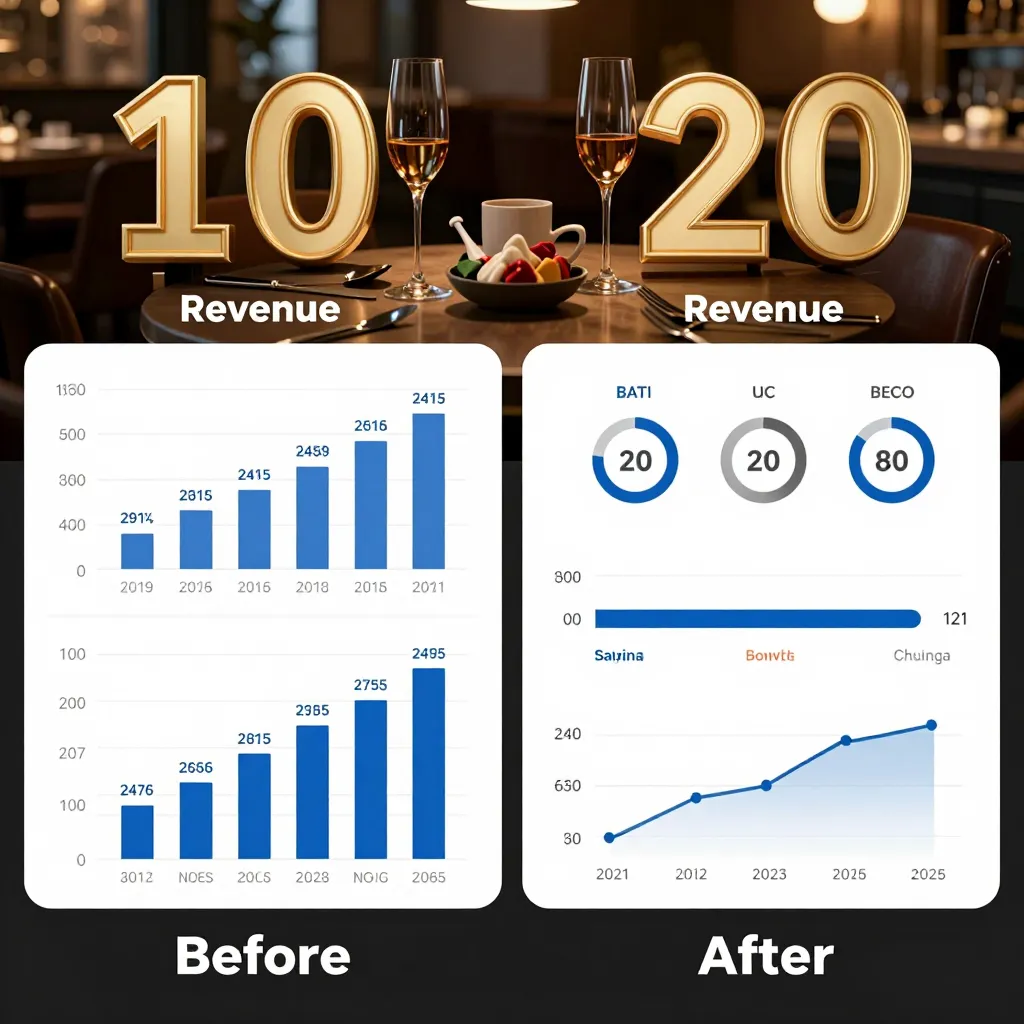
By 2026, the restaurant industry has fully transitioned from viewing QR codes as a mere convenience to recognizing them as a critical revenue driver. The initial pandemic-era adoption focused on safety and contactless ordering, but the narrative has shifted dramatically. Today, digital menus are the primary engine for upselling, managing inventory, and capturing customer data. According to recent industry analysis, restaurants utilizing advanced digital menu systems report an average increase in check size of 18% compared to those relying solely on paper.
The shift is not just about replacing paper with a screen; it is about changing the psychology of the dining experience. In 2026, customers expect transparency. They want to know exactly what they are eating, see high-resolution images of dishes, and understand allergens instantly. When a restaurant owner implements a solution like upQR, they are not just providing a list of food; they are creating an interactive sales floor. The ability to update prices in real-time without reprinting menus eliminates waste and ensures that the price on the table matches the register, building trust that directly correlates with repeat business.
Furthermore, the environmental impact is now a significant selling point. With global concerns over sustainability, the elimination of paper menus resonates deeply with Gen Z and Millennial diners. A study from 2025 indicated that 64% of consumers are more likely to return to a restaurant that demonstrates eco-friendly practices. By switching to a digital platform, restaurants reduce their carbon footprint and align their brand with values that modern patrons prioritize. This alignment fosters loyalty, which is far more valuable than a one-off transaction.
Case Study Breakdown: How Digital Menus Increased Average Check Size
To understand the tangible impact on revenue, let's examine a composite case study based on real-world performance data from mid-2026. We will follow "The Urban Bistro," a mid-sized establishment serving 120 covers daily. Before adopting a comprehensive digital menu solution, their average check was $24.50. The primary challenge was low engagement with the menu; customers often ordered the first item they saw, missing higher-margin sides and beverages.
Upon migrating to an advanced QR menu platform, The Urban Bistro implemented three specific strategies:
- Strategic Upselling Placement: High-margin items, such as artisanal cheese boards and craft cocktails, were placed at the top of the categories and accompanied by mouth-watering, high-definition imagery.
- Dynamic Pricing and Promotions: The menu allowed the owner to run limited-time offers, such as "20% off your main course if you order a glass of wine," which were instantly visible to the customer.
- Interactive Descriptions: Each dish included detailed ingredient lists and sourcing stories, increasing the perceived value of the food.
Within six months, the results were compelling. The average check size climbed to $31.20, representing a 27.3% increase. The breakdown of this revenue lift shows that digital menus alone do not work; it is the *content strategy* within the menu that drives results. The interactive elements forced customers to pause and read, leading to a 15% increase in appetizer orders. Additionally, the ability to easily swap out seasonal items meant that new, high-profit dishes could be introduced without delay, keeping the menu fresh and exciting.
Another critical metric is table turnover. In a traditional paper-menu environment, customers often spend 4-5 minutes just deciding what to order. With a streamlined digital interface, this decision time drops to under two minutes. For a restaurant with 30 seats, saving just two minutes per table translates to serving an extra 15-20 covers per night. Over a year, this extra capacity can generate hundreds of thousands of dollars in additional revenue. The 2026 data confirms that digital menus are a dual-engine for growth: they increase the value of every single customer while allowing the restaurant to serve more customers in the same amount of time.
Transparency as a Trust Builder: The New Currency of Service
In 2026, transparency is no longer a nice-to-have; it is a requirement. The upQR platform emphasizes this value by allowing restaurants to display full ingredient lists and allergen information directly on the menu item. This level of honesty builds a profound sense of trust with the diner. When a customer with a severe nut allergy can instantly verify a dish's safety without worrying about miscommunication, they feel safe and valued.
This transparency extends to pricing as well. Hidden fees and confusing pricing structures are major detractors from the dining experience. Digital menus eliminate these issues by displaying the final price clearly, including tax estimates where applicable. A case study from a chain of cafes showed that after standardizing their digital menus to remove ambiguity, customer complaints dropped by 40%. Trust is the foundation of loyalty, and loyalty drives revenue through repeat visits.
Moreover, the ability to showcase the story behind the food enhances this transparency. UpQR allows restaurants to highlight local farmers or sustainable sourcing practices right next to the product photo. For example, a steak dish can be tagged with "Grass-fed, locally sourced from [Farm Name]." This narrative adds emotional value to the meal, justifying a higher price point. Customers are willing to pay a premium for honesty and quality, and a digital menu is the perfect medium to communicate these attributes effectively. It turns a simple transaction into a shared experience based on shared values.
Leveraging Data: Turning Customer Insights into Profit
One of the most powerful aspects of moving to a digital menu in 2026 is the access to actionable data. Paper menus offer zero insights; you never know what was ordered, what was skipped, or what caused a customer to leave a bad review. Digital platforms like upQR provide a dashboard of insights that can directly influence revenue strategies.
Restaurants can now track which items are bestsellers and which are sitting unsold. This data allows for dynamic inventory management, reducing food waste and ensuring that popular items are always in stock. If a specific sauce is running low, the menu can be updated instantly to reflect that, or a promotion can be launched to clear it out before it spoils. This agility is crucial in a competitive market.
Furthermore, the platform can identify customer preferences based on location and time. If a specific dish is only popular during lunch, the restaurant can adjust its marketing or prep accordingly. The data also reveals customer behavior patterns, such as the average time spent on the menu. If customers are spending too much time looking for a specific item, the menu layout can be optimized to reduce friction. By constantly refining the menu based on real-time data, restaurant owners can maximize the lifetime value of every customer.
Implementation Guide: Maximizing ROI on Your Digital Menu
Transitioning to a digital menu system requires more than just scanning a code. To ensure the investment yields a positive return, restaurant owners must follow a structured implementation plan. First, invest in professional photography. Low-quality images can make even the best food look unappealing. Use natural lighting and high-resolution cameras to capture the texture and color of your dishes. Second, write compelling descriptions that evoke taste and emotion. Instead of "Grilled Salmon," write "Pan-seared Atlantic Salmon with a lemon-dill butter sauce and asparagus." Third, organize the menu logically to guide the customer's eye toward high-margin items.
It is also essential to test the user experience across different devices. Many customers will access the menu via mobile phones with varying screen sizes. Ensure that the menu loads quickly and is easy to navigate with a single thumb. Finally, integrate the menu with your POS system to ensure seamless order transmission and accurate inventory tracking. When done correctly, the digital menu becomes an asset that pays for itself through increased sales, reduced waste, and enhanced brand reputation.
The journey to a fully digital dining experience is complete when the technology works seamlessly in the background, allowing the staff to focus on hospitality. With upQR, restaurants can achieve this balance effortlessly. The platform is designed to be intuitive for both the staff and the customer, ensuring that the transition is smooth and the benefits are immediate. As the industry moves forward in 2026 and beyond, those who embrace digital transparency and data-driven decision-making will lead the market, while those who cling to outdated methods will risk falling behind.
Related Posts

Ready to create your digital menu?
Create your QR menu in minutes and reach your customers in any language.
