Boosting Hotel Room Service with Digital QR Menus
Discover how hotels can modernize room service using digital QR menus to reduce costs, ensure transparency, and enhance the guest experience.
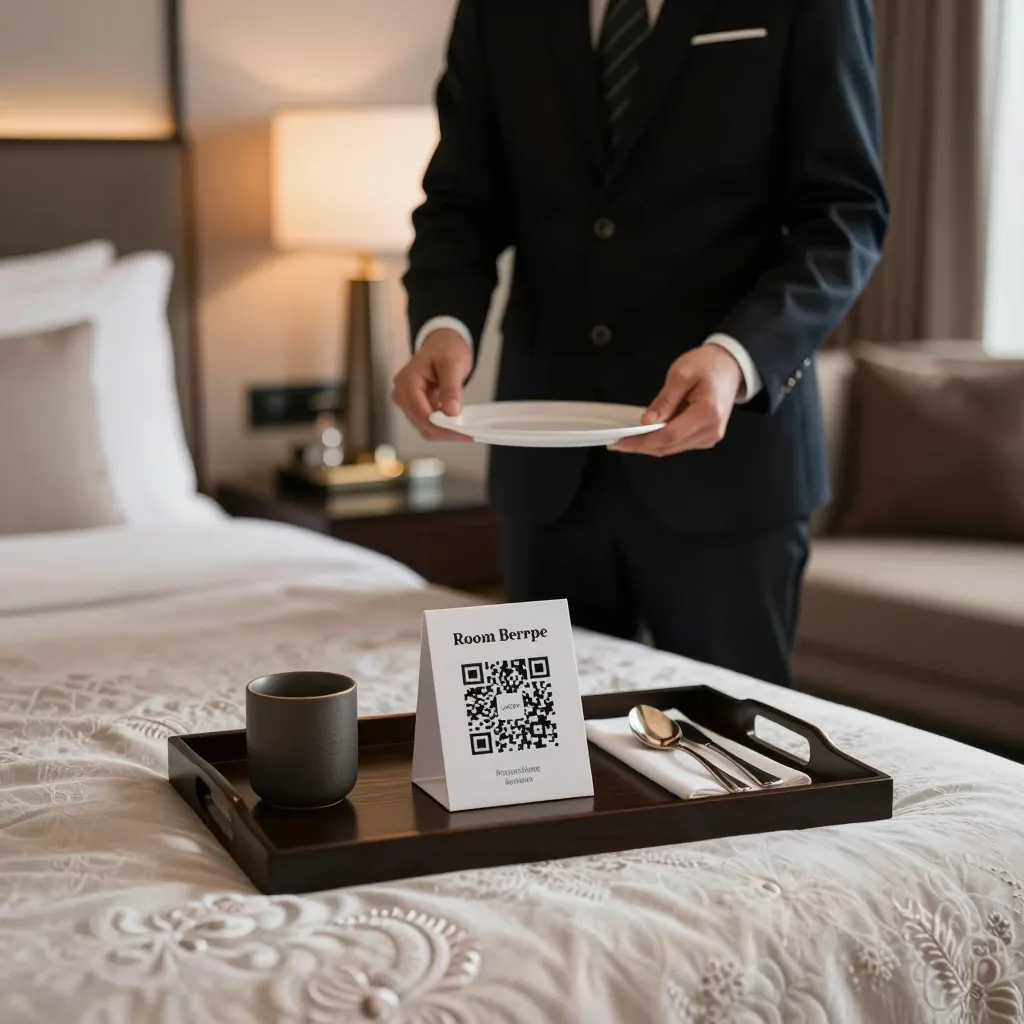
Transforming the In-Room Dining Experience with Digital Solutions
Hotel room service has traditionally been a hallmark of luxury, yet it often suffers from operational inefficiencies and a lack of personalization. Guests expect immediate access to menus, but physical menus printed in plastic sleeves can become outdated, damaged, or lost. By transitioning to a digital QR code menu system, hotels can revolutionize how guests order from their rooms. This shift not only streamlines the ordering process but also aligns with modern sustainability goals and the demand for transparent information.
When a guest scans a code on their pillow, nightstand, or bathroom mirror, they are greeted by a dynamic, responsive interface. This technology eliminates the friction of waiting for a server to bring a physical menu, which is particularly crucial for late-night orders when staff may be less frequent. The immediate access to high-resolution images, detailed descriptions, and real-time availability creates a seamless experience that rivals high-end dining establishments. For hotel managers, this digital transition offers a strategic advantage in guest satisfaction scores and operational efficiency.
Enhancing Transparency and Building Trust with Digital Menus
Transparency is a cornerstone of modern hospitality, and digital menus excel in this area. Guests often have specific dietary restrictions, allergies, or ethical preferences, such as being vegan or gluten-free. A digital menu allows hotels to provide exhaustive details about every ingredient, sourcing, and preparation method. Unlike a printed sheet where space is limited, a digital interface can expand on allergen warnings, nutritional facts, and sustainability practices.
For instance, a guest with a severe nut allergy can instantly filter the menu to hide any items containing trace nuts or read a dedicated section on cross-contamination protocols. This level of honesty and accuracy builds immense trust. Guests feel safe knowing that the information they see is up-to-date and verified, removing the anxiety of guessing what is safe to eat. Furthermore, hotels can highlight local sourcing or fair-trade ingredients, appealing to the growing segment of travelers who prioritize ethical consumption. This transparency extends to pricing as well; digital menus can clearly display all-inclusive prices without hidden service charges, fostering a relationship of integrity between the hotel and its guests.
Operational Efficiency and Cost Reduction for Hotel Staff
From an operational standpoint, implementing QR menus for room service offers significant cost savings and efficiency gains. The traditional model relies heavily on physical inventory management. Hotels must print menus, laminate them, and eventually replace them when they become worn or when the menu changes due to seasonal ingredients or price adjustments. This cycle of printing and disposal generates unnecessary waste and ongoing costs.
By switching to a digital platform like upQR, hotels can update their menus in real-time. If a chef runs out of a specific garnish or if a supplier raises prices, the menu can be updated instantly without reprinting a single sheet. This agility ensures that guests never order an item that is out of stock, reducing the likelihood of errors and disappointed guests. Additionally, digital menus reduce the need for staff to physically deliver menus to every room, allowing them to focus on food preparation and service delivery. The data collected from these digital interactions can also help management analyze peak ordering times and popular dishes, enabling better inventory planning and staff scheduling.
Personalization and Dynamic Content Capabilities
One of the most powerful features of digital QR menus is the ability to deliver personalized experiences at scale. Hotels can segment their guest base and tailor the menu content based on the type of room or guest profile. A guest in a budget-friendly room might see a curated selection of breakfast items, while a guest in a luxury suite could see an exclusive menu featuring premium ingredients and chef's specials. This dynamic content capability ensures that every guest feels catered to individually, enhancing their perception of the hotel's attention to detail.
Furthermore, digital menus can change based on time of day. At breakfast, the menu highlights fresh pastries and coffee options. In the evening, it shifts to dinner courses and wine pairings. During special events or holidays, the menu can automatically display festive themes and limited-time offers. This flexibility keeps the dining experience fresh and exciting, encouraging guests to try new items they might have overlooked on a static paper menu. The ability to push notifications or in-app messages to registered guests can also alert them to last-minute specials or happy hour deals available directly to their room, driving incremental revenue.
Sustainability: A Core Value in Modern Hospitality
Sustainability is no longer just a buzzword; it is a critical requirement for modern travelers. Many guests actively choose hotels based on their environmental policies. The hospitality industry is a major contributor to paper waste, and the tradition of using plastic-laminated menus exacerbates this issue. By adopting digital QR menus, hotels can significantly reduce their carbon footprint and waste generation.
Every digital menu replaces hundreds of physical copies, saving trees, water, and the energy required for manufacturing and transportation. For hotels with multiple locations, the impact is even more substantial. Guests appreciate these eco-friendly initiatives, as it demonstrates the hotel's commitment to preserving the environment. When a guest scans a code, they are not just ordering food; they are participating in a greener initiative. This alignment with environmental values strengthens the brand's reputation and can be a differentiating factor in a competitive market. Hotels can even add a sustainability report to the digital menu, showing guests the specific amount of waste avoided by choosing digital ordering, thereby educating and empowering them to make greener choices.
Implementing the Right Solution for Your Hotel
Choosing the right digital menu provider is essential to realizing these benefits. The solution must be reliable, easy to use, and compatible with various devices, from smartphones to tablets. It should offer robust customization options, allowing the hotel to maintain its brand identity through custom colors, logos, and fonts. Security is also paramount; the platform must protect guest data and ensure that the ordering process is safe and encrypted.
When evaluating platforms, look for those that offer seamless integration with existing hotel management systems (PMS) and point-of-sale (POS) systems. This integration ensures that orders flow directly to the kitchen and housekeeping, minimizing delays. Features like offline mode are also crucial, ensuring that guests can still order even if the internet connection in their room is temporarily unstable. A platform like upQR provides these essential features while maintaining the core values of transparency, honesty, and sustainability. By choosing a partner that prioritizes these values, hotels can ensure a smooth transition and a superior guest experience that stands the test of time.
Related Posts
Ready to create your digital menu?
Create your QR menu in minutes and reach your customers in any language.
