Designing a Seafood Menu for QR Code Ordering
Learn how to create a digital seafood menu that reduces waste, ensures transparency, and enhances the customer dining experience with upQR.
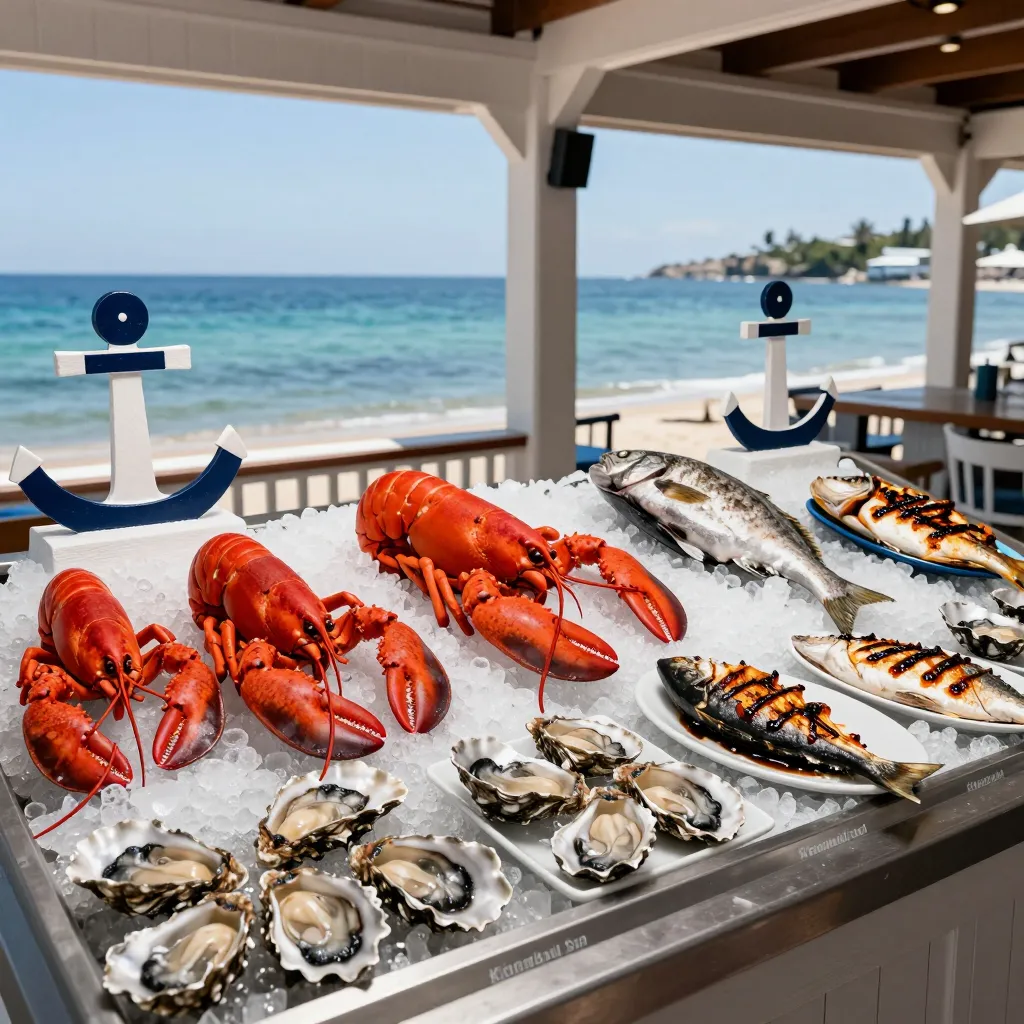
Why Digital Menus Are Essential for Modern Seafood Restaurants
Seafood restaurants face unique challenges in the digital age. The perishable nature of fresh catch, fluctuating prices, and the need for absolute transparency regarding sourcing make the traditional paper menu a logistical nightmare. Up to 40% of restaurants report that updating printed menus after a price change or supply shift leads to customer complaints and lost trust. A digital QR menu solves this by allowing real-time updates to prices and availability without reprinting costs. Furthermore, the environmental impact is significant; the seafood industry is already scrutinized for sustainability, and adding paper waste to the equation contradicts the eco-friendly ethos of many coastal eateries. By switching to a digital platform like upQR, you immediately align your business with green values, eliminating thousands of sheets of paper annually.
Transparency is another pillar of the seafood industry. Customers increasingly demand to know the origin of their fish, whether it was caught sustainably, and what the specific ingredients are. A static paper menu often lacks space for detailed allergen warnings or sourcing stories. A digital menu, however, can expand dynamically to show high-resolution images of the catch, detailed ingredient lists, and even links to certifications like MSC or ASC. This level of honesty builds trust, encouraging diners to order more confidently and feel good about their choices.
Structuring Your Digital Menu for Optimal User Experience
When designing a digital menu for QR code ordering, the layout must be intuitive. Unlike a printed menu where customers can flip pages, a digital interface requires clear navigation. Start with a clean, mobile-first design. The first thing a customer sees on a smartphone should be the most popular items or daily specials, as these drive impulse orders. Organize categories logically: Starters, Soups, Fish of the Day, Shellfish, and Seafood Platters. Avoid cluttering the screen with too many items; if you have over 50 dishes, consider adding a "View All" button or filtering by dietary needs like "Gluten-Free" or "Paleo."
Navigation is key. Ensure that the menu works seamlessly on various screen sizes, from large tablets to small phones. Use a sticky header so customers can always access the menu categories without scrolling endlessly. For seafood restaurants, visual appeal is paramount. Use high-quality, high-resolution photos of your dishes. However, avoid misleading edits; the photo should represent exactly what the customer will receive. This adherence to honesty prevents disappointment and returns. Additionally, include a clear section for allergens. Seafood is a major allergen for many, and a dedicated, easily accessible section detailing cross-contamination risks or specific shellfish allergies can save a life and demonstrate your commitment to safety.
Maximizing Sustainability and Reducing Operational Waste
The transition to a digital menu is not just about convenience; it is a powerful statement of sustainability. Traditional menus are often discarded immediately after use, contributing to landfill waste. In a seafood restaurant, where the product itself is natural and often associated with the ocean, the last thing you want is to be accused of environmental negligence. A digital menu hosted on upQR allows you to showcase your sustainability initiatives directly on the screen. You can feature a "Sustainability Story" section that explains how your fish is sourced, perhaps highlighting local fishermen or specific eco-friendly fishing methods.
Consider the operational side as well. Printing menus is a recurring expense that involves ink, paper, and the energy used to produce them. By going digital, you reduce these costs and the carbon footprint associated with supply chains. Moreover, digital menus allow for dynamic pricing. If the price of crab fluctuates due to fuel costs or supply issues, you can update the menu instantly. This flexibility ensures that your pricing is always accurate, avoiding the confusion of seeing a price on the menu that doesn't match the bill. It also allows you to promote seasonal items more effectively, encouraging customers to try new, sustainable catches rather than sticking to a static list of popular items that might not be fresh.
Enhancing Transparency with Detailed Ingredient and Origin Data
Transparency is the golden rule of the seafood industry, and a digital menu is the perfect vehicle to deliver it. Customers are no longer satisfied with vague descriptions like "Grilled Fish." They want to know the species, the preparation method, and the specific ingredients used in the sauce. On your upQR menu, you can dedicate a significant portion of the item description to these details. For example, instead of just "Lobster Tail," write "Fresh Maine Lobster Tail, grilled with butter, garlic, and fresh parsley, served with seasonal vegetables."
Include a dedicated "Our Promise" or "Sourcing" page within the digital menu. This space is invaluable for explaining your commitment to zero waste, local sourcing, and ethical practices. You can list the specific fishermen you work with or the regions where your catch originates. This educational approach turns the menu into a marketing tool that builds brand loyalty. When a customer scans the QR code, they are entering a space of trust. By providing full ingredient lists and allergen information prominently displayed, you show that you have nothing to hide. This honesty resonates deeply with modern diners who are often wary of hidden costs and misleading claims. It also helps reduce food waste; when customers know exactly what they are ordering, they are less likely to order something they cannot eat and more likely to appreciate the quality of the ingredients.
Strategies to Increase Average Order Value and Reduce Waste
Designing a digital menu offers unique opportunities to boost revenue and reduce food waste simultaneously. One effective strategy is the use of smart recommendations. Based on the dish a customer is viewing, the system can suggest pairings, such as a specific wine or a side of fries that complements the seafood. These suggestions should be subtle, not pushy, appearing as "Chef's Recommendation" or "Pairs Well With." This increases the average check size without making the customer feel pressured.
Another powerful feature is the ability to highlight "Chef's Specials" or "Today's Catch." Seafood availability can be unpredictable; a digital menu allows you to pivot quickly. If you have a surplus of a particular fish, you can feature it prominently with a discount or a special preparation note, ensuring that the ingredient is sold rather than thrown away. Conversely, if a specific item is low in stock, you can mark it as "Limited Availability" to manage expectations and prevent ordering errors. This dynamic management of inventory directly translates to cost savings and a greener operation. Additionally, you can implement loyalty programs directly within the QR menu interface. Offering points for every order or a digital coupon for trying a new dish encourages repeat visits and helps you gather valuable data on customer preferences, further refining your menu offerings over time.
Conclusion: Embracing the Future of Seafood Dining
Designing a seafood restaurant menu for QR code ordering is more than a technical upgrade; it is a strategic move that enhances customer experience, promotes sustainability, and ensures operational efficiency. By leveraging a platform like upQR, you gain the ability to be transparent, honest, and environmentally responsible. You eliminate the waste of paper, provide customers with the detailed information they crave, and create a seamless ordering experience that works on any device. The result is a restaurant that stands out in a crowded market, one that respects its ingredients and its customers. Whether you are a small coastal bistro or a large seafood chain, the transition to a digital menu is the smartest investment you can make for the future of your business. Start today, update your content, and watch your customer satisfaction and sustainability scores rise together.
Related Posts
Ready to create your digital menu?
Create your QR menu in minutes and reach your customers in any language.
