
How to Create a Tourist-Friendly QR Menu in Multiple Languages
Learn to build a multilingual QR menu that breaks language barriers, boosts sales, and enhances the dining experience for international visitors.
Why Multilingual Menus Are Essential for Tourism-Heavy Locations
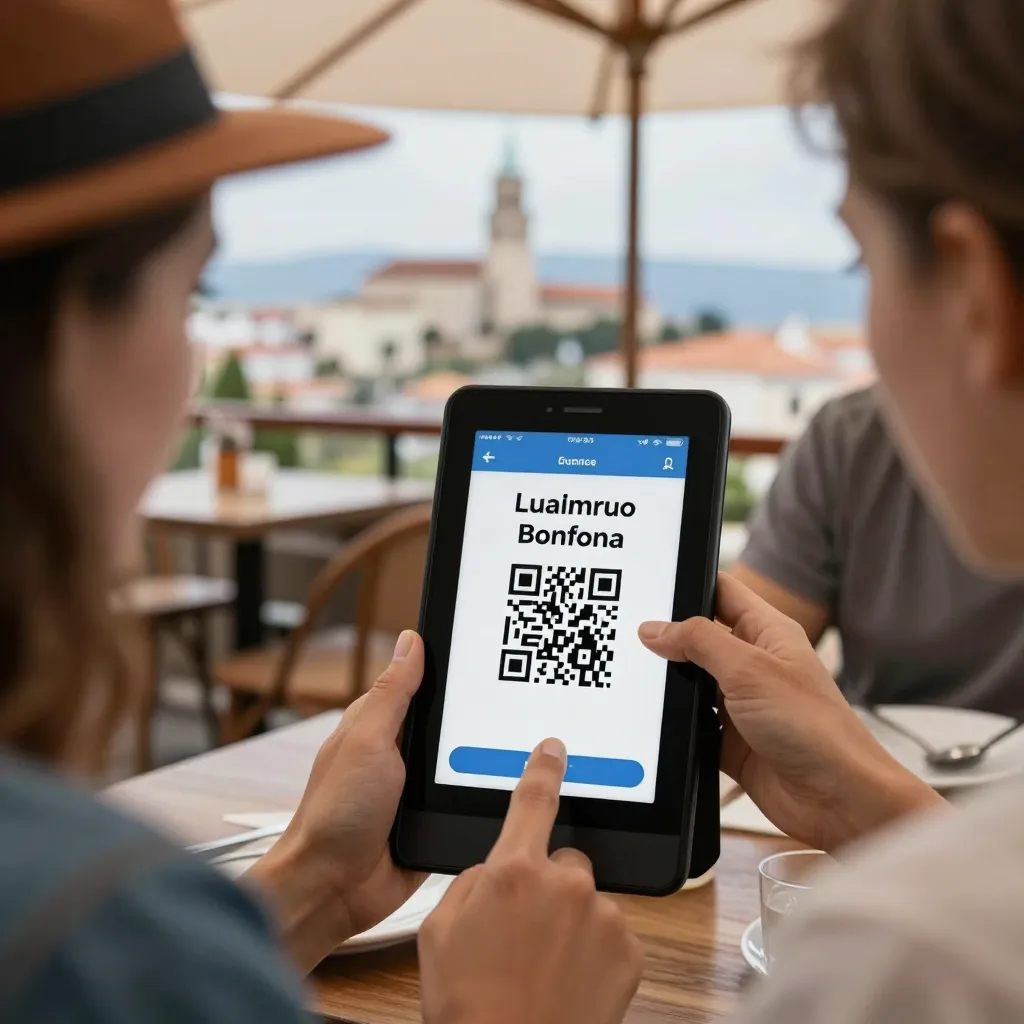
Imagine a traveler arriving at your restaurant after a long flight, eager to try local cuisine but immediately halted by a wall of text in a language they do not speak. This scenario represents a significant missed opportunity for hospitality businesses in tourist destinations. According to recent hospitality industry reports, nearly 60% of international travelers prefer destinations where they feel welcome and understood, yet many establishments fail to provide the basic accessibility of a translated menu. A multilingual QR menu is not merely a convenience; it is a critical tool for inclusivity and revenue protection.
For restaurant owners and cafe managers in high-traffic tourist zones, the ability to communicate in multiple languages directly impacts customer satisfaction and conversion rates. When a guest can instantly read ingredients, prices, and descriptions in their native tongue, trust is established before the first bite is taken. This transparency eliminates the fear of hidden allergens or unexpected costs, aligning perfectly with the modern consumer's demand for honesty and accuracy. By leveraging a digital platform like upQR, businesses can effortlessly switch between English, Spanish, French, German, and more, ensuring that no customer feels excluded due to a language barrier.
Strategic Steps to Build an Effective Multilingual Digital Menu
Creating a truly tourist-friendly menu requires more than just a simple translation tool; it demands a strategic approach to content management. The first step is inventorying your core menu items and creating distinct versions for each target language. However, avoid the pitfall of using automated, robotic translation services which often miss cultural nuances and lead to awkward phrasing. Instead, opt for professional translation services or native speakers who understand both the culinary terms and the cultural context of the dish.
Once your content is ready, the next step is organizing the user experience. Your digital menu should feature a clear language selector at the very top of the screen, accessible immediately upon scanning the QR code. This should be a dropdown menu or a grid of flags that allows users to instantly switch to their preferred language. It is crucial to ensure that the translation is consistent across all pages. If a specific dish is described as "grilled salmon" in English, it must be accurately described as "salmón a la parrilla" in Spanish and "saumon grillé" in French, not just a literal word-for-word substitution that loses meaning.
Furthermore, consider the visual hierarchy. Keep the design clean so that text remains legible regardless of the language selected. Some languages have longer words or different character sets (like Cyrillic or Chinese characters) that may require slightly wider spacing. A flexible digital menu system handles these adjustments automatically, ensuring that the layout never breaks or becomes unreadable. This attention to detail demonstrates a high level of professionalism and care for your guests, reinforcing the value of your brand.
Optimizing Content for Universal Accessibility and Dietary Needs
A multilingual menu is only half the battle; it must also address the dietary needs of a diverse global audience. Tourists often have specific dietary restrictions, such as gluten intolerance, vegan preferences, or religious observances like Halal or Kosher. In a physical paper menu, this information is often buried or inconsistent. In a digital environment, you can use bolding, icons, and specific tags to highlight these details in every language.
For example, if you offer a gluten-free option, the digital menu can clearly mark it with a universally recognized icon and the phrase "Gluten Free" in English, "Sans Gluten" in French, and "Glutenfrei" in German. This level of transparency is a core value of the upQR platform, ensuring that customers know exactly what they are ordering. It removes the anxiety of accidentally consuming allergens and allows guests to make informed decisions quickly.
Another practical tip is to include pronunciation guides for difficult local dish names. Many tourists want to order local specialties but hesitate because they cannot pronounce the name or understand what it entails. A small audio icon or a phonetic spelling next to the dish name in the customer's language can bridge this gap. This small addition goes a long way in making the dining experience feel welcoming and educational. It transforms the menu from a simple list of food into a cultural guide, encouraging guests to try new things with confidence.
Enhancing the Experience with Localized Imagery and Cultural Context
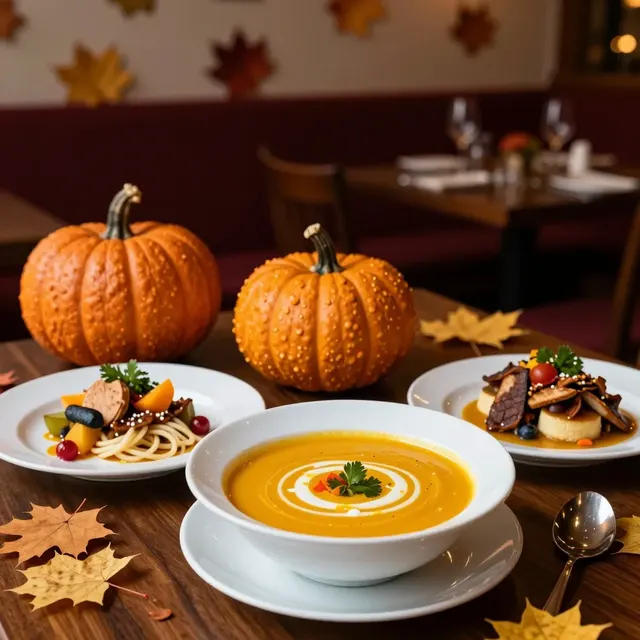
Language is just one layer of communication; culture is the other. When localizing your menu for tourists, do not simply translate the text; adapt the imagery and context as well. High-quality, accurate photos are essential, especially when language barriers exist. A picture of a vibrant, steaming bowl of pho or a perfectly grilled steak can speak louder than any description. However, ensure that the photos match the actual product to maintain the promise of honesty and accuracy that modern diners expect.
Consider adding brief cultural notes or stories about your dishes in the selected language. Explaining that a specific spice blend is traditional to the region or that a dish is best enjoyed with a certain type of bread adds depth to the menu. For instance, if you serve a traditional curry, a short description in the guest's language explaining the historical significance of the spice can make the meal feel like an authentic journey. This storytelling approach enhances the perceived value of the food and creates a memorable experience that tourists are likely to share on social media.
It is also important to localize the pricing display. While the currency should remain consistent (e.g., USD or EUR), ensure that the format is familiar to the region. Some countries use commas for decimals, while others use periods. A smart digital menu system should handle these formatting differences automatically to prevent confusion. Additionally, if you offer special tourist promotions or happy hour deals, clearly highlight these in all supported languages to drive additional sales during peak travel seasons.
Leveraging Technology for Real-Time Updates and Analytics
One of the greatest advantages of a digital QR menu over a printed one is the ability to update content in real-time. If a dish is out of stock, you can remove it instantly from the menu in all languages, preventing disappointed customers and kitchen errors. This functionality is particularly useful during seasonal changes when menu items rotate. You can quickly swap summer salads for winter soups and ensure that the translations are updated alongside the product changes.
Furthermore, digital menus provide valuable analytics that can inform your business strategy. You can track which languages are most frequently selected by your customers. If you notice that 40% of your traffic is switching to Spanish, it might be time to invest in more specific Spanish marketing or even hire a Spanish-speaking server to assist those guests. These insights help you tailor your offerings to the actual demographics of your tourist flow, ensuring that your resources are allocated effectively.
Integration with inventory management systems is another key feature to look for. If your stock of a specific ingredient runs low, the menu can automatically flag the dish as "temporarily unavailable" in the relevant language. This level of operational efficiency reduces waste and ensures that your kitchen team is never asked to prepare a dish that cannot be fulfilled. The upQR platform exemplifies this kind of integrated, user-centric technology, providing a seamless experience for both the staff and the guest.
Conclusion
Creating a tourist-friendly QR menu in multiple languages is a strategic investment that pays dividends in customer loyalty and revenue. By breaking down language barriers, providing transparent ingredient information, and adapting to cultural nuances, your restaurant becomes a welcoming destination for travelers from around the world. The combination of professional translation, localized imagery, and real-time management capabilities transforms a simple menu into a powerful marketing tool.
Whether you are managing a bustling cafe in a major city or a quaint bistro in a heritage town, the ability to communicate with your guests in their native tongue sets you apart from competitors who rely on outdated paper menus. Embrace the technology that supports these values-sustainability through digital paperless operations, transparency in pricing and ingredients, and universal access for every guest. Platforms like upQR are designed to make this transition seamless, offering the tools needed to create an inclusive, honest, and engaging dining experience that leaves a lasting impression on every visitor.
Related Posts
Ready to create your digital menu?
Create your QR menu in minutes and reach your customers in any language.