How to Create Seasonal Menus That Excite Customers
Discover proven strategies to design seasonal menus that boost sales, reduce waste, and keep diners coming back for more with upQR.
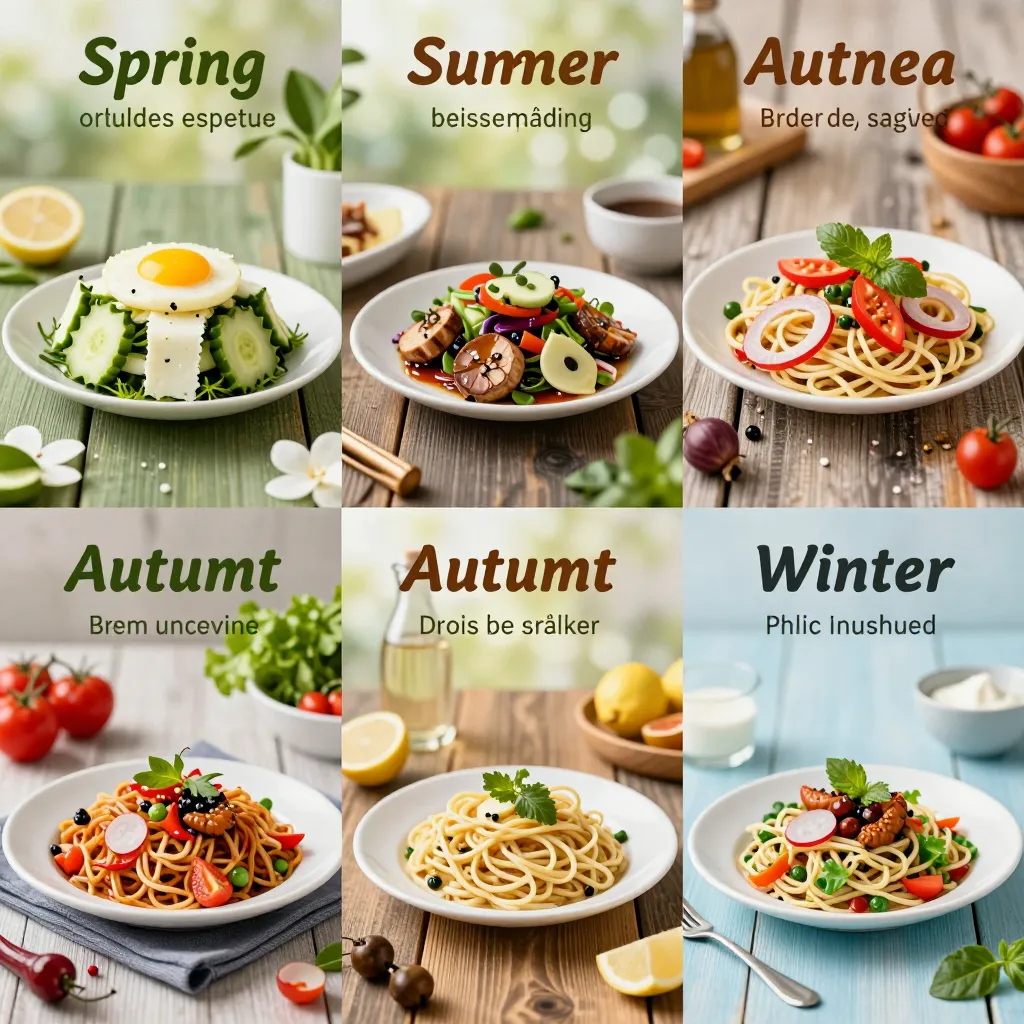
Why Seasonal Menus Are Essential for Modern Restaurants
In the competitive landscape of the food service industry, standing out is not just about great food; it is about storytelling and relevance. Seasonal menus allow restaurants to align their offerings with the natural rhythms of the year, creating a sense of urgency and excitement that static menus cannot match. According to industry data, restaurants that update their menus seasonally see a significant increase in customer engagement and average check size. When a customer sees a dish made with "summer-harvested strawberries" or "winter-foraged mushrooms," they are not just buying a meal; they are participating in a narrative about freshness and locality.
Furthermore, seasonal menus are a powerful tool for inventory management. By planning dishes around what is currently in peak supply, chefs can often secure produce at lower costs, directly improving profit margins. This strategy also minimizes food waste, as ingredients are used at their peak ripeness before they need to be discarded. For restaurant owners and cafe managers, adopting a seasonal approach is not merely a culinary trend but a strategic business decision that enhances operational efficiency and brand perception. It signals to the diner that the establishment is attentive, dynamic, and deeply connected to its community and environment.
Strategic Planning: Aligning Inventory with Customer Desire
Creating a successful seasonal menu begins long before the first ingredient is chopped. It requires a collaborative effort between the owner, the chef, and the purchasing team. The first step is a thorough audit of current inventory and supplier relationships. Are there specific local farms that are currently overflowing with a particular crop? Can you negotiate a bulk rate on a seasonal item that will define your menu for the next month? Understanding the supply chain is crucial. For instance, if a local orchard is releasing a surplus of apples in October, your menu should pivot immediately to showcase apple cider, pies, and roasted pork, rather than trying to force apples into a summer salad concept.
Equally important is analyzing customer desire. What are people craving when the temperature drops? When the humidity rises? Data suggests that customers often crave comfort food and hearty, warming dishes during colder months, while they seek light, refreshing, and hydrating options in the summer. However, the best seasonal menus offer a balance. A winter menu might feature a rich, slow-cooked stew, but it should also include a vibrant, citrus-forward salad to cut through the heaviness. The key is to create a menu that feels inevitable, as if you simply had to offer these items at this specific time of year. This psychological connection makes the dining experience feel special and curated, rather than generic.
Designing for Digital: Maximizing Impact on QR Menus
In the era of digital dining, the way you present your seasonal menu on a QR code can make or break its success. Platforms like upQR offer dynamic capabilities that static paper menus simply cannot match. One of the most powerful features is the ability to highlight specific items. You can place a bright red banner across the top of your digital menu stating, "This week's seasonal special is the Butternut Squash Risotto." This draws the eye immediately and guides the customer's decision-making process. Without a digital platform, this information would have to be printed on a new page every week, leading to waste and confusion.
Dynamic QR menus also allow for real-time updates. If a supplier delivers a particularly high-quality batch of asparagus, you can feature it as a "chef's pick" immediately. Conversely, if an item is selling out faster than expected, you can temporarily hide it or add a note about availability. This level of agility is essential for maintaining the excitement around your seasonal offerings. Additionally, you can integrate high-resolution imagery directly into the menu. Seeing a mouth-watering photo of a fresh berry tart on a phone screen stimulates appetite more effectively than a simple text description. The digital format also allows you to tell the story of the ingredient. You can add a small blurb next to a seasonal dish explaining where the produce was sourced, adding a layer of transparency and value that modern diners appreciate.
Engaging Customers with Storytelling and Limited-Time Offers
The psychology behind a seasonal menu relies heavily on the concept of scarcity. When a menu item is labeled as "available only for this month" or "while supplies last," it triggers a fear of missing out (FOMO) that drives impulse purchases. This is why limited-time offers (LTOs) are so effective in the restaurant industry. They create a conversation starter between the server and the guest, or between the customer and their dining companion. "Have you tried the seasonal truffle pasta? It's gone by Friday!" is a powerful sales pitch that feels authentic and helpful.
Storytelling is the vehicle that delivers this scarcity message. Every seasonal item should have a narrative. Why is this ingredient special? How did it get from the farm to your kitchen? Did the chef visit the market to select it personally? Sharing these details builds an emotional connection with the diner. For example, instead of just listing "Roasted Root Vegetables," describe it as "A medley of local carrots, parsnips, and turnips, roasted to perfection with herbs from our own garden." This transforms a simple vegetable side into a destination experience. Customers are more willing to try new things when they feel they are supporting a story and a local economy. This approach not only boosts sales but also fosters loyalty, as diners feel they are part of a larger, meaningful ecosystem.
Implementation Tips for Seamless Menu Transitions
Transitioning from one seasonal menu to another can be a logistical challenge. The goal is to ensure that the shift feels natural and exciting rather than disruptive. Start the transition period two weeks in advance. Begin subtly introducing elements of the upcoming season while keeping the core items of the current season. This gives the kitchen time to adjust to new ingredients and the staff time to learn the new descriptions and pricing. Communication is key; ensure that your entire team understands the concept behind the new menu so they can speak passionately about it to customers.
Another critical aspect is the visual presentation. If you are using a digital menu system like upQR, you can update the color scheme or background image to reflect the season. A crisp white background for spring, warm earth tones for autumn, and cool blues for winter can subconsciously influence the mood of the dining room. Don't forget to update your social media channels simultaneously. A photo of the new menu items posted on Instagram or Facebook two days before the launch builds anticipation. Encourage your staff to take photos of the new dishes and share them on their personal social media, tagging your restaurant. This creates a buzz before the menu even hits the QR code, ensuring that when customers scan the code, they are already excited about what they will see.
Leveraging Data to Refine Future Menus
One of the greatest advantages of using a digital QR menu platform is the ability to track performance in real-time. UpQR provides analytics that show you exactly which seasonal items are performing well and which are lagging. Are customers ordering the seasonal fish more often than the seasonal chicken? Do they skip the dessert entirely? These insights are invaluable for refining your future menus. If a particular seasonal item consistently underperforms, you can tweak the recipe, adjust the price, or reposition it on the menu. If an item is a hit, you can feature it more prominently or even make it a permanent fixture with a seasonal twist.
Data also helps you understand customer preferences over time. You might find that your customers are increasingly interested in plant-based seasonal options, prompting you to expand your vegetable-forward offerings. Or, you might notice that a specific flavor profile, like spicy or smoky, resonates more during the holiday season. By leveraging these insights, you are not just guessing what to cook next; you are making informed decisions based on actual customer behavior. This data-driven approach ensures that your seasonal menus remain relevant and profitable year after year. It allows you to pivot quickly in response to changing trends, keeping your restaurant ahead of the curve rather than reacting to it.
Conclusion
Creating seasonal menus is an art form that blends culinary skill, strategic planning, and psychological insight. It is about creating an experience that changes with the light, the weather, and the mood of the community. By leveraging the power of digital tools, you can amplify the impact of these seasonal shifts, making them more engaging and accessible to your customers. Platforms like upQR provide the flexibility needed to execute these strategies with precision, allowing you to highlight specials, tell compelling stories, and adapt to feedback instantly. When done right, seasonal menus do more than just feed customers; they build a loyal community around your brand, ensuring that every visit feels like a fresh discovery. Embrace the changing seasons and watch your restaurant thrive with excitement and culinary excellence.
Related Posts
Ready to create your digital menu?
Create your QR menu in minutes and reach your customers in any language.
