Top QR Menu Features for Outdoor Dining & Terraces
Discover essential QR menu features that boost outdoor dining success, enhance guest experience, and streamline operations for terrace restaurants.
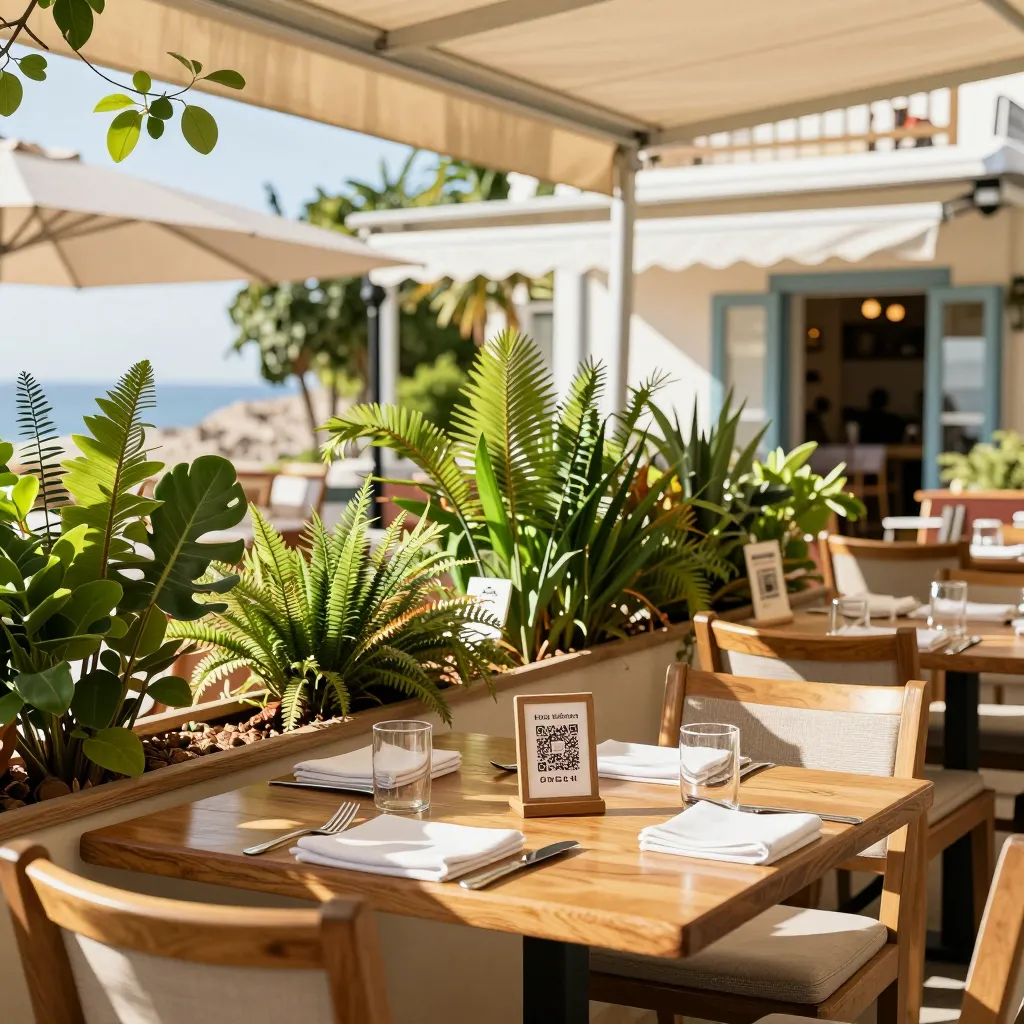
Why Outdoor Dining Needs Specialized QR Menu Features
Outdoor dining and terrace restaurants face unique challenges that indoor venues do not encounter. From fluctuating sunlight and wind to varying temperatures and noise levels, the outdoor environment demands a digital menu solution that is robust, accessible, and user-friendly. A standard digital menu might work indoors, but it often fails when placed on a wet table in the rain or viewed through direct sunlight on a busy summer afternoon.
According to recent hospitality industry reports, outdoor dining revenue has seen significant growth post-pandemic, with many restaurants relying on it for up to 40% of their total sales. However, this shift requires a technological upgrade. The best QR menu features for outdoor settings must address environmental factors, accessibility requirements, and operational efficiency. Features like auto-dimming screens, weather-resistant design, and high-contrast text are not just luxuries; they are necessities for maintaining a seamless dining experience.
When customers sit at an outdoor table, they are often exposed to distractions. A QR menu that loads instantly, is easy to navigate with one hand, and clearly displays allergen information can make the difference between a satisfied guest and one who leaves frustrated. For restaurant owners, choosing a platform that supports these specific needs is crucial for retaining customers and maximizing revenue during peak outdoor seasons.
High-Visibility Design: Beating Sunlight and Glare
One of the most common complaints from outdoor diners is the inability to read a menu due to glare from the sun. This is particularly true for terraces facing south or west, where the sun hits tables directly in the late afternoon. Standard white backgrounds with black text, while simple, can become washed out under bright sunlight, rendering the menu unreadable.
The best QR menu features for outdoor dining include adaptive brightness and high-contrast design options. A platform like upQR allows restaurant owners to customize their digital menus with dark mode themes or high-contrast color palettes that remain legible even in direct sunlight. For instance, using a dark background with light text can significantly reduce eye strain for guests sitting under the midday sun.
Furthermore, the layout of the digital menu plays a critical role in visibility. Outdoor menus should prioritize large, clear fonts and concise descriptions. Complex typography or tiny images can be difficult to read from a distance or in bright light. By utilizing features that automatically adjust text size or offer a "simplified view" for outdoor settings, restaurants can ensure that every guest, regardless of their seating location, can easily browse the offerings. This attention to detail demonstrates a commitment to customer comfort and inclusivity, aligning with the core value of universal access.
Weather-Resistant Technology and Durable Infrastructure
Outdoor dining is inherently exposed to the elements. Rain, wind, and humidity can damage physical paper menus and, if not properly managed, can disrupt digital access. While the QR code itself is printed on durable materials, the experience of accessing the menu via a smartphone must be seamless even in adverse weather conditions.
Restaurants need to consider the infrastructure supporting the QR menu. The best solutions include weather-resistant mounting systems that protect the QR code from rain and wind while remaining easily accessible. Additionally, the digital platform itself should be optimized for fast loading times, even when a guest's connection is slightly slower due to weather interference or network congestion.
UpQR, for example, offers robust hosting that ensures menus load quickly and reliably, minimizing downtime. This reliability is crucial during sudden weather changes. If a storm rolls in, guests should still be able to order their drinks or check the status of their food without frustration. The ability to quickly update prices or remove items that are unavailable due to weather-related supply chain issues is another vital feature. Transparency in how the menu handles these disruptions builds trust with customers, ensuring they feel informed and valued regardless of the forecast.
Enhancing Accessibility for Diverse Dining Needs
Outdoor dining spaces are often more diverse in terms of the clientele, attracting people from various backgrounds who may have different dietary needs or language barriers. A digital menu provides an unparalleled opportunity to showcase inclusivity, a core value that upQR champions. Features like multi-language support and detailed allergen filtering are essential for outdoor venues that serve a broad community.
Imagine a terrace restaurant in a tourist area where guests speak English, Spanish, and French. A QR menu with built-in translation features allows these guests to navigate the menu in their native language, removing the barrier of understanding complex culinary terms. Similarly, guests with dietary restrictions, such as gluten intolerance or nut allergies, can instantly filter the menu to see only safe options. This level of transparency ensures that no guest feels excluded or worried about accidentally consuming something harmful.
Accessibility also extends to visual and auditory needs. High-contrast text, as mentioned earlier, helps those with vision impairments. Some advanced platforms even offer screen reader compatibility, allowing visually impaired guests to navigate the menu using voice commands. By integrating these features, outdoor dining establishments can welcome everyone, fostering a sense of belonging and community. This approach not only complies with legal accessibility standards but also goes above and beyond to create a welcoming atmosphere for all guests.
Operational Efficiency: Managing Large Groups and Events
Outdoor dining is often associated with special occasions, large groups, and seasonal events. Managing orders for a large group sitting at an outdoor table can be logistically challenging. Paper menus can get lost, and waiters may struggle to take accurate notes in a noisy environment. A well-designed QR menu system streamlines this process, reducing errors and speeding up service.
Key features for handling outdoor events include the ability to send pre-order links via email or SMS, allowing guests to browse and order before they even arrive at the table. This is particularly useful for large outdoor events where seating is limited. The system can also handle split bills effortlessly, a common request when friends and family gather at a terrace. Guests can order individually and pay separately, which is convenient and reduces the pressure on the service staff.
Real-world examples show that restaurants using these features see a significant reduction in order errors. For instance, a busy summer festival might see hundreds of guests arriving simultaneously. With a robust QR menu system, each guest can place their order independently, and the kitchen receives orders in real-time. This efficiency prevents bottlenecks and ensures that food is delivered promptly, even during peak hours. The ability to track order status in real-time also keeps guests informed, reducing anxiety and enhancing the overall dining experience.
Marketing and Engagement: Turning Tables into Touchpoints
Outdoor dining presents a unique marketing opportunity. The space is open, visible, and often part of the city's social fabric. A QR menu is not just a tool for ordering; it is a marketing asset that can engage customers and promote the brand. Features like interactive storytelling, video backgrounds, and promotional pop-ups can transform a simple menu into an immersive experience.
Restaurants can use the digital menu to highlight local partnerships, showcase the source of their ingredients, or promote sustainability initiatives. For example, a terrace restaurant could feature a video loop showing the farmers who supply their produce, reinforcing their commitment to environmental consciousness. This transparency resonates with modern consumers who value honesty and sustainability.
Furthermore, the QR menu can be used to gather valuable data. By analyzing which items are most popular or where guests pause the longest, owners can gain insights into customer preferences and optimize their offerings. Promotional offers, such as "happy hour" discounts or loyalty program sign-ups, can be easily integrated into the menu interface, encouraging repeat visits and increasing average order value. When done tastefully, these features enhance the dining experience rather than cluttering it, ensuring that the focus remains on the food and the atmosphere.
Conclusion
Outdoor dining and terrace restaurants operate in a dynamic environment that requires more than just a simple list of food items. The best QR menu features for these settings must prioritize visibility, durability, accessibility, operational efficiency, and engagement. By investing in a platform that offers these capabilities, restaurant owners can overcome the unique challenges of outdoor service and provide a superior experience for their guests.
upQR stands out as a leading solution that embodies these principles. With its focus on transparency, environmental sustainability, and universal access, upQR empowers restaurants to create a seamless digital dining experience that adapts to the outdoors. Whether it is beating the glare of the sun, accommodating diverse dietary needs, or managing large events, upQR provides the tools necessary to thrive in the competitive landscape of outdoor dining. Embracing these advanced features is not just about keeping up with technology; it is about honoring the values of honesty, sustainability, and inclusivity that define the best dining experiences today.
Related Posts

Ready to create your digital menu?
Create your QR menu in minutes and reach your customers in any language.
