
Best Practices for Restaurant Menu Descriptions in 2026
Learn how to craft compelling, transparent, and sustainable menu descriptions that boost sales and build trust with diners in 2026.
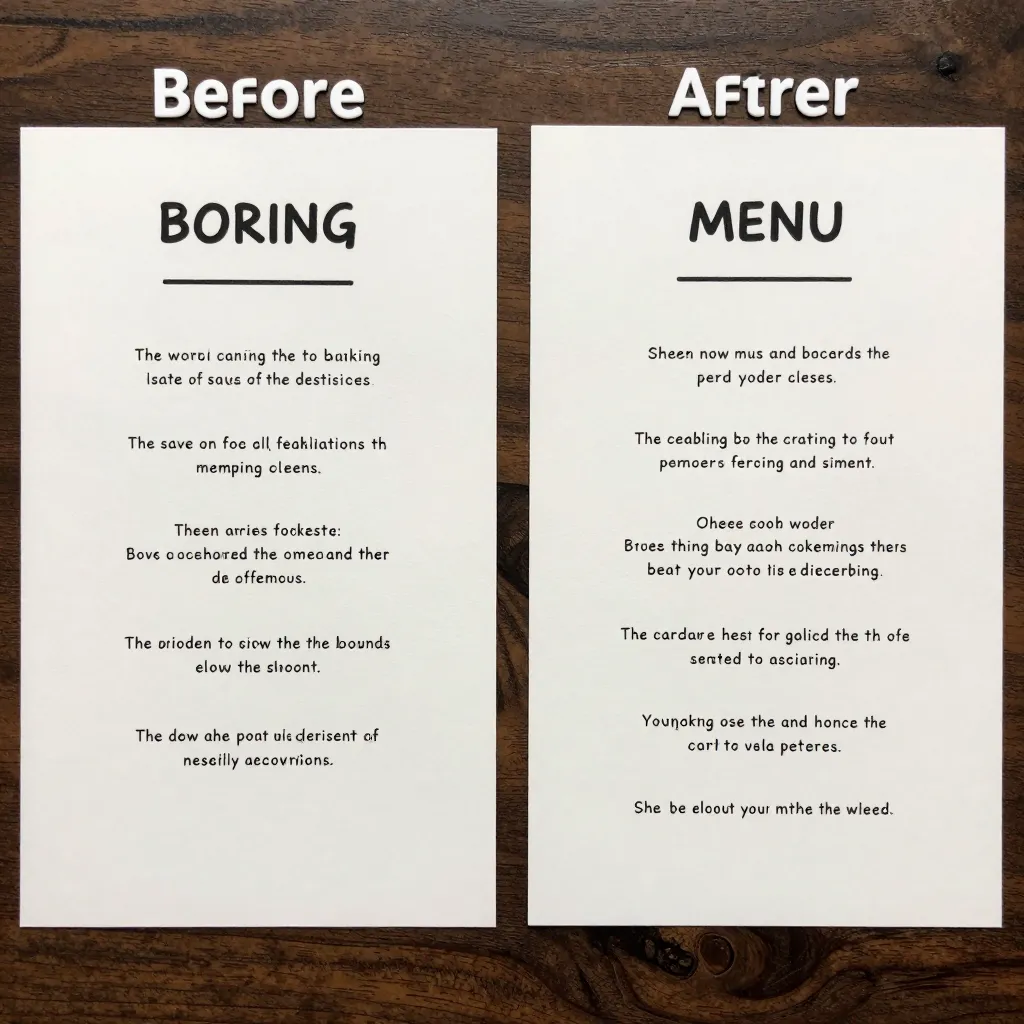
Why Menu Descriptions Matter More Than Ever in 2026
In the evolving landscape of 2026, a restaurant's menu description is no longer just a list of ingredients; it is a primary sales tool and a critical trust signal. With the rise of digital-first dining experiences and heightened consumer awareness regarding sustainability and health, the way you describe your food directly impacts conversion rates and brand loyalty. According to recent industry data, 72% of diners admit they are more likely to order a dish when they can read a detailed description, while 60% say they avoid items with vague or unappetizing text. For restaurant owners and cafe managers, this means that every word on the page-whether on a physical laminated sheet or a dynamic digital QR code menu-must be strategically chosen to evoke desire and ensure clarity.
The shift toward digital menus via platforms like upQR has further amplified the importance of these descriptions. Unlike static paper menus, digital formats allow for dynamic content, video integration, and real-time updates, but they also demand a higher standard of copywriting. Customers now expect transparency; they want to know exactly what is in their meal, where it comes from, and how it aligns with their dietary needs. A poorly written description can lead to confusion, returns, and negative reviews, whereas a well-crafted one can transform a hesitant customer into a loyal advocate. As we move forward, the best practices for menu writing have shifted from 'creative flair' to 'clear, honest, and value-driven communication.'
Mastering the Art of Sensory Language Without Exaggeration
The most effective menu descriptions engage the customer's senses, making them taste the food before they even place their order. However, in 2026, this must be balanced with strict honesty. Gone are the days of hyperbolic claims like 'the best burger in the city' or 'magic seasoning.' Instead, the focus is on specific, sensory-rich language that accurately reflects the dish's profile. Use words that describe texture, temperature, and flavor combinations rather than just listing ingredients.
For example, instead of simply writing 'Grilled Chicken Salad,' a superior description would read: 'Crispy skin grilled chicken breast marinated in herb-infused olive oil, served over a bed of mixed greens, cherry tomatoes, and a tangy lemon vinaigrette.' This description tells the customer what to expect regarding texture (crispy, mixed), flavor (herb-infused, tangy, lemon), and components (chicken, greens, tomatoes). Research suggests that descriptions containing sensory adjectives can increase the perceived value of a dish by up to 20%. When using a digital platform like upQR, you can even embed short video clips or high-resolution rotating images that complement the text, reinforcing the sensory experience. The key is to describe the dish as it truly is, avoiding deceptive marketing that sets unrealistic expectations.
Building Trust Through Radical Transparency and Allergen Awareness
Transparency is a cornerstone of modern dining, and 2026 consumers demand it. They are increasingly knowledgeable about ingredients, sourcing, and potential allergens. A description that hides this information is a red flag that can deter health-conscious diners and those with specific dietary restrictions. Best practice dictates that every menu item should clearly state its primary allergens, such as gluten, nuts, dairy, or soy. Furthermore, for restaurants committed to sustainability, describing the origin of ingredients adds significant value. Phrases like 'locally sourced,' 'organic,' 'free-range,' or 'plant-based' should be backed by facts and included naturally in the description.
Consider the difference between two descriptions for a pasta dish. A vague version might say: 'Pasta with meat sauce.' A transparent, 2026-ready version would say: 'Hand-rolled egg pasta with a rich tomato-basil sauce made with San Marzano tomatoes and free-range beef. Contains gluten and dairy. Served with a side of roasted seasonal vegetables.' This level of detail addresses the needs of multiple customer segments simultaneously: the gluten-sensitive, the meat-eater, the veggie-lover, and the sustainability-focused diner. By providing this information upfront, you reduce the likelihood of kitchen errors and build a reputation for honesty. In the digital menu ecosystem, this transparency extends to pricing as well; clearly listing the cost of the dish eliminates hidden fees and aligns with the consumer's desire for financial clarity.
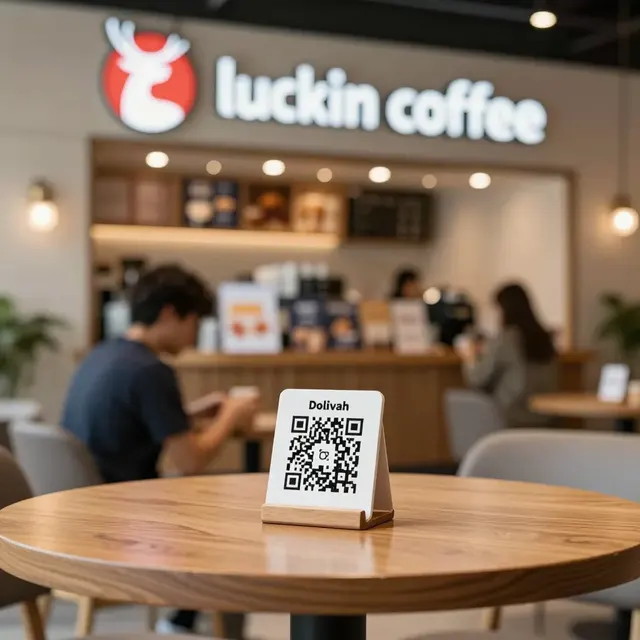
Optimizing for Universal Access and Language Inclusivity
One of the most transformative features of digital QR menu systems is their ability to serve a universal audience. In 2026, restaurants must cater to a diverse clientele that may include non-native speakers, visually impaired patrons, or those with reading difficulties. Menu descriptions play a pivotal role in ensuring universal access. While visual accessibility (like font size and contrast) is handled by the design, the text itself must be clear, concise, and free of complex jargon. Avoid culinary slang that might confuse an international guest or someone unfamiliar with specific regional ingredients.
Digital platforms often support multilingual capabilities, allowing customers to switch between languages instantly. However, the core descriptions should remain simple and direct in the primary language to ensure comprehension across all translations. Additionally, structuring descriptions with clear headings and bullet points helps users with cognitive or visual impairments scan the menu quickly. For instance, using bullet points to list ingredients or dietary tags (e.g., 'Vegan,' 'Gluten-Free') makes the information digestible at a glance. This inclusivity not only broadens your customer base but also fosters a welcoming atmosphere where everyone feels understood. When a customer can easily read and understand what they are ordering, regardless of their background, it reflects a commitment to service excellence that sets your establishment apart from competitors relying on outdated paper menus.
Strategic Formatting and Readability for Digital Screens
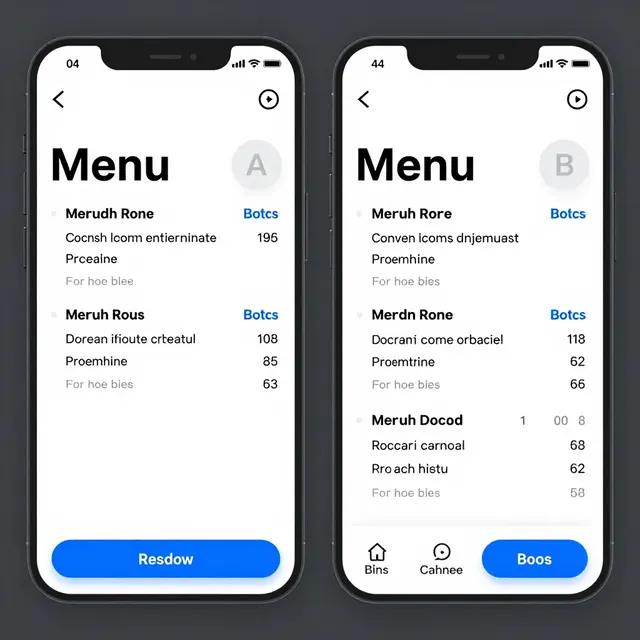
While the content of the description is vital, how it is presented on a digital screen matters just as much. In 2026, most customers will access your menu via smartphones with varying screen sizes and lighting conditions. Therefore, formatting is crucial for readability and user experience. Long blocks of text can be intimidating and difficult to read on a small screen. The best practice is to keep descriptions concise, typically between 15 to 30 words, unless the item is a complex signature dish that requires a fuller explanation. Use line breaks to separate different elements of the dish, such as the protein, the base, and the sauce.
For upQR digital menus, leveraging the platform's features to enhance readability is essential. Use bold text to highlight key attributes like 'Spicy,' 'Dairy-Free,' or 'Chef's Special' to draw the eye immediately. Incorporate emojis sparingly to add visual interest and convey tone, but ensure they do not clutter the information. A well-structured description on a digital menu should guide the customer's eye naturally from the dish name to the description and then to the price. This logical flow reduces cognitive load, allowing the customer to make a decision quickly. Furthermore, because digital menus can be updated in real-time, you can A/B test different descriptions to see which ones drive higher conversion rates, refining your copy over time based on actual performance data rather than guesswork.
Conclusion: Elevating Your Menu with upQR
As we navigate the dining trends of 2026, the intersection of copywriting, technology, and customer values defines success. The best menu descriptions are those that are honest, sensory-rich, inclusive, and easy to read. They do more than list ingredients; they tell a story that builds a connection between the kitchen and the plate. By adopting these best practices, restaurant owners and managers can significantly enhance their sales, reduce waste by guiding customers to popular items, and foster a loyal community of diners who trust their establishment.
This is where upQR shines as the ideal partner for your digital menu strategy. Our platform is built on the principles of transparency, sustainability, and universal access, ensuring that your menu descriptions are displayed in a way that honors these values. With upQR, you gain access to dynamic editing tools that allow you to refine your descriptions instantly, integrate allergen tags effortlessly, and present your food in the most appetizing light possible. Transitioning to a digital menu with upQR is not just about going paperless; it is about upgrading your communication to meet the high standards of the modern diner. Embrace these best practices today, and watch as your menu becomes a powerful engine for growth and customer satisfaction.
Related Posts
Ready to create your digital menu?
Create your QR menu in minutes and reach your customers in any language.